
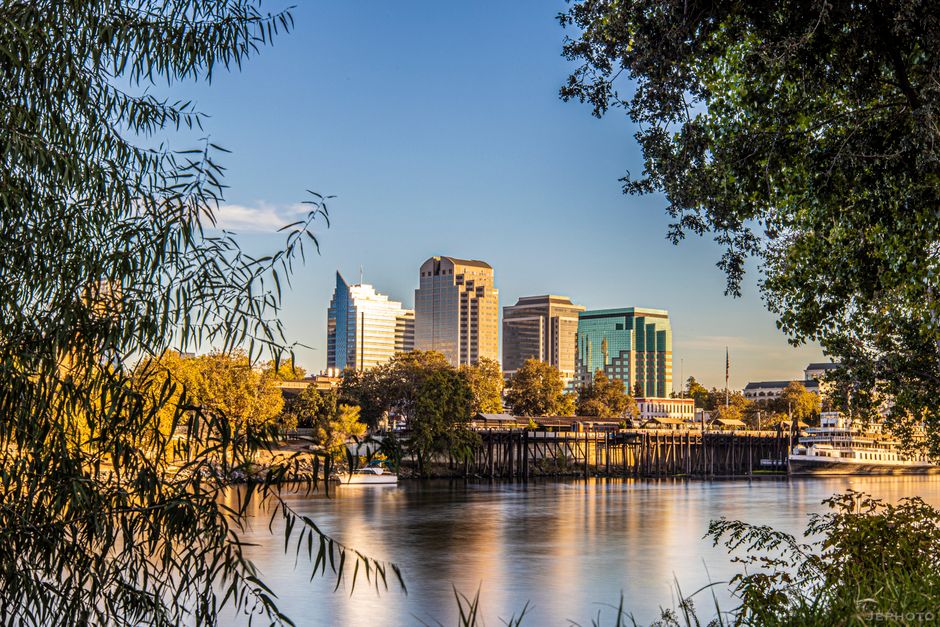
I rolled into Sacramento on a Thursday afternoon expecting the usual state-capital vibe—lots of government buildings, maybe a decent museum, then out. But I made the mistake of wandering a few blocks off Capitol Mall, and what I found was a city that doesn't try to be a destination. It just is one, quietly, for the people who actually live here.
The thing about Sacramento is that tourists cluster around three things: the Capitol building itself, the Railroad Museum, and Old Sacramento's tourist traps. Which means the rest of the city is basically yours if you bother to look. I spent three days poking around, talking to people at coffee shops, asking locals where they actually go when they have a day off. Here's what I found.
Folsom Lake's North Shore—When You Want Water Without the Crowds
Everyone knows Folsom Lake exists. Nobody goes to the north side. I drove out to Granite Bay, about twenty minutes east of downtown, expecting a parking lot situation. Instead I found a gravel lot with maybe eight cars, a small beach area, and actual space to breathe.
The water's cold most of the year, but the granite rock formations are impressive in a casual way—not Instagrammable, but solid. There's a short trail that loops along the shore if you want to walk without purpose. Bring a book, bring a picnic, don't bring expectations of amenities. That's the point. The whole north shore area has this low-key locals vibe that you won't find at Folsom's crowded south beach, where the jet skis congregate and the parking fills up by 10 a.m.
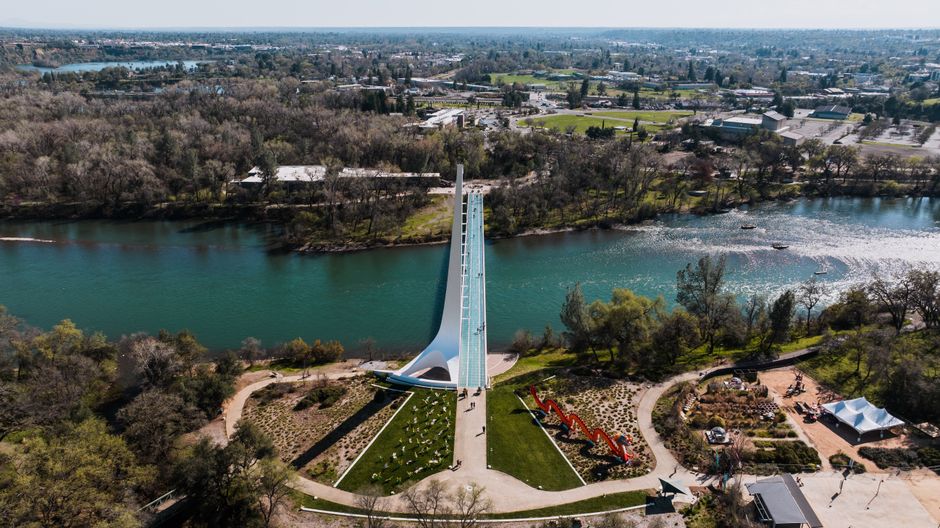
The Leland Stanford Mansion—History Without the Tour-Group Narration
It sits on Eighth Street downtown, solid Victorian, easy to miss if you're not looking. Most people skip it for the Capitol Museum. That's a mistake.
The mansion is largely intact because the Stanfords actually lived like they owned everything, which they did. Walking through the rooms, you get a sense of what that kind of wealth looked like in the 1870s—not just the furniture, but the proportions of the spaces, the deliberateness of every detail. The tour is small and conversational, not the kind of thing where you're herded through rooms while someone talks at you about paint colors. Spring for the guided tour if you can; the docents actually know things and answer questions instead of reading from a script. The grounds are quiet enough that you can actually think about what you're looking at.
Nimbus Fish Hatchery and Its Weird, Quiet Riverside Appeal
North of downtown on the American River, the hatchery is the kind of place that makes you wonder why more people aren't there. It's essentially a working fish farm that happens to let the public walk around and watch the actual machinery of salmon breeding.
I went on a random Tuesday and had the place nearly to myself. You watch salmon move through channels, see the spawning process if you're there during season, understand the ecological engineering that keeps the state's fisheries functional. It's not flashy. It's educational in a way that doesn't feel like education. There's a small interpretive center and a gift shop that's more earnest than precious. If you've spent your whole life thinking of Sacramento as purely government and bureaucracy, this place reminds you that the American River is a real resource and that people work to maintain it. That matters.
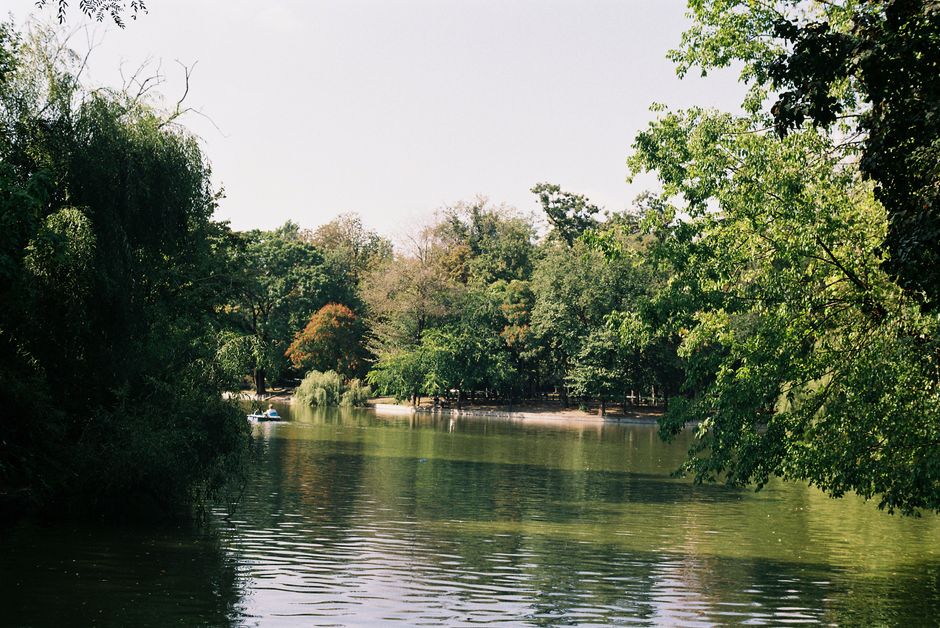
The Crocker Art Museum's Ground Floor—Free, Local, Undervisited
The Crocker's been around since 1885, but most tourists don't make it past the name and assume it's another stuffy old-school collection. The building sits in a nice location near downtown, and yes, the permanent collection has the expected nineteenth-century stuff. But the ground floor rotates contemporary work, often from local and California artists, and it's free to walk through without a ticket.
I spent an hour one morning looking at what turned out to be a show on Sacramento's arts scene. Sculptures, photographs, mixed media—nothing world-changing, but work that made you think about the city differently. The museum itself is never crowded, the café is adequate, and the courtyard is genuinely pleasant. If you pay for a full ticket you get the rest of the building, which is fine, but even the free part gives you a sense of what matters to the city's cultural identity. That turns out to be more than you'd guess from the outside.
Fair Oaks Boulevard and Its Understated Oak Trees
This is going to sound strange, but Fair Oaks Boulevard itself—the tree-lined street that runs east from downtown through residential neighborhoods—is worth a drive or a walk if you want to understand Sacramento's quieter character.
The canopy is genuinely massive. The street was planted more than a hundred years ago with coast live oaks, and they've grown into the kind of corridor that cools the whole street down on hot days. There are parks along it—McKinley Park is one, with actual recreation facilities and shade—but mostly it's just a nice tree-lined passage through old neighborhoods. You see people working in their yards, kids on bikes, the mundane stuff that tourists never photograph but that defines a place. If Sacramento has a soul, it's probably there, in the quiet of an old residential street where the shade matters more than the sights.
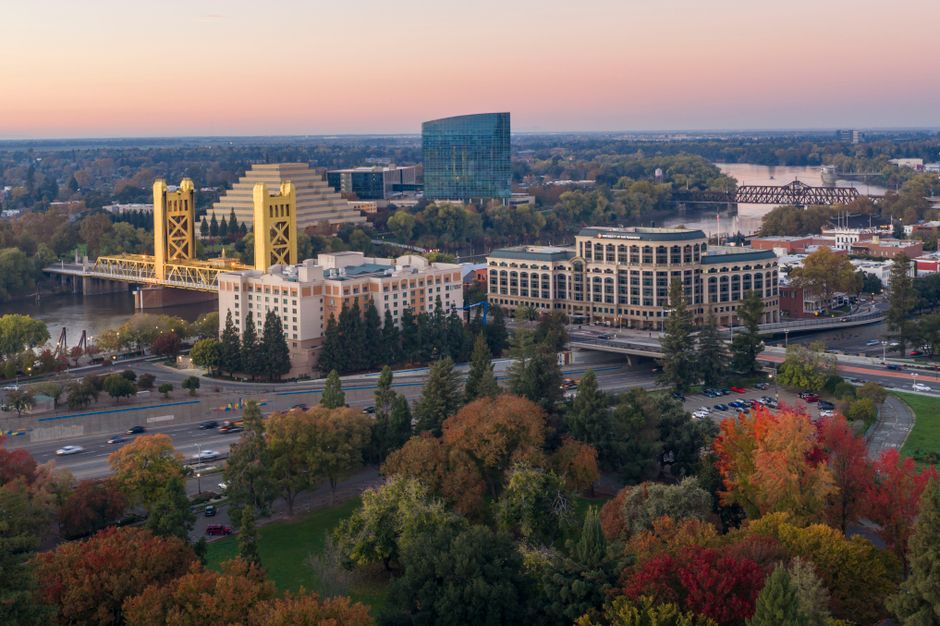
Grange Restaurant Supply on Freeport Boulevard—A Rabbit Hole That's Actually Worth It
This one requires context. Grange is a working restaurant supply store, not a tourist attraction. But if you're the kind of person who likes stores where people actually buy things—not gift shops, not curated retail, just the stuff that's useful—Grange is a legitimate rabbit hole.
You walk in and there are industrial pots, prep tables, commercial-grade equipment, and behind the counter are people who know the difference between types of hotel pans. There's a small section of cookbooks and knives. It's the kind of store that exists because there are actual restaurants in Sacramento that need supplies. It's downtown enough to be walkable, weirdly interesting enough to spend half an hour in, and entirely real in a way that most tourist-facing places in any city aren't.
What Sacramento Actually Teaches You If You Pay Attention
The honest truth is that Sacramento isn't a destination city in the way San Francisco or Los Angeles is. Nobody flies in specifically to Sacramento and books a hotel for a week. It's a capital city that does government, farming, and increasingly, tech work. It's real in a way that feels refreshing when you're tired of cities that perform themselves for tourists.
You'll eat well here. The neighborhoods have actual character. People are generous with recommendations if you ask. The parks are functional and quiet. The museums don't need to be flashy because the people visiting them are there to actually look, not to collect experiences for Instagram.
Stay two days, three if you have time. Walk around residential neighborhoods. Ask people where they go on weekends. Skip the Capitol tour unless you have a specific reason. Eat dinner in Curtis Park or Midtown. Spend an afternoon by the river. You'll leave without having seen all the must-do things, which means you'll remember Sacramento as a place instead of a checklist.



