

I rolled into Sacramento on a Tuesday afternoon with zero plan beyond finding decent coffee and a motel room. After a day wandering the riverfront and the old downtown, I realized the city itself—while pleasant enough—wasn't going to hold my attention for long. But Sacramento sits in one of the best-positioned spots in Northern California for escaping. You're close enough to the Sierra Nevada foothills that real mountains are less than two hours away. Wine country starts practically at your back door. I spent the next week doing exactly what you're probably thinking: using Sacramento as a base and radiating outward to places worth actually remembering.
The sweet spot for day trips from here is everything within a 90-minute drive. Beyond that, you're starting to blur the line between a day trip and an overnight. I've sketched out five destinations I actually returned to, plus the logistics of when and how to do each one without pretending any of it is undiscovered.
Placerville: The Gold Country Hub
Placerville is about 90 minutes east on US-50, and it's the gateway to the whole Sierra foothills scene. The town itself is small—you can walk the main drag in 20 minutes—but it's real. There are actual antique shops, not tourist traps masquerading as antiques. A decent brewery or two. Hanging Tree Coffee for real espresso.
The reason to make the drive is partly the town, but mostly what's around it. The El Dorado Wine Trail starts right here, with more than a dozen tasting rooms within 20 minutes of downtown. Unlike Napa, you won't need reservations six months out and you won't spend $75 per pour. The hiking is legitimately good too—Folsom Lake State Recreation Area is nearby if you want water access, or you can head a few miles further east toward some actual wilderness.
Spring (March-May) is the best window. The wildflowers bloom crazy up here, the weather is mild, and you're not fighting tourist season. Fall works fine too, but it can get crowded on weekends.
Amador County Wine Country: Smaller, Quieter, Actually Drinkable
If Placerville felt like a starter pack, Amador County—about 75 minutes south through Jackson—is the place you go once you've figured out you actually like wine. The region around Sutter Creek and Jackson has been making wine since the Gold Rush era, but it never got the attention Napa did. That's mostly good news for you.
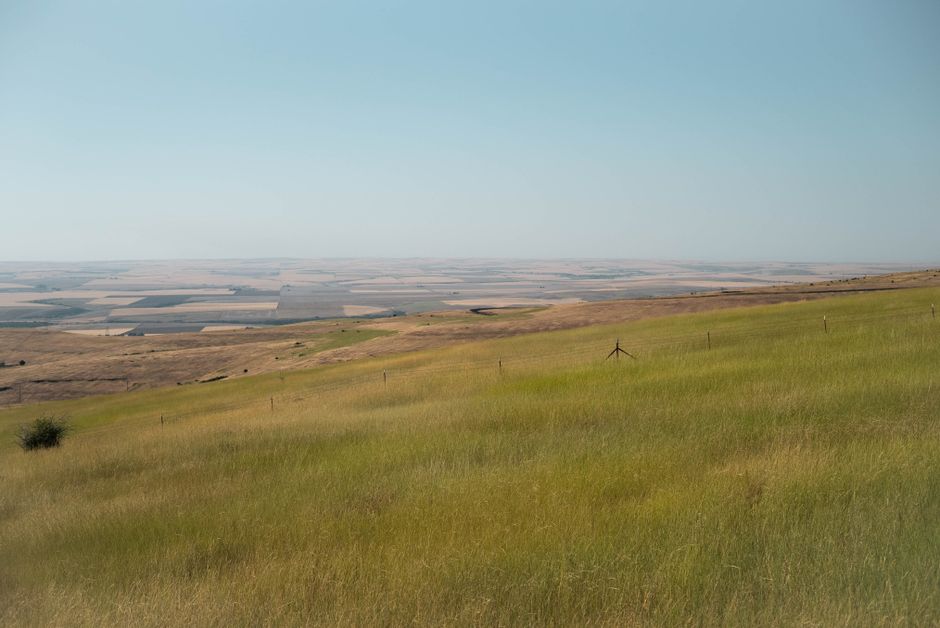
Drive south from Sacramento on Highway 49, and you'll wind through oak-studded hills that look like California actually did in 1950. The tasting rooms here lean toward Zinfandel and Barbera, grapes that actually grow well in the heat. You can park downtown Jackson and walk to five or six places in an afternoon. The wine is generally cheaper than what you'll find an hour north, and the staff treats you like you matter instead of like a credit card with legs.
Spring and fall are both solid—the region doesn't get brutally hot until mid-July. If you go July or August, start early and plan to be done by 3 p.m. Winter (November through February) is actually quieter and often cheaper, but it rains here, so prepare for that.
Pair a winery afternoon with dinner in Jackson proper. The restaurants are understated but good—nothing fancy, just actual cooking.
South Lake Tahoe: The Direct Route for Water and Altitude
South Lake Tahoe is two hours straight east from Sacramento, and it's the most straightforward high-altitude escape. You drive straight up US-50, watch the landscape transform from foothill scrub to actual forest, and boom—you're at 6,200 feet with a massive alpine lake in front of you.
If you time it right—and this matters—it's worth the drive. Summer (June through September) is the obvious choice, but it's also when every person within 300 miles has the same idea. The lake is crowded, parking is a nightmare, and you'll spend half your day looking for a place to stand. I went in late May on a Thursday and had whole stretches of beach to myself.
What to do there depends on your tolerance for crowds and cars. The lake itself is stunning. Swimming is cold year-round but doable in summer. There are hiking trails up into the Sierra that don't require summiting anything technical. If you're just looking to sit by water and not think about Sacramento for four hours, that works too.
Avoid July and August unless you specifically enjoy fighting crowds. Late May, early June, and September are better. Winter is technically possible but only if you enjoy driving in snow and you're not just trying to see the lake—in which case, it's a gray, slushy mess.
Nevada City: Historic, Weird, Walkable
Nevada City is northwest of Sacramento, about 90 minutes toward the Sierras. It's a town that actually managed to stay weird instead of turning into a theme park for tourists. The main street is narrow and genuinely old, lined with actual human-sized businesses. There's a theater that shows real movies. A bookstore. The kind of place where nobody is aggressively selling you something branded.
The gold rush history is real here, not just gift shop material. You can wander uphill through neighborhoods with houses that are legitimately from the 1800s. There's a good cemetery if you're into that. A couple decent restaurants that feel like they're run by people who actually care about food.
Historically, this town was also a center of cultural production—artists, musicians, theater people settled here. That vibe hasn't entirely left. On a Saturday afternoon, you'll run into people who moved here twenty years ago and decided to stay. The whole place feels like it's running on a different timeline than the rest of Northern California.
Fall (September through November) is probably best—the crowds thin out after Labor Day, the weather is still solid, and the foothills are turning gold. Spring works too, but the town gets busier. Summer can feel a little sleepy since a lot of locals are traveling.
Marshall Gold Discovery State Historic Park: If You Actually Care About Gold Rush Stuff
This one is a 75-minute drive, but it's genuinely different from just wandering a historic town. Coloma is where the California Gold Rush actually started in 1848. The park is built around the specific location where James Marshall found the first gold. There's a replica mill, some actual buildings from the era, and a genuinely good museum that doesn't condescend.
If you're rolling through the foothills anyway, it's worth a stop. If you specifically care about the history—how mining actually worked, what the economy of the region really looked like—it's more than worth it. The setting is pretty too: the American River runs through here, and it's genuinely peaceful most days.
The driving route is straightforward: head to Placerville on US-50, then north on Highway 49 to Coloma. You can combine this with wine tasting or hiking, or just make it a focused two-hour visit. Spring or fall are best. Summer gets warm but not unbearable. Winter is fine if you're okay with occasional rain.

The Practical Question: When Should You Actually Go
Sacramento weather is deceptive. The valley hits 100+ degrees regularly June through September. Up in the foothills, it's 10-15 degrees cooler, but that's still hot. If you hate heat, don't summer here.
The real sweet spot is March through May (spring wildflowers, perfect temperature) and September through November (less crowded, still warm, stunning light). December through February is valid if you don't mind occasional rain or snow at higher elevations.
Weekends are obviously busier everywhere. If you can go on a weekday, do it. The difference between Wednesday and Saturday at a wine tasting room is real.
Getting Around: You Need a Car
Sacramento doesn't have reliable public transit to any of these places. Rent a car for the duration of your stay if you don't have one. A regular sedan handles all these roads. Fill up gas in Sacramento before heading anywhere—fuel gets more expensive as you go into the foothills.
Download maps offline before you go. Cell service is spotty in some areas, particularly around Amador and Placer counties. Some tasting rooms and restaurants are cash-only or prefer it.



