
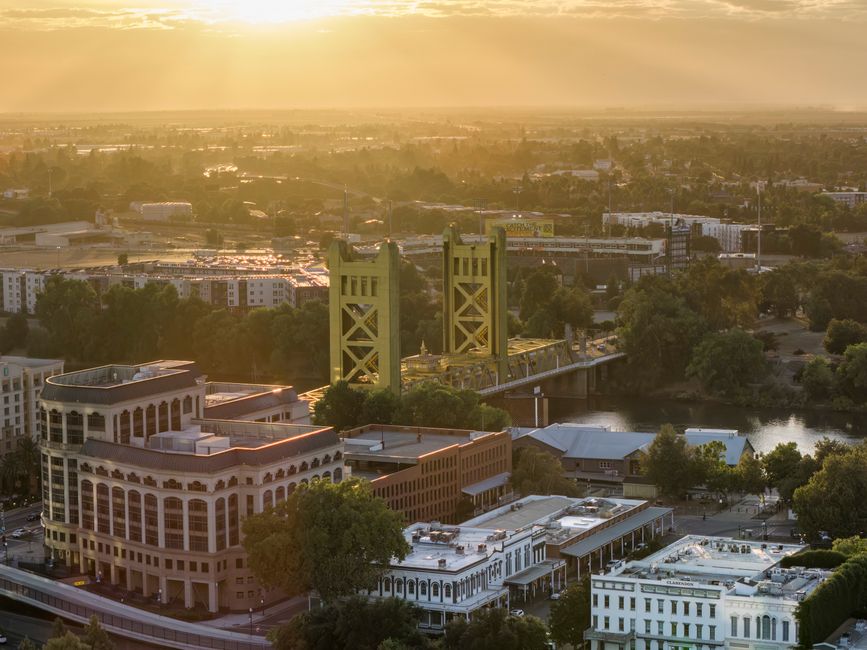
I rolled into Sacramento expecting a sleepy state capital, the kind of place you hit for paperwork or a quick museum. What I found instead was a city that does a pretty good job of hiding its actual personality behind a few well-worn tourist stops. Spend three days here bouncing between the obvious attractions and you'll leave thinking Sacramento is nice enough but forgettable. Spend three days going sideways—eating where locals actually sit, walking neighborhoods nobody photographs, biking trails that feel like they're yours alone—and you'll understand why people who actually live here don't leave.
This isn't a hate piece. But Sacramento's got some real traffic-jam attractions that eat up your time without delivering much beyond "I was there." Meanwhile, the stuff that's actually interesting sits maybe two blocks over, getting a fraction of the attention. I'm talking about the difference between standing in a gift shop on a reconstructed waterfront and finding a dive bar in Midtown where you can actually talk to someone. Here's my take after a week of wandering, eating too much, and skipping most of the guidebook.
Old Sacramento: The Theme-Park Version of History
Old Sacramento looks exactly how you'd imagine it should. Wooden storefronts, river views, gift shops selling Gold Rush memorabilia, tourists shuffling between restaurants. It's pleasant enough on a quiet Tuesday morning, but weekends turn it into a sidewalk-clogged convention center. Everything feels curated—which makes sense because it is. The California State Railroad Museum is solid if you care about trains, but most visitors are just there to walk around and take photos.
The real problem is that actual historic Sacramento happened everywhere *but* these eight blocks. If you want something that feels lived-in and less obviously packaged, the neighborhoods east of here—around 21st and L streets—still have original buildings that didn't get a 1980s restoration budget. You'll find better food, fewer crowds, and actual local bars where the bartender doesn't seem surprised to see you.
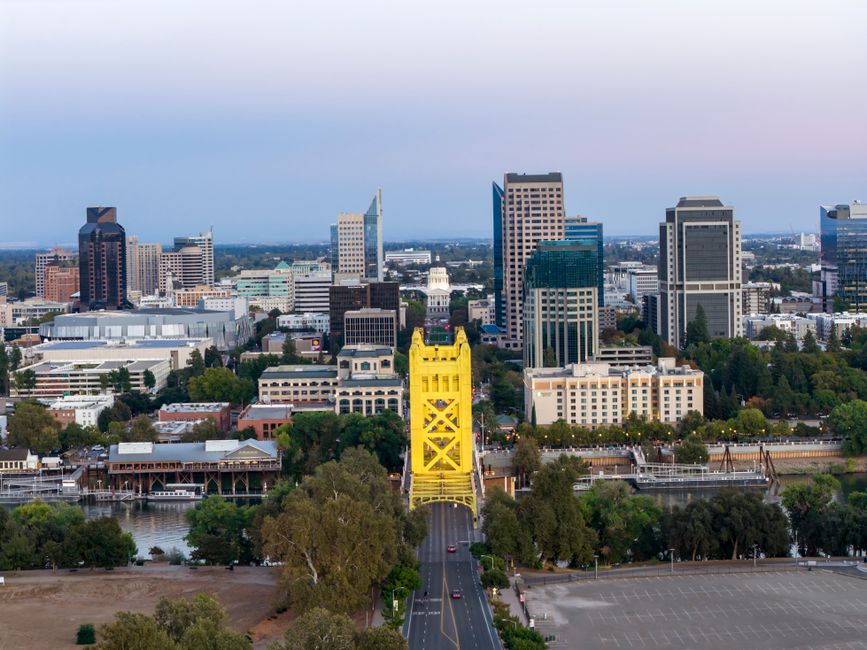
The Capitol Building: Impressive, Repetitive, Skippable
The California State Capitol is an objectively impressive building—white dome, marble halls, the whole government thing. Free tour, decent docents, and you'll learn how the state works if that matters to you. But here's the thing: if you've seen one state capitol, you've basically seen the concept. The grounds are nice to walk through. The Capitol Park itself, with its century-old trees, is actually the better part of the visit—just go sit on a bench instead of standing in line for the tour.
Spend that 45 minutes instead walking through Land Park or cruising the neighborhoods around Sutter's Fort, which has way more actual history and doesn't feel like a school field trip. Or skip it entirely and use the time for something that doesn't feel obligatory.
Midtown: The Actual Reason to Stay Long Enough to Eat
Midtown is where Sacramento's real energy is, and it's laughably underrated by visitors. It's not hidden—it's maybe a mile northeast of Old Sacramento—but tourists seem to skip it entirely. The stretch along J Street between 15th and 25th has become genuinely eclectic: coffee roasters that actually matter, wine bars, ramen joints, wood-fired pizza places, Thai food that doesn't taste like it was made for a mall.
The bar scene is where you actually meet people. Shady Lady Saloon is exactly the kind of dive bar every city claims to have but most don't—strong drinks, zero pretense, happy hour that makes sense. Gold Bar is small enough that you feel like a regular after one visit. These places aren't tourist attractions. They're just good bars where the person next to you at the counter might work for the state or might be a tattoo artist or might be doing neither. The whole district has that lived-in, un-precious vibe that usually takes other cities a decade of gentrification and venture capital to fake.
Eat at Banger Café for breakfast—genuinely excellent sandwiches, tiny place, the owner actually seems happy to see people. For dinner, The Grange is overpriced but worth one meal if you're the type. But honestly, just walk around and eat at whatever looks busy. The neighborhood is small enough that you can't really go wrong.
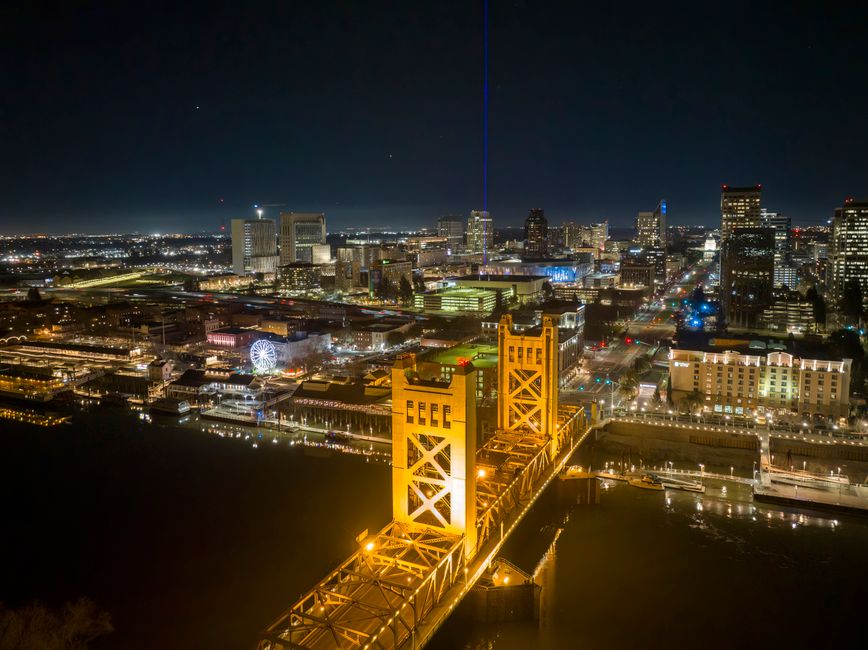
The Crocker Art Museum: Most People See Two Rooms and Leave
The Crocker Art Museum is one of those places on every list. Big name, good reputation, solid California art collection, handsome building. Most visitors spend 90 minutes, hit the main galleries, maybe catch the Impressionists, and bounce. The museum is larger than that tour suggests. The newer wing (built in 2010) is particularly easy to miss—it's set back from the street and people just don't find it unless they're actually looking.
The real value is in the lesser-known galleries and the ability to just sit with paintings nobody's crowded around. Go on a weekday morning and you can spend a couple hours barely seeing another person. The sculpture court is genuinely pleasant. But mostly, visit the Crocker because you like museums, not because Sacramento's list told you to. It's a good museum. It's not a "must-see." The difference matters.
The American River Bike Trail: Better Than Any Tourist Loop
If you're in Sacramento and you don't rent a bike and do at least some portion of the American River Parkway trail, you're missing the only thing here that actually justifies a visit. This is a 32-mile paved trail that runs from the city proper out toward Folsom. You don't need to do all of it—even 10 miles gives you the idea. It's incredibly flat, well-maintained, and genuinely beautiful in a not-try-hard way. In late afternoon, golden hour light hits the water and you understand why people stick around Sacramento past their mandatory state capitol business.
Rent a bike from any shop on J Street and head east. You'll see the river, some park space, the occasional train bridge, wildflowers if you time it right. Bring water. The trail passes through different neighborhoods and parks—Discovery Park, Folsom Lake if you go far enough. This is what Sacramento actually *is*, separated from what it's trying to be for visitors. Solo travelers especially should do this. It's peaceful, safe, and you get a real sense of the landscape and the city's relationship to the river.

Folsom Prison and Highway 50: Tourism on Autopilot
Every visitor list mentions Folsom Prison Museum and the drive out Highway 50 as a day trip. Here's the honest version: if you have a specific interest in prison history or 1980s folk music, fine, go. Otherwise it's a long drive to a museum that's genuinely interesting for maybe 45 minutes, then you're sitting in traffic on the highway back to the city wondering if that was worth the gas.
If you're going to drive east, at least make it Folsom Lake for a hike or a swim, but even that's a "maybe" from here. There's nothing wrong with the prison museum. It's just not essential. The highway drive is fine. The time cost doesn't justify it unless you're genuinely curious about corrections history or you're a Johnny Cash devotee.
Neighborhoods Beyond the Lists
Curtis Park and Land Park neighborhoods—southwest of downtown—are where Sacramento's actual residential charm lives. These areas have character, oak trees, locally-owned restaurants and coffee shops that serve the neighborhood instead of tourists. Café Lungo is a genuinely good coffee place in Curtis Park. The parks themselves are large and quiet. These neighborhoods won't give you stories to tell, but they'll give you a real sense of how Sacramento works when tourists aren't watching.
The East Sacramento area around the Crocker is similarly underrated for just walking and exploring. Bookshop Santa Cruz is a real bookstore (not a tourist bookstore). Local restaurants and bars serve locals. You'll see Sacramento's actual age here—original Craftsman homes, tree-lined streets, people living their lives. This is where you go if you want to understand Sacramento as something other than a list of attractions.
If you have a car or are willing to Uber, these neighborhoods are worth at least a drive through. If you're on foot and staying downtown, just walk east into Midtown and keep going. The neighborhoods blend into each other. You'll find things that aren't on any list, which is exactly the point.
Frequently Asked Questions
Is Old Sacramento worth visiting
It's pleasant and historically significant, but often crowded and overly commercialized. Visit for a short walk, the riverfront view, and maybe one meal, but don't spend your entire Sacramento day there. The actual character of the city is in neighborhoods like Midtown and Curtis Park instead.
What should I actually do in Sacramento as a solo traveler
Rent a bike and ride the American River Parkway trail, spend an afternoon walking and eating in Midtown, visit the Crocker Art Museum on a weekday, and explore Curtis Park or East Sacramento neighborhoods. Skip the overcrowded tourist loop and focus on how locals actually spend time here.
Do I need to see the California State Capitol
Only if you have a specific interest in state government. The building is impressive, but the tour is standard-issue capitol museum material. The Capitol Park grounds are worth a walk, but the guided tour itself isn't essential, especially if time is limited.
How many days should you spend in Sacramento
Two to three days is ideal—one day for Midtown and downtown walking, one for the American River bike trail and a neighborhood, and optionally one more for museums like the Crocker or just deeper exploration. Less than that and you're just hitting checklist items. More than that requires genuine interest in the city beyond the basic tourist route.
Which one would you visit?



