
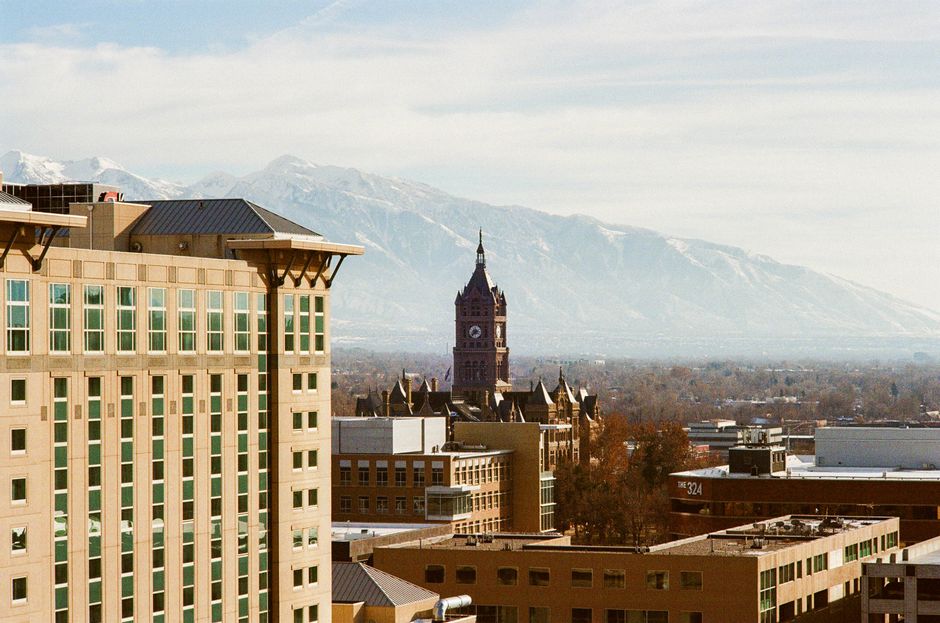
I arrived in Salt Lake City on a Tuesday in October expecting to find a city built entirely around skiing and temples. What I got was both of those things, but also a lot of other people who had the same idea. After spending a week here—hopping between neighborhoods, eating at places I'd never heard of, and occasionally standing in frustrating lines at the usual suspects—I started to notice a pattern. Some of the city's most famous attractions are famous for reasons that make sense about ten years ago. Others barely crack the travel blogs at all, yet they're worth far more of your time.
Salt Lake City isn't pretending to be something it isn't. It's a mountain town that grew into a city, shaped hard by the LDS church, and now trying to figure out what comes next. That tension makes it interesting. But you have to know where to look.
The Temple Square Problem
Temple Square is the gravitational center of Salt Lake City, both literally and spiritually. It's a 10-acre walled plaza in downtown with the iconic Salt Lake Temple at its core, plus visitor centers, gardens, and usually a few hundred tourists taking photos through the same angles. If you're interested in LDS church architecture or history, there's something worth seeing here. The grounds are immaculate, and the craftsmanship on the temple itself is genuine.
But honestly? Most visitors spend 45 minutes here and feel obligated to take a selfie with the temple in the background, then move on. The experience feels more like a pilgrimage site you're supposed to visit than a place designed for actual exploration. The visitor centers are polished but sanitized. The gardens, while lovely, aren't so different from other botanical displays in other cities. If you're not coming here for spiritual reasons or deep architectural interest, you're probably wasting peak daylight hours.
Skip the long walk around the square itself. Instead, head to the nearby Salt Lake City Public Library, just a few blocks away. It's a modern masterpiece—all copper and glass, designed by Rem Koolhaas—and it functions as an actual community hub, not a monument. The views from the top floor are better than any vantage point at Temple Square, and you can grab coffee without the crowd.
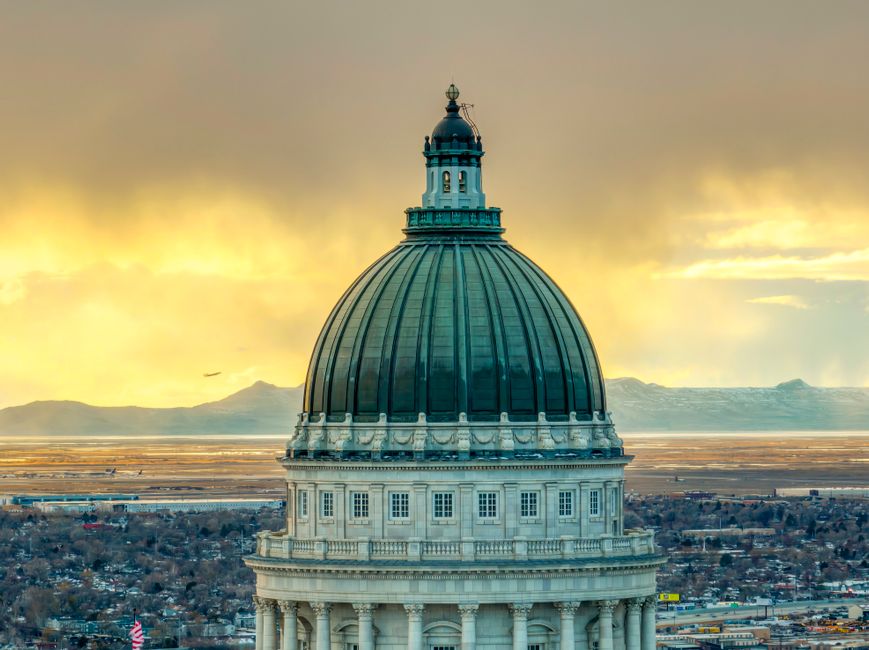
The Overrated Ski Pilgrimage
Salt Lake City sits within 30 minutes of some legitimately world-class ski resorts: Alta, Snowbird, and Brighton, mostly. Everyone who comes here in winter wants to ski, and the ski resorts have become part of the city's identity in a way that maybe isn't entirely fair.
The problem is that ski resorts are, well, skiing. If you ski, you know what you're getting. If you don't, or if you're not an intermediate-to-expert level, the majesty everyone talks about becomes a lot less meaningful. Plus, everyone else has the same plan. Weekend days are crowded. Season passes are expensive. And if you're a casual skier visiting for a few days, the cost-to-enjoyment ratio can feel off.
If you want mountain experience without the ski crowds, try Grandeur Peak instead. It's a short hike up from the city, maybe 5,000 feet of elevation gain round trip, and on a clear day you can see across the entire Salt Lake Valley. Or drive the Alpine Loop scenic byway—it's a 60-mile drive that winds through the Wasatch Mountains and Uinta National Forest, with stops at overlooks and trailheads that don't require special equipment or a $200 lift ticket.
The Actual Gold Mine: Red Butte Garden
Red Butte Garden sits on the University of Utah campus and gets maybe a fraction of the foot traffic that Temple Square sees. It's a 100-acre botanical garden with themed sections—native plants, shade gardens, a Children's garden—arranged along a natural creek drainage. The setting is quiet enough that you forget you're on a college campus in a city of a million people.
Unlike Temple Square, there's something to actually do here: walk slow, read the plant labels, sit on a bench overlooking the valley. The views east toward the mountains are genuine, and the seasonal plantings change enough that repeat visitors aren't seeing the same thing twice. In spring, the wildflowers are worth a special trip. In summer, the shade along the creek is a legitimate refuge from the heat.
The entry fee is reasonable, the gift shop isn't pushy, and it's one of those places that clearly exists for its own sake rather than as a stop on a tourist checklist. Go on a weekday morning if you want to have large sections of the garden almost entirely to yourself.

Beehive House and the Real Museum Problem
Beehive House, Brigham Young's home, sits just off Temple Square and is technically interesting from an architectural and historical standpoint. It's a mid-1800s adobe mansion with period furnishings. The issue is that the tours are docent-led, tightly scripted, and geared toward a very specific audience. If you're not already interested in the specifics of LDS history, you'll spend an hour learning things that feel tangential to why you came to Salt Lake City in the first place.
Instead, visit the Natural History Museum of Utah, also on the University of Utah campus. It's a modern building with exhibits that actually tell a story about the region—dinosaurs, indigenous peoples, geology, climate. You can move through it at your own pace, and it functions as a real museum rather than a historical reenactment. The dinosaur collection is substantial and well-presented, and the Great Salt Lake section explains something important about the region's ecology that you won't find anywhere else.
Skipping Memory Grove (and Finding It Anyway)
Memory Grove Park is one of those places that every local recommends, and then you get there and realize it's a canyon trail with dog walkers and joggers. It's pretty, sure. The creek is nice. But it's not exactly a secret, and on any given weekend afternoon it's crowded enough that solitude feels impossible.
Drive up Mill Creek Canyon instead—you pay a small entrance fee at the gate—and park at one of the lower trailheads like the Shady Dell. It's the same type of terrain—canyon forest, creek, shade—but somehow it stays less populated. Maybe it's because you have to pay the fee, or maybe it's just off the main tourist circuit. Either way, you get similar scenery without the crowd.
Or try the City Creek Canyon Trail, which runs right through Salt Lake City proper—not really a secret, but it's underutilized considering how close it is to downtown. You can start at the trailhead in the Capitol Hill area and hike along a genuine creek that runs through the city. It's unusual to get that type of riparian experience so close to downtown streets, and the contrast is actually what makes it interesting.
The Great Salt Lake Isn't What You Think It Is
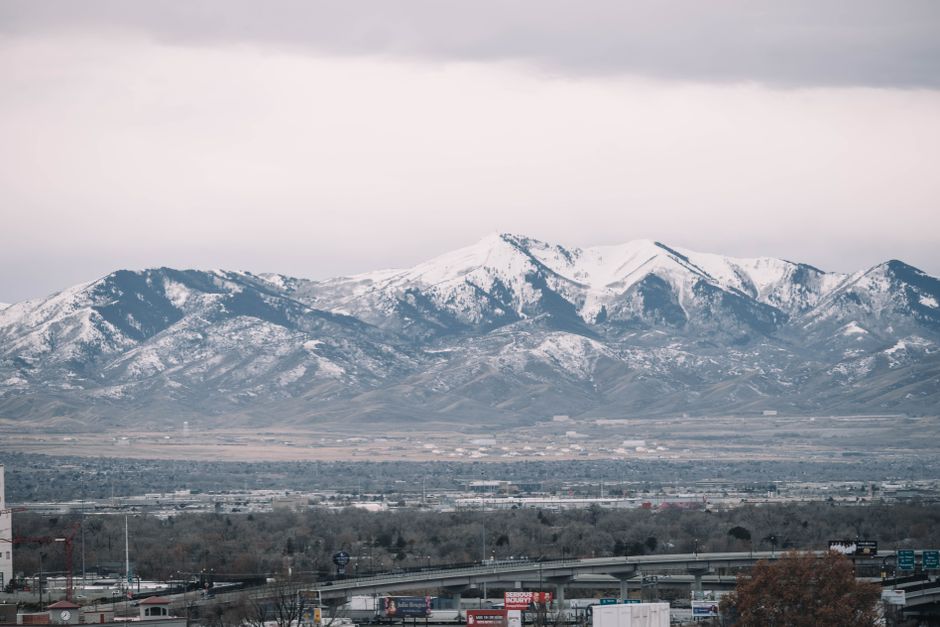
The Great Salt Lake is a massive inland sea, salty and strange and geologically important. It's also really hard to actually visit. Most of the shoreline is either industrial, private property, or unremarkable flats. The famous pink algae blooms happen in certain conditions and certain seasons, and if you're not there at exactly the right time, you're just looking at brownish water under a hazy sky.
Grabbing a paddle board or renting a kayak from one of the outfitters near the lake can be fun if you're actually interested in water sports, but as a tourist attraction—the idea of going out to "see the Great Salt Lake"—it's underwhelming for most visitors.
The Antelope Island State Park at the lake's north edge is a better bet. You drive a causeway out to an actual island, and from there you can do hikes with views back toward the lake and mountains. The bison herd there is a genuine oddity, and the island's isolation—even though you drove to it—gives you the sense of getting away from the city. It's not Instagram-famous, which means it's actually accessible.
The Neighborhoods Are Better Than Downtown
Downtown Salt Lake City has had a lot of money thrown at it in recent years. There are new developments, bike lanes, renovated buildings. It looks like a modern mid-size city downtown. But it still feels a bit constructed, like someone's idea of what a downtown should be rather than a place that grew organically.
The real Salt Lake City is in neighborhoods like Marmalade (just northwest of downtown), Sugar House, and Federal Heights. Marmalade has old Victorian houses, local cafes, and actual human residents living their lives. Sugar House is student-adjacent and young and weird in the ways that college neighborhoods are. Federal Heights is quieter but still walkable, with good restaurants and the sense that you're in an actual neighborhood rather than a curated experience.
Spend a morning walking around 13th South in Sugar House, or head to Marmalade and grab coffee at Publik Coffee House. These are the streets where people actually live, and that's always more interesting than a downtown that's been designed to impress.
The Real Take
Salt Lake City is good at showing you what it thinks you should see. The trick is figuring out what you actually want to see instead. The famous spots earned their reputation for reasons, but most of them are now carrying more tourist baggage than they're worth. The better places—the quieter museums, the neighborhood walks, the parks that don't have gift shops—require a bit more effort to find. That's what makes them worth finding. This city is genuinely interesting when you stop following the script.



