I pulled into Salt Lake City on a September afternoon, drove past the Oquirrh Mountains turning gold in the late light, and immediately understood why people choose to stay here. It's not just the skiing—though that's the obvious draw. The neighborhoods have actual texture. Some feel like they belong to the locals, others cater directly to tourists, and a few sit somewhere in between, offering the kind of streets where you can walk to dinner, catch a concert, and actually talk to someone who's lived there for a decade.
The city sprawls more than you'd expect for its population, and where you plant yourself makes a real difference in how you experience it. I spent time in six neighborhoods over two visits, eating poorly and walking too much, the usual formula. Here's what I found.
Downtown: The Tourist Backbone
Downtown is the most obvious choice, and there's nothing wrong with that. Temple Square anchors everything—the massive grounds of the LDS Temple dominate, and whether you're religious or not, the architecture warrants a walk. The Salt Lake City Public Library is a 2008 modernist structure that's become a hangout spot, all glass and geometric shapes, and people use it like a second living room.
Walking south from the temple, you hit Main Street, which has been revitalized but still feels a bit thin compared to other downtowns. Restaurants and bars cluster along South Temple and in the blocks nearby. The Beehive House, where Brigham Young lived, sits at the edge of Temple Square if you want to dig into local history. For visitors, downtown makes logistical sense—hotels are plentiful, parking is manageable, and you can reach most major attractions on foot or a short ride. For new residents, though, it's too transient, too many hotels. The residential population is smaller than you'd expect.
Sugar House: Young Professionals and Families
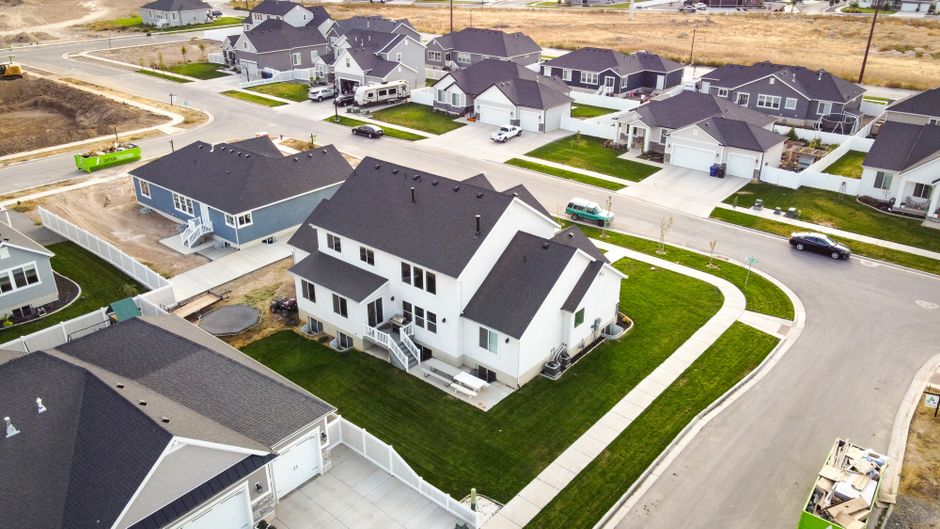
Sugar House, named after the early sugar factory that operated here, is where I'd recommend most people actually live if they're staying longer than a week. It sits just southeast of downtown, centered around South Temple and 1100 East, and it has the feel of a neighborhood with genuine character that hasn't been completely flattened by development.
The main strip along South Temple is walkable—coffee shops, vintage stores, casual restaurants. There's a used bookstore that's been here long enough to feel permanent. Parks dot the area, and it attracts young professionals, families with kids, and people priced out of the trendier areas. Housing costs are more reasonable than downtown or the neighborhoods immediately around the university. The neighborhood maintains some salt-of-the-earth quality; you'll see people actually using the sidewalks, kids on porches. It's not photogenic in the Instagram sense, but it works as a place to live.
Liberty Park: Families and Established Residents
If Sugar House is where young professionals move, Liberty Park is where they stay and have kids. It's directly east of Sugar House, quieter, with larger homes on bigger lots. The neighborhood centers around Liberty Park itself—a legitimate green space with a public pool, tennis courts, and walking paths. In summer the place fills with families. It's genuinely residential, less commercial, which means fewer restaurants within walking distance but more the feeling that people actually live here year-round.
The demographic skews slightly older than Sugar House—families already established, some retirees. The school system is competitive, which is part of why families target the area. If you're considering a longer-term move and want a real neighborhood feel with space, Liberty Park is the play. It's less exciting than downtown or Sugar House for dining or entertainment, but that's kind of the point.
Foothill: Mountain Views and a Steeper Climb
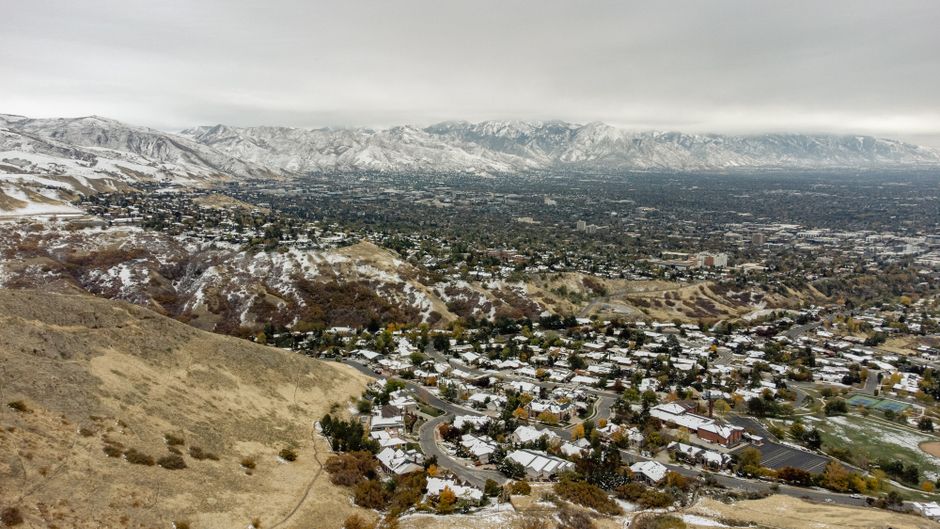
Foothill, up the eastern slopes toward the mountains, offers something different entirely: actual views and a sense of elevation. This is where wealthier residents and people who prioritize proximity to hiking and the ski resorts tend to cluster. The homes are larger, the neighborhood is noticeably quieter, and you're immediately adjacent to canyon access—trails up into the mountains start within a few minutes of some addresses.
The tradeoff is that it's more car-dependent and less walkable. There's no real commercial center; you're relying on restaurants and shops elsewhere. It suits people who moved here specifically for outdoor access and don't need urban walkability. Visitors might stay here if they're renting a larger home for a ski trip or extended family visit, but it's not the neighborhood for someone wanting to experience Salt Lake City's urban core.
Avenues: Historic and Hillside Character
The Avenues, northeast of downtown, is Salt Lake City's oldest established neighborhood and it reads that way. Tree-lined streets, homes dating back a century, and a sense that people here understand the neighborhood's history. It's genuinely beautiful in an understated way—not flashy, but considered. The streets actually wind and intersect at odd angles, which gives it organic character compared to Salt Lake's typical grid.
You'll find it appeals to people who want older homes, character, and proximity to downtown without being in downtown. Housing prices reflect the desirability. There are a few restaurants and shops, but again, it's primarily residential. The neighborhood feels quieter and more established than Sugar House. If you're relocating and want architectural substance and quiet, it's worth considering, though budget accordingly. For visitors, it's less useful unless you're renting a vacation home; there's not enough commercial infrastructure to make it convenient.

Capitol Hill: Arts and Density
Capitol Hill sits northwest of downtown and has a different energy entirely—more density, younger demographic, arts-focused venues, a stronger bar scene. It's less polished than downtown and less family-oriented than Sugar House. There are galleries, music venues, breweries. The residential feel coexists with actual nightlife. Housing is in apartments and smaller homes rather than single-family residences.
For younger visitors and new residents in their twenties and thirties who want walkability and a neighborhood with cultural activity, it's the strongest option. It attracts artists and musicians; there's a real community feel that's distinct from the rest of the city. It's grittier, less touristy, more 'this is where people actually go on Friday night.' The tradeoff is noise and density, but if that's what you're looking for, Capitol Hill delivers it.
Getting Oriented: Transportation and What to Expect
One thing I wasn't fully prepared for: Salt Lake City is very much a car city despite its downtown. The FrontRunner commuter rail and the local bus system exist and function, but neighborhoods spread out far enough that having a car makes life easier. That said, downtown, Sugar House, Capitol Hill, and the Avenues are genuinely walkable in their cores.
The altitude hits different people differently. At 4,200 feet, it's noticeable your first few days if you're not used to it. Skin dries out fast. The sun is intense. Plan accordingly. Also, the Great Salt Lake air quality can fluctuate; winter inversions trap pollution, and some days the haze is real. It's worth checking before extended visits.
The Bottom Line
Pick neighborhoods based on what you're actually trying to do. Downtown if you're visiting briefly and want hotel convenience and major attractions within walking distance. Sugar House if you want to live like a local without committing to either extreme of the residential-to-touristy spectrum. Foothill or Liberty Park if you have family or prioritize space and quiet. The Avenues if you value history and character and can afford it. Capitol Hill if you want walkability and cultural activity.
Salt Lake City works because it doesn't try to be one thing. You can ski in the morning, eat decent food at night, and actually encounter different parts of the city in a single day. Pick the right neighborhood and the city gets better the longer you stay.