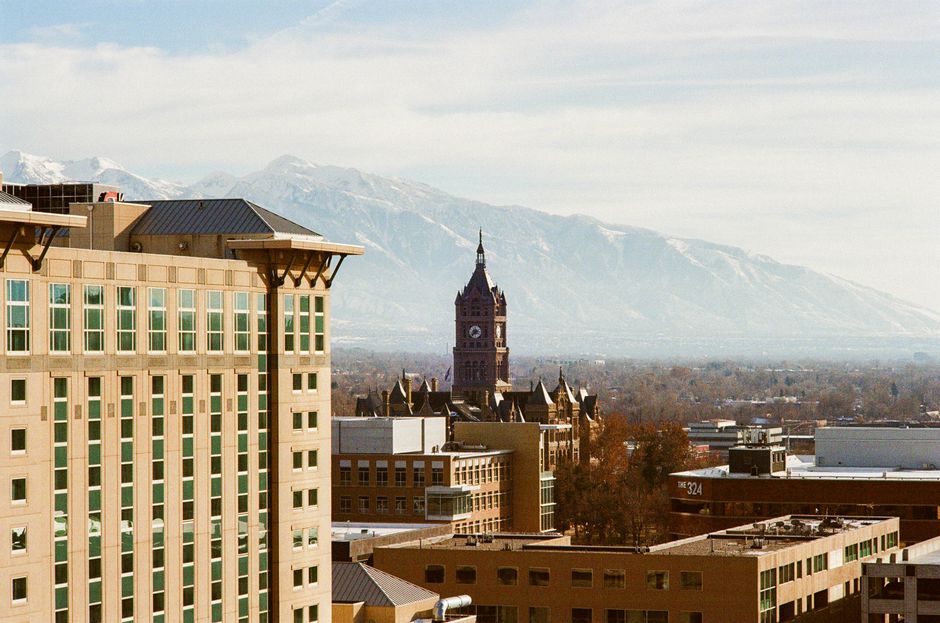
I arrived in Salt Lake City on a Thursday in late spring, expecting to find a city shaped entirely by the LDS church, skiing, and maybe some decent coffee. What I found was more complicated. Yes, the mountains are genuinely stunning—you can see them from almost anywhere downtown, and that never gets old. But the tourist map everyone gets at the airport? It's doing the city a disservice. After a week of wandering, taking the wrong bus lines, eating at places I'd never heard of, and revisiting a few spots I'd initially dismissed, I've got some thoughts about what deserves your time and what doesn't.
The Overrated Pilgrimage: Temple Square
Temple Square pulls in something like 3 million visitors a year. I understand why—it's iconic, it's central, and it's free to walk around. The grounds are manicured and peaceful, the visitor centers are well-done, and if you care about LDS history, the story is genuinely important. But here's the thing: unless you're actually religious or seriously interested in Mormon architecture and theology, you're mostly paying in time.
The experience is heavily curated. You walk the same paths as everyone else. The visitor centers feel more like museum gift shops with exhibits attached. If you spend two hours here, which many people do, you're in a controlled environment watching sanitized historical presentations. The square itself is beautiful, sure, but you've seen the photos already. And the crowds—especially in summer—make it feel less spiritual and more like you're shuffling through a theme park.
Better Alternative: Cathedral of the Madeleine
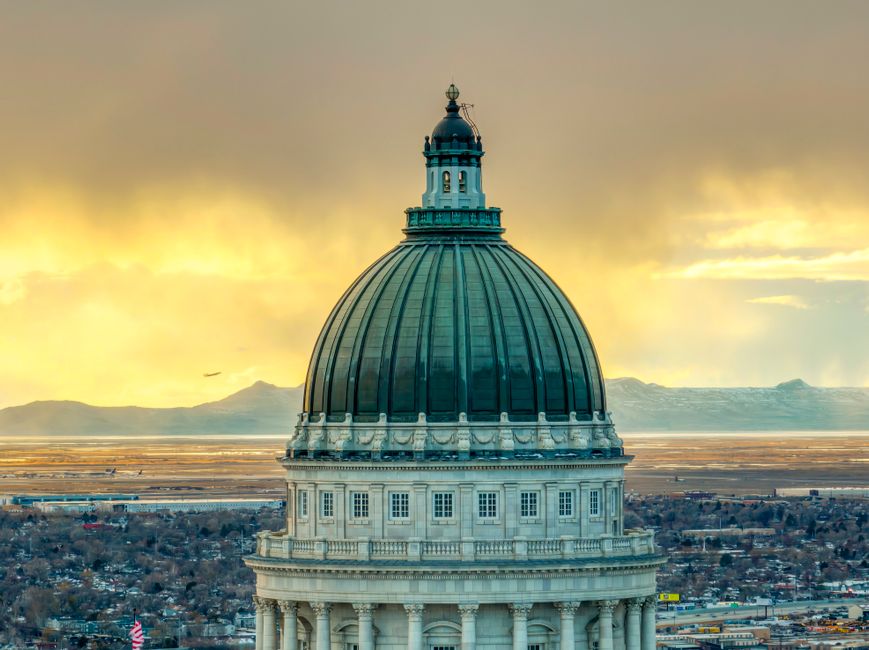
Five minutes south of Temple Square, the Cathedral of the Madeleine sits on a quiet block and gets about one percent of the foot traffic. Built in 1911, it's Roman Catholic, and it's legitimately stunning—soaring ceilings, real stained glass, the kind of architecture that makes you look up involuntarily. The cathedral welcomes visitors during open hours, and you can actually sit in the pews and think. There's no entry fee, no pressure to buy anything, no tour groups coordinating in matching shirts.
I sat in there for 20 minutes on a Tuesday afternoon and saw maybe two other people. The light coming through the windows at late afternoon is worth the walk alone. If you care about religious architecture and sacred spaces, this is the real deal. And the neighborhood around it—the Avenues—has quieter energy than downtown, with local bookshops and decent restaurants that don't cater exclusively to tourists.
The Overrated Outdoor Staple: The Great Salt Lake
People come to Utah expecting to float in the Great Salt Lake like they floated in the Dead Sea, and I get it. The concept is cool. You can't sink. Your body just bobs there. But—and I say this gently—the reality is less magical than the fantasy. The lake is relatively shallow where tourists actually go, the salt crystals get in everything, and the whole experience feels more clinical than transcendent.
Plus, the lake itself has actual environmental challenges. Certain times of year, the smell is noticeable. The beaches aren't particularly picturesque. You're driving out to a brown, flat expanse, paying for parking, probably getting salt in your eyes, and then you're done. It's the kind of "I came to Utah and did the thing" box-checking that doesn't stick with you.

Better Alternative: Paria Rimrocks or the Bonneville Salt Flats
If you want salt flats and actual grandeur, skip the Great Salt Lake and drive out to Bonneville, about 90 minutes west. You can drive right out onto the white salt and see for literal miles. The landscape is genuinely alien—totally flat, bright white, empty in a way that feels almost meditative. It's not as convenient, but the payoff is real. Bring water. Bring sunscreen. Respect that you're in the desert. But you'll get a memory instead of just an anecdote.
Alternatively, Paria Rimrocks (also called Rimrock Road) is a scenic drive about an hour south that most Salt Lake tourists never find. Red rock formations, slot canyons if you want to hike a bit, and you're alone out there. The drive itself is the point—high desert beauty without the orchestrated experience. Either option beats floating in murky water.
The Overrated Urban Anchor: City Creek Center
This is the gleaming, climate-controlled mall that the LDS church built downtown as a mixed-use development. It's got high-end shops, restaurants, a creek that runs through it (mostly artificial), and it feels very modern and successful. If you love upscale shopping, it's fine. If you want to feel like you're in Salt Lake City, it's actively working against that. It's designed to feel like it could be anywhere—and it mostly succeeds at that goal.
The crowds here are predictable. The energy is corporate. You're surrounded by national chains and boutiques that exist in every major city. The creek is pleasant but clearly managed and controlled. People spend hours here, which says something, but mostly it says that shopping is easy and air-conditioned. For a solo traveler, there's not much to discover.
Better Alternative: The Granary District and Sugar House
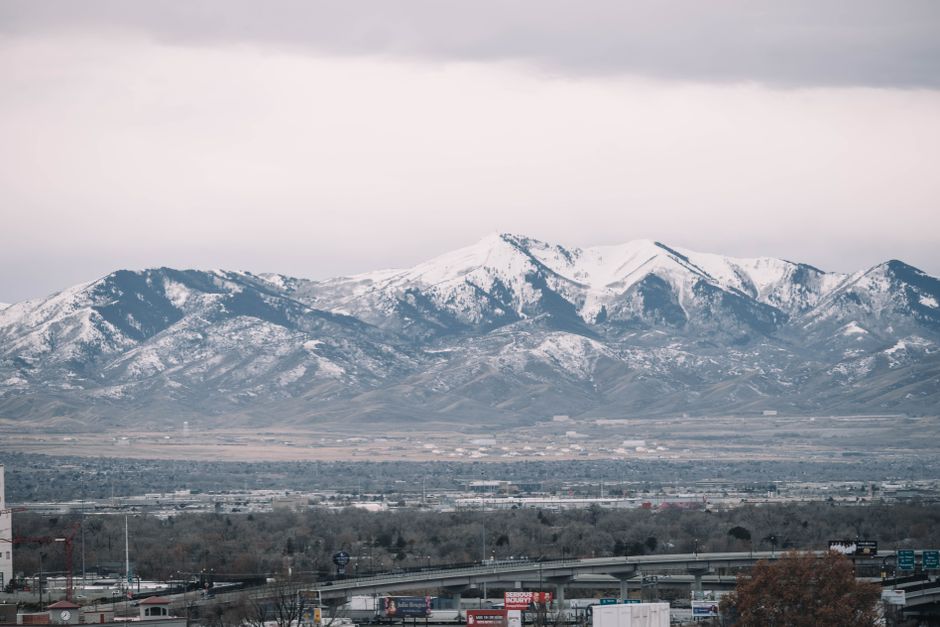
Head east to Sugar House and the Granary District. This is where Salt Lake actually lives. Smaller bookstores (The King's English Bookshop is substantial and locally rooted), vintage shops that have real character, restaurants run by people who actually chose to be here. Coffee shops with personality. Art galleries that aren't corporate. You'll find places like Caputo's or Eva's Bakery—specialty shops where the owners care about what they're selling.
Walk along South Temple in the early evening. Stop at a bar that has local beer and locals in it. Browse the used record store. This is a real neighborhood, and it's way more interesting than a mall. The pace is slower. You'll actually meet people. And the food—both cheap casual places and legitimately good restaurants—comes from real choices, not corporate menus.
The Overrated Monument: This Is the Place Monument
This monument marks where Brigham Young first saw the Salt Lake Valley. It's on the east side of the city, in a monument park that's clean and well-maintained. If you're interested in LDS history, it hits the historical marker. But it's also a pretty sterile experience—you go, you look at the statue, you read the plaque, you take a photo, you leave. The monument itself isn't bad; the problem is it's one-note. The setting doesn't add much; it's basically a tourist parking area with a monument in it.
I'm not going to say don't go, but I will say it doesn't reveal anything real about Salt Lake City or Utah. It's a historical marker, not an experience.
Better Alternative: The Natural History Museum and Red Butte Canyon
The Utah Museum of Natural History is on the University of Utah campus and is genuinely good—dinosaurs, Utah geology, local natural history told thoughtfully. It's not massive, which is actually an advantage. You can see everything in a reasonable amount of time, and the exhibits are curated with care, not just volume. Being on a university campus also gives it a different energy than a downtown tourist attraction.
Right next to the museum, Red Butte Canyon offers actual hiking with views of the city and the mountains. Even a short walk up is rewarding—you get perspective and elevation and real engagement with the landscape. Combine a museum visit with a canyon walk, and you've had a much better afternoon than standing in front of a monument. You're learning something and moving through the actual terrain that makes Utah distinctive.