I arrived in Salt Lake City on a Friday in October expecting the place to feel like a sleepy, religiously conservative town where nothing much happened after 9 p.m. Turns out I was wrong on almost every count. The city's been quietly building something interesting over the last decade—a real downtown with bars and restaurants that stay open past dark, neighborhoods with actual character, and a young professional class that isn't just passing through. The skiing nearby is a bonus, not the main draw anymore.
The tricky part is figuring out where to land. Salt Lake City's neighborhoods aren't as clearly demarcated as, say, Portland or Denver. Some blend into their neighbors. Prices have climbed hard in the last five years. And the vibe can shift dramatically depending on which block you're on. I spent a couple weeks moving between different areas, talking to people who actually live here, and trying to figure out which neighborhoods actually deliver what they promise to young professionals trying to build a life here.
Capitol Hill: The Original Urban Core
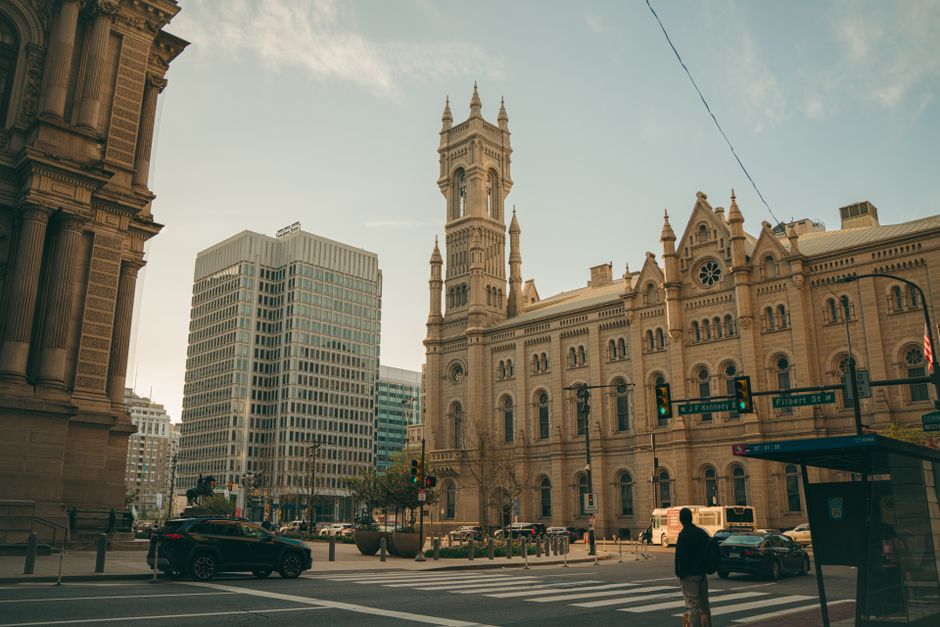
Capitol Hill is where Salt Lake City's downtown spine actually lives. I'm not talking about the office towers—I mean the neighborhood just east and north of the main business district, anchored by the state capitol building itself and climbing into the lower Avenues. It's steep, older, and densely packed in a way that feels intentional rather than accidental.
This is the neighborhood for people who moved to Salt Lake City specifically because they wanted a city, not a suburb. You walk to restaurants. You walk to bars. The bars have names and actual bartenders who remember you by Tuesday. The housing stock is older—1920s bungalows, Victorian splits, small courtyard apartments. Prices are aggressive, often in the high $600,000s for a modest house, but the walkability and proximity to everything means a lot of young professionals live here by choice, not because they got priced out of somewhere better.
The neighborhood does get noisier than, say, the Avenues or Sugarhouse. It's also got more street-level activity, which some people love and others find exhausting. The bars on West South Temple can get rowdy on Friday nights. But if you're moving to Salt Lake City for the actual city part, not the outdoorsy-suburb part, Capitol Hill is where you test whether you mean it.
Downtown/City Center: For the No-Car Crowd
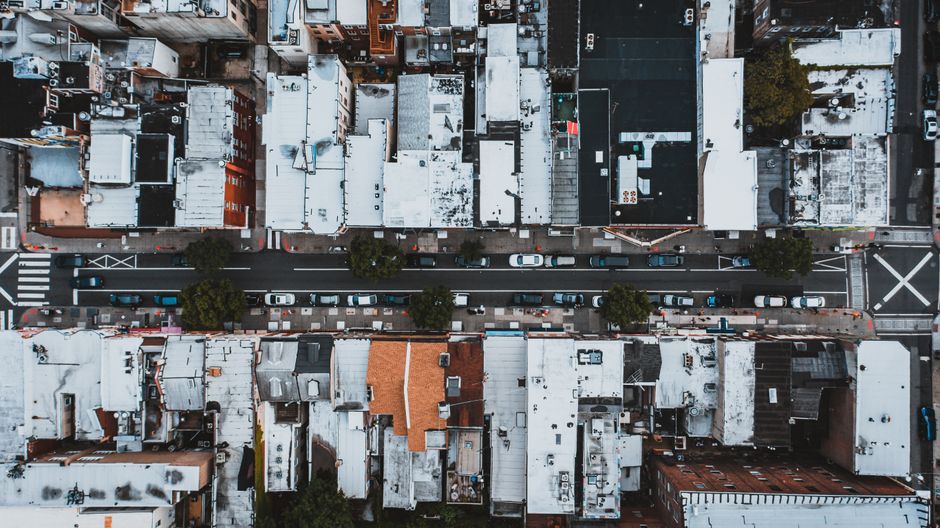
If Capitol Hill is the historic urban core, downtown proper is where the city's been trying to build what a modern downtown actually looks like. I walked through during lunch on a weekday and was surprised by the density of people, the new apartments going up, the fact that there were humans around at all. Most of the new high-rise residential is here—studios and one-bedrooms marketed hard at young professionals, often at $1,400 to $2,000 per month for rent, which is steep by Salt Lake standards but nowhere near what Seattle or Denver costs.
The appeal is obvious: you literally don't need a car if you work downtown or have a flexible schedule. TRAX light rail connects to the airport, the university, and other parts of the valley. The grocery stores, pharmacies, and bars are all within walking distance. The restaurants run from business lunch spots to actual good ones—this part of the city has benefited enormously from Salt Lake's slow-motion transition into a place where people eat out more than they used to.
The tradeoff is that it still feels a bit thin. There's none of the neighborhood-feeling you get in Capitol Hill or Sugarhouse. Walk a block in the wrong direction and you're in a parking lot. The residential blocks feel young and transient—people live here between 22 and 28 and then move to somewhere with more character. That said, if you want the full urban experience without a car payment, downtown is where you actually get it.
Sugarhouse: The Neighborhood That Actually Feels Like a Neighborhood
Sugarhouse is where I'd actually live if I were staying. It sits southeast of downtown, centered on 1100 South between 700 East and 1300 East, and it's got the one thing a lot of Salt Lake neighborhoods lack: an actual neighborhood feeling. There are local coffee shops that are actually good, bars where people know each other, small restaurants that aren't franchises, and blocks where you see the same people on dog walks.
The housing is mixed—some older cottages and duplexes, some newer townhomes, some small apartment buildings. Prices are high, probably $550,000 and up for a house, and rents for a one-bedroom run $1,200 to $1,600, but you get actual density and walkability for that money. It's the neighborhood young professionals who've chosen to stay in Salt Lake City (not just pass through) actually live in. A lot of them are in tech, a few work in film, some are self-employed. The bar scene skews less rager, more established-and-has-friends-from-college.
The neighborhood also works well for young couples and people thinking about starting families. It's got parks, good schools nearby, and a slower pace than Capitol Hill, but still with enough going on that you don't feel like you're in the suburbs. Winter is darker and quieter here than downtown—this is the tradeoff. But if you want to actually be part of Salt Lake City rather than just occupying space in it, Sugarhouse delivers.
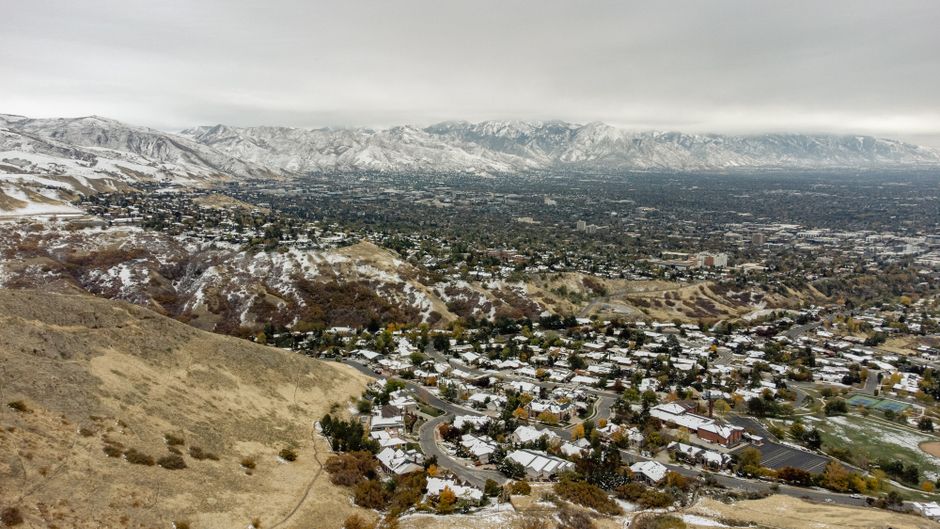
The Avenues: Money and Quiet, on the Edge of the Foothills
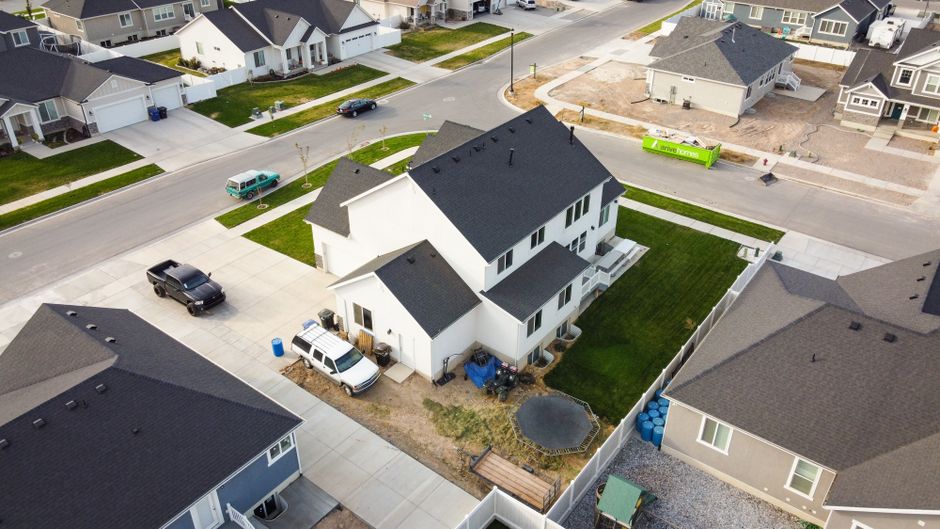
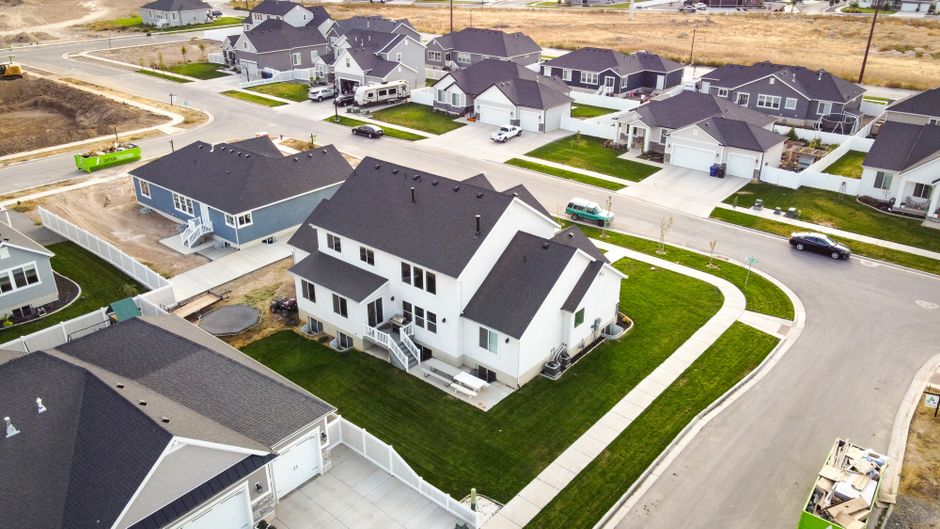
The Avenues climbs north and east from downtown into the foothills, and it's where the money in Salt Lake City lives. The houses are large, often from the 1980s and 1990s, with big yards and views of the valley below. The streets are tree-lined and quiet. You can hear yourself think here.
The primary appeal is obvious: space, quiet, good schools, and the fact that you're never more than a 20-minute drive from world-class skiing. The downside is equally obvious—you need a car. Everything requires a car. You won't walk anywhere. There's no neighborhood center, no coffee shops where you run into people, no bars within reasonable distance. If you work downtown, your commute is 20 to 30 minutes in good traffic and much worse in winter.
The Avenues works for families with kids, especially if you've got the money and don't mind the car dependency. It's also a good choice for anyone who moved to Salt Lake primarily for the outdoor recreation and doesn't really care about the city part. But for young professionals in their 20s and early 30s without kids? Sugarhouse or Capitol Hill will probably feel less isolated.
Marmalade District: Walkable if You Catch It Before It Gentrifies Completely
Marmalade sits northwest of downtown, between North Temple and the industrial areas that used to be the working-class spine of the city. Five years ago it was genuinely affordable. Ten years ago it was rough around the edges. Now it's in that specific transition phase where young artists and renovation-minded professionals are moving in, rents are climbing, but there's still some actual character left.
The appeal is the walkability and the fact that you can still find a one-bedroom for under $1,200 if you move fast. The neighborhood has coffee shops, some decent restaurants, a brewery or two. There's less of the established friend group vibe you get in Sugarhouse—more of a younger, transient creative crowd. The housing is older and mixed, lots of small duplexes and cottages being renovated by people who are betting on the neighborhood's continued rise.
The honest assessment is that Marmalade won't stay cheap or quirky for long. The rents are already climbing. In five years it'll probably look more like Capitol Hill than like what it is now. But if you're young, you don't have a lot of money, and you want to be in an actual walkable neighborhood in Salt Lake City, Marmalade is probably your best bet right now. Just understand you're taking a short-term deal on a neighborhood in permanent transition.

Getting Around and Actually Choosing
The best choice depends on what you actually came to Salt Lake City for, not just where the cheapest rent is. If you want a city, pick Capitol Hill or downtown. If you want a neighborhood with character and you've got a stable job and some money, pick Sugarhouse. If you're here primarily to ski and you've got the budget, the Avenues makes sense. If you're young and broke and want walkability, Marmalade is the answer.
The practical bit: TRAX light rail connects downtown to the airport and some surrounding areas, and it's decent if you're working downtown and living nearby. But for most neighborhoods, you'll want a car. Salt Lake's sprawled out enough that walking to the grocery store isn't practical in most places. Winter driving is manageable if you're prepared, but ice happens and the snow can be heavy. Budget for it.
One last thing that surprised me: the neighborhoods change blocks faster than I expected. A block that's cute and walkable can turn into a parking lot a block over. When you're actually looking at apartments or houses, spend time walking the specific blocks, not just the neighborhood in general. Talk to people at the coffee shop. Check what time it gets dark on a winter afternoon and how that feels. The difference between loving where you live and being indifferent often comes down to those small details, not the neighborhood name.
Frequently Asked Questions
What neighborhood is best for young professionals in Salt Lake City?
Sugarhouse offers the strongest balance of walkability, neighborhood character, and social activity for professionals in their 20s and 30s. Capitol Hill and downtown work if you want more of an urban vibe and don't mind less space. Marmalade is affordable but rapidly gentrifying, and the Avenues requires a car and works better for families.
Is Salt Lake City expensive to live in?
Prices have climbed significantly in the last five years. Houses in walkable neighborhoods start around $550,000, and rent for a one-bedroom typically runs $1,200 to $1,600 per month. It's cheaper than Seattle or Denver but noticeably more expensive than it was a decade ago. Some older neighborhoods like Marmalade still offer better deals.
Do you need a car in Salt Lake City?
Yes, for most neighborhoods. TRAX light rail covers some areas, and downtown/Capitol Hill are walkable, but most of the city is car-dependent. Winter driving requires being prepared for ice and snow, though Salt Lake gets less snow than many mountain cities.
What is the safest neighborhood in Salt Lake City?
The Avenues and Sugarhouse are generally considered the safest neighborhoods, especially for walking at night. Downtown and Capitol Hill are reasonably safe but have more street-level activity and occasional crime, particularly at night. Marmalade is in transition and varies by block. Check specific blocks and talk to current residents before deciding.
Which neighborhood catches your eye?