I showed up in Salt Lake City on a Tuesday morning with the kind of travel fatigue that makes every decision feel consequential—including, apparently, where to spend the next three hours. My laptop was dying, my notes app was filling up, and I needed coffee that didn't taste like it came from a hotel lobby. What I found over the next few weeks was a cafe culture that punches above what you'd expect from a city this size. Not trendy for trendy's sake, but genuinely good.
Salt Lake has the advantage of being young (University of Utah campus is right there) without feeling frat-adjacent, and wealthy enough in spots to support the kind of independent cafe owner who actually cares about espresso technique. The coffee scene is nowhere near as established as Portland or Seattle, but that's partly the appeal—you're not going to spend half an hour waiting in line behind people ordering fifteen variations on a theme.
Here's where I actually worked, read, and watched people when I wasn't out in the city proper.
Publik Coffee Roasters (Downtown)
Publik occupies a big, warehouse-adjacent space in the downtown core and has the vibe of a place that knows exactly what it's doing. The espresso is genuinely well-executed—they roast in-house, and you can taste the difference between their single-origin offerings. I spent a solid four hours here on my first visit, laptop planted at a high-top near the window, and nobody once made me feel like I was overstaying.
The seating situation is actually ideal for work. There's plenty of it—tables, counters, a few quieter corners if you want to avoid the main buzz. The wifi holds up under actual use, which is more than I can say for some places. Their pastry case rotates seasonally, but the croissants are dependably buttery, and they'll make you a decent cappuccino that tastes like cappuccino, not milk with a coffee suggestion in it.
Downtown can feel sterile if you catch it at the wrong hour, but Publik itself creates enough foot traffic and energy that it doesn't matter. You get regulars who clearly come daily, plus the transient laptop crowd, plus people who just want a good cup and conversation. On weekends it fills up fast, though mornings tend to be quieter if you're trying to avoid the noise.
Rose Establishment (Sugar House)
Rose Establishment sits in the heart of Sugar House, which is Salt Lake's unofficial neighborhood for people who actually want to be around other humans. The cafe itself is small—intimate in the way that feels intentional rather than cramped—and it's clearly a neighborhood anchor.
Their coffee is solid; their pastries, particularly the Danish and croissants, are where they really distinguish themselves. I watched them sell out of their morning baked goods by 10:30 a.m., which tells you something about local buy-in. The seating is tight, which means you need to accept that working here means occasional elbows-in-your-business proximity, but the energy is warm rather than chaotic.
Wifi works fine. The owner is often around and actually interacts with people without being aggressively friendly about it. If you're in Sugar House—and you should be, the neighborhood is walkable and full of actual independent businesses—this is the obvious coffee stop. It's the kind of place where you can tell people care about consistency and craft without it feeling performative. Come late morning if you want to avoid the hard-core espresso tourists and morning commuters; come early if you want the full experience.
The Daily Practice (Marmalade District)
The Daily Practice is a bit further afield, located in the Marmalade District, which is the kind of neighborhood that shows up on lists as "up and coming." It's true, but it hasn't been wholly gentrified into blandness yet. The cafe itself is bright, minimalist in the way that actually feels restful rather than cold, and clearly catering to a neighborhood crowd.
Their espresso-based drinks are well-calibrated, and they do a particularly good job with milk-forward drinks if that's your thing. The pour-overs are solid if you want to slow down and actually sit with a cup. Pastries are competent without being exceptional, but that's fine—you're not coming here for pastry theater.
Seating is abundant and varied—there are actual comfortable chairs mixed in with tables, which means you can set up for a long work session or grab a single seat and read without guilt. Wifi is reliable. The clientele is mixed between locals, remote workers, and people actually having conversations. It's less "see and be seen" than Rose Establishment or Publik, which makes it my pick if you specifically want to work without ambient performance anxiety. Marmalade is worth exploring while you're in the area; the neighborhood is genuinely walkable and people-filled in a way that feels earned rather than engineered.
Salt Baked Press (Capitol Hill Area)
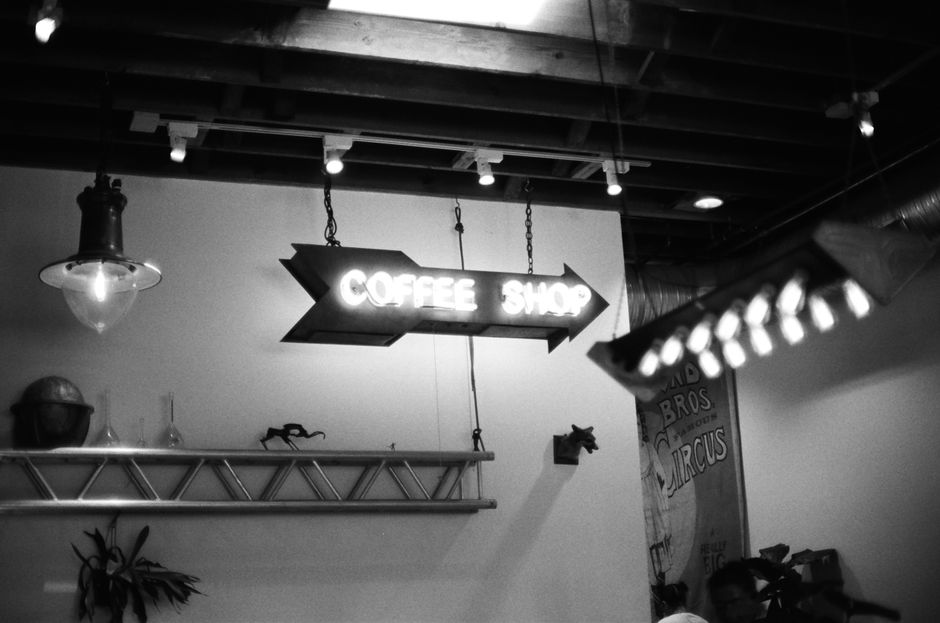
Salt Baked Press is the spot I'd heard mentioned once by a local and then kept finding myself coming back to. It sits near Capitol Hill, which is a weird, historically rich neighborhood that feels less polished than Sugar House but more intentional than some other areas. The cafe is cozy—actual wood, warm lighting, the kind of place you want to stay in when the weather turns.
Their coffee is good without being self-important about it. They've got beans from different roasters, which means you can experiment a little if you're into that. The real standout is their baked goods, particularly their cinnamon rolls, which are enormous and legitimately worth the carbs. I also watched them do a brisk business in sandwiches and savory options, which means if you're camping out all day, you can actually eat.
Wifi is available and works. Seating is a bit tighter than some places, but it's been clearly thought through—corners and niches rather than a big open floor. The crowd is less aggressively Instagram-conscious than some of the more central cafes, which means you get regular people, actual readers, and the kind of workers who are there because it's a good place to work, not because it's the place to be seen. Mornings are quieter; afternoons fill up with the post-lunch crowd. Capitol Hill itself is worth wandering if you're interested in older Salt Lake City history and neighborhood character.
The Roasting House (University Area)
The Roasting House sits near the University of Utah campus, which means it gets foot traffic but doesn't feel like a college bar. This is a genuine roastery with an attached cafe—the kind of place where the coffee knowledge runs deep and you can taste it in the cup.
Their espresso blends are clean and balanced. They offer single-origin options that actually taste distinct from each other, which is the bar I'd set for "knowing what they're doing." The pastries rotate and are generally very good. Croissants, scones, and seasonal items mean there's a reason to try different things across multiple visits.
Seating is plentiful and comfortable, with the kind of layout where you can disappear into a corner with a laptop or plant yourself at a communal table if you want company. Wifi is solid. The crowd is mixed—students, remote workers, people who came specifically for the coffee. The roastery section means there's usually a low hum of actual business happening, which creates nice ambient energy without being distracting. If you're interested in the actual process of coffee—seeing the roasting, talking to people who genuinely know their beans—this is the logical stop. The University area itself is more utilitarian than charming, but the campus has parks and walking paths if you need to get outside after your coffee work session.

Where To Avoid Wasting Your Time
Salt Lake City has chain coffee everywhere, and I'm not here to pretend that matters to my recommendation. There are also some cafes in the downtown tourist corridor that are aggressively mediocre—fine if you're already there, but not worth routing toward. The mall-adjacent cafes near Temple Square trade on location rather than quality, and the coffee reflects that.
Beyond that, the real obstacle in Salt Lake isn't bad coffee—it's that some places are built more for the fifteen-minute transaction than the three-hour work session. Tight seating, no wifi, tables that are clearly meant to turn over. Nothing's wrong with that model, but it doesn't fit what we're doing here.
One practical note: Salt Lake's elevation means altitude adjustment is real for some people, and that caffeine hit lands harder. Keep that in mind if you're coming from sea level and planning to spend an entire day hopping cafes. I'm not making a medical recommendation; I'm just saying I felt it.
Logistics and Actual Tips
Most of these places open somewhere between 6 and 7 a.m., which is early enough that if you're jet-lagged and awake at 5, you've got waiting to do. Closing times range from 5 to 7 p.m., with a few staying open later on weekends. Check before you plan an evening work session.
Wifi passwords are typically available from staff without hassle. All of these places are fine with people camping for hours—this is Salt Lake, not LA—but basic etiquette (keeping volume down, clearing your table when you leave, not sprawling) still applies. Parking varies by neighborhood. Downtown has lots and street parking; Sugar House is trickier but doable; the other neighborhoods are generally fine.
Tipping for coffee is complicated now, I know. Most places have the iPad thing. Contribute what you're comfortable with. The people making coffee are people, whether you tip or not.
Come back to the same place twice. You'll notice different things. The coffee will taste different. And you'll get why people actually care about where they spend their mornings.