
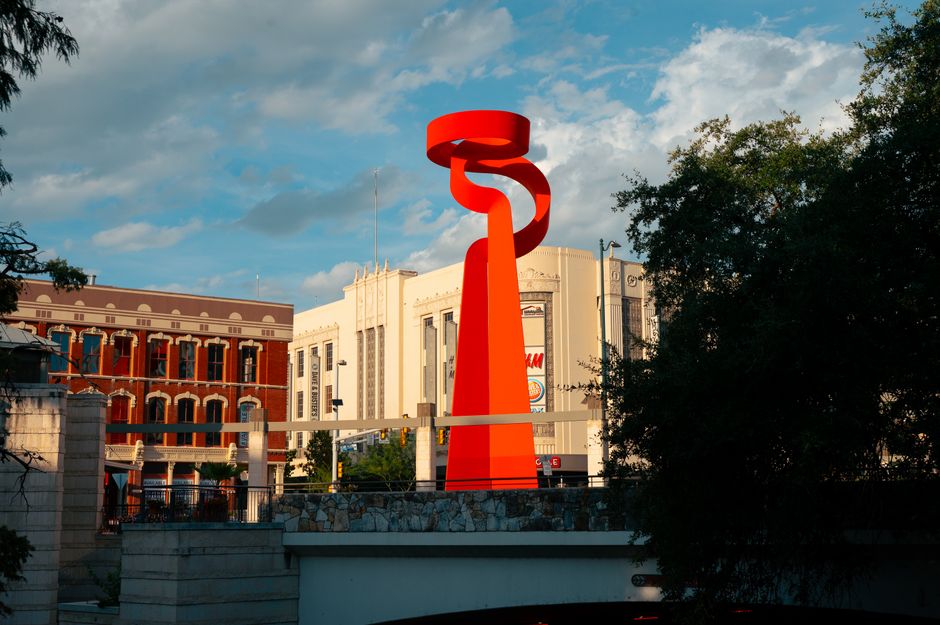
I rolled into San Antonio on a Thursday evening, the kind of trip where you're not really sure what you're walking into. The River Walk was exactly as advertised—crowded, touristy, safe in that way that comes with a thousand other people around. But solo travel isn't about sticking to the River Walk, and San Antonio's big enough that you'll naturally wander into neighborhoods where the calculus shifts.
After a few days walking around, talking to locals at coffee shops and bars, and paying attention to where I felt comfortable at different hours, a clearer picture emerged. San Antonio's safe most of the time, for most travelers. But like any city of 1.5 million people, there are blocks and times of day where your instincts should kick in. The key difference between arriving paranoid and arriving prepared is knowing the distinction between real patterns and imaginary dangers.
General Safety Reality Check
San Antonio's property crime rate hovers above the national average—theft from vehicles, burglaries, petty theft in crowded areas. That's documented in crime statistics and something local police and city officials openly discuss. It's not a war zone narrative; it's the kind of thing that happens in any major Texas city. What matters for you as a solo traveler is less "is San Antonio safe" and more "where do locals watch their belongings and adjust their evening plans."
Violent crime, the thing that actually keeps people awake, is concentrated in specific neighborhoods and is usually not random. You're unlikely to encounter it if you're staying in tourist areas, downtown, or well-maintained residential neighborhoods. The risk calculus changes dramatically after dark in certain areas—specifically some blocks on the east and south sides—but that risk is mostly relevant if you're living there or working there, not passing through for a weekend.
One clear pattern: theft from rental cars and break-ins are common enough that locals don't leave anything visible inside their vehicles, anywhere in the city, ever. That's not an exaggeration—even in the parking lot at the Alamo. Treat your car like you're in any major city and you'll be fine.
Downtown and River Walk (Obvious but Needs Saying)
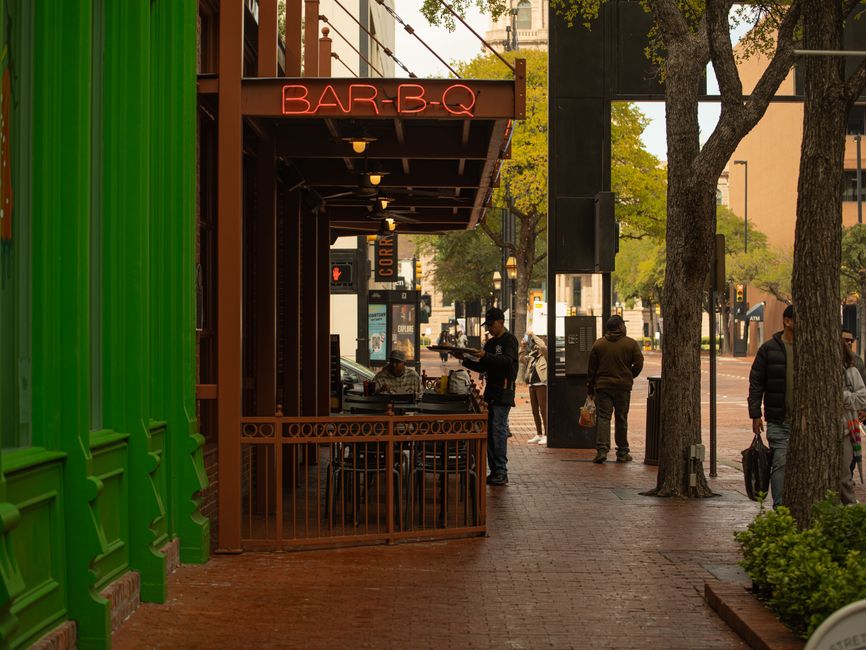
The River Walk is packed, well-lit, heavily policed, and full of tourists. Solo women travel there alone at night without incident constantly. Solo men do too. The biggest risk is petty theft—pickpockets, someone grabbing a phone out of your hand if you're not paying attention—not violence. If you're walking along the water at midnight taking photos, don't look like you're also not paying attention to your surroundings. That's not specific to San Antonio.
Downtown proper—stretching north from the River Walk toward the Pearl District—is gentrifying fast and is genuinely pleasant for walking in the evening. I saw young people, couples, families, solo travelers everywhere. The businesses are nice, there are people around, and it doesn't have that dead-after-6pm feeling some downtowns do. The Pearl itself is aggressively developed and safe in the way new development tends to be. Restaurants, shops, galleries. You'll spend money but you won't feel unsafe.
East Side: What Locals Mean When They Say "Be Careful"
The east side, particularly certain corridors around Houston Street and further out, has higher property and violent crime rates. Locals—not tourists, but people who live and work there—do acknowledge this openly. If you're not staying there deliberately, you probably won't end up there. But if you're renting an Airbnb or getting a deal on a hotel, do a quick check: Is it near a main commercial street or residential area that's actively improving? Or is it isolated blocks away from anything?
The rule that applies here is the same rule that applies in parts of any city: daytime walking is different from nighttime driving. A neighborhood that's fine to grab lunch in during daylight can feel different at 10 PM when you're alone. If you do find yourself on the east side and it's evening, use a rideshare instead of walking between spots. That's what residents do. It's not paranoia; it's logistics.

South Side and South Presa: Contextual Caution
South Presa Street and surrounding blocks have issues with gang activity and associated violence. This is documented, locals know it, and it's not something a travel article needs to soft-pedal. You're also not likely to stumble into it accidentally if you're staying downtown or in the more tourist-heavy zones. The Mission Trail—a genuinely beautiful network of historic Spanish missions south of downtown—is safe to visit during the day and is worth your time. Just don't linger after dark, and use a car or rideshare rather than walking between the missions.
The south side has improving neighborhoods mixed with struggling ones. It's not a place to avoid entirely, but it's also not where most solo travelers spend time without a specific reason. If you're considering a hotel or rental in this area, ask questions. Research the specific block. Look at Google Street View. Don't just go for the lowest price.
Neighborhoods That Are Actually Fine (and Where Solo Travelers Are)
Southtown is where local artists, young professionals, and solo travelers end up. It's south of downtown but distinct from the south side's rougher areas. King William is historic, walkable, and full of restored homes that are now restaurants, galleries, and coffee shops. I spent an evening walking around here and it felt secure—people everywhere, good lighting, the kind of place where residents actually hang out. You can walk here alone at night and see other people doing the same.
Southtown's further out but worth the trip. The galleries and restaurants are genuine, not theme-park versions of culture. It's more neighborhood than tourist zone, which means it actually feels like the city instead of a curated version of it. Most people don't get pickpocketed in Southtown; most people get genuinely good food and find local artists whose work they actually want to buy.
NorthStar is further north, newer, and fine for families and solo travelers—it's mall culture and chain restaurants, so safety-wise it's straightforward. The Museum District is walkable, well-maintained, and active during daytime hours. Alamo Heights is wealthy and residential but not really where you'd spend your solo travel time anyway.
Practical Precautions That Actually Work
Don't leave anything visible in your rental car. Even gym bags, backpacks, water bottles. This is the single most actionable thing you can do to avoid the most common theft in the city. Window smashes happen fast and are annoying to deal with. Pop your stuff in the trunk or bring it with you.
Use rideshare instead of walking between distant neighborhoods after dark, especially if you're unfamiliar with the area. It's not expensive and you remove the entire calculus of whether a particular stretch of street is safe at night. You're also on a time-stamped app record, which adds a layer of security.
Stay aware but not paranoid in crowded spaces like the River Walk, the Alamo, and major malls. Phones, wallets, bags—keep them secured. Don't flash expensive cameras, jewelry, or devices in any public area. This is universal travel sense, not San Antonio-specific.
Trust your gut. If a place feels off or an interaction feels weird, leave. That instinct usually makes sense, even if you can't always articulate why. Traveling solo means you can actually do that—you don't have to negotiate with anyone.
Transit: Driving, Rideshare, and When Walking Makes Sense
San Antonio's VIA public transit system exists, but the city's designed around cars. Solo travelers usually rent one, and that's fine. The roads are straightforward, parking is plentiful, and you'll get around faster than relying on buses. Just don't leave your car unattended with anything visible inside it.
Rideshare works well here and is usually cheap enough that it's easier than figuring out whether a particular walk is safe. If you're unsure—and you probably will be in a city you just arrived in—just get a ride. You're alone, you're navigating unfamiliar territory, and a $7 Uber is worth the certainty.
Walking during the day, especially in downtown, the Pearl, Southtown, and around the missions, is fine and actually recommended. You'll see the city better on foot. But nighttime solo walking should be purposeful—you know where you're going, it's a well-lit route, and there are other people around. Random exploration at midnight is fine if you're with someone or you really know an area. Solo and new to the city, stick to areas where there's ambient activity.
The Bottom Line
San Antonio is safe enough for solo travel. Millions of people visit annually and the vast majority have an uncomplicated experience. Property theft is the real concern, not violence against tourists. Smart precautions—don't leave stuff in your car, don't walk alone at night in unfamiliar areas, use rideshare when you're uncertain—are just regular city sense.
The neighborhoods worth your time are genuine and welcoming. The parts of the city that have real safety issues are neighborhoods you won't accidentally end up in. Do basic research before you book a hotel or rental, keep your wits about you in crowded spaces, and you'll have a good trip. San Antonio's a real city with real neighborhoods, not a theme park, which means both that it's more interesting and that normal caution applies. That's it.


