
I arrived in San Antonio on a humid afternoon in late September, the kind of heat that doesn't break until dark. My first thought wasn't about retirement—it was about finding water and shade. But that's kind of the point. After three days walking the Pearl District, driving out to Boerne, and sitting in coffee shops talking to people who'd moved here after sixty, I started to understand why this city keeps showing up on "best places to retire" lists. It's not because it's perfect. It's because for a lot of people, the tradeoffs actually make sense.
San Antonio isn't trendy or particularly cool, depending on who you ask. The River Walk feels touristy and crowded most hours. The summers are brutal. But the cost of living won't destroy your retirement savings, the healthcare infrastructure is real, and the city has actual neighborhoods—not just condo towers and strip malls. That matters when you're thinking about fifteen, twenty, maybe thirty years in one place.
Cost of Living: The Main Draw
People don't move to San Antonio by accident. Usually it's because they ran the numbers. Housing costs, at least compared to most of the Sun Belt retirement destinations, are genuinely lower. You're not getting deals like you would in a shrinking Rust Belt town, but a two-bedroom house in neighborhoods like Southtown or the near North Side will run substantially less than Austin, Dallas, or anywhere in Florida.
Groceries, utilities, and dining out sit close to the national average. That's not cheap, but it's consistent. Property taxes are where Texas retirees sometimes get surprised—the state has no income tax (a genuine advantage for retirement income), but it makes up ground through property levies. San Antonio's rates are moderate for the state, but you should run the numbers on your specific property value before assuming you're ahead.
Social activities, museums, and entertainment tend to be affordable. The zoo costs less than you'd expect. Theater tickets don't require a second mortgage. That adds up when you're looking at a fixed income spread across years.

Healthcare: Size Matters
San Antonio has solid medical infrastructure. UT Health San Antonio, Methodist Healthcare, and Christus Santa Rosa are major systems with specialists and emergency facilities. If you need routine care—and most retirees do—you won't be driving two hours. The city's population of 1.5 million means there's competitive pressure on quality and pricing, which usually works in a patient's favor.
That said, this isn't a replacement for research. Spend time checking whether your preferred doctors accept Medicare. Look at wait times for specialists. If you have complex medical needs, don't just assume "big city means good hospital." Call ahead. Talk to people already living here about their actual experience getting appointments.
Long-term care facilities and assisted living options exist in range and variety. Some are solid; others are not. The market here is developed enough that you have choices, which is better than many smaller towns offer.
The Climate Reality
Summer in San Antonio runs roughly May through October, and it's hot. We're talking consistent 95-plus degrees, humidity that wraps around you like wet cloth, and air conditioning bills that would've seemed absurd to me in other places. If you're coming from Minnesota or the Northeast, the adjustment is real. Some people thrive in it. Others never stop resenting it.
Winters are mild to nonexistent. You might see a few days in the low 40s, the occasional freeze that doesn't amount to anything. Snow is essentially theoretical. For people with arthritis or joint pain sensitive to cold, that's genuinely valuable. For people who love crisp autumn or real winter, it's a permanent loss.
Spring and fall exist but are compressed. You get a few weeks of perfect weather in March and November. Plan around that if seasonal transitions matter to you.
Southtown and Near South Side: Walkability and Younger Energy
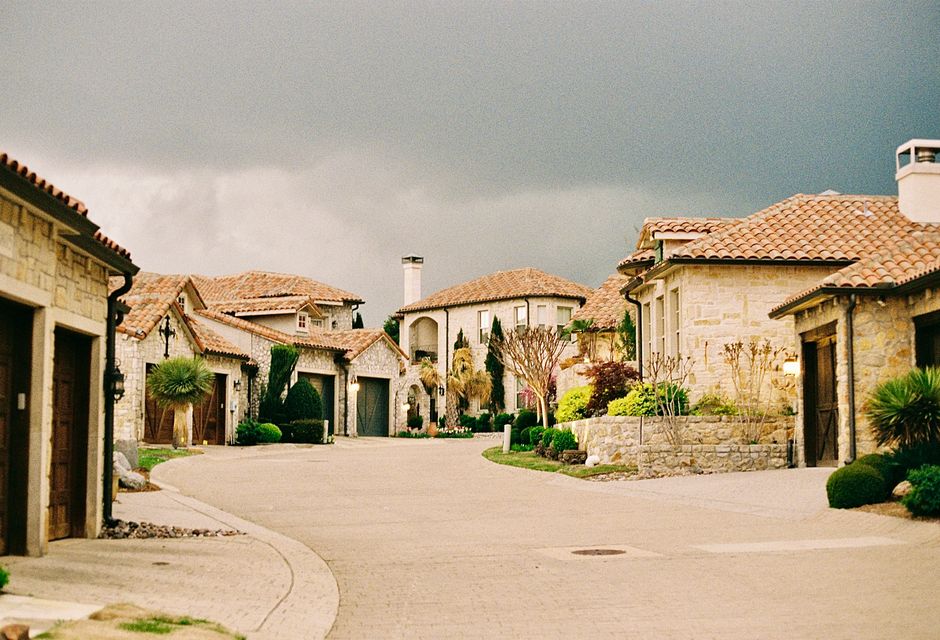
Southtown has absorbed a lot of migration in the last decade—artists, young professionals, retirees willing to embrace that crowd. The neighborhood wraps around the Pearl District, which is where most of the energy is: restaurants, galleries, breweries, coffee shops. Housing ranges from renovated cottages to larger townhomes, often in the $350K-$500K range depending on square footage and exact location.
It works for retirees who want access to culture and don't mind foot traffic. It also works for people who like urban walking—errands are doable without a car most days. The flip side is noise, crowds on weekends, and street parking that requires patience. You're trading quiet for convenience.
Near South Side, just slightly further out, offers similar access but with less density and slightly lower price tags. You'll see more people in their 60s and 70s mixed with younger families. It feels less like you're living in a gallery opening and more like you're living in an actual neighborhood.
Stone Oak and Bulverde: Car-Dependent Comfort
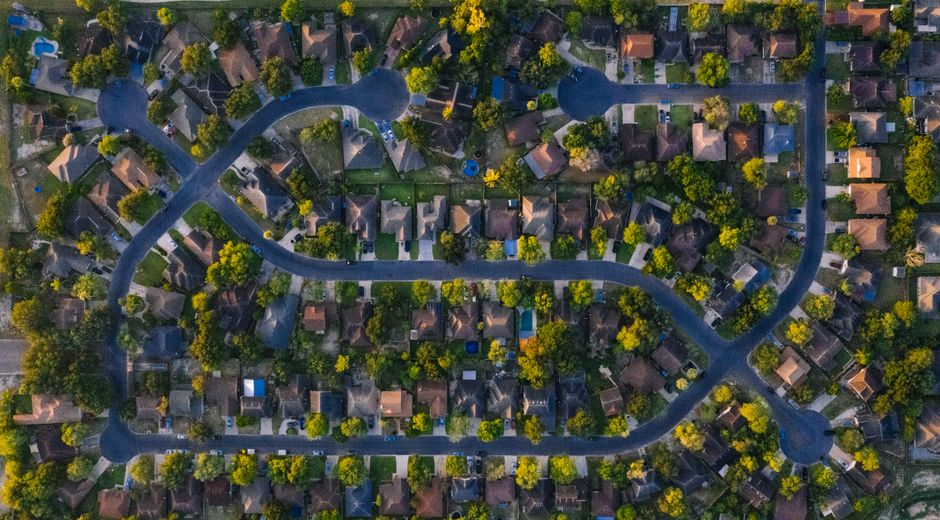
If walkability isn't your priority and you prefer the standard retirement formula—newer construction, golf courses, community amenities, pools—the far North Side (Stone Oak area) and nearby Bulverde are where you'll find it. These neighborhoods are built for that lifestyle, with active-adult communities and planned retirement neighborhoods concentrated there.
Housing is newer and sometimes more expensive than central areas, but you're buying consistency. The tradeoff is total car dependency. There's almost nowhere to walk casually. Dinner out means driving. Running an errand means driving. Some people find that isolating; others find it normal and prefer the quieter surroundings.
Bulverde, which sits about 20 miles north, appeals to people who want even more space and fewer neighbors. It's still within reasonable reach of the city's medical and cultural amenities, but it feels separate. You get Hill Country scenery and acreage without being completely remote.
Boerne: A Small-Town Adjacent Option
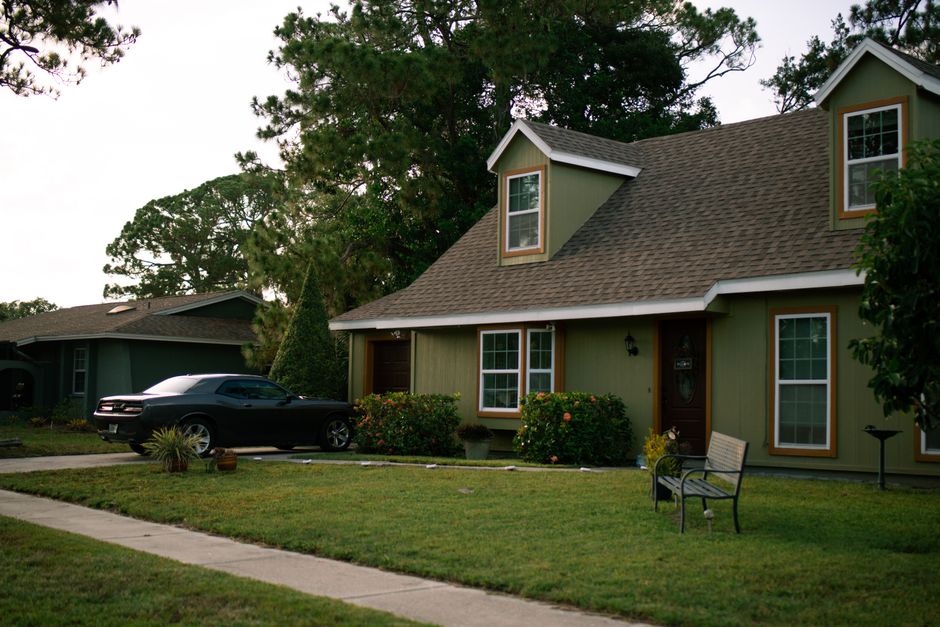
Boerne sits maybe 30 minutes northwest and operates as a psychological escape hatch for people who chose San Antonio but wanted out of the urban grid. It's a real town—genuinely charming in the way small Texas Hill Country towns can be, with downtown restaurants, local character, and significantly less heat trapped in concrete.
Housing costs more out here than you'd expect because the town has become a destination. But people come for the sense of place. You can walk downtown, know business owners by name, and feel like you're part of something smaller. The tradeoff is that hospital access is further away, and you're dependent on the drive for most services.
It works for a specific person: someone who wants the San Antonio safety net but doesn't want to live in San Antonio's sprawl and heat. If that's you, it's worth a long visit before committing.
Taxes and Financial Logistics
Texas has no state income tax. That's real and matters, especially for retirees with retirement account withdrawals or continued income. Whether it pencils out in your favor depends entirely on your tax profile—speak to a tax professional who knows Texas before moving based on that assumption.
Property taxes fund schools and local services, so they're higher than in states with income taxes. San Antonio's rates are moderate for Texas. Sales tax, including local options, runs around 8.25%, which is close to average nationally.
The point: don't assume Texas is automatically cheaper. Run specific numbers on your situation. Retirees with substantial investment income and paid-off property sometimes win big. Others don't. The state structure is transparent, which is valuable, but it's not automatically advantageous for everyone.
The Real Fit Question
San Antonio works best for people with a specific profile: you want actual urban services and healthcare without paying Austin or Dallas prices; you can tolerate or enjoy the heat; you're okay with sprawl and car dependency in most areas; and you like Tex-Mex food and Mexican cultural influence as a permanent part of your environment. If that's you, the city has genuine advantages.
It doesn't work as well if you need cold winters for health reasons, if you're extremely heat-sensitive, if you need world-class medical specialists for complex conditions, or if you're looking for cultural institutions at the level of major northeastern cities.
Visit for a month if you can. Stay in different neighborhoods. Drive out to hospitals during business hours and look at wait times. Sit in summer heat and actually experience it, not just imagine it. Retirement is too long to live somewhere you resent for eight months of the year. San Antonio's value proposition is real, but only if it matches what you actually want.


