
I showed up in San Antonio on a Thursday afternoon expecting to spend three days ticking boxes. The Alamo. The River Walk. Pearl. The missions if I had time. I'd read the usual travel blog consensus—all essential, all unmissable. By day two I was annoyed at myself for wasting four hours in lines, and by day three I'd actually found what makes this city worth the trip. Some of what everyone tells you to do is either exhausting or genuinely less interesting than the alternatives nearby.
The thing about San Antonio is that it's a real city, not a theme park. It has 1.5 million people, serious museums, a working cultural scene, and neighborhoods where locals actually eat and hang out. The tourist core exists, sure, but if you're willing to shift even a few blocks, you'll eat better, spend less, and see something that doesn't feel like it was designed for your phone.
The Alamo: Historic but Crowded
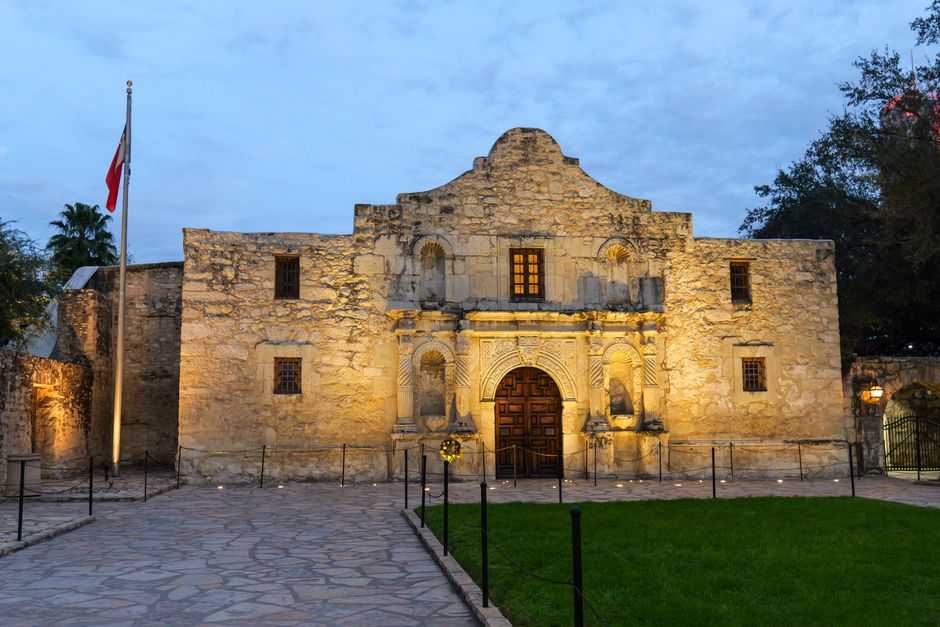
I get why it matters. The Alamo is genuinely significant—Texas independence, 1836, all of it. And the building itself, sitting in downtown San Antonio surrounded by modern storefronts, is a real artifact. But here's the honest part: you'll spend 45 minutes waiting outside, another hour shuffling through with a thousand other people, and maybe 20 minutes actually looking at anything. The interior is small. There's no air conditioning in parts of it. The exhibits, while legitimate, feel cramped and overcrowded.
If you care about that specific moment in history, go. Pay the admission, get the context. But don't feel obligated to stand in line for two hours in July heat because a blog said it's essential. You can see the building's exterior in five minutes from the street, and honestly, a lot of visitors leave feeling like they checked a box rather than experienced something.
The River Walk: Pretty, Overrated, Sometimes Overpriced
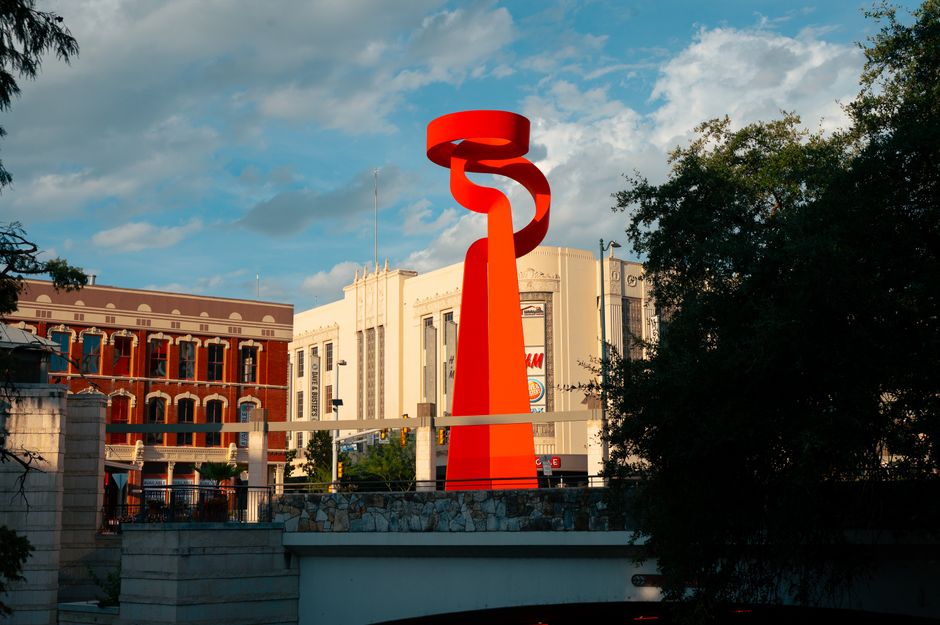
The River Walk is objectively lovely. There's no denying that. A man-made channel lined with restaurants, bars, and riverside paths does create a pleasant walk, especially in the evening when the lights are on. But it's also extremely touristy, extremely crowded, and the restaurants charging premium prices for mediocre Tex-Mex and nachos are banking on the fact that you're trapped there with limited options.
Worth a stroll? Sure. Worth multiple visits or a long dinner? I'd reconsider. If you do eat there, pick a spot off the main drag—the side channels have less foot traffic and slightly less price gouging. Or better yet, walk it once for the experience, take your photos, and then actually eat somewhere else.
Pearl: Gentrified but Actually Legitimate
Pearl Brewery gets lumped into the "overrated" category by people who resent its transformation from industrial site to upscale dining and shopping complex. And I understand the complaint—it's expensive, it's polished, it caters to money. But it's also genuinely well done. The architecture has been preserved, the restaurants are actually good, and the mix of local shops, bookstores, and coffee places feels less artificial than you'd expect.
The key is going in with the right mindset. Don't expect bargain prices or hidden-gem authenticity—this is a curated, expensive experience. But if you want one really solid meal, a walk through a thoughtfully designed space, or even just to sit with coffee and people-watch, it's worth the visit. Just don't stay for eight hours like the Instagram tourists do. Two hours, one good meal, out.
The Missions: Actually Rewarding, Less Crowded
South of downtown, there are four Spanish colonial missions scattered along the San Antonio River—Mission Concepción, Mission San José, Mission San Juan, and Mission Espada. They're UNESCO World Heritage Sites. They're centuries old. And they're dramatically less crowded than the Alamo, which is wild given that they're arguably more architecturally interesting and historically significant.
I spent an afternoon biking between them (you can rent bikes from a dozen spots downtown). Mission San José is the most impressive—you can walk inside the church, see the original stonework and carvings, and actually stand in a place that's been actively used for over 300 years. There's space to breathe. You're not pushing through crowds. And the surrounding area—tree-lined paths, quiet neighborhoods—actually feels like you're exploring something rather than consuming a tourist checkpoint. Entry is free or a small donation.
Southtown and the Blue Star Arts Complex
If you want to see what San Antonio's actual art community looks like—not the polished, Instagram-friendly version—head to the Blue Star Arts Complex in Southtown. It's a cluster of artist studios, galleries, and independent shops in converted warehouses on South Alamo Street. On First Friday of each month, studios open, artists are working, and you can actually talk to people making things instead of just looking at finished work behind glass.
Even on regular days, it's worth an hour or two. The galleries change, there's a good coffee shop (Rosella Coffee), and you'll see young artists, experimental work, and a functioning creative community that doesn't exist in the tourist-heavy areas. And if you're hungry, the restaurants around there—Southtown institutions that locals actually frequent—are better and cheaper than what you'll find downtown.
Market Square and Casa Navarra: Authentic Over Airbrushed
Market Square (El Mercado) is chaotic, loud, crowded, and totally worth your time if you approach it right. It's the largest Mexican market in the US, and it's where actual residents shop, not just tourists. Yes, there are tourist-facing stalls, but if you navigate past those, you'll find produce vendors, butchers, cheese shops, and restaurants where you're the only English speaker in the room.
Casa Navarra, upstairs in the market, is where I had one of my best meals in the city. It's a family-run restaurant that's been there for decades. You get real mole, proper carne guisada, fresh tortillas. It's not Instagram-pretty. The menu is in Spanish. But a full meal with a drink costs about $12, and the food is a hundred times better than what you'd eat at a River Walk restaurant for three times the price. This is what San Antonio actually tastes like.
What to Actually Do With Your Time
Skip the lines at the Alamo and bike to the missions. Skip the River Walk's overpriced dinners and eat real food at Market Square. Walk through Pearl once, but spend your leisure time in Southtown, where you'll actually see a city instead of a tourism infrastructure. The Brackenridge Park museums—the art museum, natural history—are solid and not nearly as crowded as you'd think.
What makes San Antonio worth a visit isn't the attractions that everyone lists. It's the neighborhoods, the real restaurants, the actual city underneath the tourist layer. It takes about two days to figure out the difference. By day three you'll be eating better, spending less, and seeing something real.
Frequently Asked Questions
Is the Alamo worth visiting in San Antonio?
Yes if you care about Texas history, but manage expectations. It's small, crowded, and the experience can feel rushed. You can see the building from the street in five minutes, or plan 2-3 hours if you want to go inside and read the exhibits carefully. Go early morning on a weekday if you're committed.
What's better to visit instead of the River Walk in San Antonio?
The missions south of downtown (especially Mission San José) are more architecturally interesting, less crowded, and free or low-cost. The Blue Star Arts Complex in Southtown is better for art and actual local culture. Market Square offers better food at better prices than River Walk restaurants.
Is Pearl Brewery worth going to San Antonio?
It's worth one visit if you enjoy upscale dining and design, but don't plan your whole trip around it. Go for one meal or a coffee walk, then explore other areas. It's genuinely well-done but expensive and can feel manufactured compared to neighborhoods like Southtown.
Where do locals actually eat in San Antonio?
Market Square (El Mercado), especially Casa Navarra upstairs, serves authentic food at local prices. Southtown has neighborhood restaurants that cater to residents. For tacos and breakfast tacos, skip touristy spots and look for family-run taco stands in working neighborhoods south and east of downtown.
Which one would you visit?


