
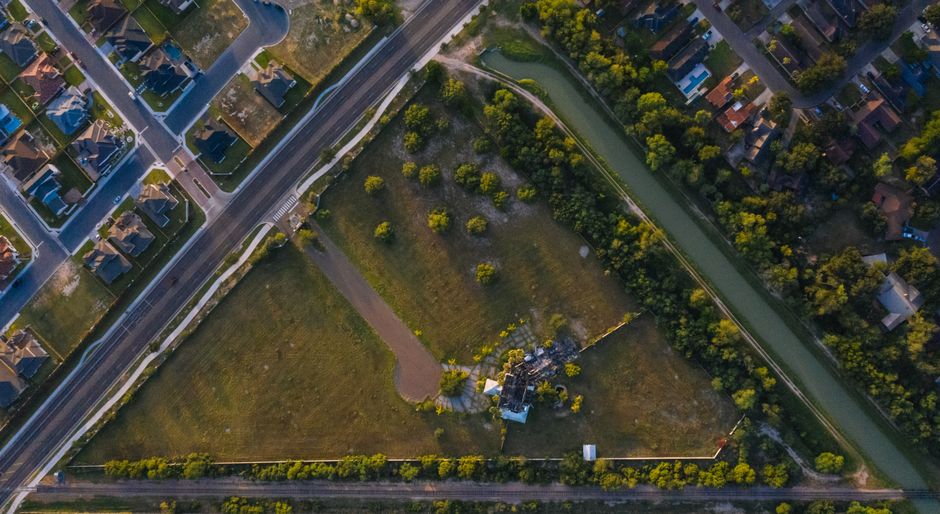
I've spent enough time in San Antonio to know that saying "I'm moving to San Antonio" doesn't actually mean anything until you pick a neighborhood. The city sprawls across 500 square miles, and the difference between living in Southtown versus Stone Oak is night and day — different income brackets, different crowds, different reasons people choose to be there.
I drove through most of these areas over a couple months, sat in coffee shops, walked the streets on weekends and Tuesday afternoons. You get a feel for a place when you see who's walking around at 10 a.m. and what they're carrying. This guide covers the neighborhoods that actually matter if you're choosing where to land: places with real character, reasonable housing stock, and a reason to pick one over the others.
Downtown and the River Walk: Walkable, Touristy, Expensive
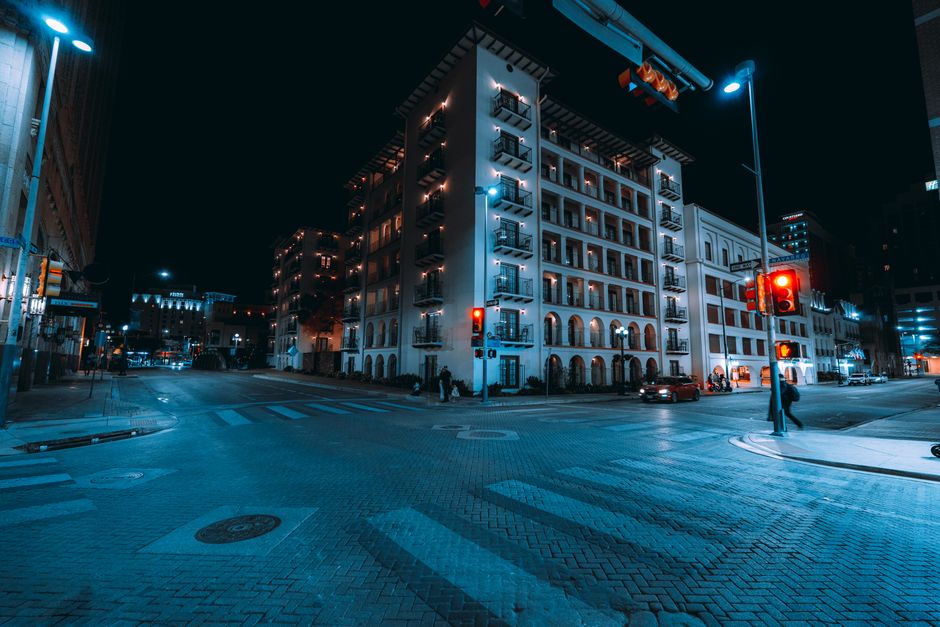
Downtown San Antonio is loud, pedestrian-heavy, and absolutely packed with tourists. The River Walk itself—that barge-canal system lined with restaurants and bars—is exactly what it looks like in photos: crowded, retail-heavy, and designed for people who want to walk outside their hotel and eat instantly.
But here's the thing: if you actually live in downtown, you're not using the River Walk the way tourists do. You're walking to work, grabbing coffee at a café that doesn't have a three-person-deep queue, and you're dealing with parking that costs $15 a day if you're lucky. Housing is expensive for San Antonio—condos and lofts in the converted warehouse district start around $400k, and you're not getting much square footage. Rents for a two-bedroom in the core area run $1,800 to $2,400 a month.
Who lives here? Young professionals working downtown, people who've sold a house elsewhere and want urban density, out-of-state transplants who haven't figured out yet that they could live somewhere cheaper and drive ten minutes. It works if you don't own a car, if your job is literally downtown, or if you're visiting and want maximum walkability. Otherwise, it's a vanity address with genuine foot traffic.

Pearl District: New Money, Coffee Shops, and Instagram Vibes
Pearl used to be a warehouse district. Now it's the neighborhood where your friend moved and suddenly started posting photos of new restaurants every other week. The transformation happened in the last 15 years—converted lofts, a farmer's market that runs year-round, boutique hotels, and a grocery store so aggressively upscale you half-expect someone to bow when you enter.
Housing prices reflect the gentrification completely. Condos run $500k to $1 million-plus. Rents are comparable to downtown—$1,700 to $2,200 for a two-bedroom. The neighborhood has a young professional vibe, lots of people in tech and creative industries, plenty of weekend foot traffic, and the kind of density where you'll run into the same people at three different coffee shops.
Pearl works if you have money, if you like curated neighborhoods, and if you don't mind paying for the atmosphere. The food scene is solid. The walkability is real. The parking is still a pain. It's aggressively new—everything feels five years old, nothing feels like it has roots. That appeals to some people. It exhausted me after a weekend.
Southtown: Artists, Galleries, and Actual Affordability
Southtown is South St. Mary's Street, roughly from downtown south to South Alamo Street. It's got murals, thrift stores, galleries in converted homes, taco shops that have been there for 25 years, and the kind of street energy that doesn't feel manufactured.
Housing is genuinely affordable by San Antonio standards. You can rent a two-bedroom house for $1,200 to $1,600 a month. Buying is more reasonable than downtown or Pearl—houses in the $250k to $400k range are legitimate options. The neighborhood is mixed income, mixed age, mixed everything. Artists started moving here because rent was cheap, galleries followed, and now it's the kind of place where your neighbor might be a muralist or a retired nurse or someone's tía who's been in that house since 1987.
Southtown suits artists, students, people who care more about authenticity than amenities, and anyone who wants to be in an actual, functioning neighborhood instead of a branded district. The infrastructure is older—you'll deal with street parking, smaller lots, older utilities. The food is cheap and real. The nightlife is low-key. There's a farmers market on Saturday. It doesn't feel like it's trying to be anything other than what it is.
The Quarry and Stone Oak: Master-Planned, Family-Oriented, North-Side Growth
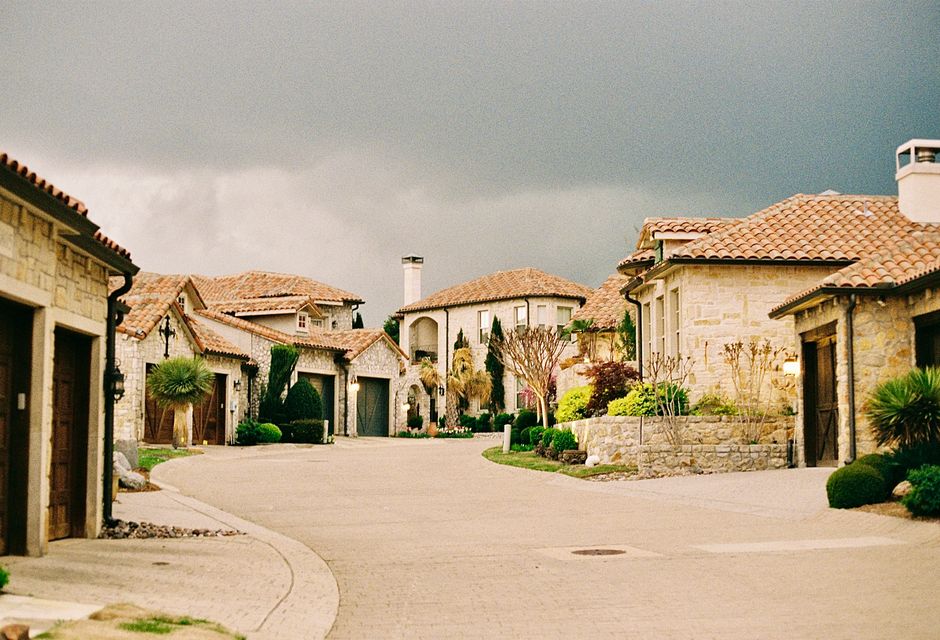
The Quarry is a planned neighborhood built around a converted quarry pit north of downtown. It has that obvious development-company feel: wide streets with names like Quarry Parkway, a golf course, a shopping center, and homes that were all built in the last 20 years.
Stone Oak is a larger area further north, similar vibe—newer, planned, family-focused. Think good schools, parks with splash pads, parking lots instead of street parking, and the kind of neighborhoods where you drive to everything. Housing prices are mid-range: homes run $350k to $600k depending on size and age. Rentals are cheaper than central areas—$1,300 to $1,800 for a two-bedroom.
Both neighborhoods suit families with kids, people who prioritize schools and safety, anyone relocating from suburbs and wanting the same suburban experience. They're pleasant, they're well-maintained, and they have zero character. If you're moving to San Antonio for that specific reason and you've done the school research, these neighborhoods make total sense. If you're moving for culture or walkability, you'll be driving 20 minutes to find it.
Alamo Heights: Old Money, Tree-Lined Streets, Retirees and Empty Nesters
Alamo Heights is north-central, incorporated as its own town, and it's where people with established wealth live without trying too hard. The streets are wide, lined with 40-year-old trees, and the houses sit back from the road. You'll see both old money estates and mid-size homes that still cost $700k because the neighborhood commands that premium.
It's quiet. Genuinely quiet. You can walk to a coffee shop or a small retail area, but mostly people drive. The schools are considered the best in the area. The neighborhood attracts retired professionals, couples whose kids have moved out, people who sold houses in Austin or Dallas and relocated to somewhere cheaper but still upscale.
Rental inventory is low because people don't typically leave. When homes do rent, expect $2,000 to $2,800 for something decent. Buying is expensive—entry point is probably $550k to $650k for an older, smaller house. It's not showy. It's not trendy. It's the neighborhood you move to when you've made your money and want peace and good schools. If that's your situation, it's excellent. If you want nightlife or walkability, you're not finding it here.
Monte Vista: Mid-Century Character, Mixed Income, Underrated
Monte Vista is just west of downtown, past the river, and it's filled with mid-century homes from the 1940s through 1960s. The neighborhood wasn't gentrified the way some others have been—it stayed genuinely mixed, with young families, longtime residents, and people who just happened to buy here and stick around.
You'll find actual character here: original hardwood floors, tall ceilings, homes with personality instead of spec-built sameness. Housing prices reflect that—homes run $400k to $650k, and you're actually getting a house with a story instead of a blank slate. The neighborhood is walkable enough to have a corner bar, a couple of cafés, and some local restaurants, but it doesn't feel designed for foot traffic the way downtown does.
Monte Vista works for people who value individuality over planning, families who want older neighborhoods with mature trees, anyone who appreciates 1950s architecture and can handle quirks that come with older homes. Parking is on the street. Some of the utilities are original. The neighborhood isn't going through a transformation—it's just steadily stable and real. It attracts a mix of ages and backgrounds, which keeps it from feeling exclusive or isolated.
Where to Actually Live: The Honest Assessment
If you're visiting San Antonio, stay downtown or near the River Walk. You'll hate parking, but you won't need a car.
If you're moving here with a family and you care about schools, look at the Quarry or Stone Oak. Accept that you're trading character for infrastructure. It's not a bad trade—it's just a trade.
If you have money and want walkable nightlife, Pearl works. It's expensive, it's new, and it delivers exactly what it promises.
If you want to actually live in San Antonio—in a neighborhood that feels like a place instead of a product—Southtown or Monte Vista are your best bets. You'll pay less, you'll get more space, and you'll be in neighborhoods where people's roots actually matter.
Alamo Heights if you're done with all of this and just want quiet and good schools and you can afford it. That's not a bad goal either.
Frequently Asked Questions
what is the safest neighborhood in San Antonio Texas
Alamo Heights and Stone Oak consistently rank highest for safety—both are well-maintained, have strong police presence, and are primarily residential areas with low crime rates. Terrell Hills and the Quarry also report lower incident rates than central San Antonio. Safety varies by block in mixed neighborhoods like Southtown and downtown, so specific streets matter more than the neighborhood as a whole.
where should I live in San Antonio if I work downtown
Downtown, Pearl District, and Southtown are all close enough to commute without traffic taking over your life. Downtown offers walkability but high costs. Pearl has better restaurants and newer amenities. Southtown is cheapest with real neighborhood feel. Monte Vista is a solid middle ground—20 minutes to downtown, older character, mid-range prices.
which San Antonio neighborhood is best for families with kids
The Quarry and Stone Oak are purpose-built for families with the best-rated schools, parks, and suburban infrastructure. Alamo Heights is excellent if you can afford $700k-plus homes and want established schools and quiet streets. Monte Vista works for families who prefer older neighborhoods with character over new construction.
is San Antonio downtown safe to visit
Downtown is generally safe during the day and early evening when crowds are present, especially along the River Walk and main tourist corridors. Late night safety depends on your awareness and which blocks you're on—stay on well-lit, populated streets. The area has a police presence, but nighttime safety is lower than daytime; use standard urban precaution.
Which neighborhood catches your eye?


