
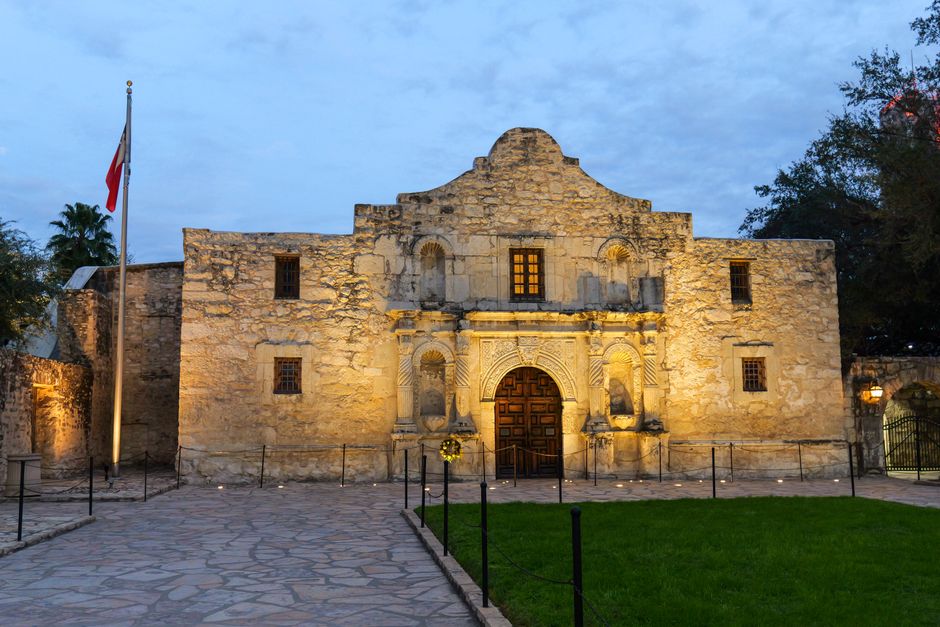
I landed in San Antonio on a Wednesday afternoon with the kind of expectations you get from a hundred Instagram photos and every travel guide's top-10 list. The Alamo, the River Walk, the missions—all of it seemed mandatory. But after a week of actually moving through the city instead of just hitting checkboxes, I walked away with a completely different San Antonio in my head than the one I arrived with.
Don't get me wrong. Some of those famous spots are famous for real reasons. But there's also a whole other side of this city that rarely makes it into the mainstream travel narrative, and that's where I found the stuff worth remembering. Here's what I actually think after spending real time here.
The River Walk Is Packed for a Reason (That Doesn't Mean You Need to Spend Hours There)
The River Walk works. It's attractive, walkable, and there's food and drink within arm's reach the entire time. But the version that shows up in photos—quiet, romantic, picturesque—happens for maybe 90 minutes a day, usually right when the sun's coming up. After 10 a.m., you're shuffling through what amounts to an outdoor mall with a river running through it.
I spent one evening down there, and it was fine. The river level is pleasant to walk alongside, some of the restaurants are legitimately good, and yeah, it's cooler than being up on street level in the Texas heat. But it's also aggressively commercialized, and the markup on everything—drinks, food, attractions—reflects that captive audience premium. You'll see families with strollers, bachelorette parties in matching shirts, and tour groups moving like schools of fish. If you're just looking for a nice walk and some dinner, you can find better value and atmosphere about five minutes in any direction.
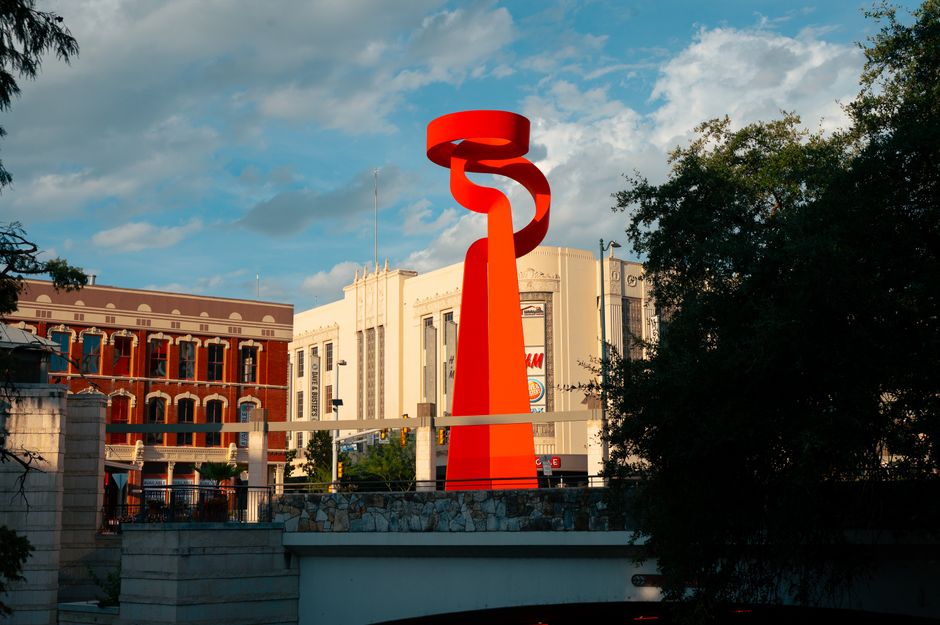
The Alamo: Important, But Maybe Not a Two-Hour Stop
The Alamo matters. I get it. But what's interesting about it takes maybe 30 minutes if you actually read things, not three hours of standing in line for selfies. The mission itself is small, the exhibits are straightforward, and unless you're deep into Texas history or military architecture, a lot of it is going to feel repetitive.
The real problem is the crowd management. On a Tuesday, it was still packed shoulder-to-shoulder in spaces that were built in the 1700s and definitely not designed for 3,000 daily visitors. I'd recommend going early—like before 9 a.m.—or skipping it entirely if you're the type who gets frustrated in crowds. You'll get the story from a dozen other sources, and honestly, the broader San Antonio mission story is better told elsewhere.
Pearl Brewery District: Lately Feels Like Every Other Trendy Neighborhood
Pearl has gentrified itself into irrelevance, at least for the specific reason I think people should visit San Antonio. It's nice enough—restored warehouse buildings, good restaurants, a weekend farmers market—but you could plop this exact setup in Austin, Portland, or Brooklyn and not know the difference. It's become a playground for people with money, mostly.
The restaurants are solid. I had a good meal there. But expect to pay high-end prices for food that's no better than what you'll find a few blocks away for half the cost. It's a good spot if you're meeting friends or you specifically want a nice dinner, but it doesn't tell you much about what San Antonio actually is.
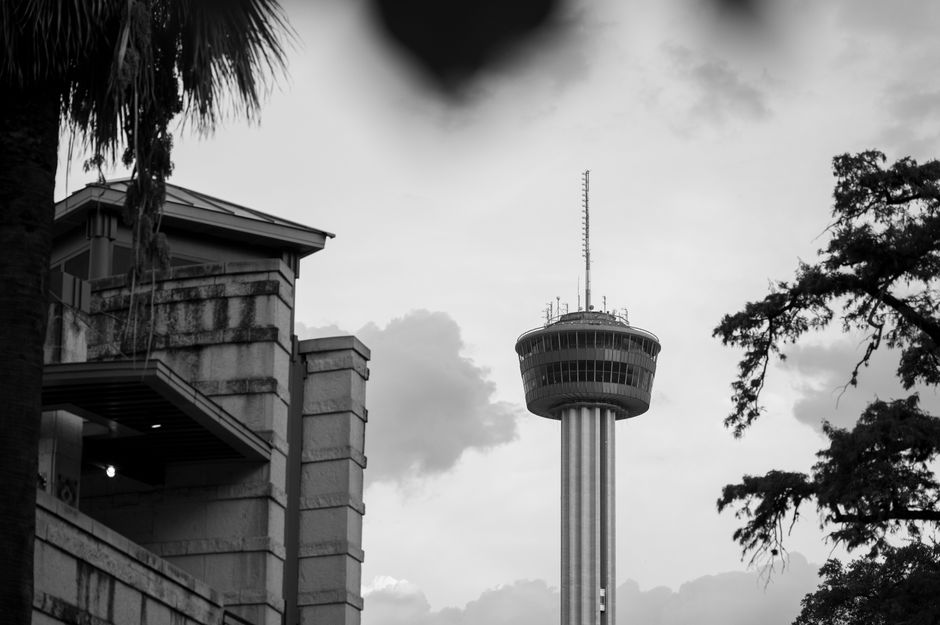
Southtown: This Is Where the Actual Culture Is
Southtown—the neighborhood south of downtown around South Flores Street—is where I'd spend my second trip to San Antonio. It's where the art community actually lives and works, where you'll find murals that aren't there for Instagram, and where restaurants are still making decisions based on what they want to cook, not what will photograph well.
The Blue Star Arts Complex is a former warehouse that now houses artist studios, galleries, and a couple of casual restaurants. You can walk through, talk to actual painters and sculptors about their work, and it costs nothing. On weekends, the whole district fills up with people who live in San Antonio, not tourists from out of state. The vibe is low-key and unpretentious in a way that Pearl will never manage again. If I had only one afternoon in the city, I'd spend it here instead of anywhere downtown.
Mission Trail: Worth It, But Not the Overcrowded Tourist Version
The four Spanish colonial missions—Mission Concepción, Mission San José, Mission San Juan, and Mission Espada—are actually remarkable. They're UNESCO sites, they have real architectural and historical significance, and they're genuinely atmospheric. The problem is they're often packaged as a tourist activity with guides and gift shops and the whole apparatus.
If you're willing to visit them the way locals actually do—rent a bike, grab a cheap map, bring some water—they're some of the most striking historic structures in Texas. Mission San José in particular is stunning, with a carved stone facade that's just extraordinary. You can sit in the courtyards for free, they're usually quiet, and you get a sense of what these places actually were instead of what we've turned them into for tourism. Bring a camera, take your time, and skip the official tour.
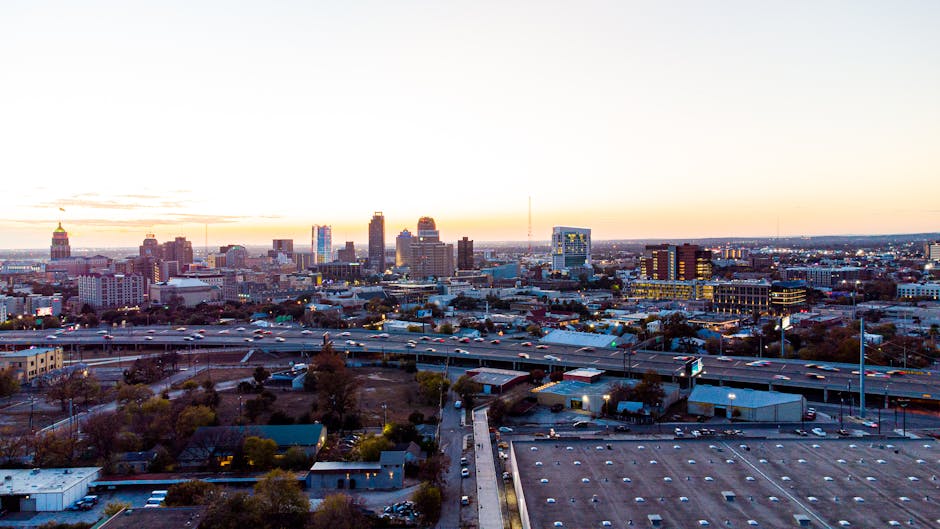
La Villita: Overcrowded, But the Bars Just North of Here Are Better Anyway
La Villita is a "historic neighborhood" a few blocks south of the Alamo that's been carefully preserved and heavily commercialized. It's got cobblestones, craft shops, and restaurants, and it's very much designed to look authentic while being anything but. On a weekend, it's thick with tourist groups and families in matching shirts.
Instead, skip north to the Southtown bar scene around Houston Street. Less orchestrated, better drinks (and cheaper), and you're actually mixing with people who live here. The Luxury Bar makes a drink worth the trip. Southtown Cocktail Lounge has interesting stuff. You're not paying "tourist area" prices, and the bartenders actually seem to care about what they're doing.
The Japanese Tea Garden: Hidden in Plain Sight
Most visitors never find this. It's tucked into Brackenridge Park, about 10 minutes from downtown, and it's peaceful in a way nothing else in the city is. Koi ponds, a traditional tea house, stone lanterns, walking paths bordered by bamboo and native plants. There's a small entrance fee—I think it was around $7—and it's worth every cent.
I spent an hour there on a Thursday morning and saw maybe a dozen other people the entire time. It's the kind of place where you can actually sit and think, or read, or just breathe without having to navigate crowds. If you're the type of traveler who needs moments of quiet and space, this is essential. It completely shifts the tone of a San Antonio trip away from the hectic "hit the landmarks" energy that the city's main attractions push you toward.
Market Square (El Mercado) Versus San Antonio's Actual Markets
Market Square is a tourist-branded version of a Mexican market—basically a mall with enchilada stands and souvenir shops. The food is decent and cheap, and it's worth a stop if you're nearby. But it's specifically designed as a tourist attraction, and there's no pretending otherwise.
If you want to actually see how San Antonio's Mexican-American community shops, eats, and moves through the city, go to Mercado Espana on the south side. It's a real neighborhood market with actual local food, cheaper prices, and the kind of authenticity that can't be designed or packaged. Grab some breakfast, watch how people who actually live in San Antonio move through the space, and you'll understand the city better in 30 minutes than you will at Market Square in an afternoon.


