
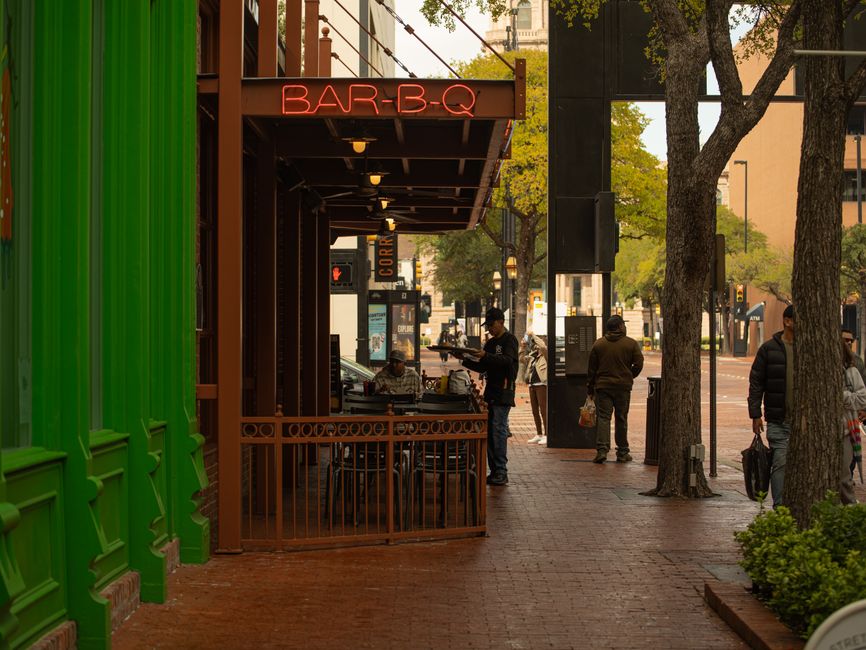
I landed in San Antonio on a Thursday afternoon with the kind of jet lag that makes you either brilliant or useless—there's no middle ground. After three hours of scrolling Airbnb listings with the focus of someone defrosting a freezer, I realized that knowing *where* to stay mattered a lot more than I'd figured. The difference between booking a place in, say, the Southtown versus the Medical District is the difference between walking to dinner at 10 p.m. feeling fine and calling an Uber from your apartment at 6 p.m. because there's literally nothing around.
San Antonio's a sprawling city that doesn't always reward wandering. The neighborhoods worth considering for a short stay are concentrated, thankfully, and they've got distinct personalities. Some lean toward the Instagram crowd, some toward people who actually live their lives here, and some are the awkward middle where you're never quite sure what's happening. I spent two weeks moving between them, and these five are the ones where Airbnb made sense.
Southtown: Where Young San Antonio Actually Happens
Southtown sits just south of downtown, below Houston Street roughly, and it's the neighborhood that makes locals actually want to hang out on a Friday night instead of just talking about hanging out. It's walkable in a real way—you can hit galleries on South Alamo, grab coffee at one of three decent spots within six blocks, and end up at a bar that doesn't feel like it's performing being a bar.
The energy here tilts young and creative without feeling completely colonized by it yet. You'll see murals, sure, but they're not all strategically photographed. There are actual residents who've been here five years, not five months. Safety-wise, it's solid, especially on the main drags and the better-lit blocks. Late night, say past midnight, you want to stick to the busier routes—Pearl Brewery's right next door and pulls crowds, which helps.
Nightly rates for a decent one-bedroom run $120 to $180 most nights, higher during Fiesta. It's not cheap, but you're paying for walkability and a neighborhood that doesn't feel generic. The trade-off is that Southtown can get loud on weekends if you're sensitive to bar noise, and parking on the street is a scramble after 8 p.m.
Pearl District: Upscale and Convenient, If You Like That Sort of Thing
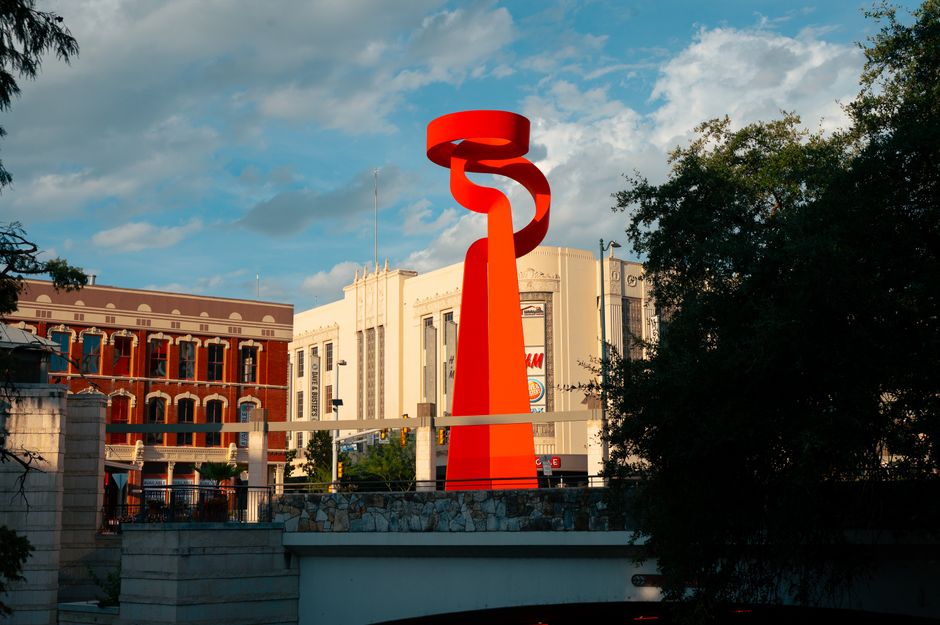
The Pearl Brewery complex, a few blocks north of Southtown, is the neighborhood for people who want to walk to restaurants and shops and don't mind paying for the privilege. It's genuinely safe at all hours. Walkability is excellent by San Antonio standards—the Pearl itself is basically a pedestrian village, and you can loop between restaurants, boutiques, and bars without thinking about it much.
The catch is that it feels a bit designed, like someone sat down and decided what a nice neighborhood should be and then built it. That's not a knock, necessarily—the execution is solid, and the restaurants are actual restaurants, not investments disguised as dining. Nightlife here is upscale-casual. You won't find dive bars or late-night revelry, but you'll find a good wine bar, a brewery, places where normal adults with jobs spend money.
Expect $180 to $280 per night for a one-bedroom, sometimes more. It's the price of proximity and polish. If you want to walk everywhere but don't want to navigate anything rough, Pearl is your answer. If you want to feel like you're experiencing San Antonio rather than a themed version of San Antonio, keep looking.
Alamo Heights: Residential, Calm, and Slightly Removed
Alamo Heights is a small, incorporated area north of downtown—basically its own city—and it's wealthy and quiet in a way that makes it feel completely different from the rest of San Antonio. Tree-lined streets, good schools, the kind of place where people have lived for 25 years and plan to die here.
Walkability is fine if you're okay with walking four blocks to get anywhere. There's a small central area around North Star Mall with restaurants and shops, and you can move around that cluster on foot. Beyond that, you're relying on a car. Safety is excellent, nightlife is almost nonexistent—which is the point. You come here to sleep well, eat reasonably good food, and not deal with any surprises.
Nightly rates are $100 to $160, surprisingly reasonable for how quiet and safe it is. The trade-off is obvious: you're living as a tourist in a neighborhood where tourists don't belong. It's fine for a week if you plan to spend your days elsewhere, but it's isolating if you want your Airbnb to be your social center.
San Antonio College Area: Walkable, Younger, Cheaper
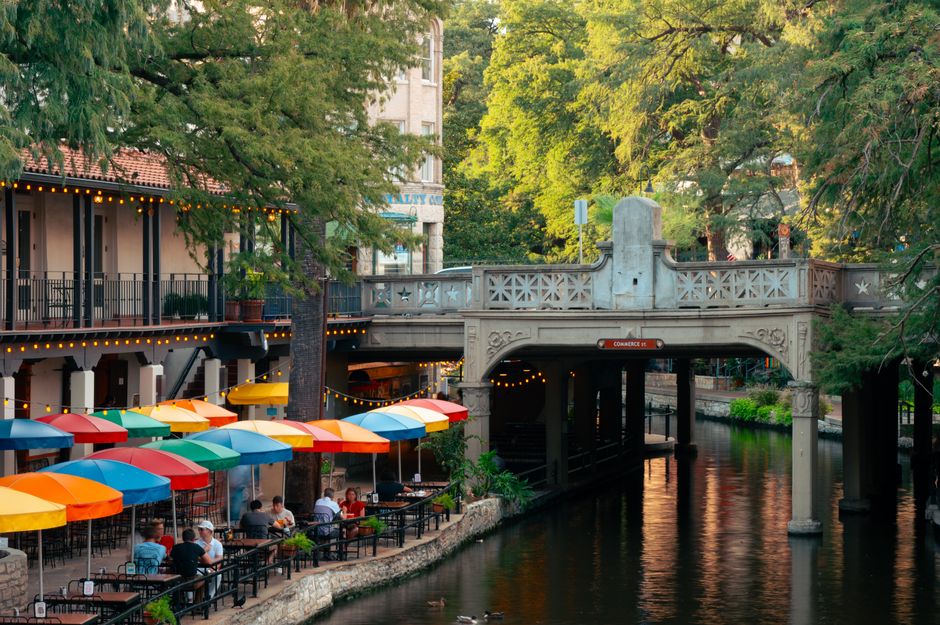
The neighborhood around San Antonio College, north-central near the zoo, is what Southtown might have been five years ago—still affordable, still developing its identity, with young people and some legitimate bones to the place. It's walkable around the central area, and you can find tacos, coffee, and bars within a reasonable walk.
Safety here depends on specific blocks. The main stretches and the areas closer to the zoo are fine. Some side streets are less consistent, and nighttime walking works better in groups. But it doesn't feel dangerous, just less policed and less developed than Southtown. Nightlife is real but low-key—neighborhood bars, not destinations.
Rates run $85 to $140 nightly, which makes sense if you're watching your budget. You're getting walkability and actual affordability, and the neighborhood has enough going on that you're not bored. The downside is that it's still a neighborhood in progress, so amenities are scattered and reliability is uneven.
Downtown: Convenient But Loud, and Depends Which Block
Downtown San Antonio is walkable, no question. The River Walk is there, the Alamo is there, bars and restaurants are there. You can stumble around at night and find something open. The problem is that downtown is also where out-of-towners congregate, which means prices are inflated and energy is tourist-focused.
Safety is fine on the main blocks, especially near the River Walk and around the Alamo. Get a couple blocks away, and it gets grittier. Late night, stick to the bright, busy areas. The trade-off for convenience is noise—if you're above a bar or even three blocks from one, you'll hear it on weekends.
Nightly rates are $130 to $220, sometimes higher, and you're largely paying for location rather than neighborhood quality. Stay here if your whole trip is about the tourist attractions and you want zero friction. Don't stay here if you want to feel like you're in San Antonio.

Where to Book and What to Actually Check
When you're comparing listings, read the reviews about noise and street activity, not just the photos. Ask the host if they're responsive—short-term rentals in San Antonio are all over the map in terms of host quality. Check what's actually walkable from your place by looking at Google Maps, not the host's description. They'll say something is "walking distance" when they mean "you could walk it in 25 minutes if you wanted to."
Visit the neighborhood on Google Street View at night, not just in daytime photos. Look at what's directly across the street and what's two blocks over. A neighborhood can change dramatically in two blocks. Check the parking situation—it matters more in San Antonio than people pretend it does. If street parking is tight, factor in the Airbnb's parking or a parking app.
The Real Calculation
The best neighborhood for your Airbnb isn't necessarily the one with the most exciting nightlife or the most Instagram appeal. It's the one where you won't regret your choice at 11 p.m. on a Tuesday when you just want to walk somewhere and feel safe. Southtown is the middle ground—walkable, safe, actual energy, reasonable prices. Pearl is the option if you want everything smooth and don't mind the cost. The College area is the budget option if you're okay with less polish. Downtown works only if you're really committed to the tourist route.
San Antonio will reward you if you pick the right base. Pick the wrong spot, and you'll spend two weeks planning your days around your Airbnb instead of exploring from it.


