
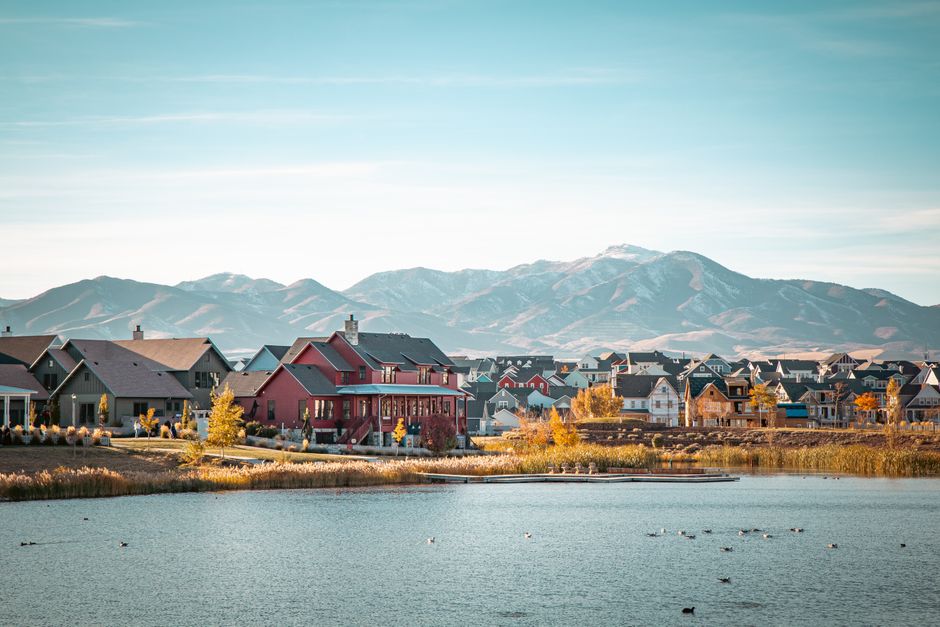
I arrived in Salt Lake City on a clear October morning, the mountains sharp against the sky, and immediately understood why people thought about staying here for good. There's something about the place that hooks you—the light, the sense that you're somewhere important without the crushing cost or noise of a major coastal city.
But I was here to answer a question I've been asked a dozen times by friends in their late fifties and sixties: Is this actually a viable place to retire? The question matters because retirement decisions aren't romantic. They're practical. They're about healthcare when you need it, money stretching far enough, and whether you can honestly stand the winters. So I spent time talking to people who'd already made the move, walking neighborhoods, checking prices, and getting a real feel for what life looks like here when you're not working anymore.
The Cost Picture Is Genuine—For Now
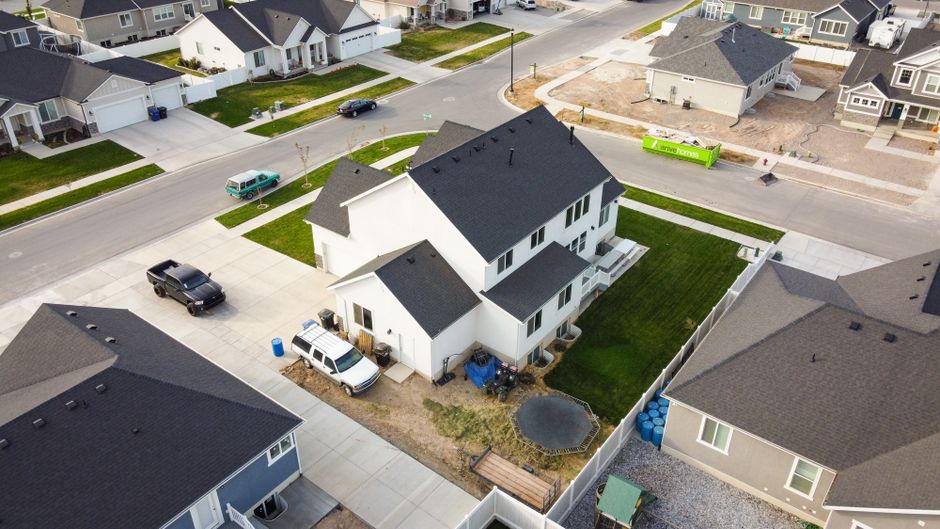
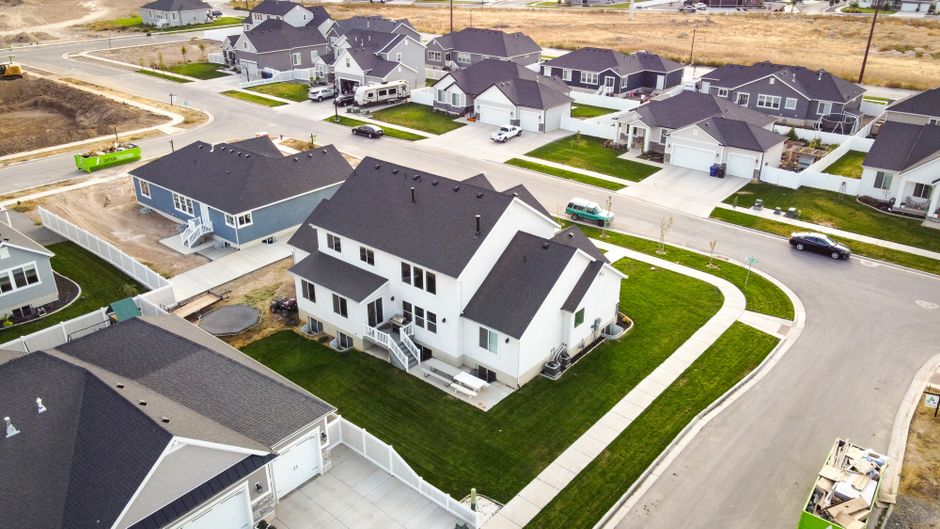
Salt Lake City's cost of living is meaningfully lower than Denver, Portland, or the Bay Area. Housing still dominates the budget conversation. As of late 2024, median home prices sit in the mid-$500,000s, which sounds like a lot until you compare it to Scottsdale, Austin, or anywhere in California. Rentals for a one-bedroom apartment in the city proper run roughly $1,200 to $1,600 monthly, but step into established neighborhoods a few miles out and you'll find quieter pockets at $1,000 to $1,300.
Where your money goes further is groceries, utilities, and daily services. You're not getting nickel-and-dimed on sales tax the way you do in some states—Utah's rate sits at 6.85 percent statewide, among the lowest in the nation. Gas, dining, gym memberships, haircuts. All reasonable. The real catch is that Salt Lake City is experiencing steady growth, and prices aren't static. If you're thinking of retiring here in five years, expect costs to climb. The window for affordability exists, but it's not infinite.
One retired engineer I met who'd moved here from the Northeast in 2021 told me bluntly: "If you're on a fixed income under $40,000 a year, this isn't your town anymore." That matters. Comfort doesn't require excess, but it does require enough.
Healthcare: Good Network, Altitude Considerations
The University of Utah Health system anchors the city's medical infrastructure, and it's solid. Primary care is straightforward to access, specialists are available, and the major hospitals—University of Utah Hospital, Intermountain Medical Center—handle complex cases without forcing anyone to fly out for treatment. If you've spent years in a region with thin healthcare options, this is genuinely reassuring.
What matters less often discussed is the altitude. Salt Lake City sits at 4,226 feet. For most people, it's fine. You acclimate in a few days. But if you have serious heart or lung conditions, or if you've had bad reactions to elevation before, this is a real consideration. Talk to your doctor before you commit. It's not a deal-breaker for most retirees, but it's not nothing either.
Insurance networks and Medicare acceptance are standard. The state doesn't offer any special tax breaks on retirement income, so your financial planning doesn't shift dramatically just because you're here, but the healthcare delivery itself is competent and reasonably modern. You're not getting luxury private clinics, and you're not stuck in an underserved market either. It's middle ground, which is exactly what most people need.
The Winter Question Is Real
Here's where the conversation stops being theoretical and gets personal. Salt Lake City gets snow. November through March is cold and gray. The inversion—a weather pattern where cold air gets trapped in the valley and pollution sits heavy—can make January and February feel claustrophobic, especially if you have respiratory sensitivities.
You get roughly 150 sunny days a year overall, which sounds decent until you realize most of those are in summer. The ski resorts nearby are a genuine asset if you're active, but they're also a reminder that winter is a fact of life here, not a three-week novelty. Some retirees thrive on this. Others spend November through March daydreaming about Arizona. Before you commit, spend a winter here. Rent for three months. See how your mood and body actually respond.
Spring and fall are beautiful—crisp, clear, the mountains visible from downtown. Summer is hot and dry, pushing into the low 90s, but the low humidity makes it feel less oppressive than the same temperature would in the Midwest or South. The real appeal is the extremes aren't extreme. You're not dealing with Louisiana humidity or Minnesota freeze-out. You're dealing with manageable seasonal changes if you're emotionally prepared for them.
Sugarhouse: Urban Without the Chaos
If you want to stay within Salt Lake City proper, Sugarhouse is the neighborhood where retirees cluster most noticeably. It's walkable—you can hit a coffee shop, grocery store, and restaurant without a car, which matters more after 70 than most younger people realize. The neighborhood has tree-lined streets, older homes mixed with modest condos, and a real community feel without feeling frozen in time.
Prices are higher here than peripheral areas, but the convenience equation shifts when you're thinking about aging in place. You won't be wrestling with a 20-minute drive to get groceries or see your doctor. Sugarhouse has been gentrifying for years, so you'll see younger families mixed in, but the bones of it are still fundamentally livable for people who want urban proximity without downtown intensity.
The neighborhood also has Liberty Park, a 165-acre green space with a pond, gardens, and room to walk without crowds. For a retiree who values routine and low-friction access to daily needs, Sugarhouse delivers. It's not cheap, and it's not hidden—it's the obvious choice, which means it's priced accordingly. But the obviousness exists for reasons.
Cottonwood Heights and the Foothill Option
If you have more flexibility with a car and prefer quieter surroundings, Cottonwood Heights sits south of the city proper and draws retirees looking for suburban calm with proximity to skiing and good hiking. It's more spacious, less walkable, and prices are comparable to or slightly higher than central Salt Lake, but the trade-off is you're closer to nature without being so isolated that services feel distant.
The neighborhood is newer and more manicured than Sugarhouse—think planned community aesthetics with decent lot sizes. For people coming from sprawling suburban retirement communities elsewhere, the environment feels familiar. You've got access to Snowbird and Alta resorts in the Cottonwoods, which appeals to active retirees. It's also where many affluent professionals live, so the infrastructure—road maintenance, police presence, local services—is robust.
The downside is you're driving for almost everything. If that changes because of health issues, the isolation becomes a liability. But for a couple in good health with a car and active interests, Cottonwood Heights works.

Park City: Nearby and Completely Different
About 40 minutes northeast, Park City has become a retirement option for people who want mountain town amenities, short winters (relatively speaking), and a more cosmopolitan vibe. It's a ski resort town first, which means it's expensive and transient—more tourists than year-round residents, more trophy homes than functional neighborhoods.
You'd retire here if you're affluent, want walkable resort infrastructure, and can stomach the seasonal traffic and higher costs. Real estate runs significantly higher than Salt Lake City proper. But the culture is different. It's less conservative, more international, with restaurants and galleries that reflect tourism money. For some retirees, that's the whole point. For others, it feels inauthentic.
It's worth considering if you've worked in hospitality or creative industries and want to stay near mountains, but it's not a cost-effective alternative to Salt Lake City. It's a different bet entirely—you're not retiring cheaper, you're retiring in a place that happens to be near skiing and near Salt Lake City when you need medical facilities.
Taxes and Financial Reality
Utah doesn't tax Social Security income, which is genuinely helpful. That's real money staying in your pocket if you're receiving benefits. Income tax rates are flat and modest compared to many states—around 4.65 percent on regular income. No state sales tax on groceries, which saves money on one of life's consistent expenses.
But here's the honest part: these savings aren't going to transform your retirement if you're on a tight budget. They're nice. They matter. But they're not the difference between feasible and impossible for most people. Property taxes are low, but housing costs overall still dominate the budget. Before you move somewhere for tax reasons, run your actual numbers with an accountant. The state-level benefits are real, but they're not a loophole.
Utah also has no inheritance tax, which matters if you're thinking about legacy planning, but that's a conversation for someone with estate complexity—most retirees on regular budgets won't hit those considerations.
The Real Verdict
Salt Lake City works as a retirement destination if you're willing to accept the winters, you can manage the altitude without health complications, and your retirement income is genuinely adequate. It's not cheap anymore—the days of finding deals in the valley are mostly over—but it's reasonable compared to other mountain west cities.
The neighborhoods worth considering have different characters. Sugarhouse if you want walkability and urban convenience. Cottonwood Heights if you prefer suburban quiet and don't mind driving. Park City if money's less of an object and you want resort-town sophistication. Or smaller towns around the valley if you want even more distance from city hassles.
What makes Salt Lake work is the stability. Healthcare is solid. Infrastructure is modern. The culture is low-key and community-focused. The climate is livable if you prepare for winter. The costs are moderate compared to everywhere else people want to retire. It's not romantic. It's not exotic. But it's functional, and that's what retirement actually needs.



