
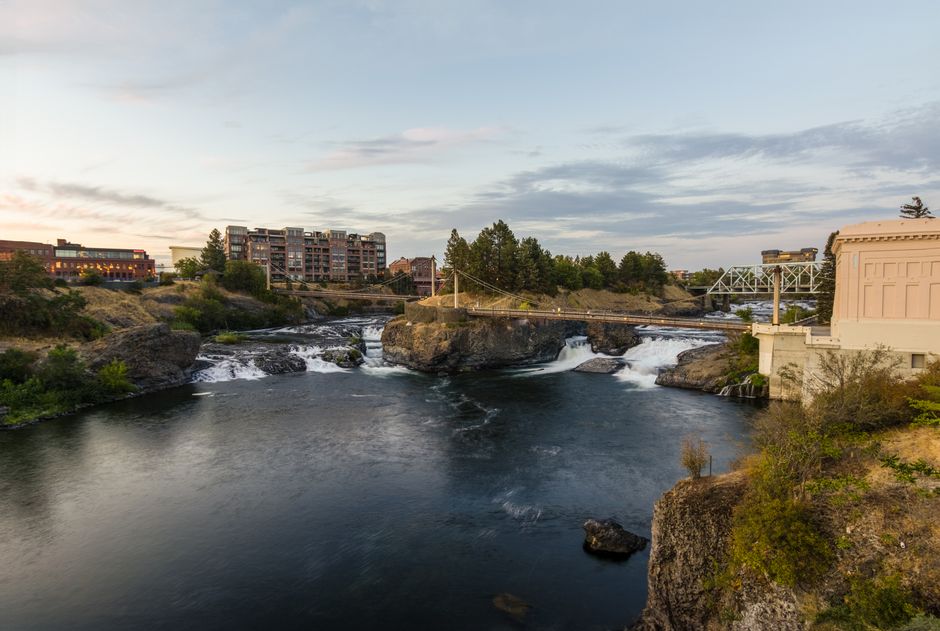
I rolled into Spokane expecting the usual Pacific Northwest checklist—falls, breweries, quirky coffee shops—and found half of it overblown. The other half, the actual good stuff, nobody talks about. I'm not trying to gatekeep. But after spending a week here, I noticed a real gap between what tourists do and what makes this place worth the drive from Seattle.
Spokane gets a lot right. The bones are good. The people aren't trying too hard. But some attractions have built reputations that don't hold up once you're actually standing there, wallet open and schedule tight. Conversely, there are spots I stumbled into by accident—or by asking locals in coffee shops—that made me wonder why they aren't the main draw.
The Riverfront Park Problem
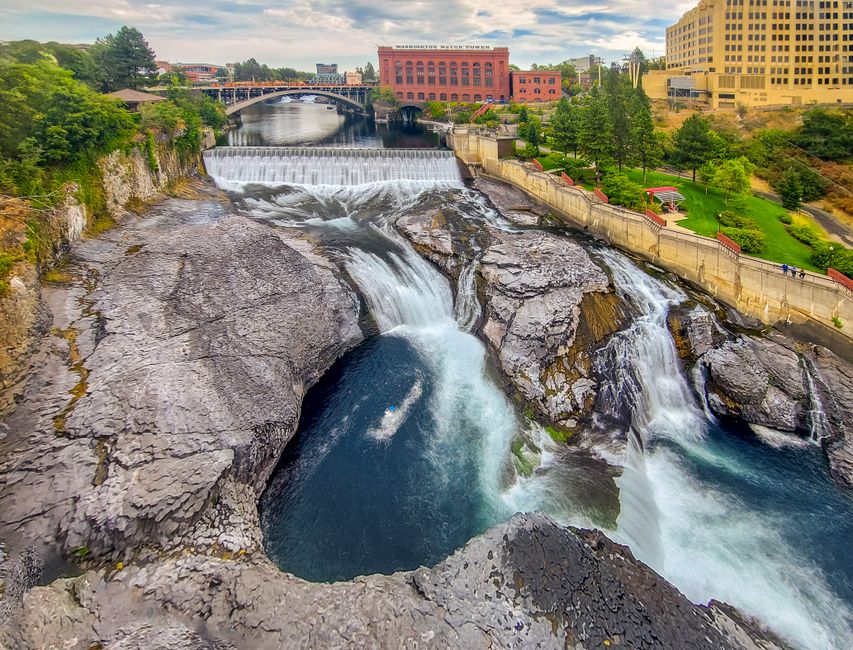
Riverfront Park is Spokane's calling card. The Spokane Falls are legitimately nice—I'll grant that. The park itself has clean paths, a carousel, and the kind of manicured vibe that looks good on a postcard. But here's the thing: you can see the falls from the park in about fifteen minutes. The rest of it is a sprawling complex of attractions that cost extra money and don't particularly cohere. The Carousel, built in 1909, is beautiful but feels more like an obligation than an experience. The Looff Carousel is worth a look if you love that stuff, but most visitors I talked to felt like they'd done their duty after one lap.
The real issue is crowding. The park pulls every out-of-state visitor and tour group, which means parking is aggravating and the walking paths get busy, especially on weekends. You come for the falls and leave feeling like you've hit a tourist checkpoint rather than discovered something.
Why Manito Park is the Move Instead
Manito Park, on the south side near the South Hill neighborhoods, is what Riverfront Park tries to be but actually achieves. It's bigger, quieter, and the botanical gardens have real depth—Japanese, rose, dahlia sections that make you want to slow down and actually look. There's a duck pond. Paths wind through actual landscape rather than manufactured attractions. I spent two hours there without feeling rushed, and the parking situation was painless.
It's not a secret, exactly. Locals know it. But tourists don't show up in force, which means you can actually experience it. The Manito Park Conservancy has put genuine thought into the design and maintenance. If you're here in summer, the roses alone are worth the trip. It costs nothing. You can bring a book, sit by the water, and watch the city from a distance.
The Gonzaga Effect and Downtown's Real Charm
Gonzaga University and its surrounding Gonzaga Neighborhood have become a shorthand for Spokane's revitalization. The campus is handsome—brick buildings, manicured quads, a clear sense of institutional pride. But walking around there as a non-student feels oddly sterile. The neighborhood caters heavily to the university crowd and has developed that particular energy of a college town where outsiders are technically welcome but clearly not the main event.
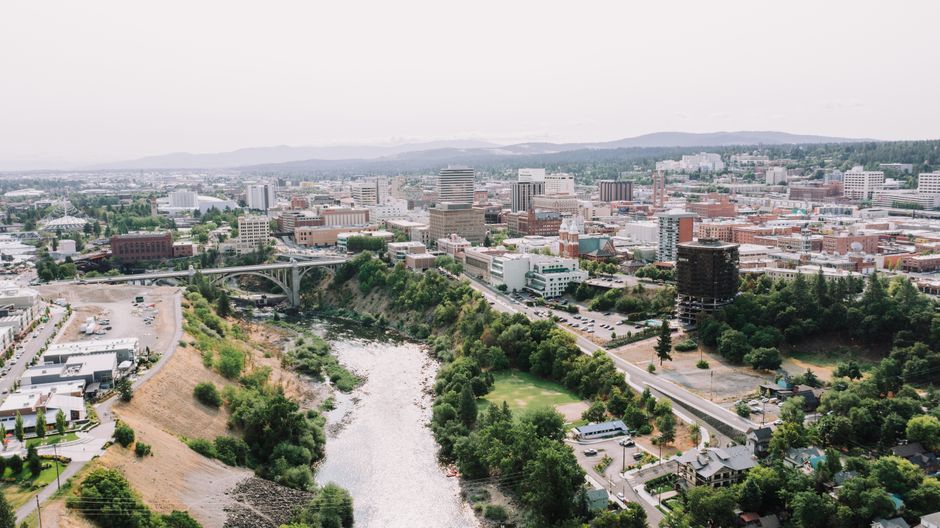
Instead, head downtown and actually walk it. The Historic District, around Riverside Avenue and Main Street, has character that's been earned through genuine mixed-use development rather than investment follow-up. The buildings are older, the street-level businesses feel rooted rather than aspirational. There are used bookstores, a few good lunch spots, real bars where people have conversations instead of just checking a box. The Davenport Hotel, a restored historic property, anchors the whole thing. You can get coffee or a meal without feeling like you're part of a curated experience. Downtown Spokane has the kind of authenticity that Gonzaga, for all its physical appeal, doesn't quite manage.
The Breweries Trap
Spokane has breweries. A lot of them. They're well-reviewed, reasonably priced, and competent. I visited four or five, and they were all fine. That's also the problem. They blur together. The beer is solid, the ambiance is pleasant, but there's nothing distinctive happening. You could be at any mid-sized Pacific Northwest brewery. People treat them like attractions—hit three in an afternoon, post the photos—but there's no real reason to choose Spokane's over anywhere else.
The beer scene matters less than where you actually sit and who you're with. I had a better time at a non-brewery bar in the downtown core with a stranger who worked in local politics than I did at any of the taprooms. Good beer is everywhere now. Character is rarer.
The Underrated Route: Fort Wright and the Bluffs
Fort Wright is a 50-acre historic site on the north edge of the city. It was an Army post from 1898 to 1963, and now it's a park with walking trails, old military buildings, and a surprising amount of quiet. I found out about it by accident—mentioned it to a local barista, and she lit up. "That's where Spokane people actually go," she said. She wasn't exaggerating.
The bluffs around the site offer views of the valley without the manicured postcard aesthetic of the big parks. The buildings—officer quarters, guardhouse—have the kind of worn historical detail that feels honest. You're walking through actual Spokane history, not a recreation of it. It's free, it's accessible, and on a weekday it's essentially empty. The trails are straightforward, nothing that requires gear, but they feel like you're actually moving through landscape rather than performing tourism.
This is the kind of spot that locals know exists but don't advertise because they kind of like having it to themselves. Worth knowing about.

Holmberg Community Garden and South Hill Realities
The South Hill neighborhoods, where most of Spokane actually lives, don't make the travel guides. Holmberg Community Garden and the surrounding residential areas show you a different side of the city—the one where people have roots. The garden, run by volunteers and maintained with visible care, is a neighborhood institution. It's not flashy. You won't find Instagram moments. But you will see Spokane as it functions when tourists aren't looking.
Walking through South Hill on a Saturday afternoon—checking out the local shops, grabbing food from genuinely local restaurants rather than chains—gives you a sense of where Spokane's actual character lives. The neighborhoods are nice without being affluent in an off-putting way. The businesses are run by people who've been there a while. It's the antidote to the downtown-focused tourism routes. You're not a guest; you're just someone who happened to show up.
Where and What to Actually Eat
Spokane has good restaurants. Not "best of the West Coast" good, but solid, unpretentious places where the food is real and the owner probably knows your name if you come back twice. The chains and the trendy spots get attention. The places worth eating at are quieter.
Scattered around downtown and the neighborhoods are restaurants that have been running long enough to know what they're doing—serious Italian, decent Thai, breakfast spots where the pancakes aren't theatrical. Talk to locals about where they eat. You'll end up somewhere better than the places that show up in every travel article. The food isn't going to blow your mind, but it will be honest, and the owner probably lives two blocks away. That matters more in a city this size than whether the plating is Instagram-worthy.
Skip the restaurants that seem built for tourists and eat where working people eat. You'll get better food and a better sense of Spokane.
The Honest Read
Spokane is a solid mid-size city with real neighborhoods, accessible outdoor space, and genuine local business. It's not flashy, and it doesn't need to be. The overrated stuff is mostly just the stuff that's been branded as "attractions"—the things marketing people push because they're easy to photograph and package.
The underrated parts are the ones that require you to move around a bit, ask questions, and spend time without checking a box. That's where Spokane actually lives. Show up without a rigid plan. Talk to people. Walk down streets that aren't on the main tourist loop. That's when this city makes sense.
Frequently Asked Questions
Is Riverfront Park worth visiting in Spokane?
The Spokane Falls are genuinely nice and worth seeing for about 15 minutes, but the wider park feels stretched and crowded with expensive attractions that don't cohere well. Manito Park on the South Hill offers more actual garden and landscape experience with less foot traffic.
What are the best breweries in Spokane?
Spokane has many competent breweries, but they're fairly interchangeable with any mid-sized Pacific Northwest city. The beer is solid, but there's nothing distinctly Spokane about the scene. Better to focus your time on downtown bars and local restaurants where there's actual character.
Where do locals actually go in Spokane?
Locals spend time in South Hill neighborhoods, Fort Wright and the bluffs on the north side, and scattered pockets of downtown away from the main tourist drag. Manito Park is another genuine local destination where you'll see actual Spokanians rather than visitors.
Is the Gonzaga neighborhood worth visiting?
The Gonzaga campus is physically attractive, but it caters heavily to students and has a somewhat sterile vibe for visitors. Downtown Spokane, particularly the Historic District around Riverside Avenue, has more genuine character and local atmosphere for travelers.
Which one would you visit?


