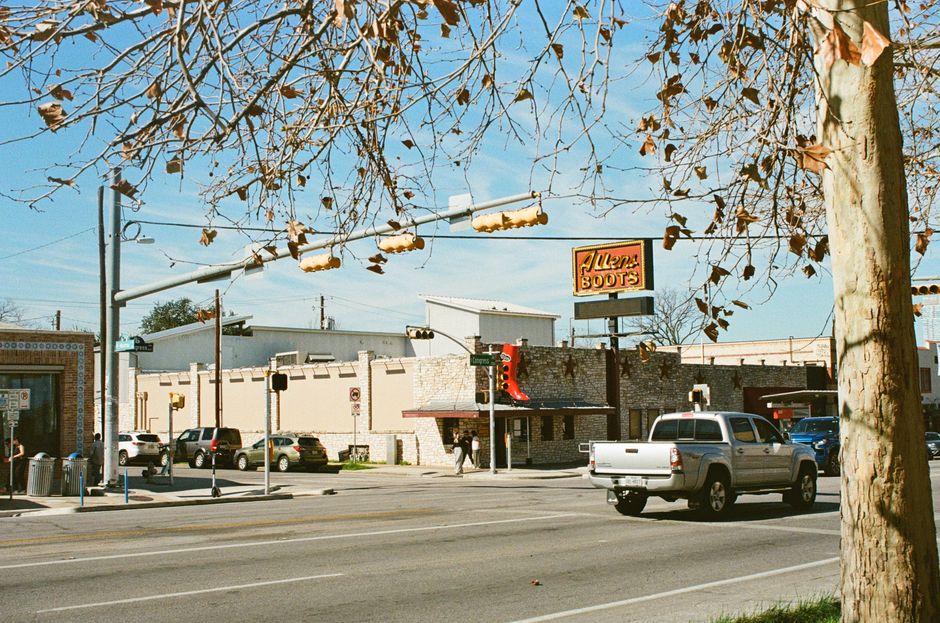
I landed in Austin on a Thursday afternoon with a hunger that the usual airport sandwich wasn't going to cut. Within an hour I was sitting in a pickup truck bed with a plate of brisket, sweating through my shirt, wondering how a city this size had become such a serious food destination. Austin's restaurant scene isn't one thing—it's barbecue joints where people camp out for hours, late-night tacos that run on cash and instinct, Tex-Mex institutions that predate most American restaurants, and newer spots that are doing something honestly weird with seasonal ingredients. What ties them together isn't a unified "Austin style" so much as a refusal to phone it in.
I spent three weeks eating my way through different neighborhoods and price points. Some places require strategy (timing, reservations, parking knowledge). Others just want you to show up hungry. Here's what I actually ate and what you should know before you go.
Franklin Barbecue: The Wait Is Part of the Reality
Franklin Barbecue sits on Red River in a way that makes the line seem like a block party. People start lining up before it opens at 11 a.m., and they're not checking their phones—they're actually talking to each other. The brisket is lean and smoke-dark, sliced thick enough that you can see the smoke ring. The ribs are tender without being mushy. Sides are standard (mac and cheese, slaw, beans) and honestly beside the point.
Here's the thing: you will wait. I showed up at 10:15 a.m. on a Tuesday and waited 90 minutes. A friend went on a Saturday at 9 a.m. and waited two hours, then the brisket sold out before she reached the counter. The line moves, but it moves on Franklin's timeline. If you hate open-air queuing and don't want to make this a pilgrimage, skip it—Austin has other barbecue that won't require you to clear your afternoon. But if you've never had brisket done right, the 2-pound order ($35–$45) is worth one slow morning. Go early on a weekday if you can. Pay cash.
Uchi: Japanese Precision in South Austin
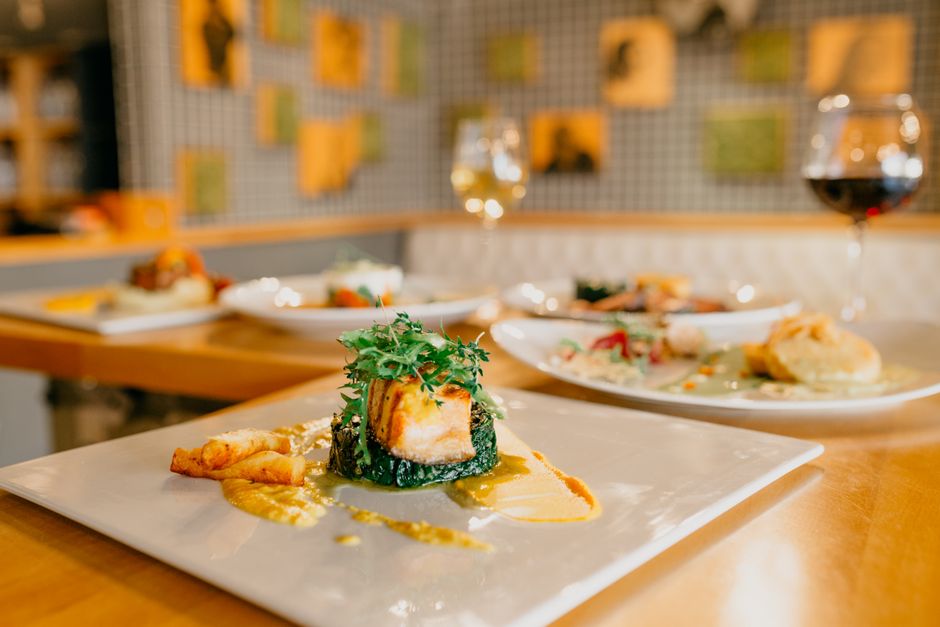
Uchi occupies a sleek, minimal space on South Lamar where the kitchen is visible and the cocktail program is executed like surgery. The omakase-style experience ($85–$120 per person) is the move here—you sit at the bar, the chef sends out courses, and you eat what they've sourced that day. The fish is impeccable. Preparations are unfussy: nigiri with barely-there rice, hand rolls with nori that snaps, one-bite compositions that taste like they took someone ten years to perfect.
The downside is noise. This isn't a quiet restaurant. It's a popular restaurant where people are excited to be eating expensive sushi, and that energy is real. Reservations are necessary weeks in advance if you want a bar seat. If you can't swing the omakase price, the à la carte menu ($20–$45 per item) is solid, and you can walk in for regular seating, but you're missing the point. This is a special-occasion place or a deliberate culinary experience, not a casual dinner.
Matt's El Rancho: Tex-Mex Without Apology
Matt's opened in 1952 and hasn't bothered reinventing itself, which is exactly why it works. Wood paneling, dim lighting, the sense that you've stepped into a Austin that still exists if you know where to look. The cheese enchiladas are the thing to order—they arrive swimming in a chili con carne sauce that tastes like it's been simmering since Carter was president. The frozen margaritas are strong and sweetish in a way that feels right for the place.
You're paying for the experience as much as the food. Entrées run $16–$28, which isn't cheap for what it is, but it's not a markup—it's what this style of cooking and this level of service costs. Parking is in the lot outside, easy. The restaurant fills up at dinner but doesn't require reservations, and the kitchen doesn't rush you. Go with the understanding that you're eating history, not contemporary cuisine. A margarita and the cheese enchiladas combo ($22) is the reason to come.
Veracruz All Natural: Breakfast as a Serious Commitment
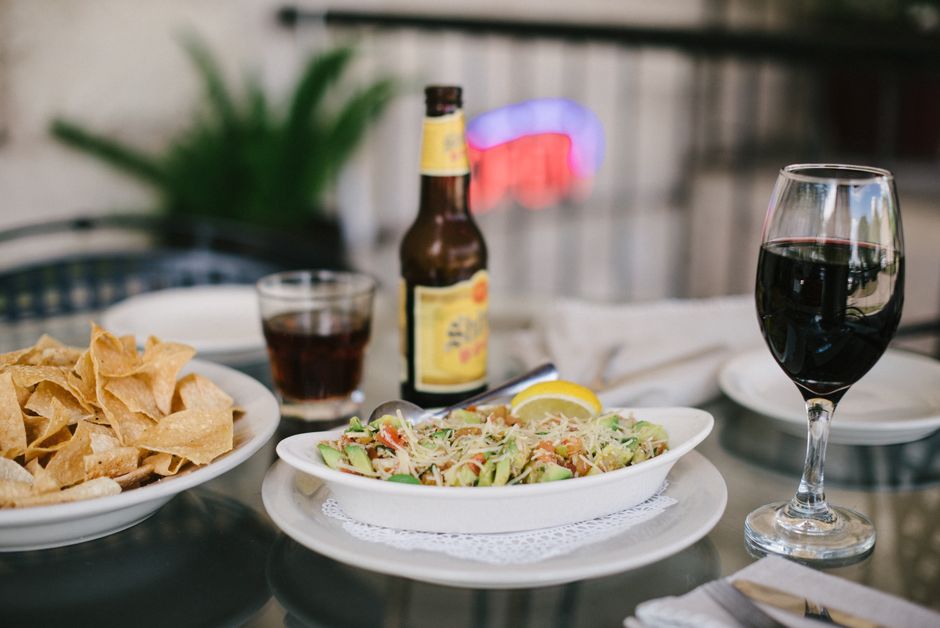
Veracruz is a taquería that takes breakfast—or what they call breakfast—more seriously than most restaurants take dinner. The migas tacos (scrambled eggs with tortilla strips and cheese on a corn tortilla) are their signature, and they're worth the reputation. The mole is real, layered, built over time. The salsa verde has actual fire. Everything is made to order, which means it's not fast, but it's correct.
This is a casual spot: order at the counter, find a table (often shared), eat standing or sitting. Cash only at some locations; check before you go. Tacos run $4–$6 each. The problem is timing—they open early (around 6 or 7 a.m. depending on location) and close by mid-afternoon. Show up for breakfast or early lunch, not dinner. The wait rarely exceeds 20 minutes, and unlike Franklin, it moves. There are multiple locations around Austin; any of them will deliver, but the South Congress spot has the most character.
Odd Duck: When the Menu Changes, Trust It
Odd Duck operates on a seasonal, ingredient-driven philosophy that means the menu changes constantly—sometimes weekly. I had a dessert made from obscure stone fruit, roasted squash soup with an umami depth I couldn't place, a piece of fish that was cooked so precisely it barely qualified as food. The chef clearly cares about sourcing and technique in a way that doesn't announce itself loudly. It's fine dining without the pretension, though the bill ($60–$85 for a multi-course meal) reflects the effort.
The small space on East 6th Street fills up quickly, especially Thursday through Saturday. The wine list is thoughtful and reasonably priced. Reservations are needed; their online system is straightforward. The honest downside: if you want predictability, go elsewhere. If you want to eat what's good right now instead of what's always on the menu, this is the place. The service is knowledgeable without being stuffy. This is where you take someone to eat something surprising.
Torchy's Tacos: Accessible Eating at Scale
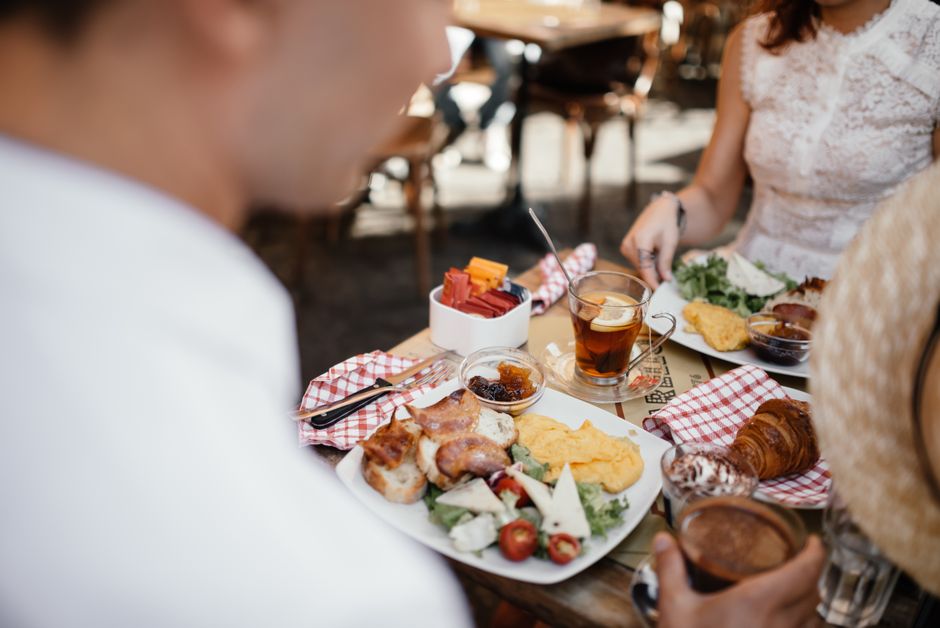
Torchy's is a local chain that has somehow scaled without losing its identity. The fish tacos are crispy fried mahi with cabbage slaw and a special sauce that tastes like someone understood what works. The breakfast taco with scrambled eggs and breakfast sausage tastes like comfort without being sloppy. Most tacos run $3.50–$5. They're fast-casual: order at the counter, get a buzzer, sit wherever.
You'll hear locals debate whether Torchy's counts as "real" Austin food. It's corporate enough to have multiple locations and a recognizable format, which rubs some people wrong. But it's also genuinely good, which is rare at that size. The main irritation is parking, which varies by location—the South Congress spot is walkable from downtown; the North Austin locations are more car-dependent. It's not a destination meal, but if you're hungry and want a taco that doesn't disappoint, you're eating it right. No reservations, minimal wait most hours.
Why Austin's Food Scene Actually Works
Austin doesn't have a single food identity. You've got decades-old Tex-Mex institutions, barbecue joints run by people who've been smoking meat their whole lives, newer fine-dining spots experimenting with foraged ingredients and precise technique, and casual taquerias where the business model is straightforward: make it fresh, price it fairly, show up early. That variety—and the fact that people take it seriously at every price point—is what makes eating here feel less like tourism and more like participation. The worst meal I had was still competent. The best meals made me question what I thought I knew about cooking.
Frequently Asked Questions
What time should I arrive at Franklin Barbecue to avoid long waits?
Arriving 30 minutes before opening (around 10:30 a.m.) on a weekday gets you in within 60-90 minutes. Weekends and afternoons after 1 p.m. mean 2+ hour waits. Arriving at or after opening time guarantees a longer queue. Tuesday through Thursday mornings are your best bet for shorter lines.
Are reservations required at Austin restaurants?
It depends on the restaurant. Fine-dining spots like Uchi and Odd Duck require reservations weeks in advance. Casual taquerias and barbecue joints operate first-come, first-served. Tex-Mex restaurants like Matt's El Rancho don't take reservations but rarely turn anyone away. Check ahead for upscale places; casual spots usually don't require planning.
Which Austin restaurants are best for solo diners?
Counter or bar seating works well at Uchi, Veracruz All Natural, and Torchy's Tacos—you can eat quickly and don't need a reservation. Barbecue joints like Franklin work solo since you order, eat at communal tables or your car, and leave. Fine-dining spots (Odd Duck) accommodate solos, but a bar seat at Uchi is the most engaging solo experience.
How much should I budget for a meal at Austin's best restaurants?
Tacos and barbecue run $4–$12 per person. Casual Tex-Mex like Matt's El Rancho averages $20–$30 per person with a drink. Fine-dining spots (Uchi omakase, Odd Duck) run $85–$120 per person. Budget $50–$70 if you're mixing casual and upscale across a few meals.
Which restaurant would you try first?