
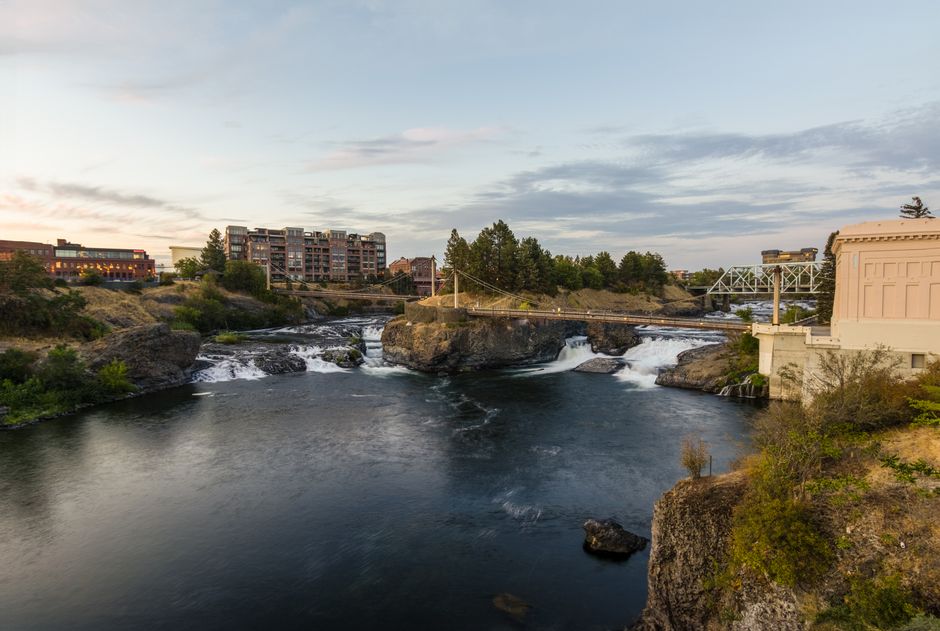
I rolled into Spokane on a Friday afternoon expecting the usual Pacific Northwest playbook: craft beer, outdoor recreation, a downtown that's trying very hard to reinvent itself. What I found was a city that doesn't match most people's mental image of it—which, frankly, works in its favor if you're willing to skip the obvious stuff.
Spokane gets a lot of press these days, especially compared to how quiet it was ten years ago. That attention has pushed certain spots into the spotlight while some genuinely good experiences stay overlooked. I spent enough time here to have opinions, and I'm laying them out: here's what I'd actually skip, and here's where I'd spend my time instead.
The Riverfront Park Problem
Riverfront Park is the answer to every "what to do in Spokane" question you'll get from a tourism board. The carousel, the gondola, the general vibe of a downtown park built in the 1970s and refreshed since. It's not bad. But it's not the draw people think it is, either.
Yes, there's a carousel. A historic one from 1909, so fair enough—it has actual weight to it. But the park itself is more about walking around and feeling like you're doing something touristy than actually experiencing Spokane. The gondola ride is a quick lift, the views are decent, and then you're done. You didn't learn anything about the city. You didn't talk to anyone local. You took a photo and moved on.
The real issue is that Riverfront Park has become the default anchor, which means it gets crowded during decent weather and feels obligatory. Skip it on a first visit, or do it in 45 minutes and get on with your day.
Downtown's Grand Hotel Mythology
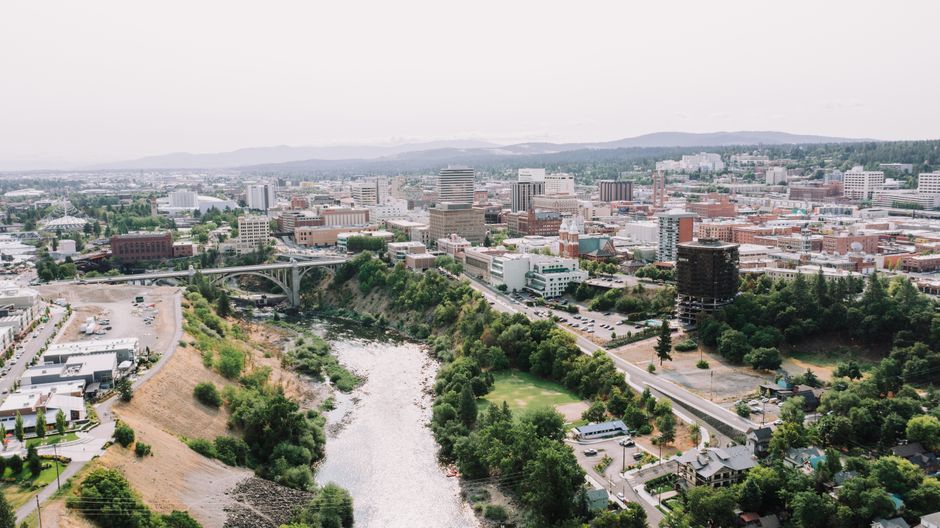
The Historic Grand Hotel, built in 1889, sits right there on Spokane Falls Boulevard looking exactly like a grand hotel should. It's pretty. The building is genuinely impressive. But the romance people attach to it is half nostalgia, half Instagram angle.
Unless you're staying there (which is pricey), you're mostly admiring it from outside or popping in for a drink at the bar, which you could do at a dozen other places with fewer tourists. The hotel is a nice landmark and a solid symbol of Spokane's railroad-era prosperity, but treating it as a must-see feels like confusing a pretty building with an actual experience. You get better stories from talking to bartenders at smaller spots around town.
Visit Manito Park Instead of Just Driving By It
Manito Park is the city's real gem and somehow remains quieter than Riverfront. It's sprawling, it's genuinely beautiful, and it doesn't feel engineered for tourism. You've got the botanical gardens—absolutely worth the small admission fee if you're there during growing season—plus open meadows, a rose garden that's actually impressive, and walking paths that feel like they belong to the city rather than to visitors.
I spent two hours here on a Saturday and saw maybe a dozen other people. Compare that to Riverfront on the same day. The park has a rhythm to it: locals actually use this place. You'll see people jogging, couples sitting on benches, someone reading under a tree. It feels like Spokane, not like a tourist attraction wearing Spokane's name tag.
The botanical gardens are best in late spring through early fall, but the park itself is fine year-round. Bring a book or a coffee from one of the nearby cafes and settle in.

Gonzaga University Isn't a Tourist Destination
Gonzaga gets mentioned in travel guides and local recommendations more often than it deserves. Yes, it's a nice campus. The quad is pretty. But it's a working university, and wandering around because a blog told you to see it is the definition of wasting time.
Unless you have a specific reason to be there—visiting a student, attending an event, or genuine architectural interest—you're just walking around someone's college for an hour and feeling like you've checked a box. The campus doesn't open itself up to tourists in any meaningful way. It's not Disneyland for academics.
If you're interested in Spokane's intellectual life, spend time in used bookstores instead, or catch a lecture or concert that's actually happening while you're in town.
The Northwest Museum of Arts & Culture Actually Repays Your Time
This is the opposite problem from Gonzaga. The NWMAC doesn't get the hype that some flashier regional museums do, which means it's never crowded, and you actually get to think while you're there.
The museum focuses on the history and culture of the inland Pacific Northwest, which sounds dry until you're actually standing in front of exhibits about Spokane's mining boom, or the Spokane Tribe, or the city's role in the region's development. It's local history done with real curatorial work, not just tourism marketing.
The building itself is thoughtfully designed, the staff is genuinely knowledgeable, and the gift shop doesn't feel like a trap. Plan for at least 90 minutes, longer if you're actually interested in the region. It's the best way to understand why Spokane exists where it does and what it's actually been.
Browne's Addition: The Neighborhood That Rewards Wandering
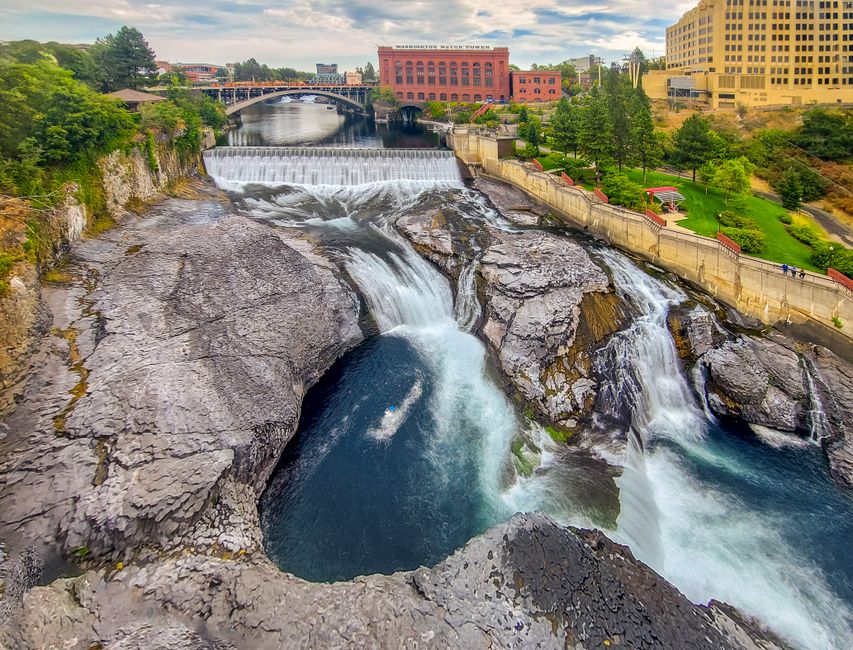
Browne's Addition, directly west of downtown, is what people mean when they talk about Spokane's character but don't quite know where to find it. It's a historic residential neighborhood with architecture that makes you actually look at buildings. Late 19th and early 20th century homes—a real neighborhood, not a museum.
There's no singular "attraction" here, which is exactly why it works. You walk around. You see how people actually built their homes when they had money and taste. You find coffee shops, used bookstores, a few restaurants that aren't trying too hard. The neighborhood has that crucial quality: local people actually live here and use the streets for something other than tourism.
Start somewhere near Gonzaga (yes, it's on the edge of campus) and work your way west. Stop where things catch your eye. Talk to shop owners. This is how you learn about a city.
The Spokane Brewery Scene Is Real, Even If It's Not Revelatory
Craft beer is the default identity for the Pacific Northwest, and Spokane absolutely has breweries. Some are very good. The beer itself is well-made, the taprooms are comfortable, and the scene is social enough that you'll end up talking to locals if you spend time in one.
But the breweries aren't a destination unto themselves. They're where Spokane's social life happens, which means they're worth visiting if you like beer, or if you want to be around people. I'd recommend wandering into a few different ones rather than treating any single brewery as a must-see. The strength is in the variety and the atmosphere, not in any individual place breaking new ground.
That said, if you do go: talk to the bartender, ask what's local, sit at the bar rather than hiding in a corner. These places are social by design.
The Rest: Long Listless Cafes and Walks
Spokane rewards slow time. Coffee shops where you can actually sit. Used bookstores where you lose track of time. Walks along the Spokane River that don't require a ticket or a plan. This is a city where being unscheduled works better than following an itinerary.
The best moments I had here weren't at attractions. They were in a bookstore on a weekday morning, or sitting in a cafe talking to someone who actually lived here, or walking through Browne's Addition and stumbling onto a street I wasn't planning to see.
That's Spokane's real story—not the famous buildings or the branded parks, but the texture of a mid-sized city that's trying to be something without forgetting what it already is. Show up without a rigid plan. Bring decent coffee standards and a used bookstore addiction. Talk to people. The city will meet you halfway.


