I've landed in Tampa on a humid Tuesday afternoon, the kind of heat that hits you sideways when you exit the airport. Like most cities, it rewards travelers who pay attention but doesn't demand paranoia. The truth is straightforward: Tampa is a functioning American city with the usual patterns. Some blocks are thriving and safe at all hours. Others thin out after dark and deserve respect. Most people—solo travelers included—move through without incident by using basic judgment.
I spent a week here moving between neighborhoods, talking to locals, checking what the police data actually shows, and figuring out where a solo traveler should and shouldn't wander alone at 2 a.m. What I found is a city that's mostly accessible and fine, but with some real pockets where you should adjust your behavior depending on time of day and how comfortable you are reading a room.
Downtown and the Riverwalk: Good by Day, Mixed After Dark
The downtown core—Riverwalk, Channelside, Ybor City's edges—is the heart of Tampa's tourism economy. By day, it's bright, pedestrian-friendly, and full of restaurants and museums. Locals actually use it. But the further you get from the main tourist corridor, the sparser it gets, and after about 10 p.m., foot traffic drops significantly.
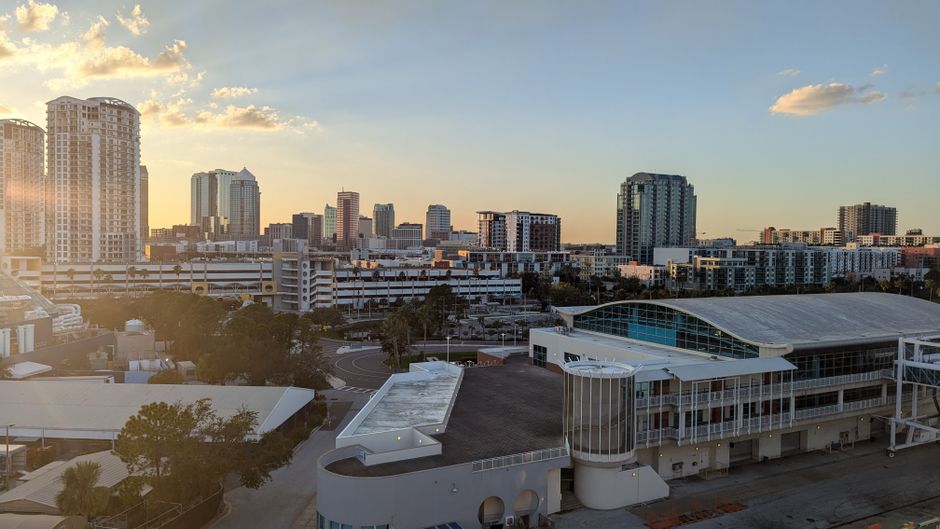
The Riverwalk itself is lit and patrolled. It's safe for a solo evening stroll if you're walking with purpose and staying alert. The issue isn't immediate danger—it's that once the main drags empty out, you're more visible and isolated. A 1 a.m. walk by yourself along quieter stretches isn't the best call. The area around the Tampa Convention Center and further south toward Ybor City's warehouse district follows similar logic: fine during the day and early evening with other people around, less ideal at night if you're alone.
My actual advice: enjoy downtown and Ybor in the evening if the vibe appeals to you, but use Uber or the streetcar back to your hotel rather than walking distances alone after 11 p.m. The streetcar is cheap, runs late, and means you're not solo on an empty street.
Ybor City: Energetic But Know Your Boundaries
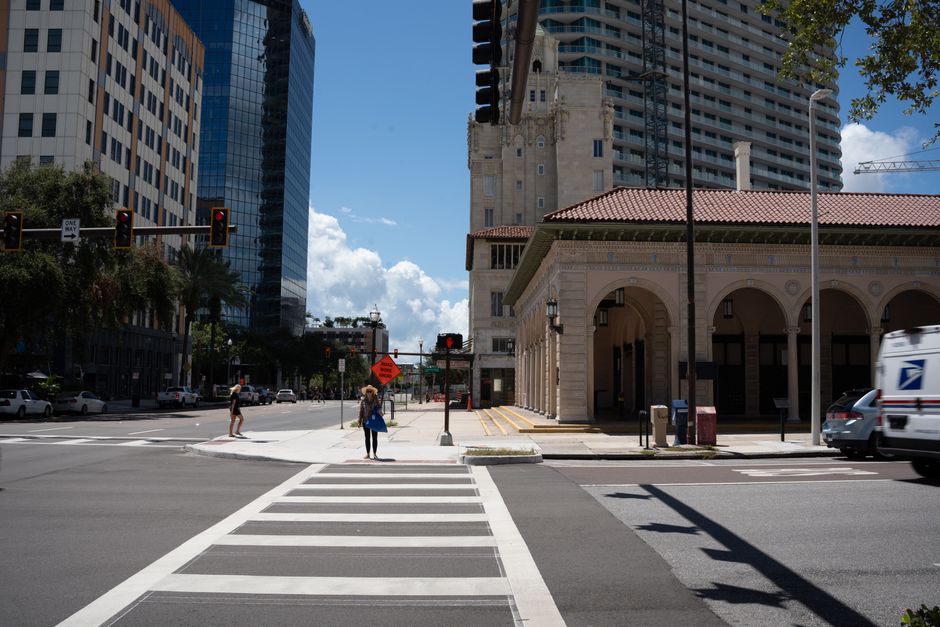
Ybor City is genuinely interesting—historic, walkable, full of actual character. The 7th Avenue corridor is the main draw: bars, live music, galleries, and restaurants. During the day and early evening, especially on weekends, it's lively and welcoming to solo travelers. The neighborhood has invested in itself and it shows.
But Ybor has a long history of uneven development. Blocks adjacent to the main tourist drag can shift quickly. The police presence is there, and so is good lighting on the main streets, but once you venture off 7th Avenue into residential or warehouse areas alone at midnight, you've moved into territory where locals wouldn't necessarily walk solo either. It's not because there's constant crime there—it's that those blocks are less monitored and slower to respond if something does happen.
Visit Ybor. It's worth your time. Just keep your solo wandering to the lit, populated areas and the early-to-mid evening. If you want to stay out later, do it with others or use a ride-share. That's not paranoia; that's how locals actually move through the neighborhood themselves.
Areas to Avoid or Approach Cautiously, Especially After Dark
A few neighborhoods warrant real caution, particularly if you're traveling alone and unfamiliar with reading the street. The residential areas northwest of downtown—roughly bounded by Columbus Drive to the east and moving outward—see higher rates of property crime and some violent crime. These aren't tourist areas and you're unlikely to accidentally end up there, but if you do, keep your phone charged, know where you're going, and don't linger. Same applies to some sections east and north of downtown around the 34th Street corridor and beyond: you'll see less foot traffic, more boarded buildings, and that particular quiet that means you should move with intention.
Broker-adjacent areas near the port can feel industrial and empty, especially at night. They're not inherently dangerous, but they lack the density and eyes that make you feel safer as a solo traveler. If you're exploring, do it during daylight. The common thread across these areas is poverty and disinvestment, which correlates with property crime and sometimes violent crime. It's not a referendum on the people living there—it's straightforward risk assessment.
You won't find a lot of tourists in these neighborhoods, which is actually your first hint that they're not your target destinations. Stick to the well-traveled areas and you'll avoid this calculus entirely.

Transportation: Your Best Tool for Safe Solo Travel
The single best decision you can make for solo safety in Tampa is to not walk long distances alone, especially at night. Use Uber, Lyft, or Taxi services. It's cheap, fast, and means you're not on the street vulnerable and alone. The ride-share infrastructure in Tampa is reliable, and drivers will get you directly from point A to point B without detours through uncertain neighborhoods.
The HART (Hillsborough Area Regional Transit) bus system covers the city, but as a solo traveler at night, it's not your ideal option. Buses can be quiet late at night and you're waiting at stops that might be in dim areas. The Streetcar in Ybor and downtown is better—more tourists, more visible, and it runs until midnight or later depending on the night. Check the schedule before planning your evening.
Rent a car only if you're comfortable driving in an unfamiliar city. Tampa traffic is straightforward by major-city standards, but it's not notably safer than any other option. Walking is great during the day in populated areas—the Riverwalk, downtown, the shopping districts. But 8 p.m. onward, commit to a ride. It costs you fifteen bucks and saves the mental load of watching your back.
Practical Safety Habits That Actually Matter
Don't carry large amounts of cash and don't leave your bag unattended. That's not Tampa-specific; that's travel 101. Your phone should always be charged and have local Uber and police numbers saved. Walk with awareness—headphones in both ears, eyes on your phone, the classic solo traveler's tunnel vision—makes you a less appealing target.
Stay in neighborhoods with hotels and foot traffic. Ybor, Channelside, Hyde Park, and the downtown area near Curtis Hixon Park are solid. These areas have security, other guests, restaurants open late. Cheaper motels in isolated areas aren't worth saving fifty bucks; you'll spend it on anxiety. Book somewhere central and walkable to other people.
Trust your instincts about situations and people, but also don't catastrophize. Most Tampans are friendly and normal. The city isn't dangerous in the way some places are. It's just a city with some blocks you shouldn't be alone in at 2 a.m., and that's a pretty low bar to clear with basic attention.
What Solo Travelers Actually Enjoy in Tampa
Tampa doesn't have the overwhelming safety concerns that would genuinely keep you away. The neighborhoods where tourists spend time—Ybor, downtown, Hyde Park—are fine. The museums are good, the food scene is real, and the Riverwalk is pleasant. You can walk around during daylight hours without excessive worry. Outdoor markets, daytime street festivals, museums: all totally normal solo traveler moves.
The city's beach communities (Clearwater, St. Pete) are across the bay and worth the day trip if you want sand and Gulf breeze. They're more obviously tourist-oriented and equally accessible for solo travel. Tampa itself is more urban, grittier, less curated than those beach towns—and that's its actual appeal. You get something real rather than a packaged experience.
Final Take: Visit Thoughtfully, Not Fearfully
Tampa is a normal American city that welcomes solo travelers and doesn't require unusual caution if you're paying attention. The main risk isn't that something will happen—it's that you'll waste your trip being anxious about neighborhoods you're never going to visit anyway. Stay where tourists stay, move around during the day and early evening, use rideshare at night, and enjoy what the city actually offers.
The honest version of safety in Tampa is this: avoid isolated, unlit areas alone at night, keep your phone charged and know where you're going, don't advertise your status as a solo traveler or carry visible valuables, and use common sense about where you wander. That advice works for every major city and it works here too. Tampa isn't an exception; it's just a city where you apply standard precautions and then enjoy yourself.