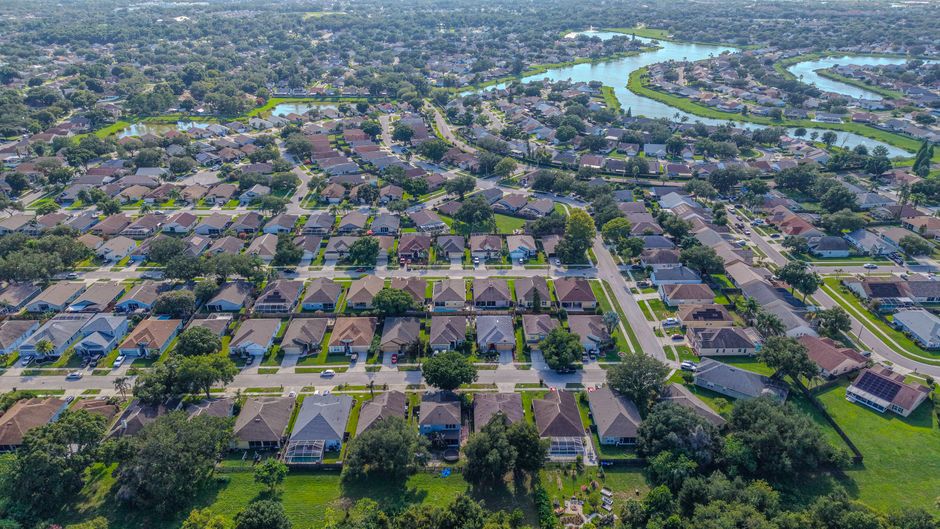
I landed at Tampa International on a Wednesday in February, and within an hour I understood why this place keeps showing up on retirement lists. The weather was warm but not oppressive—that sweet spot before it turns into a sauna. Walking around Hyde Park and Ybor City, I saw retirees everywhere: couples eating breakfast at casual spots, older folks out on the water, people who seemed genuinely settled rather than just passing through.
But Tampa isn't a no-brainer retirement destination just because it doesn't snow and the sun shows up most days. Cost of living has climbed noticeably in the past five years. Healthcare access is solid but not uniformly excellent across all neighborhoods. And while Florida's tax situation gets oversold in retirement marketing, it's worth understanding what you're actually getting. This is what I found after spending real time here and talking to people who've already made the move.
Cost of Living: It's Gone Up, and It's Still Climbing
Ten years ago, Tampa was genuinely affordable. That window has mostly closed. Median home prices have nearly doubled since 2015, putting you well over $400,000 for a typical house in desirable areas. Rent for a one-bedroom apartment in central neighborhoods runs somewhere between $1,400 and $1,800 a month, which isn't astronomical by national standards but isn't cheap either. Groceries, utilities, and dining out track close to the national average—nothing shocking there.
What matters more than the headline numbers is where your money goes and how far it stretches against your actual retirement income. If you own your home outright and live modestly, Tampa remains cheaper than most Northeast or West Coast retirement havens. If you're renting or carrying a mortgage, or if you want to stay active and eat out regularly, budget carefully. Property taxes are moderate by national standards (roughly 0.71% of property value), though Florida's homestead exemption—which reduces assessed value for primary residences—does provide some relief for actual residents.
The neighborhoods people retire to aren't all equally priced. A condo in downtown Tampa or South Tampa costs significantly more than similar square footage in Carrollwood or parts of Westshore. Pinellas County, just across the bridge, offers waterfront lifestyle at a somewhat lower entry point, though that gap is narrowing.

Healthcare: Adequate, Uneven Across Areas
Tampa has two major hospital systems—Tampa General and AdventHealth—plus several smaller networks. If you're retiring here, proximity to quality care matters, and the answer is: it depends where you land. Downtown and South Tampa have excellent access to major medical centers. Carrollwood and Westshore neighborhoods are well-served. Drive further north or south into less-dense areas, and your options thin out a little.
Specialist availability is generally solid. Gastroenterologists, cardiologists, orthopedic surgeons—they're not hard to find. The catch is that like everywhere else in America, some accept Medicare and some don't, some are taking new patients and some aren't. This isn't unique to Tampa, but it's worth verifying before you commit to a move. If you have specific health needs, call ahead to the practices you'd want to use and ask point-blank whether they're accepting Medicare patients in your plan type.
Mental health and long-term care options exist but aren't abundant. If you anticipate needing assisted living or memory care down the road, do your homework on those facilities now rather than during a crisis. Some retirees I spoke with mentioned that finding a good primary care doctor who actually listens took trial and error—again, not unique to Tampa, but something to account for in your transition timeline.
The Tax Situation: Real Benefits, Real Limitations
Florida has no state income tax. That's the headline, and it's true. You don't pay state income tax on wages, retirement distributions, Social Security, or investment income. For someone living on a fixed income in retirement, especially if a portion comes from a pension or IRA withdrawals, that absence matters.
What gets lost in the marketing is what you do pay. Property taxes exist. Sales tax is 7.5% in Hillsborough County (Tampa's home), which is moderate by state standards but not negligible. Insurance—auto and especially homeowner's—can be higher than in other parts of the country, partly because of hurricane exposure. These costs don't disappear just because there's no income tax.
If most of your retirement income comes from Social Security, the tax advantage is smaller than the marketing suggests. If you're drawing down investments or receiving pension income, the state tax savings become more meaningful. Talk to a tax professional who actually knows Florida retirees rather than relying on general assumptions. The state-level benefit is real but context-dependent.
Weather: Warmth Comes With Trade-offs
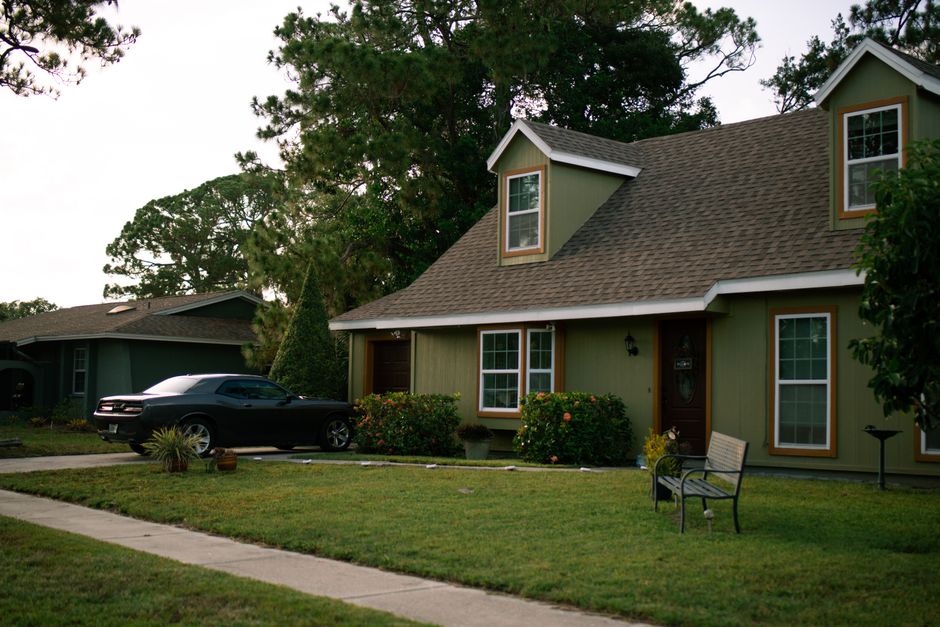
Winter is genuinely mild. December through February, you'll see daytime temperatures in the low 70s most days. No snow. No ice. People walk around in light jackets at most, and some mornings you won't need even that. If you're coming from a colder climate and dread winter, this alone might justify the move.
But summer is legitimately hot and humid. June through September, expect temperatures in the low 90s with crushing humidity. There are afternoon thunderstorms almost daily in summer—brief, intense, and they can knock out power. Air conditioning isn't optional; it's foundational. If you have mobility issues or health conditions worsened by heat, the summer stretch might confine you indoors more than you expect.
Hurricane season runs June through November, with peak activity August and September. Tampa Bay has some natural hurricane protection due to its geography, but that doesn't mean you're immune. This isn't theoretical—it affects insurance costs and should factor into your decision. If you grew up in Florida or the Gulf Coast, you already know the drill. If you're new to it, factor in the learning curve of hurricane preparedness and the psychological weight of storm season.
South Tampa: Walkable, Established, Expensive
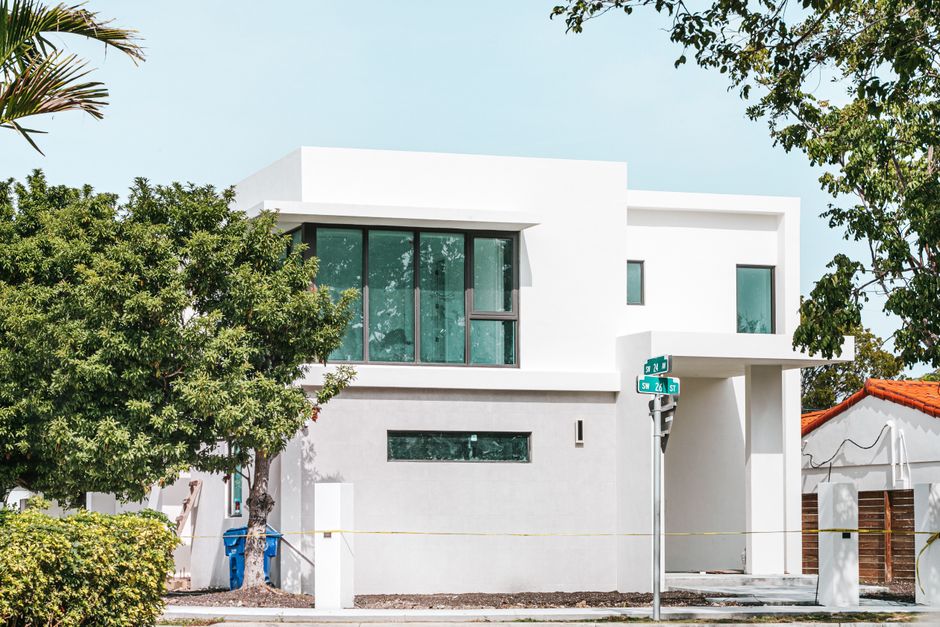
South Tampa—roughly south of Kennedy Boulevard—is where a lot of retirees end up, especially those with money to spend and a preference for urban walkability. The Hyde Park area has tree-lined streets, boutique restaurants, galleries, and a genuine neighborhood feel. You can walk to coffee shops, bookstores, and the farmer's market. Homes in established South Tampa neighborhoods run $500,000 and up; condos are more variable but still substantial.
The appeal is obvious: you're not isolated. There's cultural activity, good restaurants, and a mix of ages rather than a retirement community echo chamber. Healthcare access is excellent. The Tampa Bay area's best schools are nearby (relevant if you have grandkids), and the beaches are a 15-20 minute drive. Traffic can be heavy, especially around South Howard Avenue on weekends, and parking downtown is something you learn to navigate rather than avoid.
If you want to stay mentally engaged, maintain social connections, and don't mind paying a premium, South Tampa works. If you're prioritizing isolation, quiet, or maximum affordability, look elsewhere.
Carrollwood and Westshore: Suburban, Convenient, Middle Ground
North of downtown, Carrollwood and Westshore offer a different kind of retirement life. These are suburban neighborhoods with good schools, reliable shopping, and easy highway access. Homes and condos run cheaper than South Tampa—you might find a two-bedroom condo for $250,000-$350,000 where you'd pay $400,000+ in the southern neighborhoods. It's not a bargain, but the price-to-square-footage ratio is noticeably better.
The tradeoff is walkability. You need a car. There's less spontaneous urban buzz. Restaurants and entertainment require deliberate trips rather than being part of your daily landscape. But for people who want comfortable suburban retirement without the isolation of a gated 55+ community, Carrollwood delivers. Healthcare access is good. Publix supermarkets are everywhere. Traffic is slower, which some people prefer to the pace of South Tampa.
I found the vibe less quirky, more predictable. That's not a criticism—plenty of retirees want predictability. If you liked suburbs before you retired, you'll likely be comfortable here.
Pinellas County (Clearwater, St. Petersburg): Waterfront Without the Downtown Intensity
Just across the bay from Tampa, Pinellas County offers something different: beach-adjacent living with stronger coastal community identity. St. Petersburg has gentrified considerably and now has art galleries, breweries, and a downtown waterfront that appeals to younger retirees and older couples looking for active social scenes. Clearwater skews more conservative and traditional in feel. Both have real beach access—not a novelty in Tampa proper—and slightly lower home prices than South Tampa, though the gap is narrowing.
The practical advantage is that you're still close enough to Tampa's hospitals and services but you've got the ocean. The psychological advantage is stronger: living near the water changes how you experience daily life, even if you don't spend every day in it. Commuting to Tampa for medical appointments or specific services is a 20-30 minute drive depending on which Pinellas neighborhood and which destination.
If beaches matter to your retirement happiness, Pinellas makes sense. If you want urban walkability without car dependency, you'll find it more in St. Petersburg proper. Clearwater is quieter and sometimes feels older in the literal sense—fewer young retirees, more established, long-time residents. None of these are weaknesses, just different flavors.
The Real Questions to Ask Yourself First
Before you commit to Tampa retirement, be honest about what you actually want. Are you moving toward something—beaches, warmth, a specific community—or away from something? Do you want to stay intellectually engaged and socially active, or is quiet your priority? How much of your retirement income comes from sources that benefit from Florida's lack of state income tax? How much do you genuinely care about beach access versus just warm winters?
Visit during different seasons. February in Tampa feels great to everyone; August in Tampa separates people who can handle summer from people who can't. Spend a week in a neighborhood, not just a weekend. Eat where locals eat. Use the library. Walk around at different times of day. Talk to people who've lived here five or ten years, not just recent arrivals still in the honeymoon phase.
Tampa is a legitimate retirement option. It's not a universal answer, and it's gotten more expensive than it used to be. But if you're looking for a warm-weather city with healthcare access, moderate tax advantages, and genuine urban neighborhoods alongside quieter suburban options, you could do worse. Just go in clear-eyed about what you're actually getting.