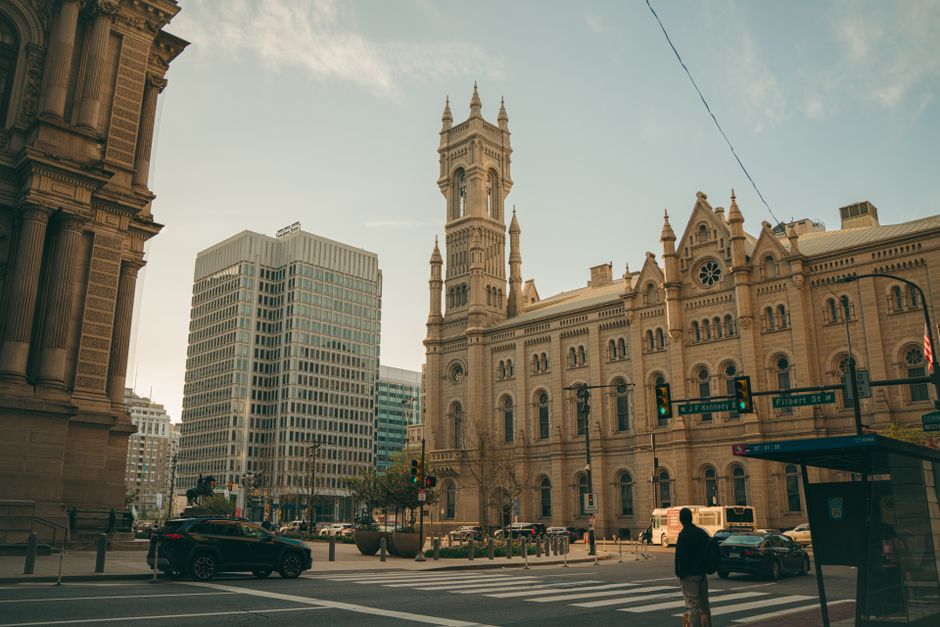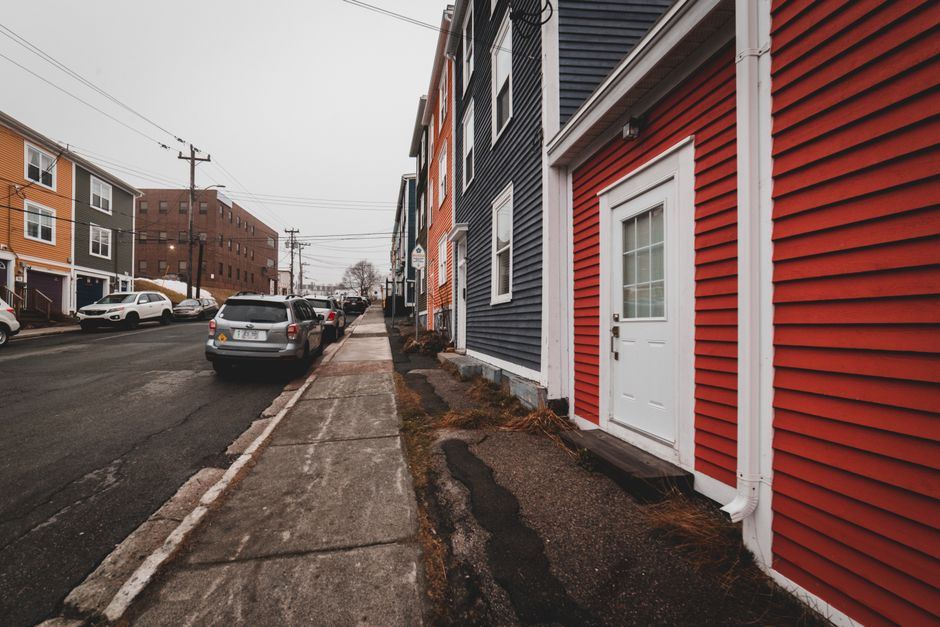
I rolled into Providence on a gray November afternoon, and the first thing that struck me was how compact and walkable everything felt. Coming from years of hopping between bigger cities, I expected the usual sprawl. Instead, I found myself in a place where you can cross multiple neighborhoods on foot in an hour, each one with its own rhythm. That's part of what makes Providence deceptive—it looks small on a map, but there's real neighborhood-to-neighborhood variation here. Where you choose to base yourself or move matters more than it might in a city twice the size.
The city's geography isn't complicated, but it's worth understanding before you commit to an apartment or book a hotel. The Providence River snakes through the center, and most of the residential character lives north and west of downtown. I spent a few weeks moving between neighborhoods, talking to people who actually lived there rather than relying on real-estate marketing copy. What follows is what I found—the practical layout of Providence's main residential areas and who really belongs in each one.
College Hill: Young, Earnest, a Bit Caffeinated
College Hill is Brown University's neighborhood, and that shapes everything about it. Thayer Street is the main commercial spine—bookstores, indie coffee shops, pizza joints that have been run by the same families for decades. The student population dominates here, especially during the academic year, which means it's loud on weekends and packed with people in their early twenties. But there's substance beneath the collegiate buzz.
If you're a young professional in your first post-college job, or if you're starting graduate school, this neighborhood makes immediate sense. The transit is good, rents are high but not catastrophic, and you'll actually find other people your age. The bars aren't trying too hard. There's a genuine intellectual energy that comes from having a major university embedded in the neighborhood. It's not affected—it's just what happens when you concentrate smart people in walkable blocks.
Families and retirees should probably look elsewhere. The noise level and the transience of the student population mean it's not a place where you settle in for ten years. But if you're 25 to 35, unattached or in a young couple, College Hill works. Just understand that you're paying for proximity to a university and a particular social energy, not for quietude or stability.
East Side: Where People Actually Stay Long-term
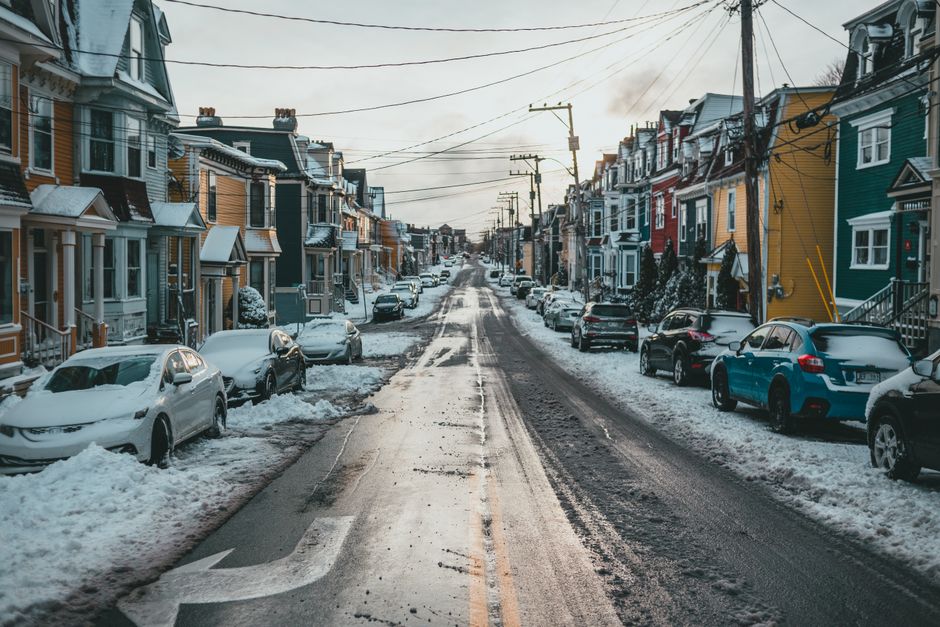
East Side is what happens when you take a neighborhood seriously as a place to live. It sits above College Hill, climbing the hill east of the downtown core, and it's predominantly owner-occupied, tree-lined, relatively quiet. The housing stock is mostly early 20th-century single-family homes and duplexes with porches and yards. It's the closest Providence gets to suburban residential character while still being in the city proper.
This is where you move when you're thinking five years out instead of two. Families with kids—especially those who prioritize walkability to schools and parks—cluster here. Retirees who left larger homes elsewhere but want an urban setting end up on these streets. It's not flashy. You won't find hot new restaurants or the kind of nightlife that makes Instagram stories. What you find is a stable neighborhood with good bones, maintained yards, and people who know their neighbors.
The trade-off is that East Side lacks the instant social friction and spontaneity of College Hill. If you're looking for an easy bar scene or a dense cluster of young professionals, keep moving. But if you want to plant yourself, East Side is the safest bet in Providence. It's the neighborhood that actually functions as a neighborhood rather than a demographic way station.
Downtown: For Those Who Need to Be in the Middle
Downtown Providence is in the middle of a long, slow transformation. The Waterplace Park renovation years ago planted seeds, and now there's actual residential conversion happening—old industrial buildings becoming lofts, restaurants filling storefronts that had been dark. If you visit as a tourist and stay downtown, you get the concentrated version of the city's offerings. If you live here, you get proximity and convenience, but also a different animal after dark.
Downtown suits visitors more than it suits residents, honestly. The hotels cluster around the convention center and the river. Restaurants and bars are walkable, and you can access most of the city's museums and attractions without leaving the area. There's an excitement on Friday and Saturday nights that drains by midweek. As a resident, you'd be paying more for your space while accepting more foot traffic and noise.
Young professionals who work downtown or need maximum walkability sometimes land here. The apartment stock is newer and more modern than in other neighborhoods, and you save commute time. But families and retirees would find it exhausting. And if you're looking for community in the deep neighborhood sense—regulars at a coffee shop who know your name—downtown doesn't really offer that. It's efficient and accessible. It just isn't intimate.

Olneyville: Honest, Gritty, Cheaper Than It Should Be
West of downtown, Olneyville gets less attention than the neighborhoods I've mentioned. It's predominantly working-class residential, more mixed racially and ethnically than East Side or College Hill, with much lower rents and real industrial history still visible in the landscape. On my first trip through, I saw that the neighborhood hadn't been fully gentrified, which turned out to be its main asset.
The restaurants and food culture here are incredible if you actually spend time. Smaller ethnic markets, a real Puerto Rican and Dominican presence, street food vendors, family-run places that serve their communities rather than tourists. It's the neighborhood in Providence that feels most like an actual city where people work and cook and live rather than perform living for an audience.
Olneyville is best for people with some urban experience under their belt. Young professionals with lower incomes, artists, people who don't need a carefully curated neighborhood aesthetic—they thrive here. Families who don't mind less-manicured surroundings and want exposure to a genuinely diverse community make it work. If you're older and looking for calm and cleanliness above all else, or if you need heavy hand-holding about what constitutes a "nice neighborhood," move to East Side instead. But if you can see the bones of a place and don't need everything pretty on first glance, Olneyville is where you get actual Providence, and you pay less for it.
Fox Point and Hope: Smaller Bets for Specific People
Fox Point is the stretch of water-adjacent real estate on the east side of the Providence River. It's residential but close enough to downtown to feel connected, with river access and a slightly less intense version of East Side's character. Hope is immediately north, also residential, with better transit access and younger demographics starting to take hold. Both neighborhoods sit between East Side's established stability and downtown's transience.
Fox Point works well for people who want to be near the river, who are willing to pay slightly more for that proximity, and who appreciate the smaller scale. It's less famous than East Side, so you get some of the same quality without the full price premium. Hope is similar but with younger families and more diversity. Neither neighborhood is particularly distinctive—they're not destinations in themselves. They're good places to live if you want a residential feel with reasonable proximity to everything else.

Getting Around and Making the Choice
Providence's transit system, RIPTA, is passable but not comprehensive. Having a car helps, but it's not essential if you're downtown, on the East Side, or in College Hill. Neighborhoods farther west or south require more planning. That's worth factoring into your decision about where to settle, especially if you work a traditional job with a fixed location.
The practical truth about Providence's neighborhoods is that the city is small enough that none of them are actually far from anything. What matters is whether you want the social density of College Hill, the stability of East Side, the convenience of downtown, the authenticity and lower cost of Olneyville, or the quieter alternatives in between. Talk to people who actually live there before you commit. Walk the streets at different times of day. Real estate listings and travel guides will tell you the same story about every neighborhood—affordable, vibrant, up-and-coming. The truth lives in the details: the actual people on the street, the state of the storefronts, whether the coffee shop has regulars or just transients. That's where you figure out if a place is real or just performing the role of a neighborhood.