I came to Providence thinking I had it figured out. The websites all point you to the same five spots, and I dutifully walked those routes on a Thursday afternoon. But by evening, I realized I'd mostly been moving through a highlight reel that feels more animated for Instagram than actually rewarding. The city's better than its postcard version. You just have to know which turns to take and which crowds to skip.
Over a few days, I started seeing the gap between what everyone tells you to do and what actually makes sense when you're standing on Benefit Street at 4 p.m. on a random weekday. That gap is where Providence gets interesting.
WaterPlace Park: Scenic, Yes. Essential, No.
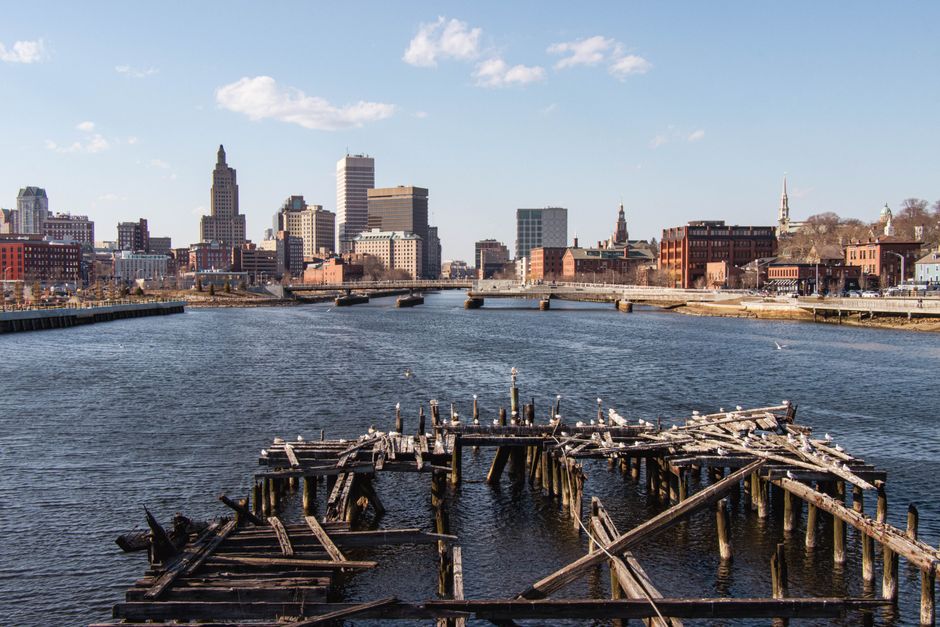
WaterPlace Park is not bad. The riverwalk design is genuinely solid, and the evening light across the water hits exactly right if you're there at the right moment. But it functions almost entirely as a photo backdrop. On weekends it fills with families and couples taking the same angles from the same stone walls. There's nothing *wrong* with that—it's pleasant, well-maintained, and the river itself is legitimately restored from its industrial past.
The problem is that everyone treats it like the main event. You'll spend thirty minutes there and exhaust what it has to offer. The restaurants flanking it are fine but generic, and the riverwalk doesn't actually connect you to neighborhoods where people live and work. It's a tacked-on bit of beautification, not a destination with momentum. If you're passing through, sure, walk it. But don't let it eat up a day that could be spent elsewhere.
Federal Hill: The Actual Neighborhood, Not the Tourist Version
Federal Hill gets written up as Providence's Little Italy, which makes people expect checkered tablecloths and red sauce joints that feel like they're performing nostalgia. Some of that exists, sure, but the real neighborhood is much livelier and more complex than that framing allows.
Walk Atwells Avenue in the late afternoon, and you'll see why it matters. There are Italian grocers that have been there for decades—the kind where someone behind the counter knows what you need before you ask. Andrade's Market stocks things you won't find in bigger grocery chains. The restaurants—both old-line and newer spots—actually have regulars sitting at the bar, not just tourists checking off a list. Nuno's, Camille's, and places like that have real neighborhood weight, not museum-piece charm.
The backstreets are residential and quiet in a way that feels like you've actually left the tourist zone. There are families here, local businesses that predate Instagram, and very little of the self-aware cuteness that can turn neighborhood dining into performance. Spend an evening eating and walking without an agenda, and you'll understand why people from Providence think this area matters.
The RISD Museum: Good But Not a Day Destination
The Rhode Island School of Design's museum is excellent. The collection is serious—real depth across ceramics, paintings, and decorative arts—and the building itself is handsome. If you love museums, it's genuinely worth a couple hours. But the marketing gravity around it suggests you should spend half a day there, and that's where the overrating starts.
Two to three hours covers it thoughtfully. The galleries are well-arranged, but it's not enormous. Once you've moved through the permanent collection, you're either circling back or relying on special exhibitions to justify staying longer. The café is decent but not a destination on its own. The gift shop is fine. Compare it to what people say you *must* do in Providence, and it makes sense as one stop among several—just not the anchor around which everything else revolves.
The Arcade: Charm Without Substance
The Arcade is probably the most architecturally significant thing in Providence—a Greek Revival structure from 1828 that's genuinely beautiful. The bones are undeniable, and walking through on a quiet afternoon gives you a sense of what downtown density was supposed to feel like.
But it functions now as a mostly empty shell with a few tenants and a lot of echoing possibility. The shops that are there are fine; the restaurants do what they do. The problem is that the Arcade's reputation has crystallized into something more substantial than what actually exists inside it. It's become a landmark you're supposed to visit and feel wistful about, rather than a place with real reason to spend time. If you're in downtown, it's absolutely worth walking through—the architecture alone justifies twenty minutes. Just don't expect to discover anything that justifies the buildup.
The Athenaeum: Books, History, and Actual Quiet
This is a private membership library that—and this is the crucial part—generally lets visitors in during business hours. Built in 1753 and actually functioning as a library for centuries, it's the kind of place that makes you understand why people cared about being readers in a pre-digital world.
The building itself is on Benefit Street, and the interior is lined with original wood shelving, historical manuscripts, and the kind of silence that most of Providence has surrendered entirely. There are maybe a handful of people inside on any given afternoon. You can sit in a reading room that feels like it hasn't changed much in a hundred and fifty years. It's not a museum—it's a working library with an active reading room, which means it has a different texture than places designed primarily for visitors.
This is one of those spots that almost no tourists know about, which means it's one of the few places in downtown where you can actually sit quietly and think for an afternoon. If you're someone who likes books and history and doesn't need constant activity, it's incomparably better than another lap around a well-lit shopping area.
Elmwood: Neighborhood Character Without the Hustle
Elmwood is southwest of downtown, and it exists almost entirely outside the tourist infrastructure. That's precisely why it's worth your time. This is a genuinely mixed neighborhood—old Victorians, a diverse population, restaurants that are clearly there for people who live nearby rather than visitors passing through.
The restaurant scene here is interesting because there's zero pressure to appeal to a particular aesthetic. You'll find Vietnamese restaurants, Italian spots, diners that have been serving the same eggs for forty years. Corner Market has been there since 1907. The businesses feel rooted rather than positioned. Walk Elmwood Avenue in the evening, and you're seeing what neighborhood life in Providence actually looks like, not what it's been packaged to be for travelers.
It's a fifteen-minute walk from downtown, or a short bus ride if you prefer. There's no real "attractions" to check off. It's just a functioning neighborhood where people eat, live, and move through their days. If you want to understand how Providence actually operates outside of the curated downtown zone, Elmwood shows you.
Brown University: Pretty Gates, Limited Substance for Visitors
Brown is a beautiful campus, and College Hill is genuinely nice to walk through. The architecture is legitimately impressive in places, and the neighborhood density around the university is appealing. But treating Brown as a tourist destination feels like a misuse of your time.
You can walk the public paths and see the brick buildings and understand why people like being here. That takes about an hour. After that, you're either touring as part of an actual prospective-student group or you're wandering through what amounts to private educational real estate without any particular reason to be there. The surrounding neighborhood—Thayer Street and the shops and restaurants—is fine but not remarkable. The bookstore is decent. None of this adds up to a must-see.
If you're interested in the history of higher education or architecture specifically, sure, spend time here. For most travelers, a thirty-minute walk gives you the idea and gets you back to neighborhoods where you're actually welcome and can eat or sit without a visitor's self-consciousness.
Kennedy Plaza Revisited: Functional, Not Experiential
Kennedy Plaza is the downtown transit hub—a necessary intersection point rather than a destination. It's recently undergone renovation, and it's cleaner and more navigable than it was. For what it is, it functions well. But there's nothing here that justifies lingering.
Food halls and prepared-food courts are easy defaults, but they've become ubiquitous enough that spending time at Kennedy Plaza for food doesn't make sense when Federal Hill, Elmwood, and other neighborhood spots offer actual restaurants with character and history. The plaza is best used as a transit point and a way to get oriented, not as a place to build an afternoon around.
Frequently Asked Questions
Is Providence Rhode Island worth visiting
Yes—if you're willing to skip the obvious tourist stops and spend time in actual neighborhoods. Federal Hill, Elmwood, and the Athenaeum justify a weekend. The RISD Museum and Benefit Street are also solid. Most people oversell WaterPlace Park and Brown University as must-sees when better experiences are thirty minutes away.
What is Providence RI famous for
The city is known historically for textiles, jewelry, and architecture. Today it's probably best known for the RISD Museum, Brown University, and the restored riverfront. But the actual character comes from neighborhoods like Federal Hill and Elmwood, which most visitors skip. Providence is more interesting for its working-class texture and real restaurants than its branded attractions.
How many days do you need in Providence
Two or three days is plenty. A day covers the RISD Museum, a walk through Benefit Street, and the Athenaeum. Your second day can be spent in Federal Hill and Elmwood, eating well and walking without a specific agenda. Anything beyond that is adding time you probably don't need unless you're also exploring Rhode Island beyond the city.
Which one would you visit?