
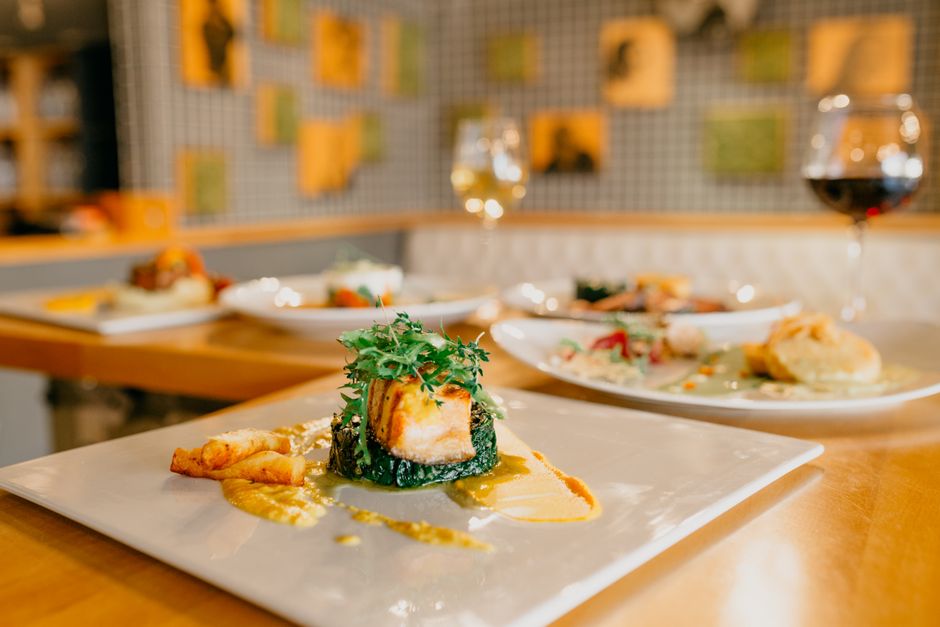
I landed in Charleston on a Thursday in March with a loosely written list and zero reservations. The humidity hits different here—warm enough to make you move slow, eat outside, and think about shrimp for every meal. After a few days of table hopping, standing at bars, and sitting alone with a plate of fish at lunch when the restaurants were half-empty, I figured out which places actually earned the attention.
Charleton's restaurant scene isn't exactly undiscovered. The whole downtown hums with noise and foot traffic, especially at dinner. But there's real food happening here, not just Instagram backdrop stuff. The trick is knowing where to go, what to eat when you get there, and whether you can actually get a table without planning a week ahead.
The Quick Bite: Bowens Island Oyster Roast
Bowens Island sits on a creek about ten minutes from downtown, and it's the closest thing to a working waterfront joint that still exists around here. You walk in, the smell of charred oyster shells hits you, and there's zero pretense. Order oysters. They roast them on a metal sheet over a fire pit, and you eat them standing up or sitting on picnic tables with your fingers and a small knife. A dozen costs somewhere in the $15–20 range depending on the season and what just came in.
The vibe is genuinely local. You'll see families, fishermen, people who live here year-round. It's loud, a bit chaotic, and the bathroom situation is basic. On weekends it fills up fast, but weekday afternoons are manageable. The real downside: it's cash-only or card at the register, and they don't take reservations. Show up before 6 p.m. if you want to eat without waiting an hour. The parking lot is gravel and small—get there early or be prepared to walk from the street.
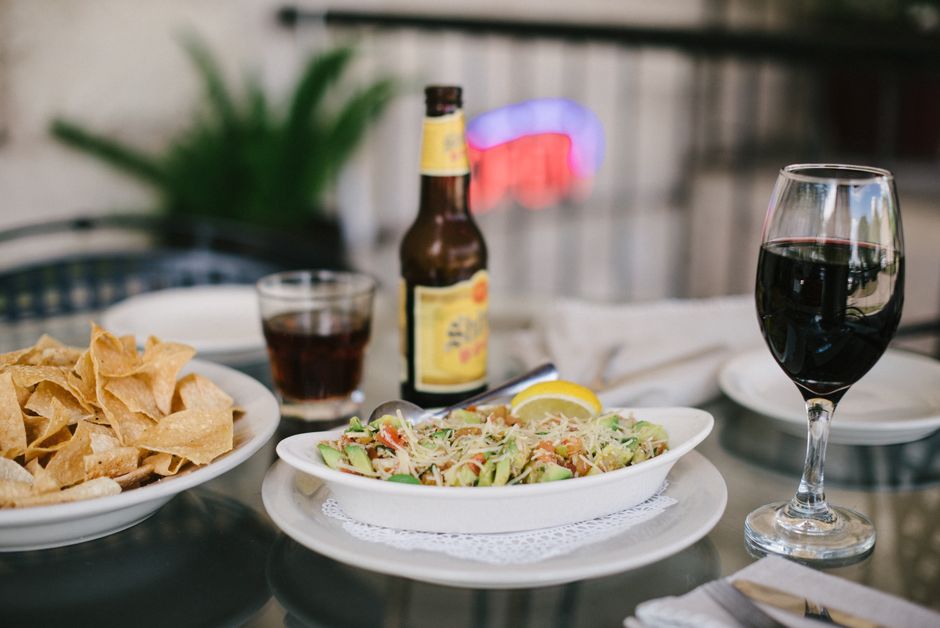
When You Want Serious Seafood: 167 Raw
167 Raw is a raw bar with a wine list that actually thinks, located in a thin, loud space downtown. It's oysters, clams, crudo, a few cooked things. You sit at the counter or at small tables packed close together. The oysters are impeccable—they rotate through different suppliers and origins—and the staff knows what they're talking about without being annoying about it.
Order the oysters (they'll help you pick), ask for the crudo if they have it (it changes), and don't skip the butter-poached crab if it's available. Prices are upper-middle: oysters run $3–4 each, a full meal with wine probably lands you at $50–70. The noise level is significant. It's a tight room, voices carry, and it's designed that way. If you need quiet, this isn't your place. Weekday lunch is a different experience than dinner—much calmer, same food, and you can actually hear the person next to you. Parking downtown is the usual nightmare; there's a deck a block away and street spots if you're lucky.
The Neighborhood Spot: Husk
Husk has been around long enough that it's not new news, but it's still genuinely good and less frantically trendy than it was five years ago. Southern food made from sourced ingredients—it's that kind of place. But the kitchen treats it like cooking, not a concept. Fried chicken, shrimp and grits, vegetables done right. The dining room is pretty, brick and wood, not aggressively designed.
Order the biscuits, the fried chicken, and whatever vegetable special they're running. Prices are moderate: dinner entrées run $18–32, and you can eat well for under $40 including drinks. The service is actual hospitality, not rushed or overly formal. The main limitation is that it can get loud during peak hours, and reservations are smart but not always necessary if you eat at odd times. They have a bar if you want to sit as a solo diner without feeling like you need a table for two. Parking is available on the street or in nearby lots; it's not as brutal as some downtown spots.

Low-Key and Solid: Bowens Island Restaurant
Different from the oyster roast. This is the sit-down restaurant also on Bowens Island, a small place with a kitchen that cares about what it's doing. Local fish, simply cooked, prices that don't require a second mortgage. The space is casual, views are decent, and it doesn't feel like you're performing for anyone.
Get the fish of the day. Seriously—ask what came in, and eat that. Sides are usually good. A meal here runs you $25–40 total, and the wine list is short and helpful. The downside is it's small and fills up at dinner, so you might wait without a reservation. Lunch is a smarter move for walk-ins. The parking is adequate, and it's quieter than anything downtown since it's a few minutes out. If you want honest cooking without the scene, this delivers.
High-End, Worth the Price: The Ordinary
The Ordinary is loud, crowded, and probably the most consistent seafood restaurant in the city. It's high-volume, run with precision, and everything on the menu works. Oysters, clams, uni, lobster, grilled fish. The space is industrial—high ceilings, noise bounces everywhere, it's essentially a seafood hall you stand or sit in. There's a bar and tables, and the energy is unmistakably Charleston restaurant scene.
Order whatever seafood you want; it's all good. Prices are upper-range: $50–80 per person for a full meal. The kitchen moves people through efficiently, so even though it's always packed, you're not languishing. The noise level is a real factor—this is not a place for intimate conversation. Reservations are required, and they book fast. It's worth booking ahead if you want to eat here. Parking downtown; accept that you'll hunt or pay for a deck.
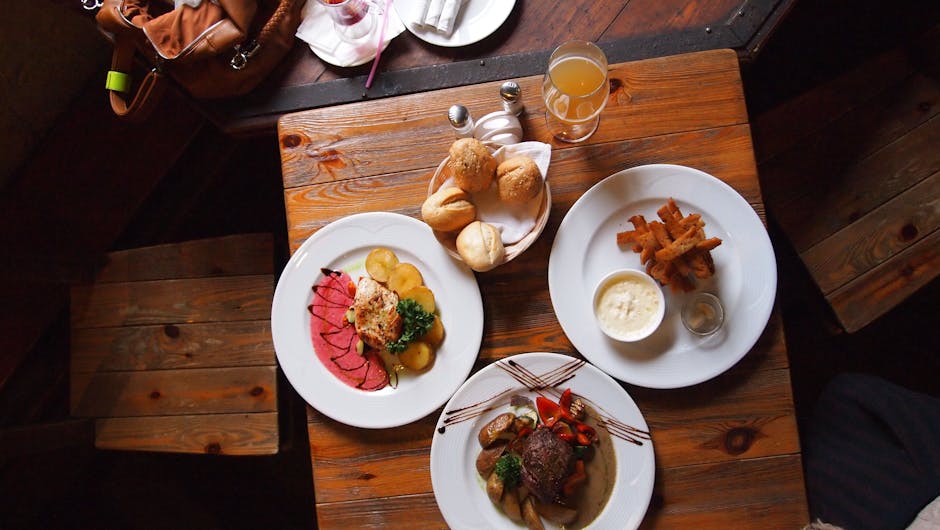
When You Want Smoke and Meat: Shem Creek Crab House
Shem Creek is technically just over the bridge on St. Helena Island, but it's worth the short drive. You're eating overlooking a working creek, watching boats, and eating seafood that came from that water. It's the opposite of polished—weathered, functional, real. The crab is cleaned and cooked there. You crack it yourself or they do it for you.
Order the crab. Prices are moderate: a full crab dinner with sides is $30–50. It's casual, outdoor seating or a simple indoor space, and the vibe is local and unpretentious. The downside is that in peak season or weekends, it gets busy and waits can happen. Also—and I mean this kindly—the facilities are basic. It's not fancy. If you want casual, authentic, and genuinely connected to the place you're eating, it's excellent. If you need pristine bathrooms and lots of personal space, eat elsewhere. The parking lot is adequate.
Solo Dining Reality in Charleston
Most of these places are fine for eating alone. The raw bars and counter seating spots (167 Raw, The Ordinary's bar) feel natural solo. Sit-down restaurants with a single reservation less so, but servers here are used to solo travelers, especially for lunch. Weekday meals are easier in every respect: fewer people, shorter waits, easier to get a table same-day. Save the reservations for dinner on weekends if that's when you're here.
The city's restaurant density means you're never more than a few minutes from good food. The trick is not trying to cram every notable place into four days. Pick two or three, eat the others on your next visit. That's how you actually taste the place instead of just checking boxes.
Frequently Asked Questions
What is the best restaurant in Charleston SC for seafood
The Ordinary, 167 Raw, and Shem Creek Crab House are the top choices depending on your budget and vibe. The Ordinary is high-end and efficient, 167 Raw is a wine-focused raw bar, and Shem Creek is casual and creek-side. All three focus on fresh, well-handled seafood without gimmicks.
Do Charleston SC restaurants require reservations
Most good restaurants book up, especially at dinner and weekends. The Ordinary and Husk require advance reservations. Bowels Island spots and some raw bars are walk-up friendly during off-peak hours (lunch, weekday evenings). Call ahead if you're unsure; it takes two minutes and saves frustration.
How much does it cost to eat at restaurants in Charleston SC
Casual spots like Bowens Island Oyster Roast run $15–25 per meal. Mid-range restaurants like Husk are $25–40. Upscale seafood like 167 Raw and The Ordinary range $50–80 per person. You can eat well across all price points; it depends on what kind of experience you want.
Which restaurant would you try first?



