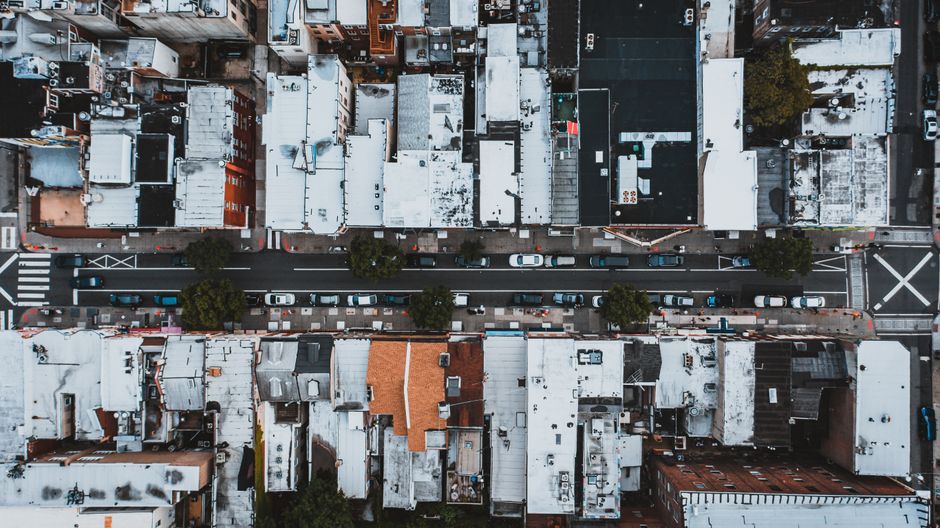
I rolled into Charleston on a humid afternoon in September, the kind of heat that makes you move slower and think clearer. The city sprawls across a peninsula where the Ashley and Cooper rivers meet, and it's the rare American place where the tourist infrastructure hasn't completely erased the local rhythm. You can feel it in how people actually talk to strangers on King Street, how the restaurants here still serve food that tastes like it belongs to the place rather than a corporate template.
I spent two weeks eating my way through the city, mostly alone at bar seats and corner tables. Charleston's food scene isn't exactly undiscovered anymore—the magazine pieces and the travel blogs found it years ago—but there's still something genuine happening in the kitchens. You just need to know where to sit and what to actually order instead of what Instagram told you to want.
Leon's Oyster Shop for the Fried-Chicken Moment
Leon's isn't trying to fool anybody. It's a counter-service spot with a couple of picnic tables inside and out, the kind of place where you queue and wait your turn, and the walls are papered with old photographs and hand-drawn signs. The fried chicken is the reason to come—it's brined, hand-breaded, and fried in a way that feels almost careless until you bite into it and understand the precision underneath.
Order the two-piece combo if you're solo; it comes with two sides, which means you can get the pimento mac and cheese and the collard greens, and that's really all you need. The chicken is crispy and stays crispy for several minutes, which matters more than you'd think. A full meal runs about $15 to $18. The vibe is casual-genuine, the kind of place where construction workers and tourists sit at adjacent tables without anyone pretending they're not in the same room.
The honest downside: it gets packed during lunch and dinner. I went at 4:30 p.m. on a Tuesday and still waited twenty minutes. The wait isn't terrible—you can stand outside—but if you're solo and used to disappearing into a restaurant without an audience, you're eating your meal pretty quickly in a room full of other people.
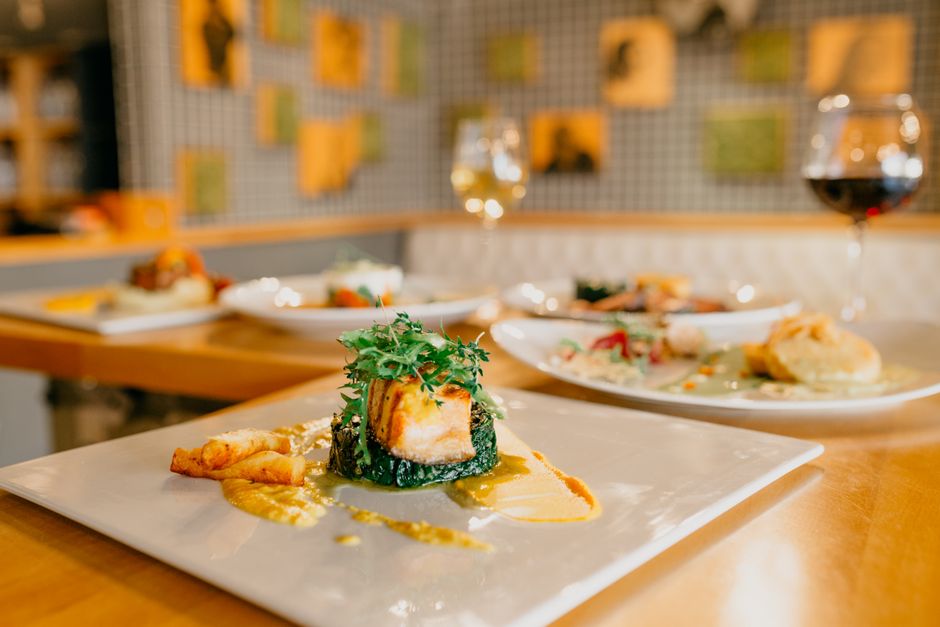
FIG for When You Want to Sit at the Bar
FIG sits on Meeting Street in a converted warehouse space, and the open kitchen means you can watch the cooks work while you eat. It's not fancy in an intimidating way—the place feels like it exists for regular eating, not for performing dinner. The menu changes seasonally and focuses on what's available locally, which in the Lowcountry means incredible vegetables, seafood that tasted ocean water that morning, and pork prepared about fifteen different ways.
I sat at the bar and had the wood grilled fish with charred broccolini and some kind of brown butter situation that I watched the chef make twice because different cooks did it twice. It was maybe $28 to $32 for the entree. The bar seat meant I could talk to the bartender, a woman named Sarah who actually knew the wine list instead of just reading off descriptions. A glass of wine was $10 to $14. The room has a working-dinner noise level—people talking, but not shouting over each other.
The catch: parking downtown can be a hassle. There's lot parking nearby, but you're paying for it and walking a few blocks. Also, if you're dining solo at the bar on a Friday or Saturday night, you might feel the buzz of couples and groups around you. It's not unfriendly exactly, just energized in a way that can feel slightly apart if you're alone. The service is sharp enough that you won't feel abandoned, though.
167 Raw for Oysters and Low Prices
This is a small raw bar tucked into a spot that doesn't announce itself loudly, which is probably why locals still go there. It's casual to the point of bare-bones—a few stools, some counter space, and a man shucking oysters with the kind of efficiency that comes from doing the same thing ten thousand times. The oysters rotate depending on what's coming in, and they're usually priced at about 70 cents to a dollar each during happy hour, which runs from 3 to 5 p.m. and again from 9 to 11 p.m.
I went at 4 p.m. on a Thursday and had a dozen oysters—a mix of locals and whatever was coming from somewhere farther away that day—for about $10. The bartender cracked a beer without my asking for recommendations, just handed me something cold and carbonated. The whole scene felt like stepping into someone's actual lunch break rather than performing the role of restaurant guest. The oysters are fresh, the service is businesslike and kind, and nobody cares that you're alone.
The downsides are minor but real: the space is small, so there's not much seating. If you arrive at peak hours, you might end up standing. Also, the raw bar's inventory changes daily, so you don't have control over exactly which oysters you're getting—you work with what came in. That's part of the appeal for some people, but if you have specific preferences, you'll need to ask.
The Ordinary for Seafood Theater (If You Time It Right)
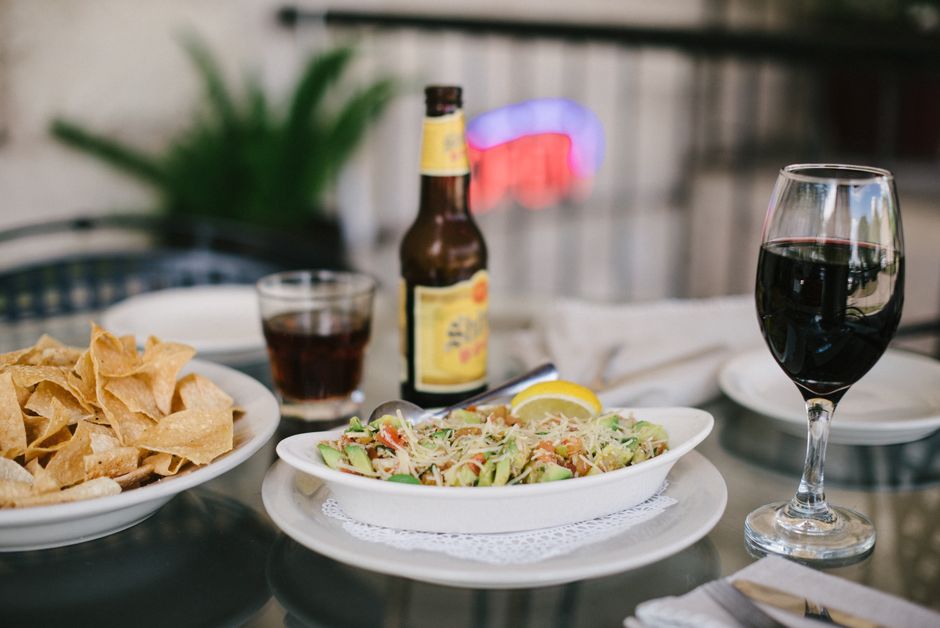
The Ordinary is a seafood hall with high ceilings, white tile, and a serious marble bar that runs down the middle. It's owned by Mike Lata, who also owns FIG, and it's styled like a Parisian fish counter, which means it's loud and busy and feels like an event even when you're just eating lunch. The menu is huge and changes twice a day—it's printed on the wall and updated around 10:30 a.m. and again around 5 p.m.
Order oysters if they're available at the bar price (usually $1.50 to $2 each), and get a whole roasted fish if you're feeling adventurous. The fish is sold by weight and cooked while you watch, and it arrives split down the middle with citrus and whatever olive oil they're pushing that day. Entrees run $20 to $35 depending on what you choose. The vibe is genuinely festive—a lot of people, a lot of noise, a lot of people celebrating something or just celebrating Tuesday.
The reality: you can't book a table, so you're waiting. I went at 11:45 a.m. and sat down by 12:15. Go at an off hour—between lunch and dinner, or very early—and you'll be fine. Solo diners actually fit in well here because the bar seating is designed for exactly this. But if you go at peak times expecting to walk in and sit immediately, you'll be disappointed. Also, the noise level is high enough that if you're someone who finds crowded restaurants draining, this won't be your place.
Vossloh's Bagels for Morning Clarity
This is a bagel shop on King Street that's been making bagels from scratch for years, and it's the kind of place that looks small and modest until you realize every person in line knows what they're ordering. The bagels are boiled and baked the way bagels are supposed to be made—chewy on the inside, with a thin crust that cracks slightly when you bite into it. They're not fluffed up or trendy; they're just correct.
Order the whole wheat everything bagel with scallion cream cheese, or the plain with butter if you're in a purifying mood. A bagel and coffee runs about $8 to $10. The shop has a couple of tables inside, so you can sit and eat with a book or your phone without anyone caring. The crowd is local—people grabbing breakfast before work, a few tourists who found the place, a couple of people doing emails at the corner table. It's quiet-morning quiet, the opposite of The Ordinary's organized chaos.
There's no real downside except that they close at 3 p.m., so if you're a late breakfast person or sleeping in while traveling, you might miss it. Go early. That's the whole thing.
Bowens Island Oyster Roast for the Natural Wine and Messy Beauty
Bowens Island is technically north of Charleston proper, on a barrier island, but it's close enough to include. It's an open-air oyster roast situation with weathered picnic tables, a raw bar, and a kitchen that serves fried seafood and locals' standards. The oysters come charred from a wood fire, which gives them a smoky edge that you won't get from raw oysters. Natural wine is the focus—the list is small and shifts, and the wines are weird and cheap in the best way.
Order oysters by the dozen, fried shrimp if you want something substantial, and a glass of whatever orange wine they're pouring that day. A dozen oysters and a glass of wine runs you maybe $25 to $30. The vibe is exactly what it sounds like: people gathered outside, some music playing, the sound of shells cracking and conversations overlapping. You sit on picnic benches next to strangers. Solo travelers actually blend in completely here because the whole scene is communal by design.
The real issue: it's weather-dependent. You're eating outside, so rain or cold temperatures change the whole experience. Also, the tables are picnic-style, meaning you might be sitting next to a group of eight celebrating something loud, and there's no real privacy. But if you're eating alone and looking to feel part of something without actually having to make conversation, this is the spot. The messiness is the point.
Nightlife Snacking at Bowery and Gin Houses
If you end up out late—and Charleston's bar scene has actual depth if you look past the plastic-cup beach bars—you might want food after dinner. Bowery is a cocktail bar that serves snacks and small plates until late, and it's one of those places where the bartender remembers what you ordered the night before if you show up twice. The space is narrow and dark, lit by Edison bulbs, and it feels like a place where people actually know each other, even though it's open to tourists. Order whatever charcuterie board they have; it's usually about $16 to $22 and comes with bread and pickled things and meat that tastes like meat.
Gin Houses, if it's still operating when you visit, is a quieter alternative on East Bay Street. It's a neighborhood bar disguised as a restaurant, with a small kitchen and a focus on serving drinks with proper snacks. Both spots are low-key enough that a solo diner doesn't stand out, and both have bartenders who treat you like you belong there. Gin Houses especially feels like the kind of place locals use as their third space—work, home, Gin Houses. A cocktail runs $12 to $16, and snacks are similar to other spots in the price range.
The Honest Takeaway
Charleston eats well because the city's obsession with its own history and preservation has somehow kept it from becoming a pure tourism machine. Sure, there are restaurants designed exclusively for Instagram, but they're not the whole story. The restaurants I came back to—the oyster shacks, the counter-service chicken spots, the neighborhood bars—exist because locals want to eat there. That's the distinction that matters.
Timing and expectations will shape your experience more than any review I write. A solo traveler has actual advantages in Charleston: you can eat at bars and counters without it being weird, you can show up at random hours and fit in, and you're unburdened by the group dynamics that can make eating complicated. Go early when you want peace. Go late when you want company without obligation. Eat at the bar. Ask the person next to you what they ordered.