I arrived in Charleston on a gray Tuesday in October, the kind of morning where the humidity had finally broken and the place felt breathable for the first time in months. I had no meetings, a laptop, and about three weeks to kill. That meant cafes. Not the kind where you order a latte and leave—the kind where you can plant yourself for four hours, refill your cup twice, and nobody shoots you a look about table turnover.
Charleston's cafe scene has expanded in the last few years without turning into a homogenized coffee-shop chain situation. There are still places where locals recognize each other, where the baristas actually know what they're doing, and where you can find a quiet corner to work or a good sight line for watching the neighborhood drift by. What follows is not an exhaustive list—it's a working list, built from actual time spent in these spots with my laptop open or a book in hand.
Husk Coffee, King Street
Husk is the kind of place that could've easily become insufferable once it caught on, but somehow it hasn't. It's connected to the restaurant of the same name, though the cafe operates independently. The space is all high ceilings and restored brick, plenty of natural light from King Street, and the seating situation is legitimately good—a mix of communal tables, corner spots with outlets, and bar seating along the window.
The coffee is solid. They work with local roasters and actually care about the preparation. The pastries rotate depending on the day, but the croissants are reliable, and if you catch them with a soufflé pancake or quiche, order it without overthinking. The wifi is strong, the noise level is manageable during off-peak hours (mornings before 10 a.m. are golden), and the staff seems genuinely unbothered by people camping out with laptops.
King Street itself is the city's main commercial drag, so you get foot traffic, some tourist theater, and that particular Charleston weather where it's either perfect or miserably humid. But inside Husk, you're insulated. If you're working on something and need to take a break, you can step outside and hit a dozen shops and galleries within a two-block radius.

Callie's Hot Little Biscuit, West Ashley
Callie's is not technically a cafe in the traditional sense. It's a bakery-slash-biscuit counter in West Ashley, just off Meeting Street, and it's aggressively good at what it does. The space is small—three or four tables, a window counter, and not much else—but the biscuits are legendary enough that it's worth the cramped seating if you're after a legit breakfast.
Their biscuits come warm, flaky, and topped with whatever protein or combination you want. The sausage gravy is made right, the egg is properly cooked. Coffee is decent, not groundbreaking, but warm and sufficient. The real draw is sitting at the counter with a hot biscuit, watching the West Ashley neighborhood move past, and understanding why locals have maintained this place's reputation without it becoming a tourist trap destination.
It's not ideal if you're trying to work for hours on a laptop—the tables aren't built for that, and it gets crowded at breakfast. But if you're the kind of person who genuinely enjoys people-watching and doesn't need wifi, fifteen minutes at Callie's beats an hour at a sterile work-cafe. Go early, before the rush.
Brewing Tree Coffee, East Side
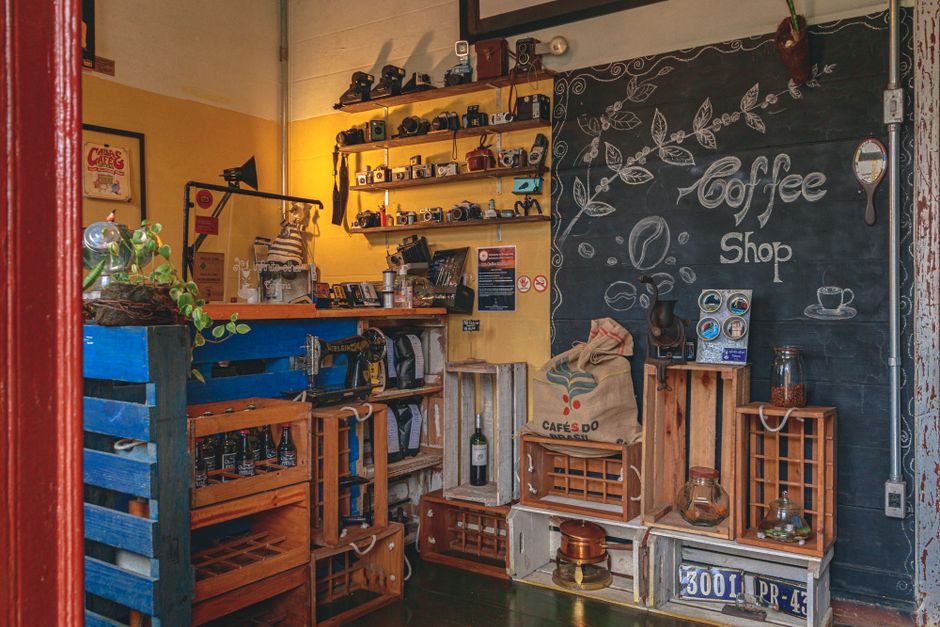
Brewing Tree is on Folly Road on the East Side of Charleston, and it's the kind of neighborhood coffee place that tourists almost never find unless someone tells them. This is the lesser-known spot. It's small, genuinely indie, and run by people who seem to actually like the work. The space has mismatched vintage furniture, real plants, natural wood, and a vibe that feels intentional without being performative.
The coffee is genuinely good—they take their sourcing seriously and you can taste it. The pastries are from a local baker, and they change, but consistency is high. Wifi exists and works. There are a few tables, plus some corner seating, and the noise level is low enough that you can actually concentrate if you need to.
The East Side location means you're not surrounded by King Street retail or the tourist corridor. It's residential, quieter, with locals who know each other and a lot less of that self-conscious Charleston energy. If you're looking for actual solitude, or just want to work in a place where nobody is performing for Instagram, Brewing Tree is where you land.
The Ordinary, Downtown
The Ordinary is a seafood restaurant with an exceptional raw bar, but it also functions as a proper cafe during off-hours. It's in a converted warehouse space downtown, near the waterfront, with high ceilings and genuine architecture. During lunch service you won't get a table without a reservation and a real appetite. But hit it at 8 a.m., and there's room, the place is quiet, and you have access to their full coffee and pastry program.
The pastries here are not casual. They source from a serious local baker and the quality is noticeably high. The coffee is prepared with actual care. The seating is restaurant-grade—comfortable chairs, real tables with space to work, plenty of outlets. The water views are a bonus that doesn't hurt. You're paying slightly more than you would at a typical cafe, but the experience and the quality are proportionally better.
The catch is that it fills up fast once brunch service starts, so you need to be an early person or you're out of luck. But if you've got a flexible schedule and want to work somewhere that feels like a proper establishment rather than a cookie-cutter coffee shop, The Ordinary delivers.
Black Tap Coffee, Market Street
Black Tap is tucked on Market Street in the historic district, close enough to the tourist center of things but set back just enough that it doesn't feel completely overrun. It's a proper espresso bar with a focus on specialty drinks, but not in that fussy way that makes people nervous about ordering wrong. The staff actually explains things, and the drink quality is consistent.
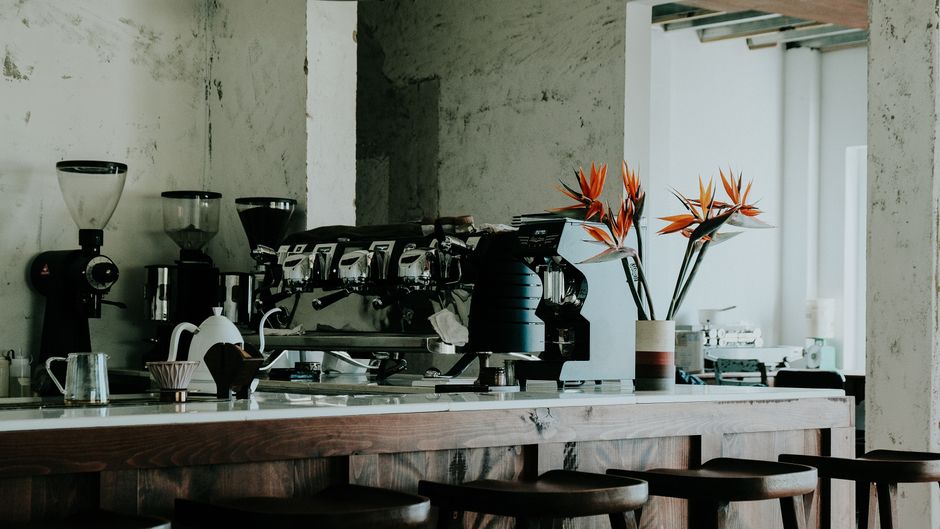
Seating is limited but thoughtfully arranged—a few bar stools overlooking the espresso machine, a couple of tables, and enough space that it doesn't feel cramped. The wifi works. The pastries are good, though not the main event. The real draw is the coffee itself if you actually care about that sort of thing. If you're a casual drinker, it'll still taste good; if you're the type who notices the difference between beans, you'll understand why people go out of their way.
Market Street has that weird Charleston mix of touristy and actual neighborhood—you've got galleries, specialty shops, some street musicians, and actual people who live here running errands. Sitting at Black Tap, you get that mix without being completely overexposed to the carnival atmosphere of King Street or the waterfront.

What Actually Works for Staying Awhile
If you're planning to actually work, wifi and outlet availability matter more than atmosphere. Husk and The Ordinary both have solid infrastructure. If you care more about quiet focus, Brewing Tree is your move. If you're reading and people-watching, Black Tap or Callie's will give you that easily.
Charleston's weather is a factor that actual residents and extended visitors deal with constantly. Most of these places have decent climate control, but the city's humidity in summer means you'll spend part of your stay working from wherever has the coldest air. That's fine. That's just how it works here.
Wifi quality varies, but it's generally reliable at all of these spots. If you're doing something that requires constant, mission-critical connectivity, call ahead. Most places are fine with laptops during normal hours, but avoid peak times if you can—that's just being considerate.
The Neighborhood Thing
The neighborhood you pick matters. King Street and downtown areas near the waterfront will have more foot traffic, more tourists, more of that Charleston self-awareness. The East Side and West Ashley spots feel more genuinely residential. Neither is wrong—it depends on what you need. Some days you want atmosphere and people. Other days you want to feel invisible and actually focus.
Charleston is small enough that you can hit multiple cafes in a day without much hassle. The city's not huge, the blocks are walkable, and you can loop between neighborhoods without burning much time or energy. That makes it easier to build a rotation—Husk on Monday, Brewing Tree on Wednesday, Black Tap when you want espresso technique, The Ordinary when you want to feel like you're getting your money's worth.
If you're staying longer than a week, this rotation approach saves you from burning out on any single spot and gives you the genuine local experience of actually having a few places, rather than one cafe that you never leave.