I arrived in Richmond on a Thursday evening with the standard solo traveler's dilemma: I was hungry, didn't know the city yet, and had no interest in chain restaurants or overcrowded tourist traps. What I found was a food scene that punches way above what you'd expect from a mid-sized Southern city. The Fan District and the Downtown corridor have been quietly building something real over the past decade—not Instagram-bait places, but restaurants where actual locals eat and chefs actually care about what lands on your plate.
I spent the better part of a week eating my way through Richmond, sitting at bars alone, asking questions, and taking notes. Some places were worth the hype. A few were overrated. Most fell somewhere in the middle—solid, honest, worth your time and money. Here's what I found.
Mama Zu for Handmade Pasta and Theater
Mama Zu sits on a narrow street in the Fan, and the first time you walk in, you're stepping into someone's idea of what an Italian kitchen should feel like. The dining room is open to the pasta station; you can watch the kitchen work. It's a little loud, intentionally so—all that energy funnels into the room, and if you're sitting at the bar, you're part of the show.
The pasta is the main event. The tagliatelle bolognese is rich and slow-cooked, the kind of thing that makes you understand why people get obsessive about Italian food. The cacio e pepe works too, though it's less of a revelation. Pasta prices hover around $16–$22, and you'll want to order a second plate if you're truly hungry. The real downside here is timing. Service can be inconsistent—I watched tables get forgotten for stretches, then suddenly rushed through—and if you come without a reservation on weekends, you're looking at 45 minutes minimum. Weeknight walks at 6 p.m. are your best bet if you want to eat alone and keep some peace.
Worth ordering: Tajarin, any special pasta of the week, and the wine list is brief but solid. Budget $25–$40 before tip.
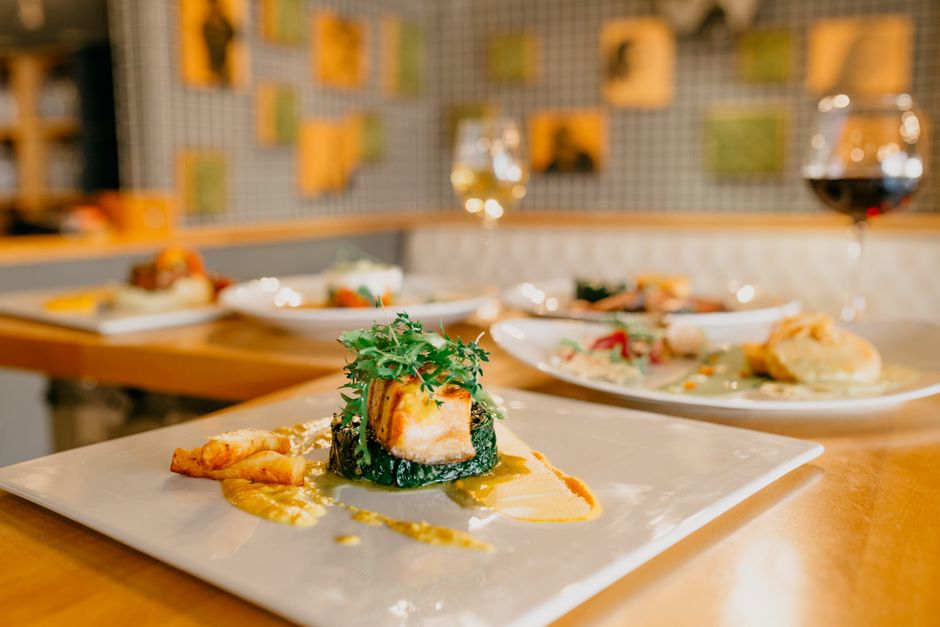
Edo's Squid for Sushi Without Ceremony
This place doesn't look like much from the street. It's a small sushi counter with about eight seats, no frills, no ambient music meant to make you feel sophisticated. The chef is Japanese, the fish is fresh, and the approach is straightforward—good sushi doesn't need a backstory.
Sit at the counter if you can. Order omakase and let the chef decide. I got maybe 12 pieces for $45, and every one was handled with care but without pretense. The uni was clean, the toro melted, the white fish had actual texture. This is not the kind of place where you'll be wowed by some molecular twist or a creative roll name. It's the kind where you remember why good sushi is simple.
The honest note: Edo's is cash-only, and the counter fills up fast at dinner. If you're solo and flexible, go early—5:30 or 6 p.m.—and you'll have a quiet seat with direct conversation with the chef. Later, it gets crowded and you're elbow-to-elbow. Budget $40–$60 for omakase, less if you order à la carte.
L'Étoile for French Cooking That Doesn't Announce Itself
L'Étoile isn't decorated like a French bistro should be, if you're picturing checked tablecloths and brass railings. The space is understated, almost minimalist. The food, though, is classically French in a way that's becoming rare—careful technique, restraint, the kind of cooking where you taste butter and duck and nothing else because nothing else is needed.
The duck confit is the signature and for good reason; it's cooked until the meat surrenders but the skin holds a snap. The escargots are proper, the sole is delicate. Mains run $22–$32, and you'll want to pace yourself because the portions aren't tiny. The wine list leans French, and the sommelier is genuinely knowledgeable without being condescending.
One real constraint: it's a small place and it books up. Sunday through Wednesday are quieter and easier for solo diners to slip in, though you should still call ahead. On weekends, it's the kind of place where couples linger and the table turnover slows. Budget $35–$50 before wine and tip.
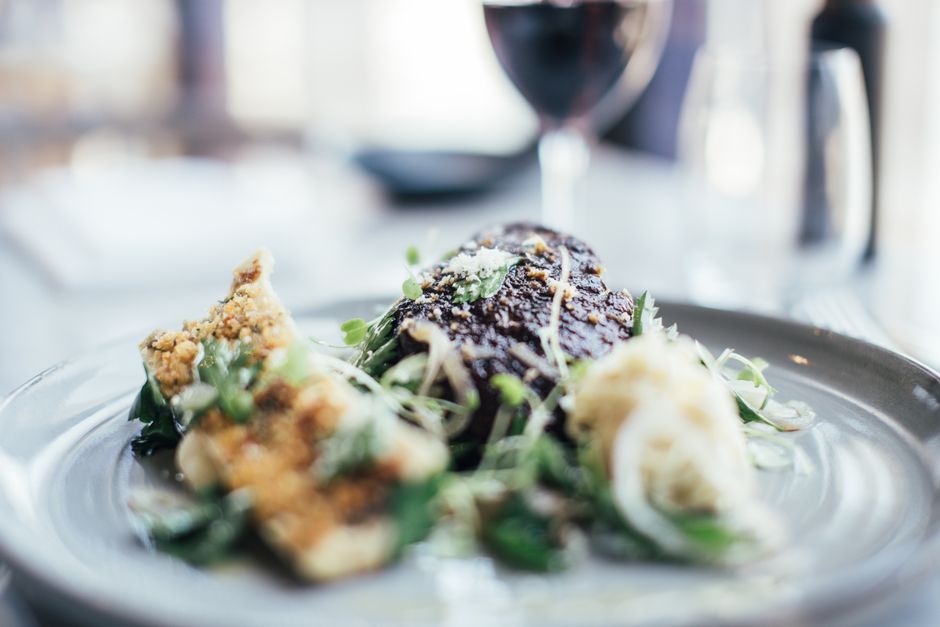
Bamboo Cafe for Vietnamese That's Better Than the Price Suggests
Bamboo Cafe is in a strip mall alongside a laundromat and a cell-phone repair shop. The dining room is bright, a little cheerless, with plastic chairs and laminate tables. It's the kind of place that doesn't look like it should have great food. It does.
The pho is clear and properly built, with broth that tastes like it actually simmered. The banh mi is reliable—the bread is the weak point (not all banh mi places have access to proper banh mi bread in Richmond), but the filling is solid. The vermicelli bowls are where Bamboo Cafe really shines; I ordered the grilled pork and the combination of char, herbs, and acid from the fish sauce dressing is exactly what it should be. Everything hovers around $8–$12. You could feed yourself very well here for under $15.
The atmosphere isn't intimate or interesting, so don't come expecting ambiance. Come hungry and come expecting good, unfussy Vietnamese food at prices that feel like a gift in 2024. Solo diners will get in and out in 40 minutes tops.
Tarrant's Cafe for Breakfast Before Heading Out
Tarrant's is the kind of place that's been in its spot long enough that it's stopped trying to trend. The breakfast menu is straightforward—eggs, toast, biscuits, coffee—and everything arrives hot and properly seasoned. The biscuits are buttery and flaky, the bacon is crispy, the eggs are cooked to order without comment or judgment.
It's packed on weekends, especially after 8 a.m., and the tables are close together. If you want a quiet morning alone, go at 6:45 a.m. on a weekday. You'll have your pick of seats, your coffee will be refilled without asking, and you can sit with a newspaper or a book without feeling rushed. The crowd that comes later is mostly couples and families who linger, so the early shift is genuinely peaceful.
Breakfast runs $10–$15, and it's old-school straightforward: no Instagram components, no beet-cured salmon, just breakfast done right. The downside is obvious—the space gets warm and loud once it fills. Budget accordingly and time your visit if you want quiet.
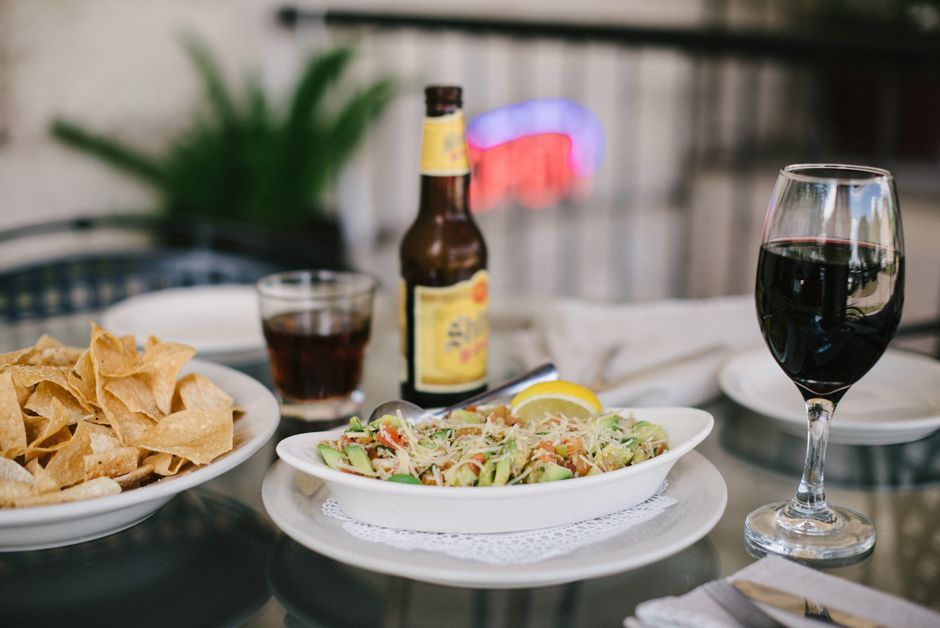
Sub Rosa for Bread and Everything It Touches
Sub Rosa is a bakery and restaurant hybrid in Manchester, a neighborhood that's been revitalizing quietly over the past few years without becoming precious about it. The bread is the foundation—they bake in-house, and the quality is the kind that makes you understand why bread mattered before supermarkets.
You can order sandwiches, salads, and simple plated dishes, but honestly, the sandwiches are where it lands. A prosciutto and fig on their own ciabatta, or a roasted vegetable with house-made ricotta. Everything is priced generously ($12–$16), and the space has communal seating and a few small tables, so sitting alone is natural and unremarkable. The coffee is solid too—they're not theatrical about it, just competent.
The real limitation is hours. Sub Rosa closes at 6 p.m. or 7 p.m. depending on the day, and they're closed Sundays. If you're planning an evening in that neighborhood, this isn't a dinner spot. But for lunch, or a coffee and pastry between things, it's genuinely one of the better independent food stops in Richmond. Budget $15–$25 for a light meal.
The Practical Reality of Eating Alone Here
Richmond doesn't make solo dining complicated. The bar seats at Mama Zu and L'Étoile are welcoming to people eating alone without conversation. The counter at Edo's is literally built for it. The casual spots—Bamboo Cafe, Tarrant's, Sub Rosa—are so low-key that dining solo feels like the default, not a special accommodation.
Timing matters more than anything. If you want a quiet meal, eat early or off-peak. If you want energy and are comfortable being alone in a crowd, hit the places that matter when they're full. The Fan District has the most foot traffic and energy; Manchester feels more residential; Downtown has both types depending on where you go. None of these neighborhoods feel unsafe, but like any city, you'll have a better time using basic sense about when and where you're walking.
Frequently Asked Questions
where to eat in Richmond VA downtown
Downtown Richmond has L'Étoile for French cuisine and several spots in the Manchester neighborhood like Sub Rosa for lunch. The Fan District (just north) has Mama Zu for Italian pasta and multiple casual options. Most of these are within walking distance or a short 5-minute drive from each other. Weekday afternoons tend to be less crowded than evenings.
best sushi in Richmond Virginia
Edo's Squid is the top choice for traditional sushi—a small counter-only spot where the chef does omakase. It's cash-only, runs $40–$60 per person, and the quality is consistent. Arrive early (before 6 p.m.) for a quieter seat at the bar and better availability.
best Vietnamese food in Richmond VA
Bamboo Cafe consistently delivers honest Vietnamese pho, banh mi, and vermicelli bowls at $8–$12 per dish. It's in a strip mall, not fancy, but the broth quality and pork preparations are reliable. It's also the most budget-friendly option in the city for a full meal.
Richmond VA restaurants with parking
Most of these spots are street-parked or have lot access. Sub Rosa in Manchester, Bamboo Cafe, and Tarrant's Cafe are easier for parking than Mama Zu or L'Étoile, which are on narrower Fan District streets. Downtown areas can require metered parking or paid lots. Call ahead if parking is critical for your visit.
Which restaurant would you try first?