
I rolled into Sacramento on a Tuesday evening expecting a capital city with decent chains and maybe one place that felt like it tried. That's not what I found. The restaurant scene here has actual teeth — people who've moved back from the Bay, chefs who got tired of serving the same thing, a real community of eaters who care enough to book ahead and wait for a table when it matters.
I spent two weeks working my way through the neighborhood spots, the ambitious places, the casual joints where the owner's in the kitchen. This isn't a ranked list. It's what I'd actually eat again, the places where your money lands somewhere honest, and where the person cooking knows why they're using that ingredient instead of something cheaper.
Mikuni for Sushi That Tastes Like Someone Cares
Mikuni's been around long enough that it could've coasted. Instead, they keep the fish rotating and the rice temperature right. The nigiri is straightforward — they're not doing foam towers or three-component appetizers disguised as sushi. Order the omakase if you can commit thirty minutes and have the cash; otherwise, the yellowtail collar is stupid good, and the seasonal rolls actually change based on what came in that morning.
The vibe is neither white-tablecloth nor college bar. It's just focused. You'll pay $18-28 for a solid lunch, $35-50 for dinner if you're grazing. The downturn: if you go at peak hour (around 6:30 p.m.), you might wait twenty minutes even with a reservation. The space isn't huge, and they don't rush tables.
The Pit Sacramento for Barbecue That Pulls Its Weight
Most barbecue joints play it safe or oversalted. The Pit actually cares about the smoke, the timing, the bark. The brisket has a proper pink smoke ring, not just red meat. The ribs aren't falling off the bone—they have actual resistance, which means they didn't spend fourteen hours at too low a temperature. Get the burnt ends if they have them, and don't skip the sauce; it's not a sugar bath.
You're in a casual warehouse space, noise level is real, and you order at a counter. $15-22 for a plate with sides. Parking's easy here, which is rare for Sacramento's midtown corridor. The honest trade-off: the sides (mac and cheese, collards, beans) aren't transcendent. They're filler. Come for the meat, accept that the rest is ballast.
The Kitchen Restaurant for Fine Dining Without the Theater
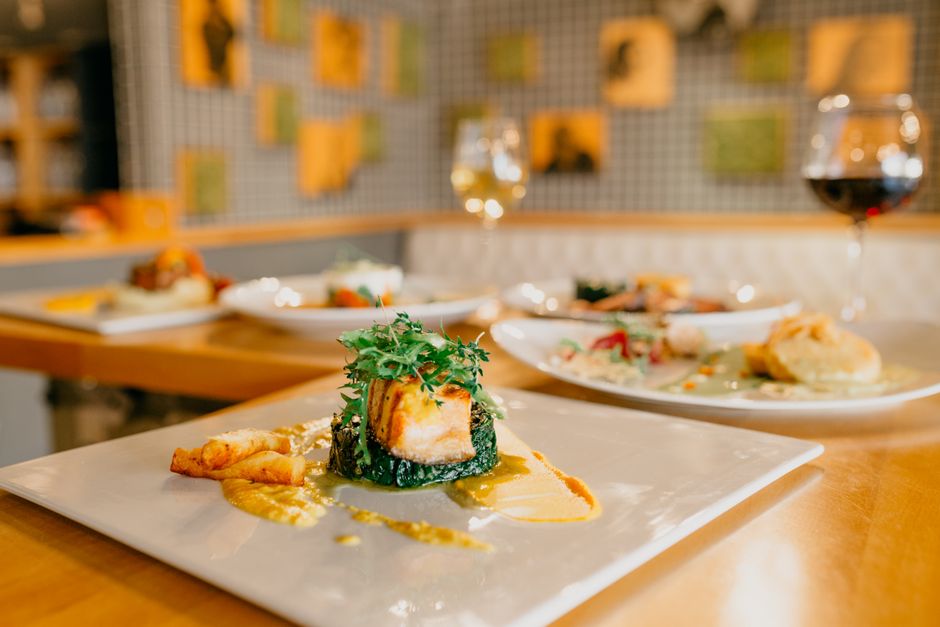
The Kitchen isn't trying to impress you with presentation. The plating is clean, not busy. What hits is the execution—they're doing French technique on California ingredients and not overthinking it. The duck is cooked properly. The fish is fresh and simply treated. The sauce doesn't need to be clever because the base work is solid.
This is your occasion-dinner spot without needing to wear something uncomfortable. Tasting menu is around $65 per person (add wine pairings for another $40). The dining room is quieter than it looks from outside, with enough space between tables that you can actually hear your date. The catch: it's a smaller menu (four courses, limited options per course), so if you're particular about ingredients, call ahead. Also, expect to spend two and a half hours minimum, and they don't hold your reservation past 15 minutes.

The Crack Shack for Breakfast Done Simple
This is the rare breakfast place that doesn't serve you eggs with a side of Instagram. The scramble is eggs-forward, cooked with butter and finished over heat, not messed with through a long holding period. Toast is thick-cut, actually toasted. The coffee is from Temple Coffee, a local roaster that knows what it's doing. Avocado toast is here, yes, but it doesn't cost fourteen dollars or come with a story.
You'll spend $11-18 depending on what you order. The space is small and fills fast on weekends—expect 20-30 minutes if you show up after 9 a.m. on Saturday. There's a short counter-service line and a few tables. No wifi, which I appreciated; people were actually talking. The downside is real: they close at 2 p.m., so lunch isn't happening, and if you're driving, street parking in this Old Sacramento block can be tight on busy days.
Pushkin on L for Russian That Feels Like Home Cooking
Pushkin isn't precious about its food. You get borscht that tastes like it's been simmering for hours, pelmeni that are plump and garlicky, and stroganoff with beef that's actually tender. The menu rotates based on what came in, and they're not trying to update Russian cuisine into something Sacramento might think is trendy.
The dining room has character—wood beams, old photos, the kind of place that's been here long enough to stop caring about whether it looks modern. Entrees run $16-26. The service is attentive without hovering. Parking in this part of town is viable. The real consideration: if you're not into Eastern European flavors, this won't be your meal. Also, it's cash-preferred, though they do take card—but if cash is tight, know that walking in.

The Gourmet Ghetto (Capitol Corridor) for Casual Eating with Real Ingredients
This is technically a corridor of small places—Magpie Cafe, Lucca Delicatessen, Localis, Cafe Bernardo, all within a few blocks of each other. If you're shopping for a quick lunch or snack, the area delivers. Magpie does coffee and pastry that rivals places charging double. Lucca's sandwiches are built with real pork and real effort. The vibe is neighborhood—locals on laptops, families grabbing lunch, people actually buying things to eat now instead of checking boxes for a later agenda.
You can eat well for $8-16 in this corridor. The downside isn't the food; it's the parking situation. The neighborhood has grown faster than the infrastructure, so on weekdays around noon, spots fill up. Street parking exists, but expect to circle. Come early or late, and you won't fight it. The quality here is consistent because these are places that've been running for years, not months.
Frequently Asked Questions
What's the best restaurant in Sacramento for a first-time visitor?
Depends on your priorities. If you want California-French cooking in a nice setting, The Kitchen Restaurant is solid and doesn't feel stuffy. If you want casual and memorable, The Pit Sacramento for barbecue or Pushkin on L for something different both deliver real food without pretension. For quick breakfast, Magpie Cafe in the Capitol Corridor gives you quality in under an hour.
Which Sacramento restaurants have the shortest wait times?
Pushkin on L and The Pit Sacramento typically move people through without long backups, especially if you go off-peak (2-5 p.m. or before 6 p.m.). Lucca and places in the Capitol Corridor are counter-service, so no seated wait—you order and eat in 20 minutes max. Mikuni and The Kitchen take reservations; book ahead and you'll sit right down.
Where can you get good cheap food in Sacramento?
The Capitol Corridor (Magpie, Lucca, Cafe Bernardo) runs $8-16 per person. The Crack Shack breakfast is $11-18 and worth it. The Pit's plates with sides are $15-22. You're looking at under $20 person for real, non-chain food across all three of those.
Is there good upscale dinner in Sacramento without spending $100+?
The Kitchen Restaurant runs $65 for tasting menu without wine, which is fine-dining quality without the three-hour ordeal or four-figure bills. Mikuni's omakase gets you nice sushi without tasting-menu prices. Both deliver serious cooking at the $50-65 level, not just expensive.
Which restaurant would you try first?