I rolled into Sacramento on a gray March afternoon expecting strip malls and state-building dullness. What I found instead was a scattering of genuinely good cafes where people actually seemed to want to be. Not Instagram-bait, not aggressively minimalist—just solid places with working WiFi, decent espresso, and the kind of seating where you can spend three hours on a laptop without anyone eyeing you like a squatter.
The city's cafe scene doesn't get much national attention, which means the places that exist here tend to be run by people who actually care. No venture capital funding, no expansion plans. That matters when you're looking for a real workspace.
Temple Coffee Roasters in Midtown
Temple sits on a corner in Midtown Sacramento—that neighborhood roughly bounded by Capitol Avenue and J Street where the bones of an older city still show. The space is what you'd call raw industrial: exposed brick, high ceilings, natural light pouring through big windows. They roast their own beans in-house, which you'll smell the moment you walk in.
The WiFi is solid and the seating arrangement actually works for people with laptops. There are some bar seats facing the street, a few tables deeper in, and enough ambient noise that you won't feel like you're sitting in a library. Their espresso drinks are straightforward—no weird flavor shots or forced creativity. The pastry selection rotates but tends toward the functional: croissants, scones, a few sweet things that pair well with coffee rather than compete with it.
I watched a regular come in, order the same thing (medium Americano), settle into the same spot by the window, and open his laptop. No performance. That's the mark of a cafe that actually works for people.

Insight Coffee Roasters in Land Park
Land Park is residential, quieter, the kind of neighborhood where you realize Sacramento actually has tree-lined blocks and a slower pace than you'd expect. Insight Coffee sits along that strip of cafes and small shops that makes the area feel like it has a center.
This place has thoughtful design without the try-hardness. The coffee is excellent—they source carefully and it shows in the cup. The pastries, when they have them, tend to be from local bakeries rather than a commissary. What makes it work for staying awhile is the combination of decent WiFi and a layout that lets you tuck into a corner without feeling isolated. There's a back area with slightly more privacy, though the front seats by the window are where most people gravitate.
The crowd skews local and mixed—remote workers, retired folks with newspapers, people actually reading books. The atmosphere enforces itself: it's the kind of place where showing up with a three-hour work session feels normal rather than like an imposition on the baristas.
Wake the Dead Coffee in East Sacramento
The name's a bit much, but the place itself is straightforward. East Sacramento is residential and tree-heavy, and this cafe sits in a small cluster of businesses that serve the neighborhood. It's less polished than Temple or Insight, which means less aesthetic gatekeeping. If you're in grubby work clothes or look like you haven't slept, no one cares.
They do solid pour-overs and the espresso is reliable. The seating is basic but functional—tables that don't wobble, decent chairs, enough room to spread out a laptop and notebook without feeling cramped. WiFi works. The place tends to fill up during morning hours but thins out mid-afternoon, which can actually be ideal if you're trying to get work done.
I spent a morning here and never felt rushed. The baristas were friendly without being chatty unless you wanted the chat. That's harder to find than you'd think—a lot of cafes either treat you like you're invisible or like you're interrupting their day. Wake the Dead splits the difference.

Orphan Coffee in the Arts District
Orphan is the lesser-known spot on this list, which is strange because it deserves more attention. It sits on a block in what's loosely called Sacramento's Arts District—near the galleries and studios, away from downtown's main drag. That location alone makes it quieter than places closer to the Capitol building.
The space is intimate without being claustrophobic. You've got natural light, a small counter, a few tables, and a genuinely good coffee program. The owner actually knows what they're doing with espresso, and they're not interested in elaborate drinks—the menu is short and confident. Their pastries come from a local bakery and they're sold out by early afternoon, which tells you something.
What surprised me was how welcoming it felt for a solo worker. I showed up with a laptop on a Tuesday and settled in. Nobody made me feel like I needed to justify my presence with a fresh coffee order every hour. The WiFi is reliable, there's a outlet situation if you need it, and the ambient noise level is just right—quiet enough to focus, but with enough background sound that the silence isn't oppressive.
Crema Cafe Downtown
Downtown Sacramento can feel a little sterile if you're not careful, but Crema manages to exist comfortably in that space without feeling corporate. It's a proper espresso bar with that slightly more buttoned-up vibe, which appeals to some people and doesn't to others.
The coffee is excellent—they take their craft seriously and it shows. The seating is minimal, which is fine if you're planning a quick stop but less ideal for a long work session. However, they've got some bar seating along a counter where you can set up, and the WiFi is genuinely good. The crowd is mixed: downtown workers on coffee breaks, people passing through, actual customers spending time.
The pastry situation is solid. Their house-made options rotate but the quality is consistent. If you're someone who cares a lot about espresso quality and doesn't mind a less sprawling seating setup, this is worth the trip downtown.
Pitch Coffee in Pocket
Pocket is a neighborhood that most visitors to Sacramento don't discover unless they're living here. It's south of downtown, residential, with its own small commercial strip. Pitch Coffee sits in that area and draws the neighborhood crowd.
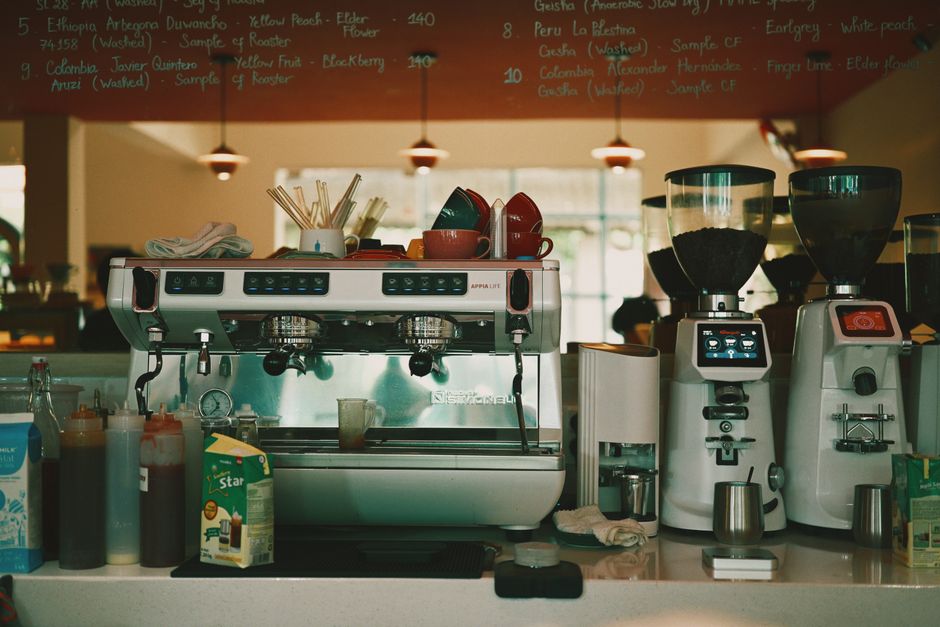
The space is comfortable and unpretentious. Good natural light, solid seating, reliable WiFi. They do honest coffee work without any particular pretense about it. The pastries are basic but good. What makes it work for extended stays is that it feels genuinely welcoming to people who are settling in—they don't have the hustle-energy of a high-volume downtown spot.
I watched the same dynamic here as at Temple: people came in regularly, ordered their thing, and got to work or reading. There's something reassuring about a cafe that's clearly a neighborhood resource first and a destination second.
What Actually Works for Staying Awhile
After spending time in most of these places, a few patterns emerged. First, the cafes that work best for extended stays aren't trying to monetize every minute of your presence. Good WiFi isn't negotiable—a single reliable cafe beats three beautiful ones with spotty internet. Seating matters more than aesthetics; an uncomfortable chair will drive you out faster than dated decor.
Sacramento's cafe scene isn't trying to be somewhere else. There's no affected Brooklyn atmosphere, no aggressive minimalism. That's actually the advantage if you're looking for a place to work or spend time. You get the practical stuff without the performance. The coffee is good because the people making it care about coffee, not because of a brand story.
One last thing: most of these places will be less crowded mid-afternoon on weekdays. If you want to actually get work done, that's your window. Early morning and lunch hours, plan for company.