
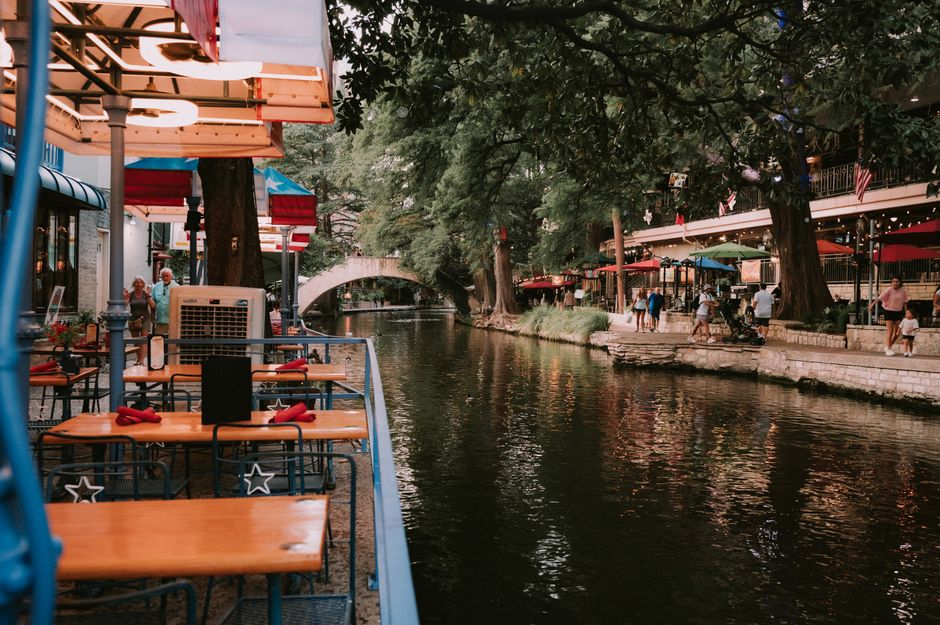
I landed in San Antonio on a Thursday in March without much of a plan. River Walk was packed. The Alamo gift shops were doing their thing. And I was hungry in the way that only a solo traveler gets hungry—not interested in the obvious stuff, but not interested in eating alone at a place that screams tourism either.
I started asking questions at my hotel, at a coffee shop, in a grocery store line. The answers were consistent. San Antonio has real food culture, the kind that doesn't depend on Instagram light or price tags that justify themselves with presentation alone. It's Tex-Mex done right, it's barbecue that doesn't need a legend, and it's old family recipes that still work because they were always the point.
I've eaten in most of these places now. Some quiet, some loud. All of them worth the trip if you're here for more than a River Walk afternoon.
Policy Street Pizza: Thin Crust and No Apologies
The first time I walked past Policy Street, I almost kept walking. Small storefront, no window seating, the kind of place you either know about or you don't. But the smell stopped me. That's wood fire and cheese and dough that's been proofed right, and it's been getting stronger since 2016.
Order the Margherita if you're testing the baseline. Order the Calabrian chili if you want to know what they do with heat. The crusts are thin enough to actually taste the fermentation, not just feel like you're eating air with toppings. Prices run $14–$22 per pie. It's quick, even when there's a line.
Downside: It's genuinely small and genuinely popular. Expect a wait on weekends. No reservations, no counter seating to speak of. If you're the type who needs a table before you walk in, skip it.
The Granary 'Cue: Smoke Without Theater
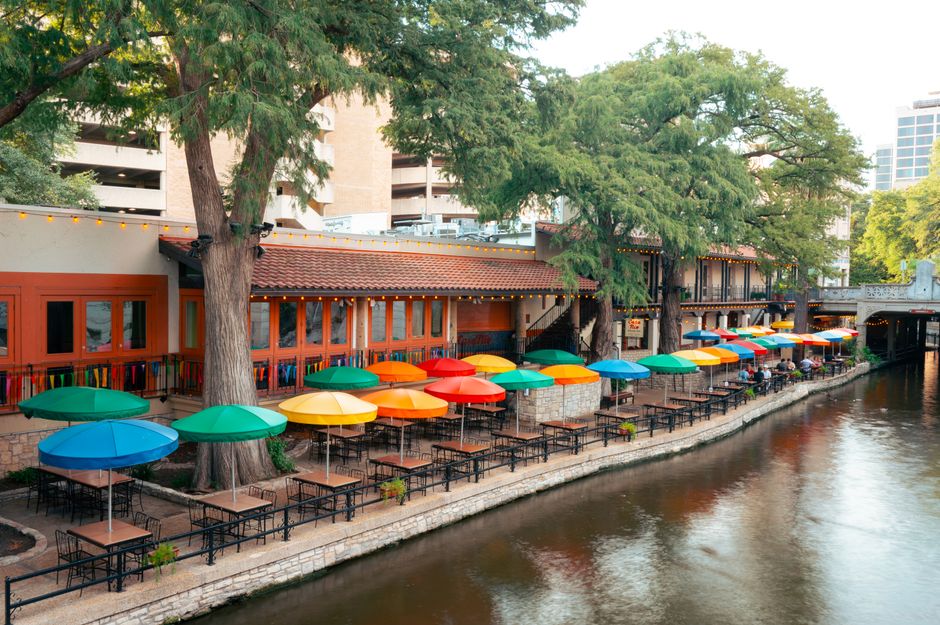
The Granary sits in the Pearl District, which is San Antonio's version of places where old warehouses became a shopping village. But the restaurant itself feels separate from that—a long, quiet space with concrete floors and a pit visible from the dining room. No neon, no vintage Coca-Cola signage, no soundtrack loud enough to prevent conversation.
Brisket is the point. It's lean, it's got a proper bark, and it costs $18 a pound. Sides are standard—beans, slaw, corn bread—and they're good enough that you won't second-guess ordering them. The burnt ends are worth it on their own. Prices put a full plate at $25–$35 depending on what you choose.
The honest thing: It's become popular enough that lunch lines can get real. The space feels packed by 12:15 p.m. on a weekday. If you go early or late, you'll have a better time. Also, it's not cheap for barbecue, though it's worth it.
Blanco Café: Mexican Food Run by People Who Actually Cook It
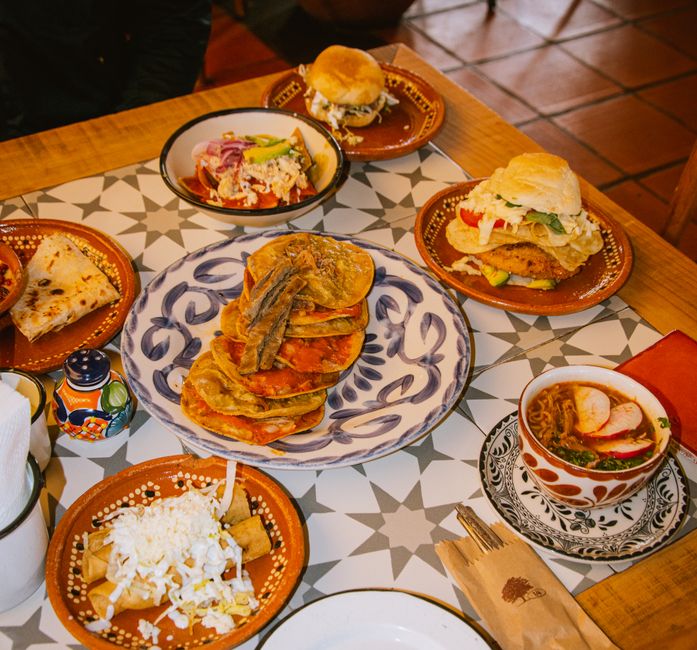
Blanco Café is in a small house converted into a restaurant, the kind of place where you can see into the kitchen if you look. The owner's family recipes are on the menu, and you can taste the difference between that and the kind of cooking that just follows a template.
Order the chile relleno. Order the carnitas tacos. Get a jamaica if they have it. Nothing here feels like it's been sitting under a heat lamp—everything tastes like someone made it for lunch and you're lucky to be eating it. Prices are gentle: $8–$14 for entrees, $2–$3 for tacos. It's the kind of place where the cheapest meal tastes as good as the most expensive one.
One real downside: parking is tight. There's a small lot, and when it's full, you're looking at street parking in the area around it. Also, it's closed Mondays and Tuesdays. Go on a weekday morning if you want a calm meal, or expect shoulder-to-shoulder seating if you arrive after 6 p.m.
Piranha Killer Sushi: Good Fish, Honest Technique
Piranha is in a corner strip mall. No warm lighting, no ambient jazz, no waiters in black. It's fluorescent and direct, and somehow that works perfectly for sushi. The fish is fresh. The rice is seasoned properly. Everything feels like it was made because it needed to be made well, not because it needed to impress.
Order nigiri if you want to know what they can do with a single piece of fish. The rolls are solid but less interesting. A sashimi appetizer, a couple of rolls, miso soup, and a beer runs you $25–$35. It's fast, too. They're not trying to stretch the meal into an experience.
The reality: it's busy, and the dining room is small. You might wait 10–20 minutes for a table at dinner. And it's honestly loud—people eating sushi in a bright room has a certain acoustic quality. If you want quiet, this isn't it. But if you want to eat excellent sushi without paying Scottsdale prices, this is the place.
Supper: Vegetables and Meat, Cooked with Care
Supper is in a strip of old buildings near Fort Sam Houston, and the menu changes often because it's built around what's in season and what the kitchen feels like cooking. It's not fine dining in the sense of gold-rimmed plates and seventeen-course tasting menus. It's fine dining in the sense of a chef who knows how to cook and isn't interested in shortcuts.
I went on a night when they had grilled quail, a roasted cauliflower dish that felt like the focus instead of a side thought, and a pasta with brown butter and something seasonal. The prices sit around $35–$50 for entrees, $12–$18 for starters. It's the most expensive place on this list, but the portions are real and the technique is obvious in every bite.
Note: The space is small and intimate, which is lovely if you're a couple. If you're solo, it can feel a little deliberate—you're one person at a table set for however many, and everyone else is usually on a date. It's not unwelcoming, but it's worth knowing. Noise is moderate, parking is reasonable street parking in the surrounding neighborhood.
Toro Latin Kitchen: When You Want Both Food and Atmosphere
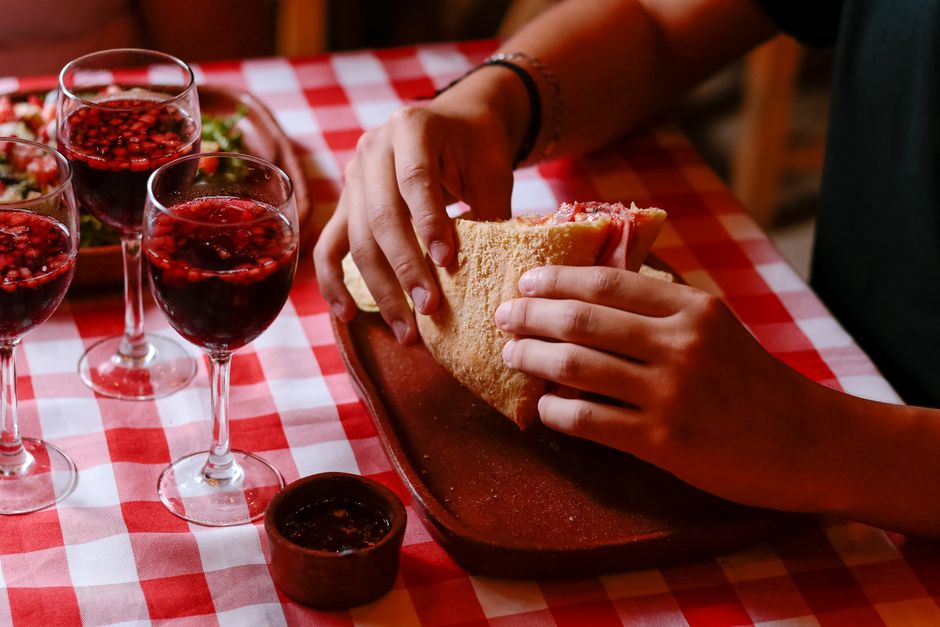
Toro sits on a corner in the Southtown area, and the space is designed to be social—high ceilings, open kitchen, a bar where you can watch the action. The cuisine is pan-Latin, which means ceviches, grilled meats, Caribbean influences, all done by a team that treats the ingredients like they matter.
Order the ceviche if it's available. Order whatever protein is grilled that night. The cocktails are serious—they're using proper technique, fresh citrus, and spirits that cost actual money. A full dinner with drinks runs $40–$60 per person, depending on how deep you go.
Truth: it's loud. That's partly the design, partly the crowd. People are happy here, people are talking, the kitchen is going. If you like energy and don't mind raising your voice to have a conversation, you'll fit in perfectly. If you need quiet, you'll be frustrated. Parking is available but the lot gets full during dinner rush. Go early or expect a couple-minute search.
What Actually Matters When You're Eating Out in San Antonio
These places work because they weren't designed for an Instagram caption. They were designed because someone wanted to cook food they believed in and serve it to people who would actually taste it. That's not as rare as it should be, but it's still rare enough to be worth noting.
San Antonio's food culture runs deep because the city's history is layered—Mexican, German, ranch culture, city culture all stacked up and influencing each other. You taste that in almost every good meal. You don't taste it in the places that are trying too hard.
Skip anything that feels like it was designed to photograph well. Skip anywhere that's got a story in the name instead of in the cooking. Eat at places where the owner's phone number gets passed around the neighborhood. That's where you'll actually understand what's good about this city.
Frequently Asked Questions
Where should I eat in San Antonio if I don't want Tex-Mex
Policy Street Pizza, Piranha Killer Sushi, and Supper all offer non-Tex-Mex options at various price points. Policy Street does thin-crust wood-fired pizza ($14–$22), Piranha offers fresh sushi in a casual setting ($25–$35), and Supper is a seasonal fine-dining option focused on vegetables and proteins ($35–$50). All three are run by people serious about their cooking.
What's the cheapest good restaurant in San Antonio
Blanco Café offers excellent Mexican food at the lowest prices on this list—tacos for $2–$3 and entrees for $8–$14. Everything is made fresh and the recipes are family-owned. It's closed Mondays and Tuesdays, so plan accordingly.
Is parking easy at San Antonio restaurants downtown
It depends on the location. Policy Street Pizza and Blanco Café have small lots that fill up during peak hours, requiring street parking nearby. The Pearl District location of The Granary 'Cue has better lot access. Toro Latin Kitchen in Southtown has a lot but it fills during dinner service. Generally, go early or expect to look for street parking.
What San Antonio restaurant is good for solo diners
Policy Street Pizza, Piranha Killer Sushi, and The Granary 'Cue all work well for eating alone—they're casual, fast, and don't make a solo diner feel out of place. Blanco Café is also welcoming and quick. Avoid Supper if you prefer not to feel like you're taking up table space as a single person, though you're certainly welcome.
Which restaurant would you try first?


