I've landed in Portland on a drizzly Tuesday morning, the kind of weather that makes the city feel like it's apologizing for existing. This is my fourth time here, and I've finally stopped pretending I care about some of the spots that every guidebook shoves down your throat. The city's got real bones—weird, creative, genuinely interesting stuff—but you have to know where to look past the Instagram crowds and the stuff that got hyped back in 2012 and never stopped being hyped.
Portland rewards the kind of traveler who wanders off the main drag. That's not a revelation. But after a few visits, you start noticing the gap between what Portland thinks you should see and what actually sticks with you when you leave. Let me walk through what I've learned.
Powell's Books Is Exhausting, Not Enlightening
Look, I respect the institution. A full city block of used and new books deserves respect. But as a visitor experience, Powell's has become a pilgrimage site for people who feel like they should love it more than they actually do. The place is overwhelming in the worst way—not inspiring, just loud and crowded and architecturally confusing. You spend 45 minutes trying to find the specific section you want, another 20 minutes in line, and you leave feeling accomplished instead of transported.
The real move? Hit up Floating World Gallery in the Pearl District if you're into art books and Japanese woodblocks. Or if you want that secondhand-spine-cracking feeling without the tourist density, spend an afternoon at Books with Pictures in Northeast. It's smaller, actually curated, and the person working the register will remember you. There's also a growing handful of indie bookstores scattered across the city—Cosmic Monkey Comics if graphic novels are your thing, Bing Mi Books if you want something genuinely unpredictable.
The Food Cart Pod Hustle vs. Actual Good Food
Portland's food cart scene used to be legitimately wild and cheap. Now the famous pods downtown are mostly tourist traps charging $14 for a taco that costs $3 in every other city with a food cart culture. Alder Street Food Cart Pod, Namu Food Cart Pod—they're Instagram venues where the food is secondary to the experience of being able to tell people back home that you ate from a cart.
If you want honest, creative street food, you're better off exploring the residential neighborhoods where carts actually serve locals. The carts on Hawthorne and Division aren't there to be discovered by travel writers; they're there because the neighborhood needs to eat. Find a Vietnamese banh mi cart in the Southeast, or grab Thai from whatever cart is parked near a MAX station on any given night. The food is sharper, the prices are fair, and you're not taking a selfie with a line of 40 people behind you.
The Portland Japanese Garden Doesn't Deserve the Wait
The Japanese Garden in Washington Park is undeniably beautiful. I've been. It's peaceful and technically impressive. But the reputation has inflated faster than the ticket prices. On a decent weekend, you're paying $20 to shuffle through manicured paths with a hundred other people, which sort of defeats the whole zen purpose. The garden's perfectionism—nothing out of place, every stone deliberate—can feel sterile after the first 20 minutes.
Head to the Leach Botanical Garden instead. It's in Southeast Portland, it's less crowded by a factor of 10, the admission is a suggested donation (so free if you're tight on cash), and it actually feels like a living ecosystem instead of a museum. The water features are real, the trails have some actual exploration to them, and you'll see Portland residents who are just there to exist in nature, not to complete a checklist. Spend the money you save on coffee at one of the neighborhood cafes nearby.
Voodoo Doughnut's Gimmick Wears Thin Fast
The line at Voodoo wraps around the block. The donuts are acceptable. They're not bad. But you're not actually eating a donut better than what you can get from a dozen other bakeries in the city—you're eating the concept of rebellion against the concept of normalcy. It's a donut cosplaying as a personality.
Nussbaum & Co. makes donuts that are genuinely better and much less weird about it. They're seasonal, they're actually interesting in flavor instead of just appearance, and you won't lose an hour of your day waiting. Or try Blue Star Donuts if you want something that's taking the form seriously enough to innovate. Both cost the same. Both taste better. Neither has a gift shop.
Skip the Waterfront, Find the Neighborhoods
The South Waterfront is a nice walk, sure. Clean parks, views, the kind of civic space that makes a city feel well-managed. It's also where you go to feel like you're having an experience someone designed for you. There's nothing wrong with that, exactly, but it's not why Portland is interesting.
The actual texture of the city lives in Northeast, Southeast, and Northwest neighborhoods where you've got real human density and genuine creative work happening. Northeast Hawthorne is the obvious move—vintage stores, coffee, the kind of pedestrian infrastructure that actually makes walking feel good. But push further into Northeast Brooklyn and Irvington if you want to see what young Portland actually looks like without the tourist apparatus. Northwest has the vintage-industrial thing going strong, with galleries and shops that don't feel positioned for outsiders. Spend a day in one neighborhood. Find a cafe. Walk. Actually notice how people are living.

Pittock Mansion Beats the Bridges Every Time
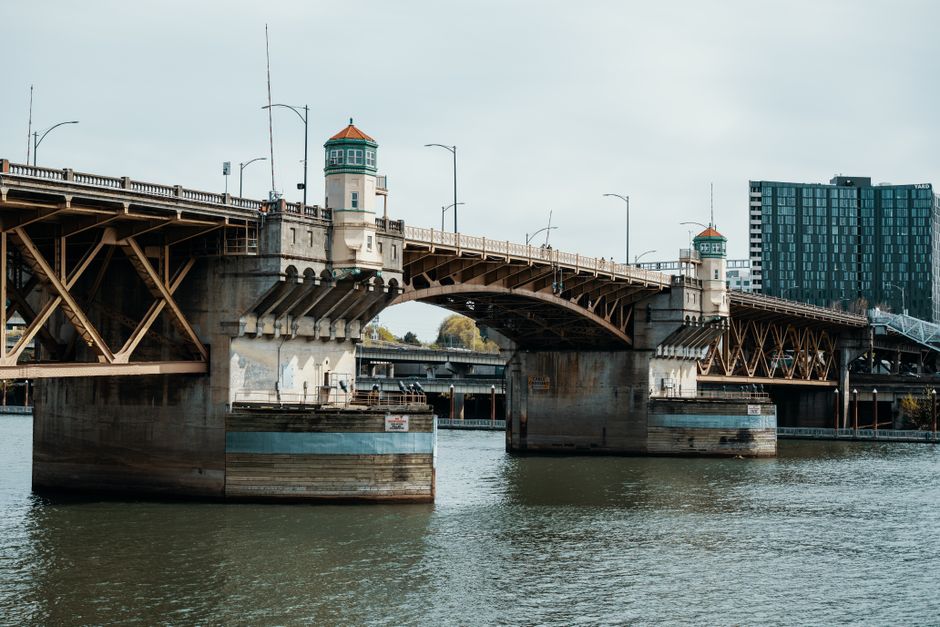
Everyone photographs the Hawthorne Bridge at sunset. Everyone. The shot is fine. It's also been taken four million times, and you're not adding anything to the cultural conversation by taking it again.
Pittock Mansion sits on a hill in Forest Park with views that actually take your breath—you can see from the city all the way to Mount Hood. It's a 1914 mansion built by the Portland Oregonian founder, and it feels less like a museum and more like a space where someone actually lived. The gardens are thoughtful. The views are genuinely moving. It takes 20 minutes to get there from downtown, but it feels like leaving the city entirely. Go on a clear afternoon, not peak weekend tourist hours, and you'll mostly have it to yourself.
Coffee Culture: Real vs. Instagram
Portland's coffee reputation is real. But the famous spots that appear in every travel article—Stumptown, Intelligentsia—are the ones where you're waiting in line behind people who want to be seen drinking coffee more than they actually want the coffee. The roasters themselves are good. The experience is generic.
The move is hitting up the neighborhood roasteries where locals actually congregate. Coava in Southeast makes coffee that tastes like someone cared about the specific bean instead of the brand. Water Avenue in Southeast is less precious about the whole thing. Bing Mi Tea House if you want tea instead—it's legitimately special. Go somewhere people live, not somewhere people perform living on social media.
The Real Portland Payoff
What I've learned after multiple visits is that Portland rewards the traveler who avoids the consensus list. The city's actual charm isn't in the attractions, it's in the texture of moving through it. The rain, the weird independent businesses, the people who chose to be here because they genuinely prefer it.
Skip what's famous. Walk into something without knowing what it is. Ask a local at a coffee shop what they actually do on a Saturday. Eat somewhere because it looks good, not because an algorithm told you to. This city got its reputation by being exactly this kind of place. That still works if you're willing to do the work of actually being a visitor instead of just checking boxes.