
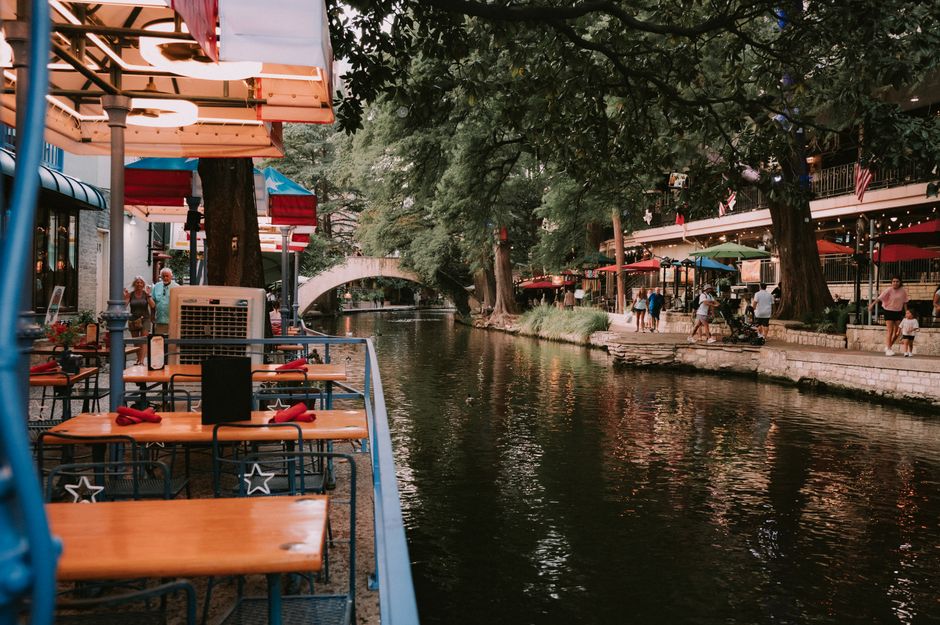
I rolled into San Antonio on a Thursday evening with the kind of hunger that only comes after hours of driving through South Texas. The River Walk was doing its thing—crowded, touristy, loud—and I knew that's exactly where I wasn't going to eat. What struck me immediately about this city is that the real food scene isn't concentrated in one flashy district. It's scattered across neighborhoods: Pearl, Southtown, the North Star area. You have to actually explore to find it. That's the good news if you're the type who likes discovering things on your own.
I spent the better part of two weeks working my way through San Antonio's restaurant roster. Some meals were revelations. A couple were just fine. One had me waiting longer than I'd like to admit. Here's what I found actually worth your time, broken down by what they do best and what to realistically expect when you walk in.
The BBQ That Doesn't Play Games: The Granary 'Cue
The Granary sits in a converted warehouse space on the east side, and the first thing you notice is that there's no artifice here. No reclaimed wood nonsense, no Instagram-bait plating. Just meat, smoke, and people eating seriously.
Their brisket is the reason to come. It's tender but not mushy, with a peppery bark that tastes like actual smoke rather than liquid seasoning. Get it with the jalapeño cheddar sausage—that's the real star. Two sides come with the plate; the pinto beans are fine, but the mac and cheese is worth getting twice. You'll spend around $18–24 for a full plate depending on weight. The sweet tea is terrible in the best way possible—aggressively sweet, no apology.
The vibe is unpretentious. You order at the counter, they hand you a number, you find a table, and it arrives. Lunch crowds are real but move quickly. Dinner on weekends can require patience; I showed up at 6:15 on a Saturday and waited about 25 minutes. If you're on a tight schedule, go early or expect company with your meal.
When You Want Upscale but Straightforward: Cured
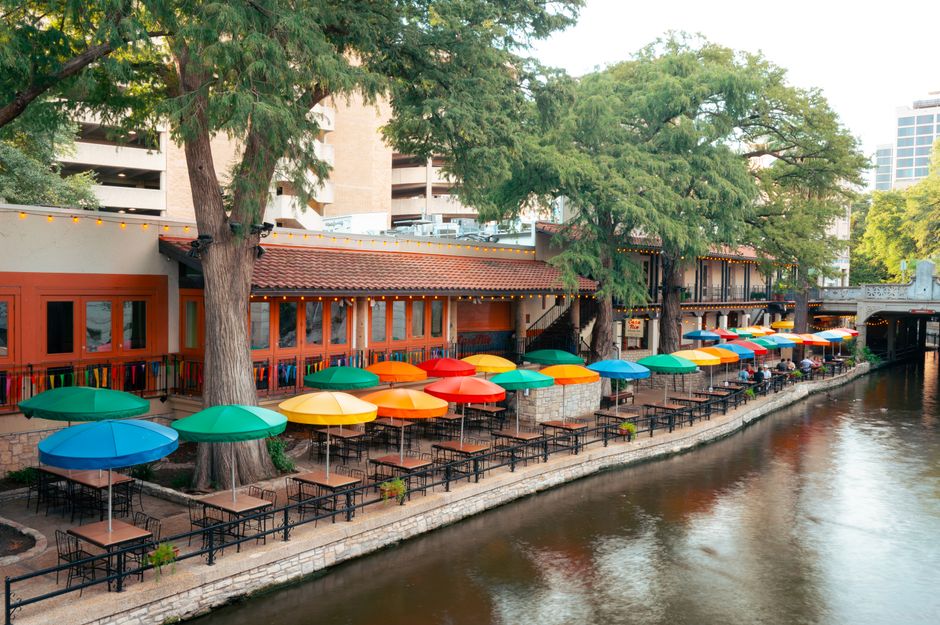
Cured occupies a corner spot with high ceilings and good natural light, which immediately sets it apart from the dark, moody steakhouse aesthetic. The menu reads like someone asked a talented chef to make excellent American food without getting weird about it. No foams. No towers. Just properly executed dishes.
Start with the burrata—it's simple, acidic tomato, good olive oil, actual crackling fleur de sel. Their dry-aged steaks are serious; I had the 16-ounce strip and couldn't fault it. Medium-rare came exactly as ordered. The sides are the kind you actually want to eat: creamed corn that tastes like corn, potatoes prepared three different ways if you want them. Main courses run $28–48. The wine list is thoughtful without being pretentious, which is rarer than you'd think at this price point.
The bar is genuinely good if you're eating alone. The bartenders know what they're doing, and they don't treat solo diners like they're waiting for someone. Reservations are smart on weekends, though the bar can absorb walk-ins. Parking is straightforward—there's a lot, and it's never been a problem I've encountered.
Mexican Food That Respects Your Intelligence: Toro Kitchen
Toro Kitchen exists in that magical space where it's legitimately good but hasn't become so precious that ordering there feels like an achievement. The space is comfortable—warm lighting, good tables, the kind of place where you want to linger.
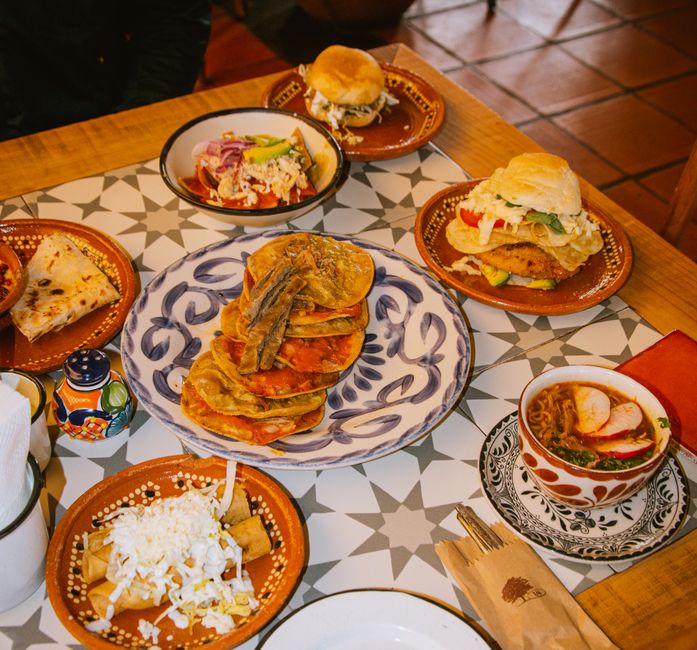
Their chile relleno is the thing people talk about, and fairly so. A poblano, properly charred, stuffed with oaxaca cheese and bathed in a ranchero sauce that tastes like actual tomatoes reduced down over time. It costs $16 and is absolutely worth it. The carnitas are excellent—meat that's cooked until it's almost dissolving—served with fresh tortillas that are made in-house. The ceviche changes seasonally and is never an afterthought. Mains run $14–24, and portions are respectful.
The margaritas are made with actual lime juice and decent tequila, which sounds basic until you realize how many places just use mix. Service is competent and warm without being theatrical. The main downside: noise. It's a lively room, popular enough that conversations get swallowed. If you prefer intimate quiet meals, you'll struggle here. They take reservations, which I'd recommend at dinner.
Southern Cooking Without the Sentimentality: Southerleigh Fine Food
Southerleigh exists in a restored 1903 building in the Pearl District, and yes, it's a beautiful space. But what matters is that the chef actually understands the food rather than just using a regional label as aesthetic. Fried chicken here is perfectly crisped, brined, served with a spring green salad that's acidic and cuts through the richness. It's not a novelty presentation; it's just really well-made fried chicken.
The wood-fired oysters are exceptional—charred shells, topped with a brown-butter compound, lemon. Shrimp and grits appear on the menu, and they're done properly: creamy polenta, shrimp cooked until just through, finished with scallion oil. Mains are in the $18–32 range. The desserts are subtle rather than heavy; a cornbread panna cotta showed up that I'm still thinking about.
The wine program is strong, and if you're uncertain, the staff can point you somewhere decent at any price point. The bar scene is active, especially later in the evening. The Pearl is a pleasant neighborhood to walk around afterward if you're exploring on foot. One genuine issue: the dining room can run loud, particularly at peak times. It's energetic in a good way, but not a place for quiet conversation.
Casual Italian Without Apology: Supper
Supper is small, the kind of place where you can feel the kitchen working. The menu changes but follows a philosophy rather than chasing trends. Pasta is made in-house, and you taste the difference immediately. Their tonnarelli cacio e pepe doesn't reinvent the wheel—it just nails it. Cheese, black pepper, pasta water, nothing else. When it's that simple, technique is all that matters.
A braise appears regularly—something slow-cooked, served with polenta or bread. The Margherita is excellent but restrained; they use fresh mozzarella from an actual mozzarella producer, not a generic supplier. Mains run $16–26, which feels fair for this level of execution. The wine list is Italian-focused and reasonably priced. You'll find bottles under $40 that actually taste good.
It's genuinely casual—exposed brick, dim lighting, the feel of a place that's been there awhile and isn't performing for anyone. Service is informed and kind. The downside: limited seating means reservations are necessary, especially Thursday through Saturday. I called two days ahead and still didn't get my first choice of time. It's a neighborhood spot, so it fills with regulars. But if you want straightforward Italian without having to wade through unnecessary complications, it's worth the planning.
When You're Serious About Splurging: Restaurant Gwendolyn
Restaurant Gwendolyn operates at a different price point entirely—mains are $38–52, tasting menus run $75 and up—but it's one of those rare restaurants where the cost feels justified the moment the first plate arrives. The chef sources obsessively, and you notice it in every component. A simple salad contains lettuces from three different farms, each at a different stage of maturity.
The approach is refined without being stuffy. The dining room is elegant but the service staff treats you like a human, not a mark. If you have dietary restrictions, they'll work with you; I watched them remake an entire plate for someone with a shellfish allergy without making it seem like a burden. The wine pairings are excellent—the sommelier understands balance and can guide you through their list or work with you if you want to go off-book.
Reservations are absolutely necessary, and you'll likely need to plan weeks ahead if you're visiting during peak season. It's the kind of place where you go when you want to understand why a chef matters. There's no downside worth mentioning except the price, which isn't a downside if that's what you're looking for. Parking is reasonable, the neighborhood is pleasant, and the experience will resonate longer than the meal itself.
A Practical Note on Planning Your Meals
San Antonio's restaurant scene doesn't require you to pick between authenticity and quality. The spots worth eating at tend to be places where the person running the kitchen actually cares about the food rather than the concept. That means hitting most of these during the right time or making a reservation ahead.
If you're traveling solo, the bar seat is your friend at almost all of these. You'll eat well, the bartender will be interesting, and you'll likely have better conversation than at a table alone. The River Walk restaurants exist for a reason—tourists need to eat somewhere—but if you have even a couple of hours of flexibility, the neighborhoods I've mentioned are where the actual food lives. Skip the tourist corridor and eat where locals are eating. You'll understand the city better for it.
Frequently Asked Questions
What's the best restaurant in San Antonio for fine dining?
Restaurant Gwendolyn is widely considered the city's best fine dining option, with a chef-driven tasting menu approach and exceptional sourcing. Cured offers upscale American dining at a slightly lower price point and is excellent for date nights or special occasions. Both require reservations in advance, especially during busy seasons.
Where can you get authentic Mexican food in San Antonio?
Toro Kitchen serves elevated Mexican cuisine with house-made tortillas and expertly prepared traditional dishes like chile rellenos and carnitas. The food respects the cuisine rather than reinventing it. For more casual authentic options, the neighborhoods of Southtown and the west side have numerous family-run spots, though quality varies by location.
Is San Antonio good for BBQ?
Yes, San Antonio has solid BBQ spots. The Granary 'Cue is the standout, known for excellent brisket and jalapeño cheddar sausage served without pretense. It's not Texas Hill Country-level destination BBQ, but it's legitimately good and worth seeking out if you're in the city.
Where should I eat alone in San Antonio?
The bar at Cured is welcoming to solo diners and serves excellent cocktails alongside food. Supper's small, intimate size makes eating alone feel natural rather than awkward. The Granary 'Cue also works well for solo meals since you order at the counter and there's no pressure to linger at a table.
Which restaurant would you try first?