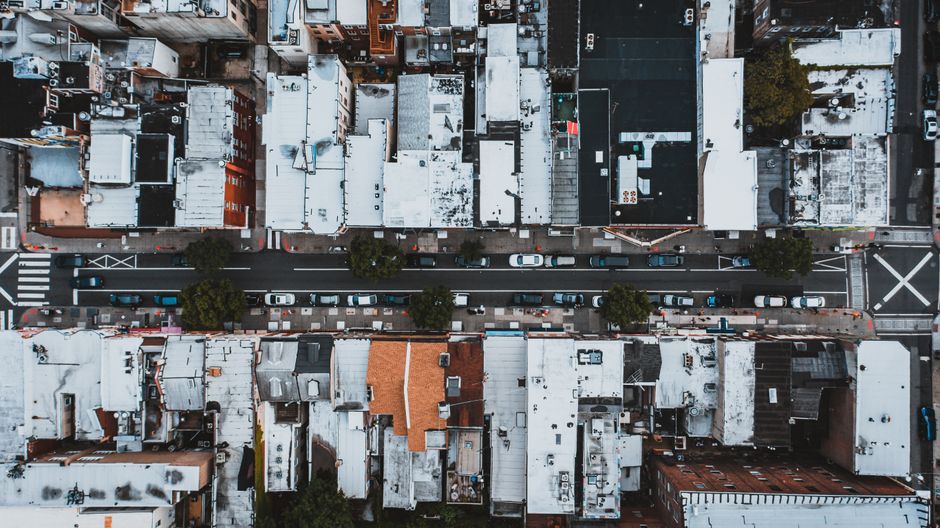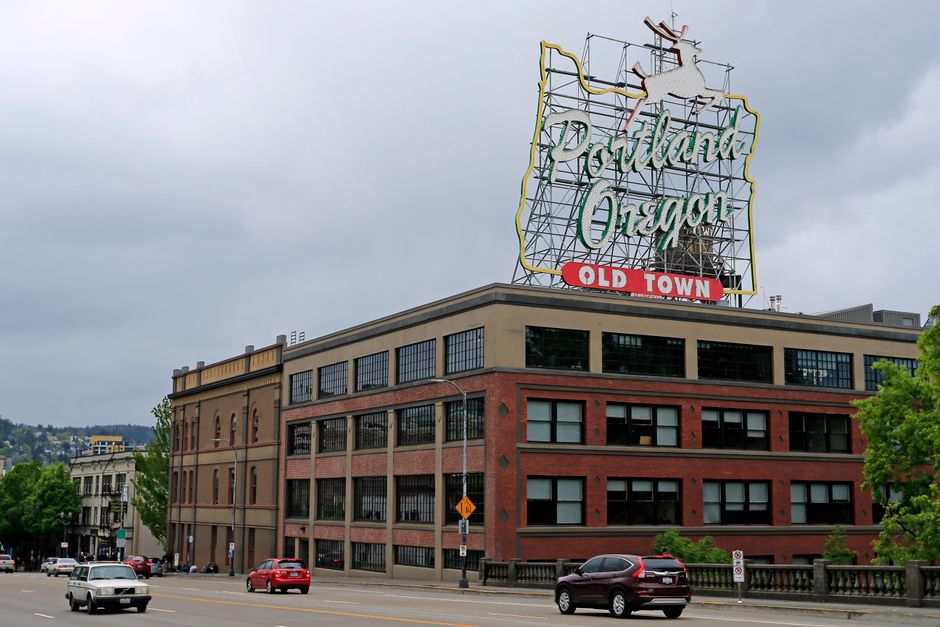
I rolled into Portland on a gray afternoon in October, the kind of drizzle that doesn't announce itself but settles in for the day. Within forty-eight hours I'd done what most visitors do: checked the obvious boxes, stood in line, took a photo, moved on. But after three weeks wandering the neighborhoods, eating at places nobody tells you about, and getting genuinely lost twice in the industrial southeast, I came away with a different mental map entirely.
Portland has a reputation for being quirky and authentic, which is partly why it gets strangled by its own mythology. The city's real character isn't in the attractions you'll read about in the first five Google results. It's scattered across neighborhood joints, small museums, and stretches of the river where tourists rarely venture. This is my take on what's worth the hype and what isn't—framed as one person's experience, not gospel.
Powell's Books Isn't Bad, But It's Also Not Worth Your Only Day
Look, I understand the appeal. Powell's is genuinely massive—an entire city block of used and new books, organized in that particular way that makes you feel like you're on a literary scavenger hunt. I spent ninety minutes there on a Saturday morning and it was fine. The Gold Room has some nice rare stuff. The staff actually knows books.
But here's the thing: you will share every inch of that space with other people who've read the same travel articles you have. The lines at checkout move slow. If you're looking for a specific title, you'll spend twenty minutes navigating the color-coded system before finding it in a pile next to three copies of something else entirely. And after you've wandered around for two hours, you realize you've spent your entire "literary Portland" time in one building.
Skip it if your time is limited. If you love independent bookstores and have a morning free, sure, go. But don't make it a pilgrimage.
The Japanese Garden Is Beautiful But Crowded and Expensive
The Japanese Garden sits up in Washington Park, perfectly maintained, serene, and packed with people trying to take the same photograph of the bridge that everyone else takes. I went on a Thursday morning and it was still shoulder-to-shoulder in certain spots. The admission is twenty dollars, which feels steep for what amounts to a very nice walk through someone else's design.
I'm not saying it's bad. The garden is genuinely well-kept and the views are pleasant. But if you're looking for that meditative garden experience, you're going to spend half your time dodging other visitors' selfie sticks. Go early or don't go at all—but be aware this is Portland's most polished, most tourist-facing outdoor attraction.
Voodoo Doughnut Is a Fine Tourist Trap; Skip It If You Value Your Time
Here's my honest assessment: the doughnuts at Voodoo are decent, the novelty is real, and if you want to tick a box and grab a pastry with a funny name, it exists. But you will wait in line outside for thirty minutes to forty-five minutes on most days. The maple-bacon bar is actually good, the rest are fine. This is pure marketing and brand recognition—Portland's most famous doughnut shop, which means it's also most Portland's most crowded one.
Lots of cities have better doughnuts made by people who aren't operating a theme park. Portland is one of them. Go literally anywhere else.
The Portland Art Museum Feels Like an Obligation; Try the Smaller Ones Instead
The Portland Art Museum is competent. It's a real museum with real collections, located downtown in a well-designed space. It also feels like a museum designed by committee—ambitious in scope but lacking any particular vision or energy. You walk through it checking boxes rather than experiencing anything that grabs you.
When you have limited time, this is where you lose half a day to an institution that could be anywhere. Skip it. Spend that time at the Lan Su Chinese Garden (which actually costs $10 and is half the size but infinitely more focused) or the smaller, weirder Portland galleries tucked around Pearl District and Southeast.
Spend Real Time in the Neighborhoods Instead—Hawthorne, Belmont, Division
This is where Portland actually lives. Hawthorne Boulevard runs southeast from downtown, and it's a five-mile strip of vintage shops, coffee roasters, used record stores, and restaurants that nobody had to put on a must-see list because people naturally congregate there. I spent an afternoon drifting from the Goodwill to a used bookshop to a coffee place called Kawa Espresso Bar, and ran into exactly the Portland that people move here to find—walkable, bookish, low-key.
Belmont Avenue and Division Street have similar energy with different commercial mixes. You'll find better restaurants, stranger shops, and actual neighborhood character. The key is moving slowly, not taking selfies, and letting yourself get genuinely lost for a few hours. This is how you actually understand a city.

The Quirky Tourist Attractions Are a Bit Much; Find the Weird in Real Time
Portland's weird is real, but it's not a product you can consume in a two-hour tour. The Portland Weird exists in the conversations you overhear at a coffee shop, the way the weather changes your mood, the particular aesthetic of a neighborhood bar, the specific syntax of how people talk to each other on the streetcar. It's not something you buy admission to.
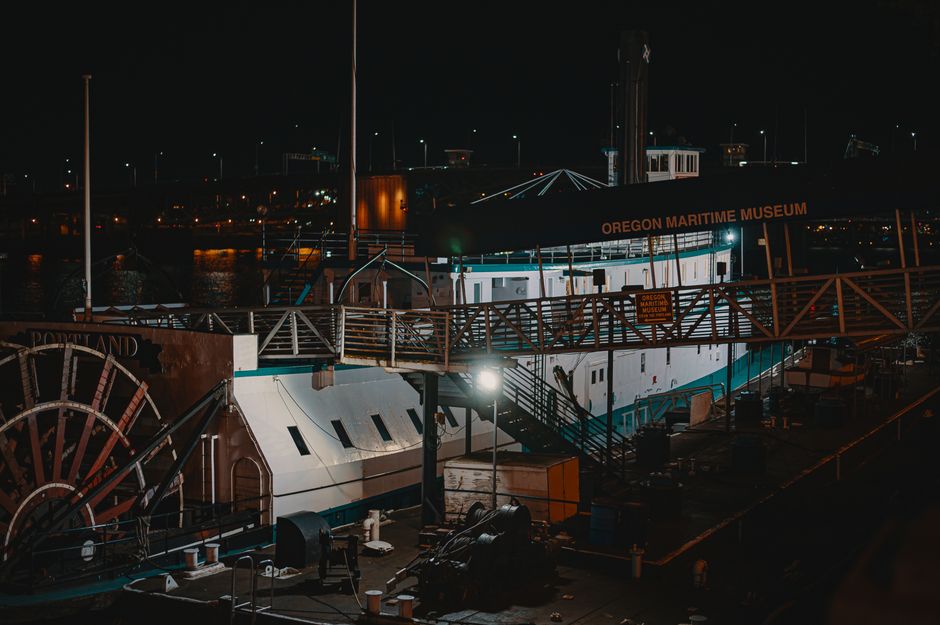
There are quirky museums and spots designed for outsiders to experience "Portland weird," and while they're not quite as bad as tourist traps in other cities, they still feel like Portland packaged for export. The real weird is free. It's the street art that's actually made by someone who lives here, not curated by tourism board. It's the dive bars on Division that don't advertise. It's conversations with locals at actual neighborhood joints who weren't trained to be colorful for visitors.
The Waterfront Is Underdeveloped But Becoming Livable; Walk It Anyway
Portland's riverfront should be a main draw. Instead, it's a somewhat awkward collection of parks, waterfront trails, and older commercial buildings waiting for redevelopment. It's not bad, just unfinished. The Eastbank Esplanade on the east side of the Willamette is actually pleasant for a walk—less crowded than downtown parks, actual river views, good for an hour.
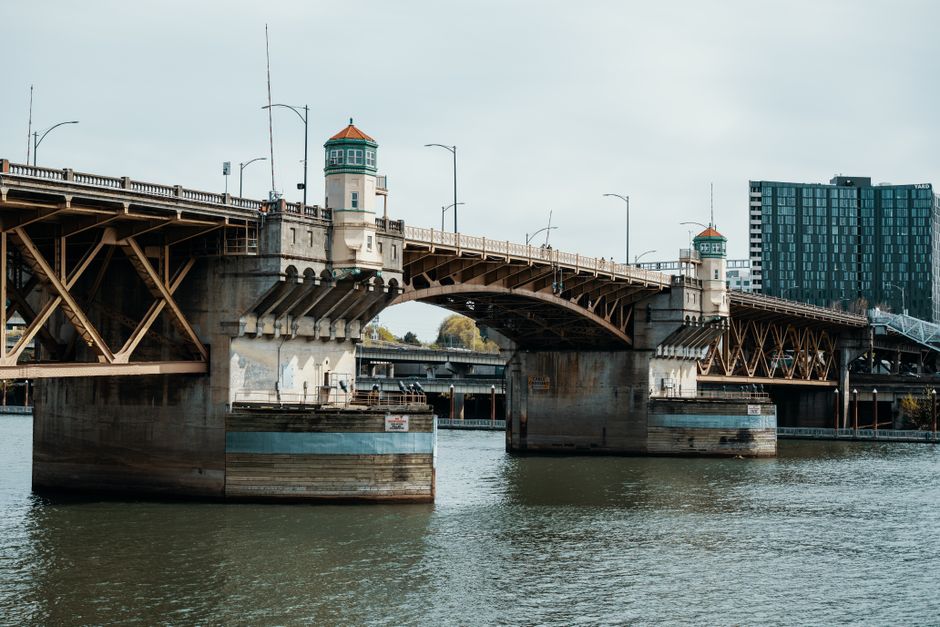
The west side waterfront has the Portland Art Museum and some parks, but feels less cohesive. Still, it's worth walking just to understand how the city relates to its river, which is differently than most cities do. The water is genuinely there, not a backdrop. The Marquam Bridge and Steel Bridge are engineering in your face. Walk the Hawthorne Bridge on foot if you want to feel the city's scale without the noise of a tour group.
Head to the Smaller Parks and Neighborhoods Nobody's Written About
Pittock Mansion is a twenty-acre estate overlooking the city, and while it does show up in guidebooks, it's nowhere near as packed as the Japanese Garden. You get the house, the history, and actually good views of Portland and Mount Hood on clear days. Admission is reasonable. It's a ten-minute drive from downtown but feels remote.
Laurelwood Park in southwest Portland is quiet, wooded, less Instagram-friendly than Washington Park but more genuinely pleasant for an actual walk. The Springwater Corridor Trail runs for forty miles and feels like you've left the city even when you're still in it. These aren't secrets—they're just places people don't prioritize because they're not on the standard tourist circuit. That makes them actually worth your time. If you've got a day in Portland, a few hours in Hawthorne, an afternoon walk through Belmont, coffee somewhere in Southeast, and an evening in a neighborhood restaurant you found by walking around—that's Portland in a way that no guidebook can manufacture.