
I landed in Santa Fe on a Thursday afternoon with no reservations and a working appetite. The town sits at 7,000 feet, the air smells like pinon smoke, and within an hour I'd passed three art galleries, two galleries masquerading as cafés, and one café masquerading as an art gallery. The restaurant scene here doesn't feel accidental—it's built into the cultural fabric, tied to the Spanish, Pueblo, and Mexican influences that have layered themselves into the place for centuries.
Unlike bigger cities where you can drop into a decent meal at 8 p.m. on a Tuesday, Santa Fe rewards planning. Restaurants fill up. Hours shift seasonally. Walk-in solo dining works better at some spots than others, depending on how they've configured their bars and community tables. I spent a week eating my way through different price points and vibes, from $12 lunch plates to $80 tasting menus. Here's what actually works, and where the trade-offs live.
Start Your Day at Pasqual's
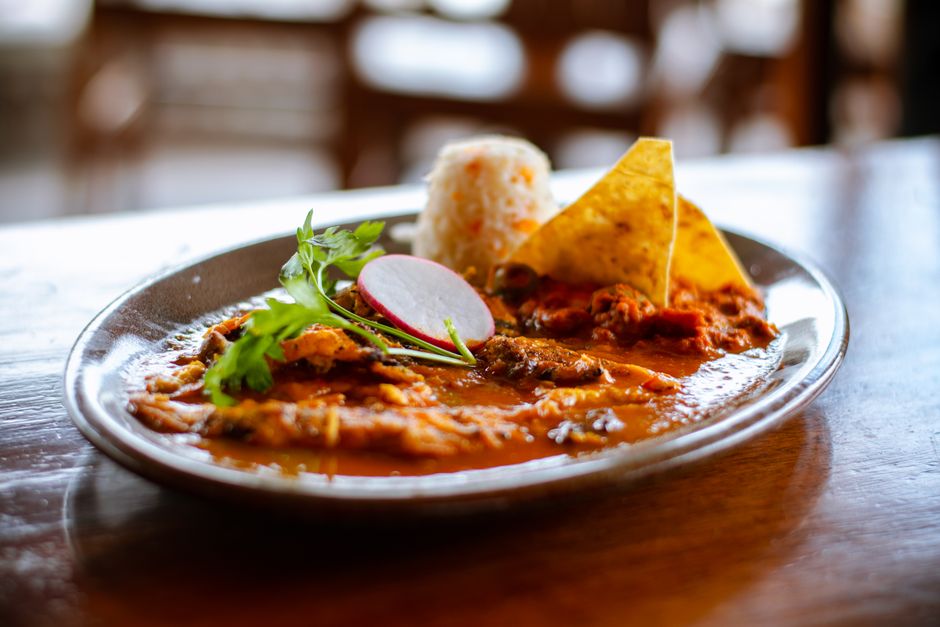
Café Pasqual's sits on Pasqual Street in a converted adobe house, and it's the kind of breakfast place that makes people territorial about their 8 a.m. slot. The kitchen sources from local farms and it shows—the chilaquiles aren't mail-order bright red, the chorizo has weight to it, and the fresh-squeezed juices taste like actual fruit instead of nostalgia.
Order the huevos rancheros or the breakfast burrito (they're not reinventing it, they're just executing it correctly), and expect to spend $12–$16. The coffee is good enough to justify a second cup. The place is small, narrow, and during peak hours (8:30 to 10 a.m.) the line wraps outside. Going solo actually works here—there's almost always a seat at the counter where you can read a book and not feel like you're occupying a table someone else needs. The downside is real: if you want to eat at a reasonable hour and didn't book a reservation the night before, you're either going very early (before 8) or waiting 20 minutes plus.
The Shed for Lunch and Red Chile Certainty
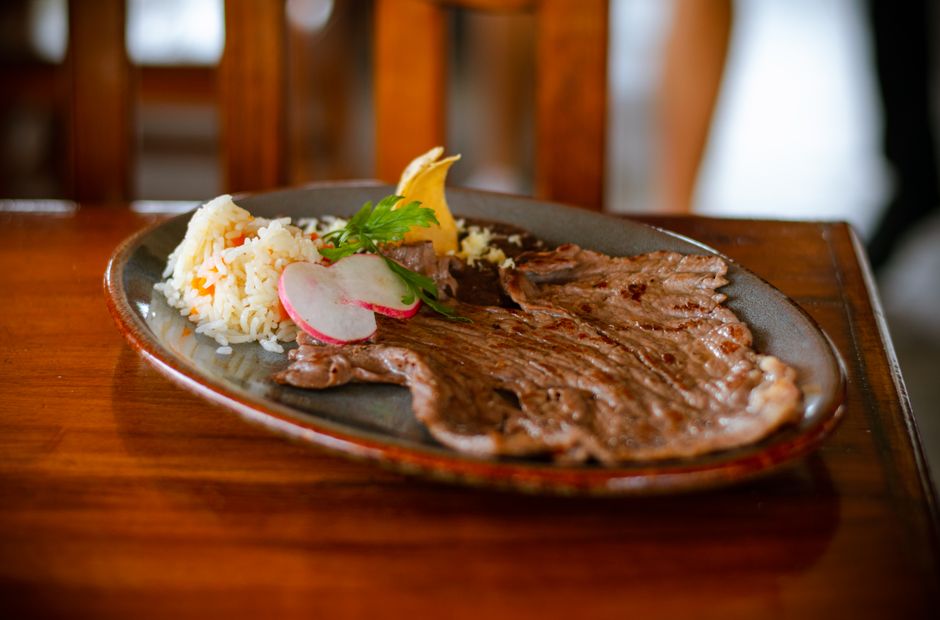
The Shed has been feeding Santa Fe since 1953, which in restaurant years means it's basically operating under a license to not change much. It's in a rambling adobe compound off the Plaza, and the menu reads like someone's great-grandmother decided red chile and beans were enough of a foundation to build a business on. They're not wrong.
The red chile is the thing to order here—carne adovada, red chile chicken enchiladas, red chile stew. It's not aggressively spiced; it's earthy, a little sweet, with the kind of depth that suggests someone's been tending the recipe. Lunch runs $14–$22. The patio is a maze of rooms and courtyards, which means you can eat alone and not feel like you're sitting in the middle of someone else's date. The place has a lived-in vibe that feels genuinely casual, not performed. Service moves at a pace that suggests they're not trying to turn tables, which is refreshing until you realize you've been there for two hours and want the check. Parking is street-only and intermittent—the lot fills fast at lunch, so go early or plan to walk.
Coyote Café: The Splurge That Earns It
Coyote Café lives on the second floor of a building on the Plaza, and it's the place you go when you've decided to spend money on dinner. Chef Mark Miller made his reputation here pushing Santa Fe cuisine into refined territory without pretension—which is harder than it sounds in a town full of chefs trying to do exactly that.
The menu changes with seasons and sourcing, but it's built around local ingredients and Southwestern techniques treated with technical skill. A recent menu featured wood-grilled fish with posole, duck with mole-adjacent chile sauce, and vegetable plates that read like they were designed by someone who actually respects vegetables. Expect to spend $65–$85 per person without alcohol. The room has windows on the Plaza, good light, and a bar where a solo diner can sit comfortably and watch the kitchen work. Reservations are essential—like, call-ahead-essential, not hope-for-a-walk-in essential. The downside isn't the price; it's the noise level. When the room is full (which is most nights), conversations blend into a medium roar that makes hearing your server announce the specials a team sport.
Palacio Bar & Grill: The Reliable Middle Ground
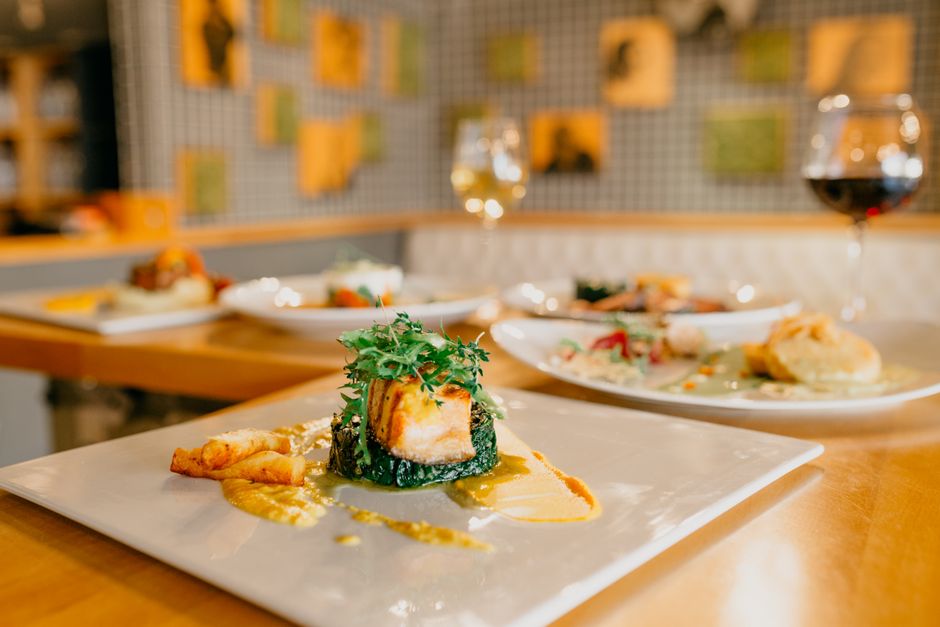
Palacio is on Palace Avenue in an old adobe with the kind of straightforward charm that doesn't require explanation. The menu isn't trying to reinvent anything—steaks, roasted chicken, pasta, chile-forward dishes. It executes them well enough that you don't leave thinking about what you missed.
A rib eye with seasonal vegetables, or the chile chicken with rice and beans, will run you $28–$38. The bar is functional and calm, which means ordering a drink and settling in solo doesn't feel like you're taking up prime real estate. The room has that adobe-thick-walls quiet that's rare in tourist-heavy cities. It's the kind of place where a solo traveler can eat a solid meal, read half a novel, and not feel rushed. There's parking nearby, hours are consistent, and they don't require a reservation weeks ahead. The trade-off is subtler: it's competent, not memorable. You'll eat well and forget about it three days later, which isn't a criticism if what you want is a reliable dinner that doesn't require planning or a second mortgage.
Sugar Nuns Bakery for Lunch That Doesn't Feel Like a Gamble
Sugar Nuns is a small bakery on Guadalupe Street run by two women who've been baking there for years. It's primarily a to-go operation, which means zero pretense and zero capacity for you to linger, but the sandwiches are built on bread they've baked that morning, and the fillings are the kind of thing that suggests someone actually cares about proportion and flavor.
A roasted vegetable sandwich or turkey sandwich with a side salad costs $12–$15. Grab a table outside on the street, watch the Plaza-area foot traffic, and eat quickly. The advantage of a bakery-sandwich setup is that you can see everything, choose quickly, and move without anyone timing your experience. It's the anti-reservation, the anti-long-meal experience. If you're rolling solo and want to eat outside without committing to a two-hour dinner, this works. The downside is entirely practical: the window closes at 2 or 3 p.m., depending on the day, so this is strictly a breakfast or early-lunch play.
Gelateria Italiana Dolce Vita for Dessert Seriousness
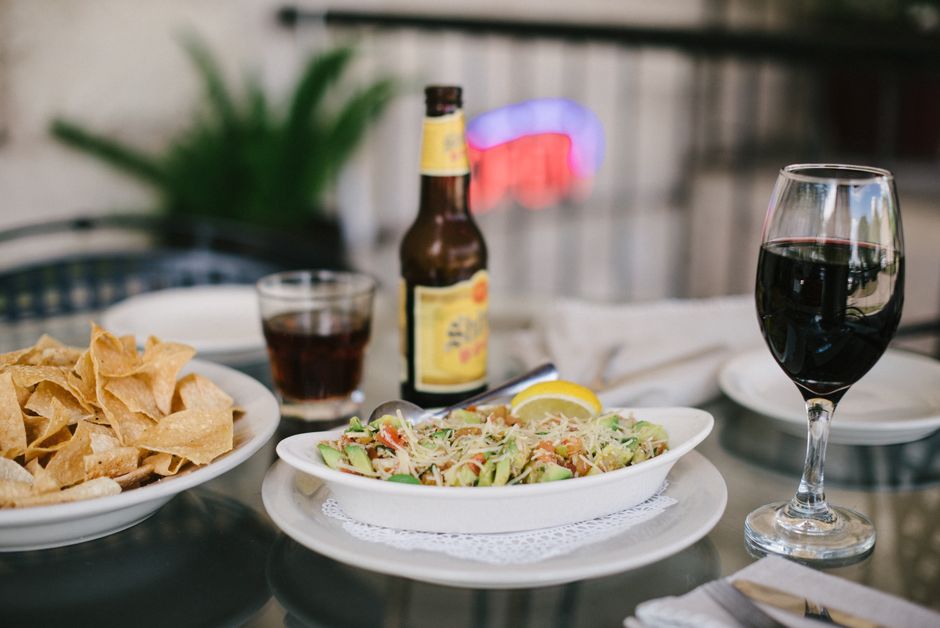
Gelato shops are everywhere in Santa Fe, but Dolce Vita is the one where the gelato tastes like someone actually cares about the ratio of cream to air. The flavors are classic—pistachio, chocolate, hazelnut—executed with enough precision that you notice the difference immediately.
A cup or cone will cost $5–$8, depending on size. There's room to stand and eat, or you can walk with it, which is what most people do. If you want gelato that tastes like an indulgence instead of frozen sugar water, this is the place. It's not fine dining, it's not a meal, it's an afternoon or evening interrupt that costs almost nothing and tastes like it costs more. No downside here—it's a sweet stop, not a restaurant.
The Reality of Eating Alone in Santa Fe
Eating solo in Santa Fe works better at lunch than dinner, better at counter or bar seating than at tables, and better when you're willing to be flexible about timing. Reservations matter far more than they do in equivalent-sized cities elsewhere, and the restaurants that are easiest for walk-ins tend to be the ones that are okay with turnover—breakfast spots, lunch counters, casual places.
There's also the altitude factor, which nobody talks about. You'll be thirstier, fuller faster, and sleepier earlier than your body expects. Drink water aggressively at lunch, don't eat your biggest meal at 9 p.m., and factor in that you might need to rest between major meals. The food culture here is tied to seasons and sourcing, which means menus actually change—what was on the menu last month might not be there now. Call ahead, ask what's current, and don't assume the restaurant website is updated. Parking varies wildly by location. The Plaza area is a walk-and-explore neighborhood, but if you're driving to somewhere off the main drag, confirm parking exists before you commit to reservations.
Frequently Asked Questions
Do you need reservations at Santa Fe restaurants?
It depends on the restaurant and timing. Casual lunch spots like The Shed and Sugar Nuns work walk-in, especially early. Dinner at upscale places like Coyote Café requires reservations days or weeks ahead. Mid-range restaurants like Palacio Bar & Grill are flexible but safer with a call. Breakfast is the most reliable for walk-ins if you go before 8 a.m.
What is Santa Fe red chile and where should you try it?
Santa Fe red chile is a locally-grown variety with earthy, slightly sweet flavor, used in everything from enchiladas to stews. The Shed is the classic spot to eat it—their red chile carne adovada and enchiladas are the reference point. It's less spicy than most people expect and more complex.
Is it easy to eat alone at restaurants in Santa Fe?
Yes, if you choose wisely. Counter seating at breakfast spots like Pasqual's and bar seating at places like Palacio work well for solo diners. Avoid tables at busy dinner services where you'll feel like you're occupying space. Lunch is easier than dinner for walk-ins and casual solo meals.
What's the price range for meals in Santa Fe?
Breakfast and lunch range from $12–$25 at casual and mid-range spots. Dinner at established restaurants runs $28–$45 for casual-to-midrange, and $65–$85+ at fine dining. Budget higher for alcohol, though many places have good wine and local beer at reasonable markups.
Which restaurant would you try first?



