
I showed up in Asheville on a Saturday in October expecting to hate it. The hype machine had been running on that city for years—artsy mountain town, craft beer mecca, young people with good taste gravitating uphill from the flatlands. I'd read the listicles. I knew what I was supposed to do. But somewhere between the parking nightmare near the Grove Arcade and the four-deep line at a brewery I'd never heard of, I realized the real Asheville wasn't the one I'd bookmarked.
Don't get me wrong: the place has legitimate draw. But you learn pretty quick that some of the main attractions are worth their reputation, and some are just loud. After spending a week here, talking to locals at a coffee counter and wandering into neighborhoods where tourists barely venture, I've got some thoughts. Some of what everyone tells you to do is genuinely worth the trip. Other things? You can skip them without missing much.
Why Biltmore Estate Feels Like a Pilgrimage You'll Resent Paying For
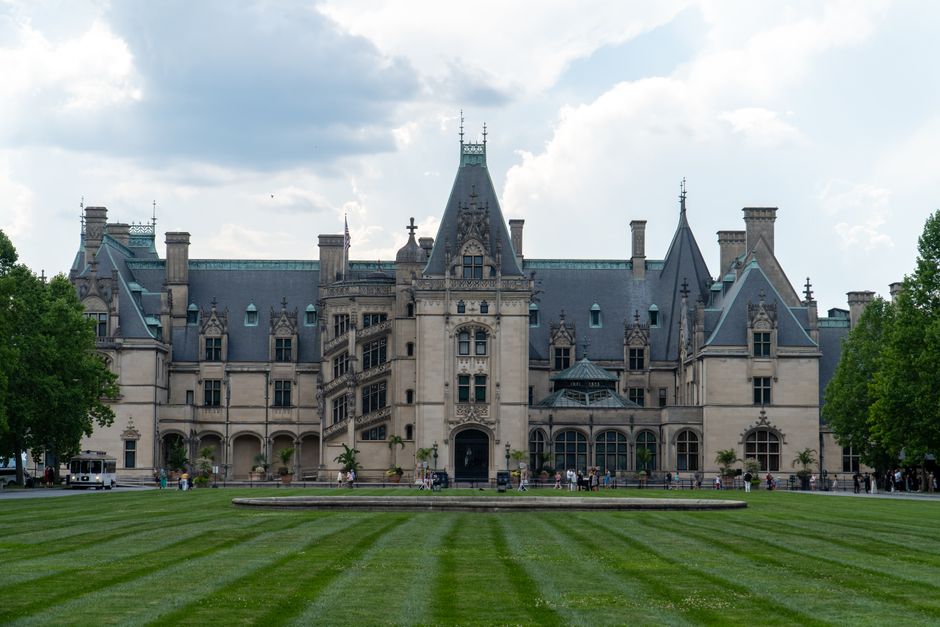
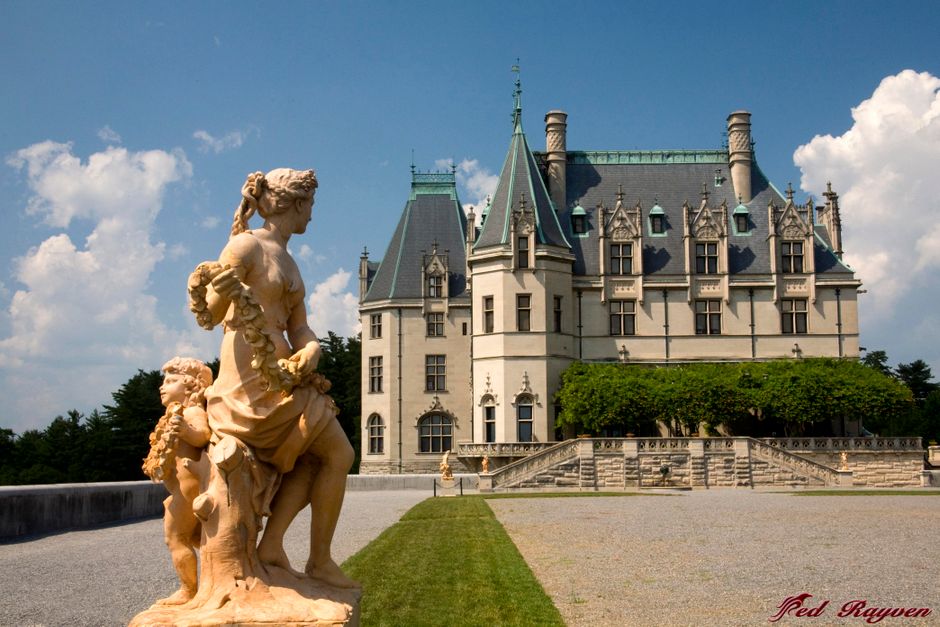
Look, the Biltmore is real. It's a genuinely impressive mansion with gardens that required actual vision and money to create. Vanderbilt had taste, or at least hired people with taste. But here's the thing: you'll pay $79 to walk through it, you'll spend three hours shuffling behind tour groups, and afterward you'll have seen a very expensive house. A house, mind you, that you cannot actually live in or touch most of the furniture in, and where the audio tour narration will make you feel like you're in a museum gift shop that happens to have walls.
The real issue is how Biltmore dominates the entire conversation around what to do here. It's the draw, the anchor, the thing that gets people to Asheville in the first place. And that's fine for Biltmore's balance sheet. But it crowds out everything else and creates this false impression that Asheville is about 19th-century wealth on display. It isn't. Most of the actual life happening here has nothing to do with Vanderbilt.
If you're set on mansion tourism, sure, go. If you're trying to actually experience Asheville as it exists now? Spend your eighty bucks elsewhere and get out early enough to catch the afternoon light in neighborhoods where people actually live.

Brewery Culture Is Oversold, but a Few Spots Get It Right
Asheville loves to trumpet its brewery count like it's a mark of distinction. There are dozens. People visit and tick through them like they're collecting Pokemon. It's exhausting to even watch. Most of them taste like each other—solid enough IPA, a sour you didn't ask for, a rotating tap list you'll forget in a week. The whole thing has become performative. You're not there for the beer. You're there to say you've been to a brewery in Asheville, which is apparently a thing that matters.
Twin Leaf Brewery, though, operates differently. It's in a neighborhood space that doesn't feel designed for Instagram, the owners actually seem to care about what's in the glass, and the crowd is smaller. It doesn't have the chaotic energy of South Slope on a Friday night, where it's all T-shirt shops and people yelling. You can actually taste what you're drinking. A few of the older taverns scattered through the city—divey, unadorned places that existed before the beer boom—have the same quality. They're quieter. You're not waiting forty minutes to order.
If you like beer, good. Have a beer. But don't feel obligated to turn it into a checklist. The best drink you'll have might be coffee, or it might be a whiskey in a bar that doesn't have a single IPA on draft.
The Real Asheville Is in River Arts District, Not the Downtown Shopping Corridor
The tourist maps all point downtown—Wall Street in particular, which is the commercial heart and which has gotten progressively gentrified into sameness. Good restaurants, sure. Shops that sell candles and hand-poured bath bombs, absolutely. It's pleasant enough if you like a polished retail experience. But it's not what makes Asheville distinct.
Head toward the French Broad River and the Arts District on the east bank instead. This is where actual artists maintain working studios—painters, potters, glassblowers—in converted warehouses that still have industrial bones. You can walk in, watch people work, and buy directly from them without a gallery markup or a corporate retail wrapper. The crowd is different. It's slower. The energy is about creation, not consumption. On a Saturday afternoon you'll see more real activity here than you will on a Saturday night downtown drinking expensive cocktails.
The neighborhood has some rough edges, some blocks that haven't been fully developed, and that's actually the appeal. It feels unstaged. You're not being herded through a designed experience. You're moving through a neighborhood where people make things.
The Neighborhoods Where Nobody's Posting Photos
Once you get off the main drags, Asheville reveals itself as a series of quiet, tree-heavy residential neighborhoods that somehow exist in the same city as the crowded walkable tourist core. Montford is one—a Victorian-era neighborhood north of downtown with old homes, local spots like Merlin's on Main, and the kind of sidewalks that make walking feel purposeful rather than performative. It has actual context. People live here. It's not a neighborhood that's been designed to look livable.
Battery Park sits closer to downtown but has maintained its own character. A bookstore called Battery Park Book Exchange takes up an entire building in this neighborhood; it's sprawling enough to get genuinely lost in, with a coffee bar and enough used inventory to justify spending hours. The neighborhood around it is walkable, has a grocery, local spots. It feels like a place rather than a destination.
You could spend two days just moving through different Asheville neighborhoods without hitting the main tourist corridors. That's where you actually see how the city is living—what people eat at the local restaurants, what they read, where their kids play. It's less exciting to describe. It doesn't photograph as well. Which might be exactly why you should go.
What Actually Holds Up: Lookout Mountain and Some Hikes That Aren't Crowded
Not everything that's popular is overrated. Lookout Mountain, east of the city, gives you a view of the Blue Ridge that justifies why people moved here in the first place. It's a short drive from downtown. On a clear day the light is good enough to understand why painters come to Asheville. It's not a difficult hike. You're not earning your view through suffering.
Craggy Gardens—a ridgeline hike about 30 minutes north—is steeper and more involved, but the crowd is a fraction of what you'd see at more famous spots in the area. Same with some of the lesser-known waterfall trails. The best hiking in the region isn't Linville Falls; it's the quieter trails where you might see one or two other people in an afternoon. A local at a coffee shop can point you to those better than any guidebook will. Ask around. People in Asheville are genuinely generous with recommendations if you ask them directly.
The mountains themselves haven't been gentrified. They're still impressive. The view is still there. That part of the hype is actually earned.
Food Is Better Than the Hype Suggested, If You Know Where to Look
Asheville's food scene gets talked about in superlatives that don't quite match reality for most spots. But there are real restaurants doing serious work. Coquette is one—French-influenced, not precious about it, the kind of place where the chef is actually thinking about flavors rather than presentations. It's been here long enough that it doesn't have the pressure to be Instagram-famous. They just cook.
Smallman Galley operates differently from the downtown establishments—it's a community-focused space with rotating chefs and a philosophy that seems less about prestige and more about feeding people well. You might eat better here than at restaurants charging twice the price.
The farmers market (now in a permanent indoor space) is a legitimate place to understand what Asheville's food culture is built on. Eat there, buy vegetables, talk to farmers. That's closer to the real economy of the place than any restaurant review will get you. The casual meal—a sandwich from a local bakery, vegetables you bought that morning—might be better than the fancy dinner you planned.
The Honest Take on Your Time Here
Asheville works best if you're willing to ignore some of what you're supposed to do and pay attention to what's actually happening. It's a city that's been discovered and is dealing with that discovery the way most charming small cities do—some businesses have gotten polished, some neighborhoods have gotten expensive, and the original character is still there if you look for it.
Go to Biltmore if you're genuinely interested in 19th-century architecture. Skip it if you're just checking a box. Drink at a brewery, but don't make it your agenda. Walk downtown, but spend more time in the neighborhoods where you're not surrounded by tourists. Hike a trail that isn't famous. Eat at a restaurant because you're hungry, not because it's been written about.
The version of Asheville that lives up to its reputation is still here. It's just quieter than the version everyone else is looking for. You find it by doing less of what you're supposed to do and more of what sounds interesting when you're standing there on a Thursday afternoon with nowhere to be.
Frequently Asked Questions
Is it worth visiting Biltmore Estate in Asheville?
Biltmore is genuinely impressive as a piece of architecture and landscape design, but it's expensive, crowded, and dominates the tourist conversation disproportionately. If you're interested in Gilded Age estates or 19th-century design, it's worth the money. If you're just looking for a symbol of Asheville's cultural draw, you'll find more authentic experiences elsewhere in the city for less money.
What are the best neighborhoods to stay in Asheville NC?
Montford and Battery Park offer walkable, livable neighborhoods with local character that feel like actual places rather than tourist districts. They're close enough to downtown that you're not isolated, but far enough that you avoid the crowds. River Arts District is also worth exploring if you want to be near studios and galleries, though it's less residential.
How many breweries does Asheville actually have?
Asheville has dozens of breweries, often cited as having more breweries per capita than most U.S. cities. While the number gets inflated in marketing, what matters more is that most are mediocre. A few—like Twin Leaf—do genuinely good work, but you don't need to visit multiple breweries to experience Asheville's beer culture.
What are the best hikes near Asheville NC?
Lookout Mountain and Craggy Gardens are both accessible and rewarding without requiring serious mountaineering. For quieter hikes with fewer crowds, ask locals at coffee shops—they'll point you to lesser-known trails with the same views but a fraction of the foot traffic. Avoid the most famous waterfalls on weekends if you want solitude.
Which one would you visit?



