
I rolled into Spokane on a Tuesday evening with the kind of hunger that comes from eight hours on I-90. The city surprised me. Not because it's some undiscovered foodie paradise—it's not—but because the restaurant scene actually has depth. You get serious chefs who've chosen to be here, solid neighborhood joints that know their lane, and a willingness to take risks that you don't always find in mid-size Northwest cities.
I spent the better part of a week eating my way through different neighborhoods and price points. Some meals were revelations. Some were fine but forgettable. All of them taught me something about what Spokane's food culture actually is, stripped of the marketing language. Here's what I found worth your time—and your money.
Marabou Café: Start Here for French Bistro Done Right
Marabou sits on the edge of downtown in a corner space that feels like it's been there for decades—and honestly, that's part of its appeal. It's the kind of place where locals know to make a reservation but won't make you feel like an intruder if you walk in solo.
The menu leans French bistro without being pretentious about it. I ordered duck confit on my first visit and came back specifically for it again. The duck is tender enough that the knife barely matters; the skin has actual crackle. A steak frites showed up properly cooked—medium-rare without being cool in the middle—with a sauce that tasted like someone actually made it. Escargot, if you're into that, arrives in compound butter that doesn't overshadow the actual snail.
Expect to spend $25–45 per entrée depending on what you order. The wine list is thoughtful without being overwhelming. Service moves at a European pace, which is either exactly what you want or frustrating depending on your mood. The noise level can climb during dinner rush, especially on weekends, so if you're looking for intimate quiet, go earlier. The real downside is parking—the neighborhood lots fill up, and you might circle a few blocks before finding street parking.
The Wandering Table: Casual, Inventive, Worth the Wait
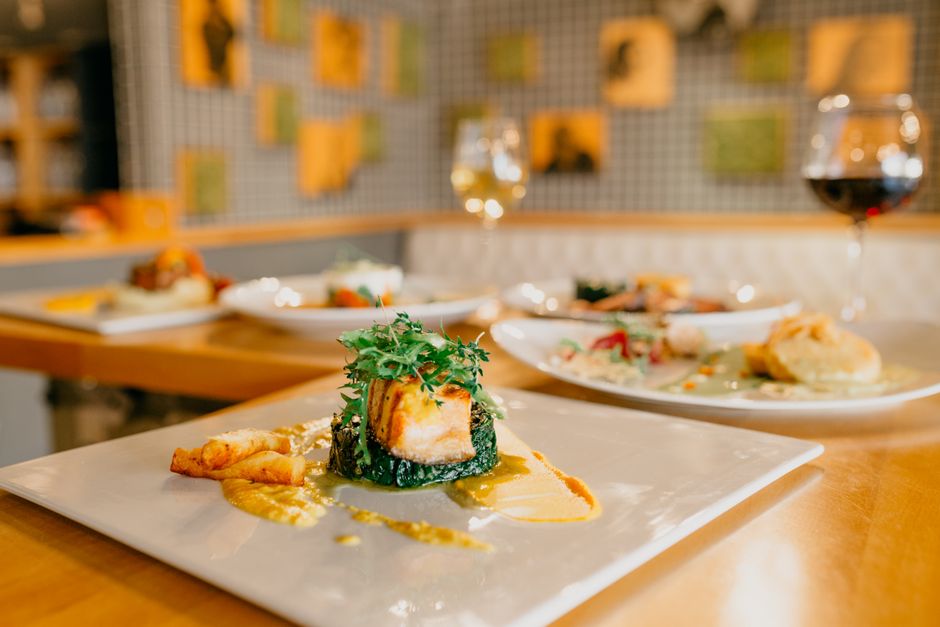
This place operates somewhere between a restaurant and a very organized food stall. The menu changes based on what's available and what the chef is thinking about that day. Some nights you get Korean-inflected short ribs. Other times it's something with preserved lemons and stone fruit that didn't exist last week.
I waited 45 minutes on a Friday night, which felt long until the food arrived and I understood why people come back. A rice bowl with charred vegetables, a soft egg, and a ginger-soy situation that I still think about. Wood-fired flatbread with a blistered crust and toppings that actually complement each other rather than just piling on. Everything is approachable—nothing tries too hard—but you can taste the attention.
You're looking at $15–25 per main dish, which is genuinely fair for what you get. The space is minimal; it's loud, casual, lots of solo diners at the counter. The line is real, especially Thursday through Saturday. Go early or accept that you're parking yourself on a bench with a drink and waiting. If you're hungry immediately, this isn't the spot. If you have time and want to eat something that tastes alive, it's worth every minute of waiting.
Mizuna: Japanese Technique, Spokane Ingredients
Mizuna occupies a small space in a nondescript building, which is exactly the kind of place where serious restaurants hide in cities like this. The chef trained in Japan and somewhere along the way decided Spokane was the place to do this work. The sushi is exceptional, but more interesting is what happens when that training meets local access.
Order whatever the chef wants to make for you—the omakase experience is the thing here. You'll get sushi and sashimi that sources local and seasonal ingredients whenever possible, prepared with the kind of precision that makes each piece matter. The nigiri isn't fussed with; it's just rice, fish, and a whisper of wasabi. A dish of what seemed like simple grilled fish turned out to have more layers of flavor than the three-course meal I had elsewhere.
This isn't cheap—you're spending $50–80 for dinner depending on what the chef decides to give you. But the size of the check comes with actual skill and thought. The space is intimate, which means it's quiet enough to think but can feel close if you're sitting near other diners. Weeknight reservation is easy; weekends book up. The only real friction point is deciding whether you want to commit to omakase when you don't know exactly what you're paying. It's trust-based dining. If you're okay with that, you'll eat something better than you expected.
Frank's Diner: Hash Browns as Philosophy
Frank's has occupied the same train car since 1906, which alone is worth the visit, but the food is also legitimately good diner food. Not "good for a diner"—good, period.
The hash browns are the thing everyone talks about, and they're right to. They come out crispy, substantial, golden in a way that suggests they've been cooked in cast iron that's never seen a dishwasher. A breakfast sandwich—eggs, bacon, proper toast—will reset your expectations for what simple food can be. The meatloaf at lunch is dense and honest. Pie is made in-house and worth the three dollars.
You'll spend $10–16 on breakfast or lunch. The coffee is the kind of thing that gets refilled automatically. The space is cramped and social; you sit at a counter where you're definitely going to talk to someone, whether you planned to or not. Cash is preferred, though they take cards. The wait for a seat on weekend mornings can be substantial—expect a line outside, especially Saturday and Sunday. This is the trade-off: it's popular, it's tight, but it's honest. Go on a weekday if you want to actually sit down immediately.
Saddleback Bicycle Café: If You Need to Eat Near the Trail
Saddleback started as a bike shop that added food out of necessity and somehow ended up doing both well. It's in the Cheney Spokane area, so if you're doing any trail work or cycling, it's convenient. But it's also genuinely worth planning a visit around.
The sandwiches are built seriously—thick bread from a real bakery, meat that's sliced properly, vegetables that feel fresh rather than obligatory. A roast beef on a good roll, pickled onions, horseradish mayo. A smoked turkey situation with real depth. Salads are here too, and they're not an afterthought; they show up with actual produce and a dressing that tastes like it came from a person's kitchen, not a bottle.
Most items run $12–18. It's casual seating, lots of cyclists in full gear sitting next to people in business casual, everyone reading or working on their laptop. The vibe is relaxed and not precious. The parking situation is easy since most people are arriving by bike. The only real limitation is that the menu is intentionally focused—if you're looking for varied cuisine, you're getting sandwiches and salads. If you're okay with excellence in a narrow lane, it's reliable and worth a return trip.
Manito Tap & Grill: Neighborhood Restaurant Done Right
Manito sits in the residential part of town and operates like a restaurant that actually serves its neighborhood, not Instagram. The space is warm without being designed-to-death—wood, comfortable lighting, the kind of place where the regulars probably know your order after three visits.
The menu covers a lot of ground. A burger that's built to proportion—meat that's been ground and handled with respect, cheese that melts into the right places, a bun that doesn't dissolve under sauce. Fried chicken that tastes like someone actually knows how to do that. A fish and chips with batter that's crisp but not aggressive. Nothing on the menu tries to be revolutionary. Everything shows up and tastes like thought went into it.
Entrées run $14–24. The drink program is solid without being showy—good beer selection, cocktails that are balanced rather than aggressive. It's a neighborhood spot, which means noise level varies depending on what's happening that night. Wednesday is quieter. Saturday can be lively. Street parking is usually fine. The kitchen is consistent—I never got something that felt phoned in, even on nights when the place was full. It's the kind of restaurant you'd be happy to have near your house.
What Actually Works for Solo Dining in Spokane
The best solo dining here happens either at a counter or in smaller spaces where you're not made to feel like a table that's taking up money. Frank's diner and Saddleback both understood this without needing to. Marabou and Mizuna work fine solo but feel slightly more formal—you're okay there, but you're one of a setup designed for groups.
Reservations matter more than they used to. Call ahead if you're going to anywhere beyond casual. If you're eating off-peak hours—Monday through Wednesday, before 6 p.m.—you'll have fewer problems getting a table. The restaurant density in downtown and on the South Hill means you can walk between options, which takes pressure off any single choice.
Spokane's food culture is still building itself. You won't find the restaurant density of Seattle or Portland, and the experimentation is smaller in scale. But there's a genuine desire among the people running these places to do something worth your attention. That counts for something, especially when you're traveling alone and looking for a meal that actually means something.


