
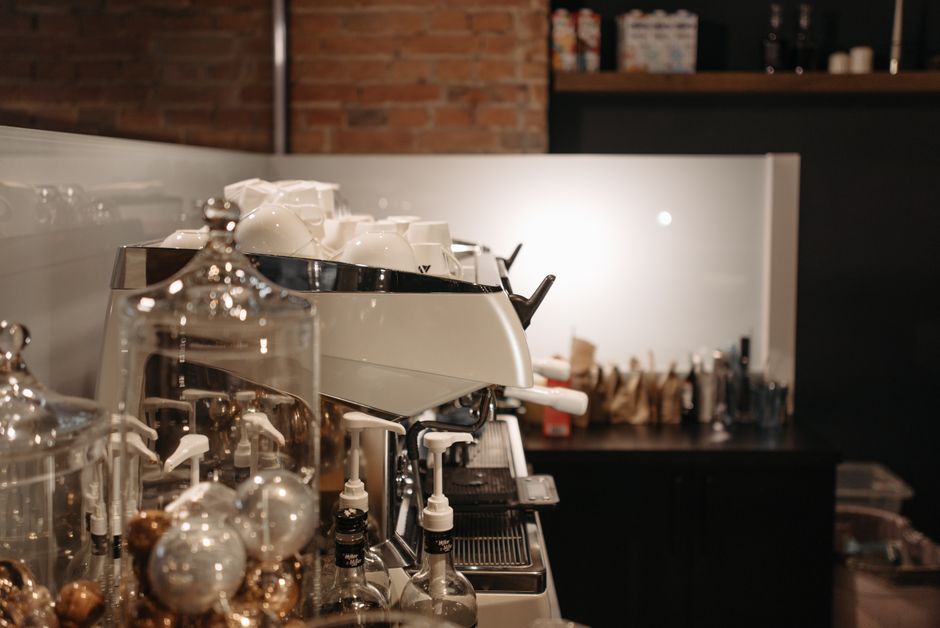
I rolled into Spokane on a gray morning in late fall, the kind of weather that makes you want to camp out somewhere warm with decent coffee. After a few days poking around, I'd settled into a rhythm: mornings at one cafe, lunch nearby, maybe an afternoon move to catch different light and people. The thing about Spokane's cafe scene is that it feels genuinely local—not trying too hard, not slick, just solid spots where you can actually work or read without feeling like you're occupying prime real estate under fluorescent lights.
The city's got neighborhoods with distinct personalities, and the cafes reflect that. Downtown is the obvious anchor, but the South Hill, West Central, and areas around the university all have their own draws. I spent a week moving between them, and the picture that emerged wasn't about Instagram appeal—it was about places that actually function as third spaces. Reliable internet. Enough outlets or at least good natural light. Pastries that taste like they came from an actual kitchen.
Atticus Coffee—The Downtown Anchor
Atticus is where everyone tells you to go first, and they're not wrong, though it's wise to manage expectations. This isn't some undiscovered corner; it's a genuine working cafe in the heart of downtown, occupying a good chunk of real estate with high ceilings, plenty of tables, and the kind of ambient noise that actually helps concentration. The wifi is solid, and there are enough outlets that laptop people don't have to play musical chairs.
Their espresso drinks are clean and consistent. I kept ordering the same cappuccino because it was built well, not because they'd reinvented it. The food leans toward sandwiches and baked goods, and while nothing felt transcendent, nothing disappointed. What matters is the setup: you can plausibly spend three hours here without ordering a second coffee and feeling like you're in the way. The seating varies from high-top communal tables (good for people-watching) to quieter corners in the back. On weekdays before noon, it's genuinely workable; afternoons get busier, which is fine if you're just killing time and watching the flow of downtown foot traffic.
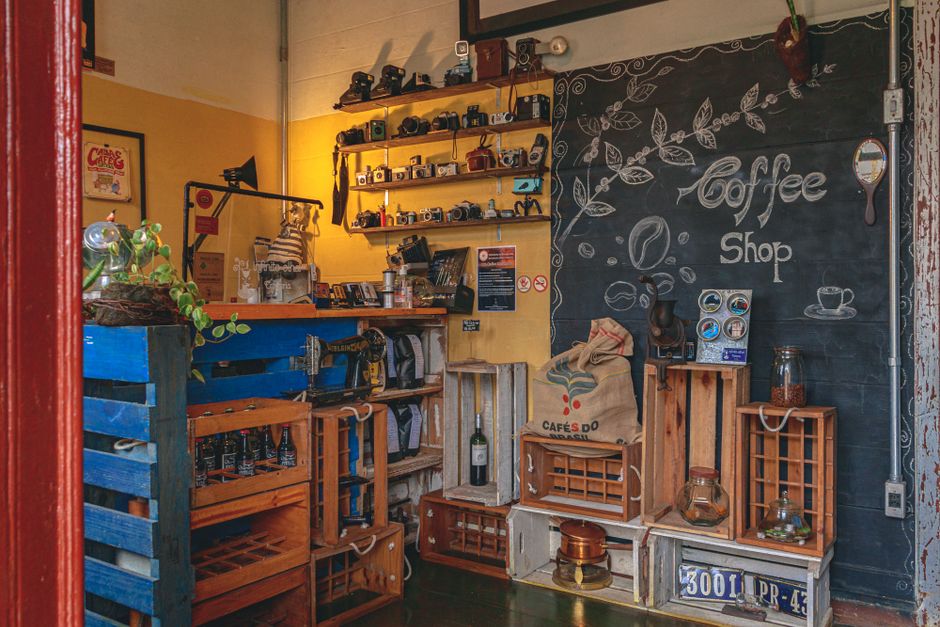
The Crumbl Cafe—South Hill Escape
The Crumbl Cafe sits on the South Hill, up the rise from downtown, and it's the kind of place that feels deliberately separate from the main drag. It's smaller than Atticus, more intimate, with a neighborhood-cafe vibe that reflects its residential surroundings. If you're working, it's quieter—not silent, but the ambient noise is conversations at nearby tables rather than the bustle of a downtown location.
They've got a good handle on pastries here. Their croissants have legitimate lamination, and the seasonal baked items actually rotate. The coffee is competent, though it's not the draw; the draw is that it's a place where people come because they live nearby, not because it's on the must-visit list. That distinction matters if what you want is to sit and work without feeling observed. Seating is limited—there are maybe eight tables—so if you're planning a full work day, check it out on a weekday morning. The South Hill location also means you're near shops and the residential streets that make for decent walking if you need a break.
The Rocket Bakery—West Central's Anchor
The Rocket Bakery exists on a block of West Central that's quietly becoming Spokane's most interesting restaurant and cafe row. It's a full bakery operation with a cafe attached, and the distinction matters: these people bake in-house, which you can smell the moment you walk in. Everything from the bread to the pastries to the morning buns carries actual work.
Seating is modest—a handful of tables, some counter space—so this isn't a full-day workstation. What it is, though, is a destination stop on a neighborhood walk. Go for coffee and a pastry, sit for thirty to forty minutes, watch the block's morning rhythm. The baristas are skilled and unhurried. The neighborhood itself, if you haven't wandered West Central, has a lot more personality than the standard Spokane visitor suspects: galleries, vintage shops, restaurants that have actual depth. If you're someone who likes to work but also likes to move around, anchor a morning here and then walk the streets.

Coeur d'Alene Mines Corporation Building Cafe—Hidden in Plain Sight
This one's easy to miss. It's technically inside a historic building downtown, and unless you know it's there, you'll walk past. Once you find it—and the entry is not obvious—you'll understand why locals protect this spot. It's a small, quiet operation with excellent coffee and a focused approach to what it does. No massive pastry case, no attempts to be everything to everyone.
The seating is genuinely limited, which is exactly the point. This is a place where you get a coffee, settle in for an hour or two, and actually focus. Laptop people work here regularly, and there's an understanding that you're using it as a workspace, not a social hangout. The neighborhood context is pure downtown—older buildings, the kind of Spokane that existed before the latest wave of development. The cafe itself has character without trying. If you want to understand how Spokane's coffee scene operates away from the polished storefronts, this is the spot. Note: I'd suggest asking locals for the exact location rather than relying on GPS, because signage is minimal by design.
Holmberg Coffee—University District Consistency
The university area draws a different crowd, and Holmberg Coffee reflects that. Students, faculty, people in the neighborhood—it's genuinely mixed. The space is set up for the reality of student life: lots of seating, reliable wifi, enough outlets that you're not hunting. On weekday mornings, there's a particular calm; afternoons and especially weekends get much busier.
The coffee is good without pretense. Their drinks are straightforward and well-executed. Pastries and sandwiches are available, standard cafe fare. What makes Holmberg work is that it doesn't overcomplicate things. You come, you order, you sit, you work. The neighborhood around it is walkable—the university grounds are nearby, there are student-oriented shops and restaurants within a few blocks. If you're exploring that part of Spokane or you're actually affiliated with the university, this is the obvious choice. It's also the kind of place where you can watch how a local cafe actually operates—the turnover is steady, people know each other, it functions as an actual community space rather than a tourist attraction.

Mizuna—Cafe with Actual Kitchen Depth
Mizuna sits in a category slightly apart from the others on this list because it's as much restaurant as cafe. It's a local institution with a strong reputation for food, and the cafe component is genuine rather than secondary. Their coffee is high-quality, sourced with actual intention, and the pastry case reflects what a kitchen-backed operation can do.
Seating is comfortable but not unlimited. Mornings are better for settling in and working; lunch service heats up quickly, and the atmosphere shifts. Go early, order a coffee and something to eat, and you can easily spend a morning here. The neighborhood—it's downtown-adjacent but with its own character—is worth exploring if you're in the area. What you're getting here is a sense of how seriously Spokane's better restaurants approach their cafe components. It's not a secret spot, but it's a genuinely good one if you want coffee that's been thought about, alongside food that reflects actual skill.
The Practical Reality
None of these places are perfect for an entire work day if you're the type who needs silence, unlimited seating, and no transitions. Spokane's cafes are designed for a more human rhythm: you work for a while, you move, you get coffee somewhere else. That's not a limitation; it's actually how cafes function best in a mid-size city.
Wifi is generally reliable across all of them, though like everywhere, it's worth asking about password requirements and speed before you settle in for hours. Outlets are available but not always plentiful, so if you're on a laptop, position yourself carefully. Pastries and coffee quality run from good to genuinely excellent—none of them are merely acceptable. The neighborhood context matters more here than in most cities; Spokane's geography means that which cafe you choose also determines what's around you for breaks and lunch.
Visit on weekday mornings if you want the quietest experience and the fastest service. Afternoons are fine if you're just people-watching or reading. Weekends are their own thing—busier, more social, less obviously geared toward work. Start with Atticus if you want the safest bet for all-day seating, but spend time at the others for the reality of how Spokane works.


