
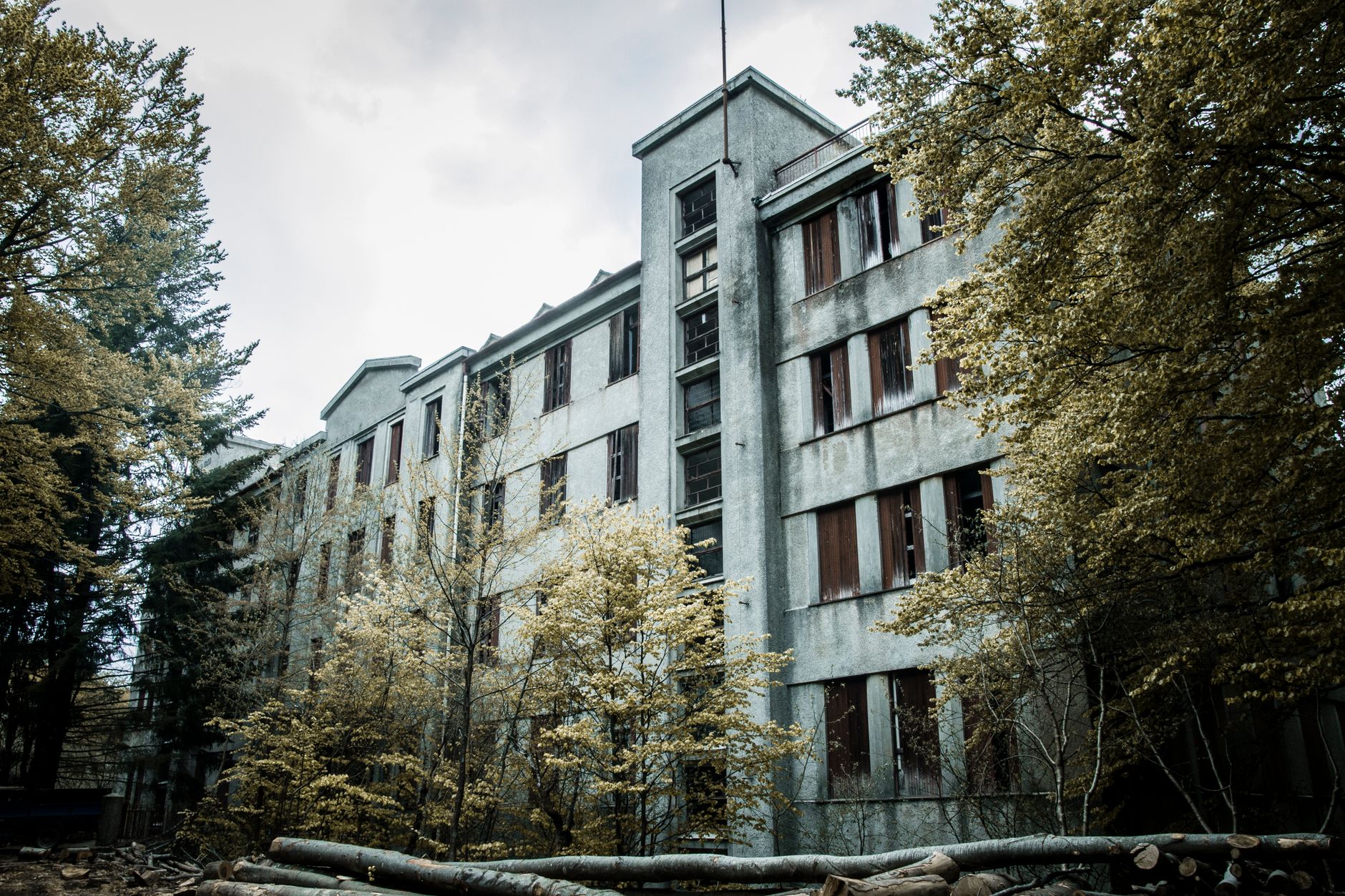
The True American Horror Story of Topeka State Hospital: An Overview
The true American horror story of Topeka State Hospital is not a fictional tale — it is a deeply troubling chapter in the history of American psychiatric care. Operating for over a century in Topeka, Kansas, this institution became a symbol of systemic neglect, overcrowding, and inhumane treatment of vulnerable patients. What began as a facility meant to provide care and rehabilitation gradually descended into conditions that shocked investigators, reformers, and the public alike.
Table of Contents
- The True American Horror Story of Topeka State Hospital: An Overview
- The Origins of Topeka State Hospital
- Decades of Overcrowding and Neglect
- Documented Abuses and Inhumane Practices
- The Role of Reform Movements and Legal Challenges
- The Closure and Its Aftermath
- What Topeka State Hospital Tells Us About Mental Health Care in America
- The Haunting Legacy and Cultural Memory
- Conclusion
- Frequently Asked Questions
- Key Takeaways
- Topeka State Hospital operated from the late 1800s until its closure in 1997, leaving behind a legacy of controversy.
- Overcrowding, understaffing, and inadequate funding created dangerous conditions for patients over many decades.
- Documented abuses included physical mistreatment, use of restraints, and experimental or punitive practices.
- The hospital’s closure was part of a broader national deinstitutionalization movement that transformed mental health care.
- The site remains a point of historical interest and serves as a cautionary tale about the treatment of people with mental illness.
The Origins of Topeka State Hospital
Topeka State Hospital — originally known as the Kansas State Insane Asylum — was founded in 1872 as the state’s primary institution for people diagnosed with mental illness. Like many asylums of its era, it was built on the moral treatment model, which promoted structured routines, fresh air, and occupational therapy as paths to recovery. The facility was initially seen as a progressive response to the needs of people who had previously been housed in jails or poorhouses with no specialized care.
Over time, however, the population of the hospital grew far beyond what its founders ever anticipated. Immigration, urbanization, and a broadening definition of mental illness meant that more and more people were committed, often with little due process or meaningful medical evaluation. By the early twentieth century, the institution was straining under the weight of its own population.
Decades of Overcrowding and Neglect
One of the most persistent and devastating problems at Topeka State Hospital was overcrowding. At its peak, the facility housed many times more patients than it was originally designed to accommodate. Wards that were intended for dozens of patients held hundreds, creating unsanitary and dangerous living conditions that were nearly impossible for underpaid, undertrained staff to manage.
Funding from the state of Kansas was chronically inadequate. Staff-to-patient ratios were alarming, meaning that individual patients received very little personalized attention or therapeutic care. Many patients spent the majority of their time in locked wards with minimal stimulation, human contact, or structured treatment — a reality that worsened rather than improved their conditions.
Documented Abuses and Inhumane Practices
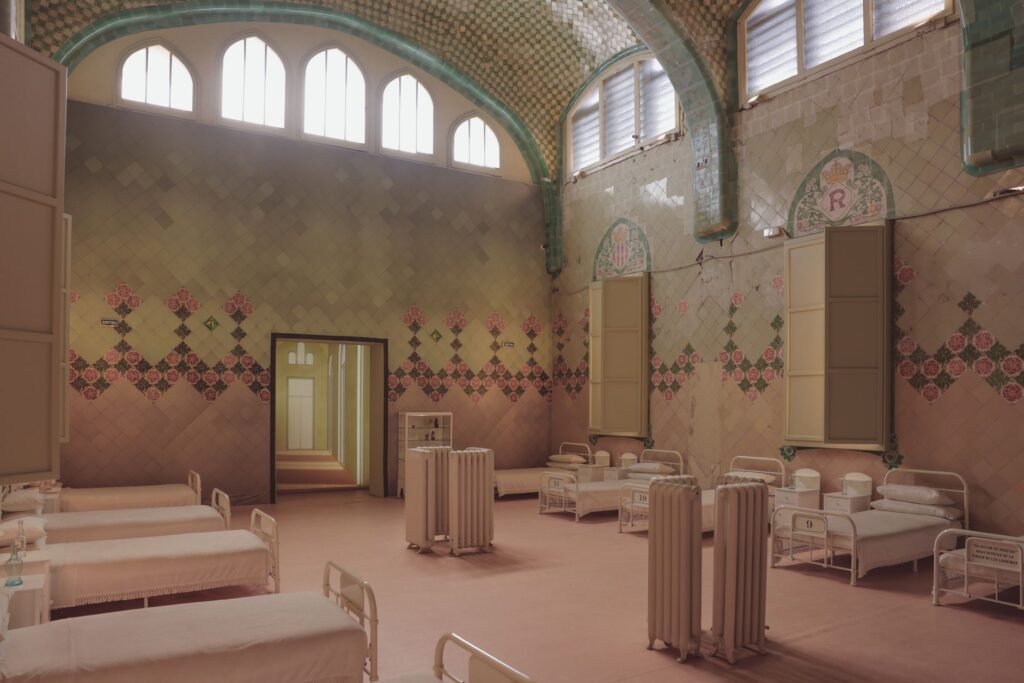
The true American horror story of Topeka State Hospital includes well-documented accounts of physical restraints being used not as a last resort, but as routine management tools. Patients were sometimes confined for hours or days at a time in ways that caused physical and psychological harm. Reports from various periods in the hospital’s history describe incidents of patient-on-patient violence that went unaddressed due to inadequate supervision.
Experimental treatments that were common in psychiatry throughout the twentieth century were also used at the facility. Procedures such as insulin coma therapy and electroconvulsive therapy were administered in contexts where informed consent, by modern standards, was practically nonexistent. Patients — many of whom had been committed involuntarily — had very little power to refuse treatment or advocate for their own well-being.
Some patients died under circumstances that were inadequately investigated. Recordkeeping was inconsistent, and the deaths of institutionalized individuals received far less public scrutiny than deaths in the general population. The isolation of the hospital from public view made accountability difficult.
The Role of Reform Movements and Legal Challenges
By the mid-twentieth century, a growing national movement began to challenge the conditions inside state psychiatric hospitals. Investigative journalism, advocacy organizations, and civil rights attorneys began to expose the systemic failures at facilities like Topeka State Hospital. Legal challenges brought on behalf of patients began to establish that people with mental illness had rights — including the right to treatment in the least restrictive environment possible.
Kansas, like other states, faced increasing pressure to reform or close its large psychiatric institutions. Federal legislation and shifting attitudes toward mental health care pushed states to develop community-based alternatives. While these changes were overdue, the transition was also complicated — many patients who were discharged from institutions like Topeka State Hospital ended up homeless or inadequately supported in the community.

The Closure and Its Aftermath
Topeka State Hospital officially closed in 1997, marking the end of more than a century of operation. Its closure was part of the broader deinstitutionalization movement that swept the United States, which saw the population of large state psychiatric hospitals drop dramatically from the mid-twentieth century onward. The buildings that once housed thousands of patients were left largely abandoned, and the land has been subject to various redevelopment proposals over the years.
The closure did not erase the hospital’s legacy. Former patients, families of those who had been institutionalized, and historians have worked to document what happened within its walls. Some former staff members have also spoken about the difficult and often impossible working conditions they endured. The site itself became a point of local historical interest and, for some, a source of grief and unresolved questions.
For those interested in how institutions shape communities, the story of Topeka State Hospital echoes themes seen in other dark chapters of American history. Much like the unsettling history explored in accounts of the most haunted forest in New York, places like this carry a weight that lingers long after their physical structures are gone.
What Topeka State Hospital Tells Us About Mental Health Care in America
The story of Topeka State Hospital is not an isolated one. Across the United States, large state psychiatric hospitals built in the nineteenth and early twentieth centuries followed a similar trajectory: optimistic beginnings, rapid overcrowding, underfunding, abuse, and eventual closure. What makes the Topeka case particularly instructive is the way it reflects the intersection of public policy, social stigma, and institutional power.
People with mental illness were among the most marginalized members of society, and their confinement in institutions like Topeka State Hospital reflected broader social attitudes about disability, deviance, and who deserved care. Reform has come slowly and imperfectly. Even today, debates about how to provide appropriate, humane, and affordable mental health care remain unresolved. Communities across the country continue to grapple with the consequences of deinstitutionalization, including high rates of homelessness and incarceration among people with untreated mental illness.
Understanding institutional failures in one context can deepen awareness of systemic problems elsewhere. For example, just as Topeka’s hospital story reveals how neglect compounds vulnerability, other data-driven stories about community challenges — such as the most dangerous cities in South Carolina — remind us that structural neglect takes many forms and affects real people’s lives in lasting ways.
The Haunting Legacy and Cultural Memory
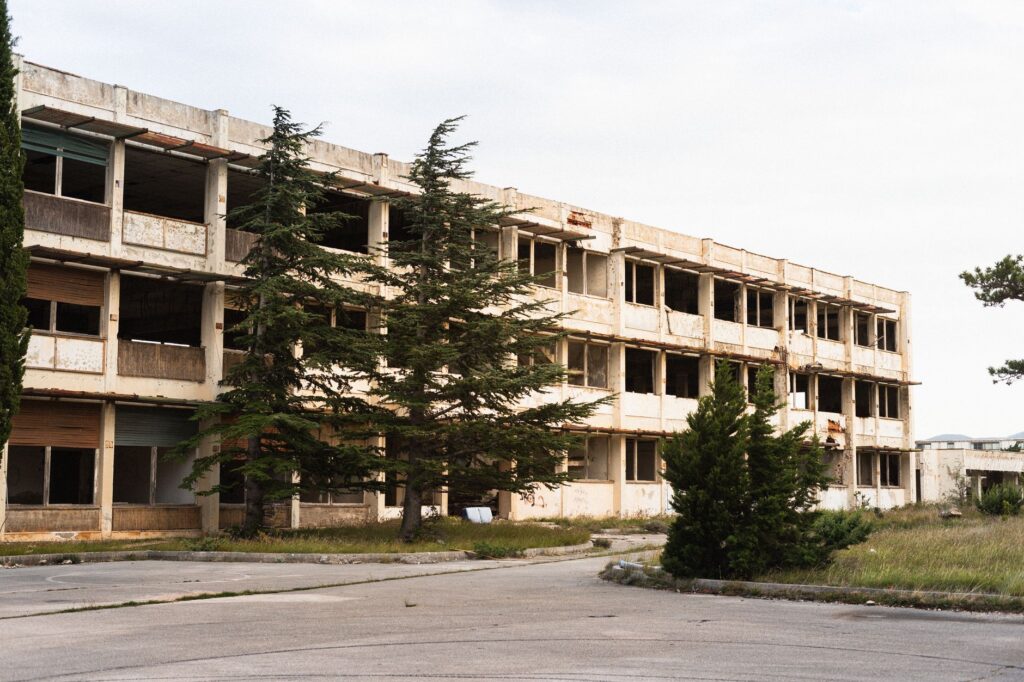
In the decades since its closure, Topeka State Hospital has taken on a different kind of cultural significance. The abandoned buildings, long hallways, and broken windows have attracted urban explorers, local historians, and those drawn to what is sometimes called “dark tourism.” Ghost stories and paranormal legends have grown around the site, as they often do with places that carry histories of suffering.
While the supernatural framing can sometimes trivialize the real human suffering that occurred, it also keeps public attention on the site and its history. Some advocates argue that treating these locations with historical seriousness — rather than simply as horror attractions — is a more respectful way to honor those who lived and died there. Oral history projects, academic research, and local commemorations have attempted to center the experiences of former patients rather than the lurid details of institutional decay.
The cultural fascination with places like Topeka State Hospital mirrors broader American anxieties about institutions, power, and what happens to people who fall outside the mainstream. It also raises uncomfortable questions about how far we have truly come in providing humane care for people with mental illness.
Frequently Asked Questions
When did Topeka State Hospital close?
Topeka State Hospital officially closed in 1997 after more than a century of operation. Its closure was part of the national deinstitutionalization movement that reduced the population of large state psychiatric hospitals across the United States.
What kinds of abuses occurred at Topeka State Hospital?
Documented concerns at Topeka State Hospital included overuse of physical restraints, inadequate staffing, patient-on-patient violence due to poor supervision, and the use of now-controversial treatments without meaningful informed consent. Chronic overcrowding and underfunding contributed significantly to these conditions.
Why were so many patients sent to Topeka State Hospital?
The hospital served as Kansas's primary psychiatric institution, and admissions grew as definitions of mental illness expanded and the population increased. Many patients were committed involuntarily, sometimes with minimal medical evaluation or legal process, reflecting the limited rights afforded to people with mental illness during much of the institution's history.
What happened to the Topeka State Hospital buildings after closure?
After closing in 1997, the buildings were largely abandoned and have been the subject of various redevelopment discussions over the years. The site has also attracted urban explorers and local historians interested in the facility's long and troubled history.
How does Topeka State Hospital fit into the broader history of American psychiatric institutions?
Topeka State Hospital followed a trajectory common to many large nineteenth-century asylums in the United States — beginning with reformist ideals, then deteriorating into overcrowded, underfunded institutions plagued by abuse. Its story is part of a nationwide pattern that ultimately led to the deinstitutionalization movement and ongoing debates about mental health care policy.
Conclusion
The true American horror story of Topeka State Hospital is ultimately a story about what happens when society fails its most vulnerable members. From overcrowded wards and inadequate funding to documented abuse and a painful legacy, the hospital’s history demands honest reflection rather than sensationalism. Understanding what went wrong at Topeka State Hospital — and at institutions like it across the country — is essential if we are to build more just and compassionate systems of care. The lessons embedded in this history are not relics of the past; they remain urgently relevant to ongoing conversations about mental health policy, human rights, and social responsibility.




One Comment