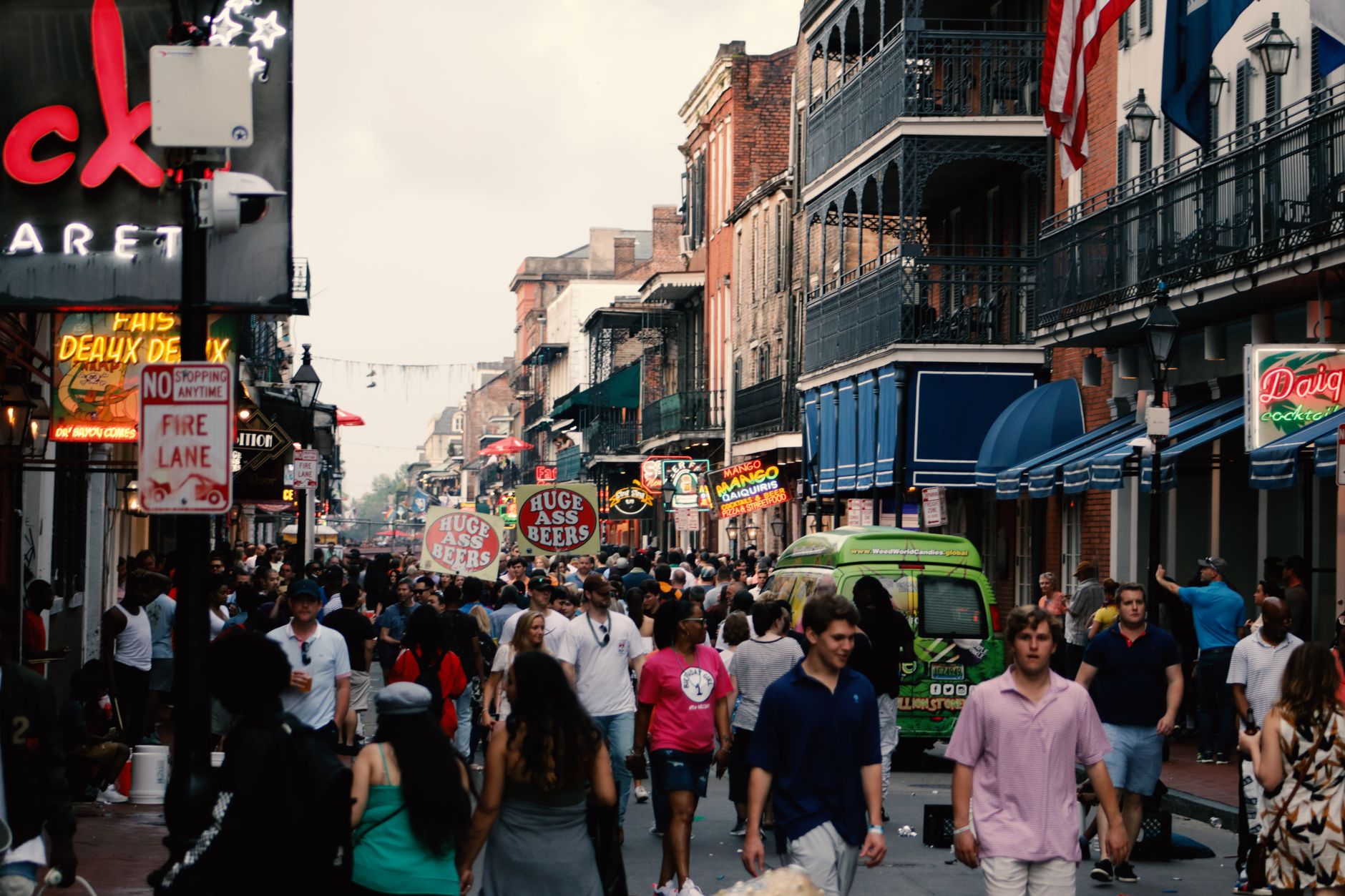
Which Louisiana City Was Ranked the Drunkest in America?
This Louisiana city was ranked the drunkest in America — and that city is New Orleans. The Crescent City has repeatedly appeared at or near the top of national rankings that measure excessive alcohol consumption, binge drinking rates, and alcohol-related health outcomes. While New Orleans is world-famous for its vibrant nightlife and deep-rooted drinking culture, the data behind this ranking reveals a more complicated and serious public health picture.
Table of Contents
- Which Louisiana City Was Ranked the Drunkest in America?
- Key Takeaways
- How Cities Are Ranked for Alcohol Consumption
- Why New Orleans Ranks So High
- The Public Health Consequences of High Alcohol Use
- What Local Efforts Are Being Made to Address the Problem
- How Does New Orleans Compare to Other Problem Cities?
- What Residents and Visitors Should Know
- Conclusion
- Frequently Asked Questions
Understanding why New Orleans earned this distinction — and what it means for the people who live there — requires looking beyond Bourbon Street and into the everyday realities of alcohol use in the city.
Key Takeaways
- New Orleans, Louisiana is frequently cited as one of the drunkest cities in the United States based on public health metrics.
- Binge drinking rates, alcohol-related hospitalizations, and DUI statistics all contribute to the city’s ranking.
- The city’s deep cultural ties to alcohol — from Mardi Gras to year-round open container laws — play a significant role.
- Alcohol misuse in New Orleans is linked to broader public health challenges, including mental health, poverty, and housing instability.
- Community organizations and health agencies are actively working to address problem drinking in the region.
How Cities Are Ranked for Alcohol Consumption
Rankings that label a city as the “drunkest in America” are typically based on a combination of public health data points. These can include the percentage of adults who report binge drinking or heavy drinking in the past 30 days, rates of alcohol-related traffic fatalities, liver disease mortality, and DUI arrest statistics.
Organizations that publish these types of rankings often draw from large national health surveys and CDC behavioral data. No single metric tells the whole story, but when a city consistently ranks high across multiple measures, the pattern becomes difficult to ignore.
What “Binge Drinking” Actually Means
Public health officials define binge drinking as consuming four or more drinks for women, or five or more drinks for men, within about two hours — enough to bring blood alcohol concentration to 0.08% or higher. Heavy drinking is defined as more than one drink per day on average for women and more than two for men.
By these definitions, a significant share of New Orleans adults report drinking at levels that qualify as problematic, making the city’s ranking consistent across different methodologies.
Why New Orleans Ranks So High
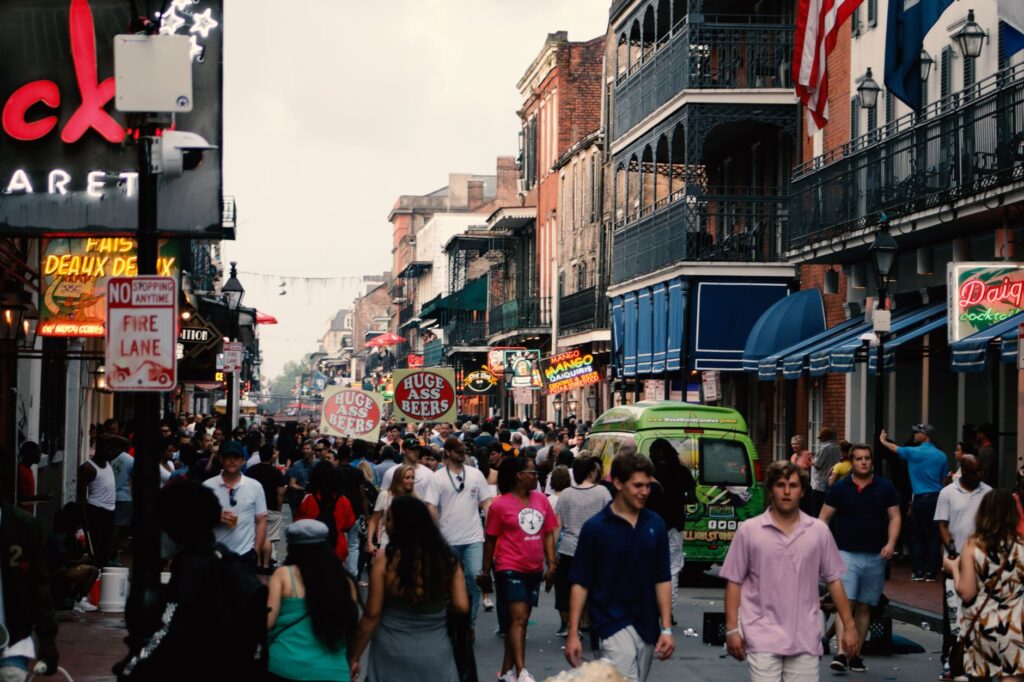
New Orleans has a uniquely permissive alcohol culture compared to most American cities. It is one of the few places in the United States where open containers of alcohol are legal on public streets in designated areas. Drive-through daiquiri shops operate legally in Louisiana, and the state has some of the more relaxed alcohol regulations in the country.
The city’s tourism economy is also deeply intertwined with alcohol. Events like Mardi Gras, Jazz Fest, and French Quarter Fest draw millions of visitors annually, many of whom come specifically for the party atmosphere. This creates an environment where heavy drinking is normalized — and in many ways commercially encouraged.
Cultural and Historical Factors
New Orleans has French and Spanish colonial roots that brought with them a more permissive attitude toward public drinking than was common in much of Protestant America. That cultural legacy has persisted for centuries and is now a defining part of the city’s identity.
While that culture is celebrated by many residents and visitors, it also creates real challenges when it comes to distinguishing festive social drinking from harmful alcohol dependence.

The Public Health Consequences of High Alcohol Use
When this Louisiana city was ranked the drunkest in America, the implications went far beyond a quirky cultural bragging right. Excessive alcohol use is linked to a wide range of serious health outcomes, including liver disease, heart disease, certain cancers, and increased risk of accidents and injuries.
Alcohol misuse also contributes to mental health struggles, domestic violence, homelessness, and poverty — all of which are challenges that New Orleans already faces at higher rates than the national average. The connection between substance use and broader social instability is well-documented and deeply felt in communities across the city.
Alcohol and Traffic Safety
Louisiana consistently ranks among states with higher rates of alcohol-related traffic fatalities. Drunk driving remains a serious concern in and around New Orleans, with law enforcement agencies running regular checkpoints and enforcement campaigns to reduce impaired driving incidents.
The human cost of these crashes extends beyond the individuals directly involved — families, emergency responders, and communities absorb the trauma and economic burden that comes with preventable accidents.
Mental Health and Substance Use Overlap
Alcohol use disorder often co-occurs with depression, anxiety, and trauma-related conditions. New Orleans, a city that has endured hurricanes, flooding, economic hardship, and high rates of violent crime, carries a significant collective trauma burden. Mental health and substance use experts note that communities under sustained stress tend to see higher rates of alcohol misuse.
This overlap is worth understanding because effective solutions require addressing both the drinking behavior and the underlying conditions that fuel it. For a broader look at how cities grapple with similar crisis-level public health data, see this analysis of the Georgia city with the highest suicide rates in the state, which illustrates how mental health and community hardship intersect.
What Local Efforts Are Being Made to Address the Problem
Despite the sobering statistics, New Orleans is not without resources or community will to address problem drinking. Numerous nonprofit organizations, faith-based programs, and public health initiatives operate throughout the city to provide counseling, recovery support, and harm reduction services.
Local hospitals and clinics offer alcohol use disorder treatment, and community health workers have made outreach a priority in neighborhoods most affected by substance misuse. Louisiana also participates in federal programs aimed at expanding access to addiction treatment services.
Harm Reduction Approaches
Some advocates have pushed for harm reduction strategies rather than purely punitive approaches. These include making naloxone and other emergency resources more widely available, supporting safe transportation options to reduce drunk driving, and funding mental health services that treat the root causes of alcohol dependence.
Education campaigns targeted at young adults and tourists have also been part of the local response, recognizing that not all heavy drinkers are residents — a large portion are visitors who may not be aware of the real public health data behind the city’s party reputation.

How Does New Orleans Compare to Other Problem Cities?
New Orleans is not the only American city grappling with high rates of alcohol and substance use. Cities across the country — from the Midwest to the Pacific Northwest — have appeared on various “heaviest drinking” lists depending on the metrics used. What makes New Orleans stand out is the consistency of its high rankings across multiple data sources and over many years.
Other states have seen parallel crises involving different substances. For example, substance-related deaths have surged in other parts of the country as well — a pattern explored in coverage of cannabis-related deaths skyrocketing in a Colorado city, showing that substance misuse is a nationwide challenge with local variations.
Social and economic conditions play a major role in these rankings. Cities with higher poverty rates, fewer educational resources, and less access to healthcare tend to see worse outcomes across nearly every public health measure — including alcohol misuse. Research into low literacy rates in Texas cities illustrates how interconnected these social determinants really are.
What Residents and Visitors Should Know
If you live in New Orleans or are planning to visit, understanding the city’s alcohol culture — and its consequences — is important. For residents who are concerned about their own drinking or a loved one’s, Louisiana has a statewide helpline and treatment referral network available at no cost.
Visitors can enjoy the city’s legendary culture while making responsible choices. Designated driver apps, rideshare services, and awareness of personal limits are simple but meaningful tools. Recognizing that the “drunkest city” label is a public health warning — not just a party credential — is the first step toward engaging with New Orleans more thoughtfully.
- Know the signs of alcohol use disorder: inability to cut back, drinking despite negative consequences, increased tolerance.
- Use rideshare or designated drivers to avoid alcohol-related traffic incidents.
- Be aware that open container laws vary by zone — even within the French Quarter.
- Seek support early if alcohol use is affecting work, relationships, or health.
- Support local organizations that provide substance use education and recovery services.
Frequently Asked Questions
Which Louisiana city was ranked the drunkest in America?
New Orleans, Louisiana is most commonly cited as the drunkest city in America based on public health data measuring binge drinking rates, alcohol-related hospitalizations, and DUI statistics. The city has appeared at or near the top of these rankings consistently across multiple data sources.
Why does New Orleans have such high alcohol consumption rates?
New Orleans has a uniquely permissive alcohol culture, including legal open container laws in certain areas and drive-through daiquiri shops. Its tourism economy heavily centered on events like Mardi Gras also normalizes and commercially encourages heavy drinking, contributing to elevated consumption rates among both residents and visitors.
What are the health consequences of living in a city with high alcohol use?
High alcohol use in a city is linked to elevated rates of liver disease, traffic fatalities, domestic violence, mental health disorders, and poverty. Communities with widespread heavy drinking often face broader public health challenges that strain local healthcare and social services.
Is binge drinking the same as alcoholism?
No — binge drinking and alcohol use disorder are related but distinct conditions. Binge drinking refers to consuming enough alcohol in a short period to reach a blood alcohol level of 0.08% or higher, while alcohol use disorder involves a chronic pattern of drinking that causes significant impairment and health consequences. However, regular binge drinking is a significant risk factor for developing alcohol use disorder over time.
What resources are available for people struggling with alcohol use in Louisiana?
Louisiana offers a statewide behavioral health helpline and referral network connecting residents to free or low-cost treatment programs. Local hospitals, nonprofit recovery centers, and community health clinics throughout New Orleans also provide counseling, detox services, and ongoing support for people with alcohol use disorder.
Conclusion
This Louisiana city was ranked the drunkest in America not as a badge of honor, but as a data-driven public health finding that deserves serious attention. New Orleans’ rich culture and legendary social scene are genuinely part of what makes the city special — but they exist alongside real, measurable harm caused by excessive alcohol use. Addressing that harm requires honest conversation, targeted resources, and a willingness to look beyond the tourist-facing version of the city. Whether you are a resident, a policymaker, or a visitor, understanding the full picture of New Orleans’ relationship with alcohol is the first step toward making it better.