
Which Texas City Has the Lowest Literacy Rate?
This Texas city has the lowest literacy rate in the state, and that city is Laredo, a border community in Webb County situated along the Rio Grande. Laredo has repeatedly appeared at or near the bottom of literacy rankings among major Texas cities, a pattern that reflects decades of compounding social, economic, and educational challenges. Understanding the scope of this issue requires looking beyond a single statistic and examining the systemic factors at play.
Table of Contents
- Which Texas City Has the Lowest Literacy Rate?
- Understanding Literacy Rates: How They Are Measured
- Why Laredo Struggles More Than Other Texas Cities
- The Real-World Impact of Low Literacy
- What Is Being Done to Address the Literacy Crisis in Laredo?
- Comparing Laredo to Other Texas Cities
- What Residents and Policymakers Can Do
- Conclusion
- Frequently Asked Questions
- Key Takeaways
- Laredo, Texas, consistently records some of the lowest adult literacy rates of any city in the state.
- Language barriers, poverty, and limited access to quality schooling are among the primary drivers.
- Low literacy is directly linked to reduced economic opportunity and poorer health outcomes.
- Community organizations and state programs are working to close the literacy gap, though progress is gradual.
- Addressing literacy requires a long-term, multi-sector commitment that goes beyond classroom instruction alone.
Understanding Literacy Rates: How They Are Measured
Literacy is not simply a matter of being able to read a few words. Researchers and education agencies typically measure literacy across multiple levels, from basic word recognition to the ability to comprehend complex written documents. Functional literacy — the ability to read and write well enough to manage everyday tasks like filling out a job application or reading a prescription label — is the benchmark most commonly used when evaluating community-level outcomes.
Census data, national assessments, and local surveys are often used together to build a picture of literacy in a given city. When analysts look at Laredo using these measures, the numbers consistently reflect a significant portion of adults who struggle with functional literacy tasks. This is not unique to Laredo in the broader United States, but within Texas, the gap between Laredo and other cities is notably wide.

Why Laredo Struggles More Than Other Texas Cities
Several interconnected factors explain why this Texas city has the lowest literacy rate in the state rather than a city with a different demographic or economic profile.
High Rates of Poverty
Laredo is one of the poorest cities of its size in the United States. Poverty and literacy are closely linked — families with limited income often face housing instability, food insecurity, and limited access to books, technology, and tutoring. Children who grow up in these conditions are more likely to enter school already behind their peers and less likely to receive the supplemental support needed to catch up.
Spanish as the Dominant Home Language
Laredo sits directly on the U.S.-Mexico border, and Spanish is the primary or sole language spoken in a substantial portion of Laredo households. While bilingualism is a genuine strength, children who are English language learners often face additional hurdles in English-language schools. Adults who immigrated from Mexico or Central America and never had the opportunity to attend school in English face even steeper barriers to functional English literacy.
It is worth noting that Spanish-language literacy matters too, and some residents who are counted as having low English literacy are fully literate in Spanish. Still, in a workforce and civic environment where English proficiency is expected, limited English literacy carries real consequences.
Historical Gaps in Educational Infrastructure
Webb County and Laredo have historically received fewer per-pupil educational resources compared to wealthier Texas districts. School funding in Texas has long been tied to local property taxes, meaning communities with lower property values — like much of Laredo — have traditionally had access to fewer resources. This structural inequity compounds over generations, affecting teacher retention, facility quality, and the availability of enrichment programs.

The Real-World Impact of Low Literacy
Low literacy is not an abstract statistic. It has direct consequences for individuals, families, and the broader community. Adults with limited literacy skills earn less on average, are more likely to rely on public assistance, and face greater challenges navigating healthcare, legal systems, and civic participation.
Economic Consequences
Laredo’s economy depends heavily on international trade and logistics given its position as one of the busiest land ports in the country. However, many of the higher-paying jobs in those industries require workers who can read and interpret shipping documents, contracts, and regulatory filings. Low literacy limits access to these roles and keeps many residents in lower-wage positions with fewer advancement opportunities.
Health Literacy
Health literacy — the ability to read and understand medical information — is closely tied to general literacy. In communities with low literacy rates, residents may struggle to follow prescription instructions, understand diagnoses, or navigate health insurance paperwork. This contributes to poorer health outcomes and higher rates of preventable hospitalizations.
Social challenges tied to low literacy can also ripple into broader community issues. Research consistently shows that educational disadvantage correlates with elevated rates of mental health struggles and vulnerability to crisis — patterns seen in studies of other underserved communities, including those that have examined how suicide rates concentrate in specific cities facing similar socioeconomic pressures.
What Is Being Done to Address the Literacy Crisis in Laredo?
Despite the scale of the challenge, there are meaningful efforts underway in Laredo and across Texas to improve literacy outcomes.
Adult Education Programs
Laredo Community College and various nonprofit organizations offer adult basic education and GED preparation courses. These programs target adults who did not complete formal schooling and help them build the foundational reading and writing skills needed to enter or advance in the workforce. Demand for these services consistently outpaces available slots, which reflects both the scale of need and the willingness of residents to engage when resources are accessible.
Early Childhood Literacy Initiatives
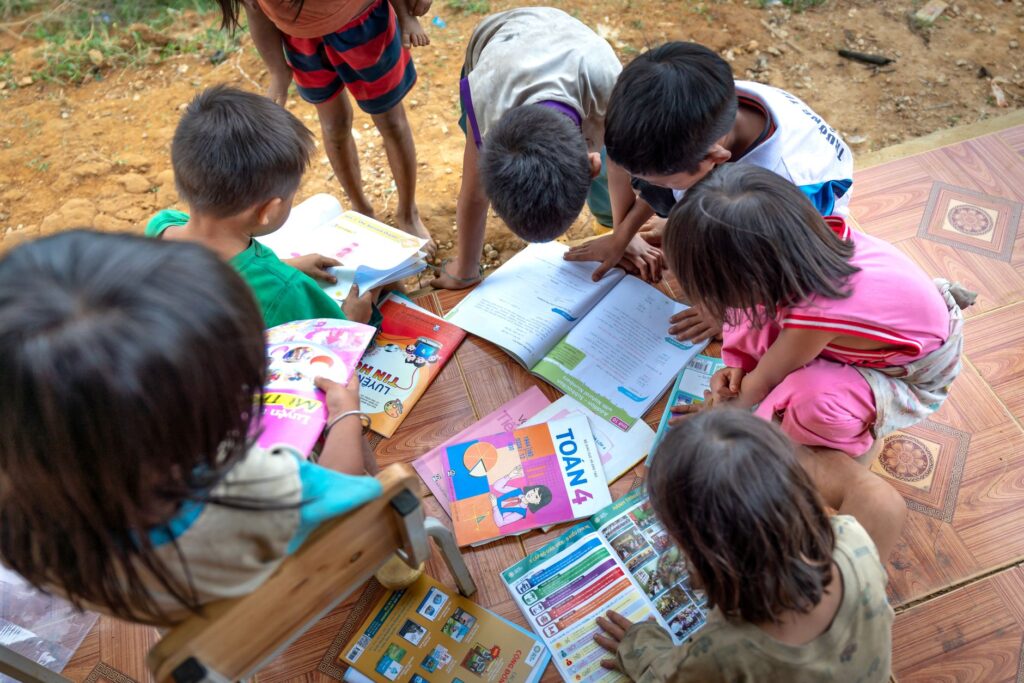
Research is clear that literacy gaps begin well before kindergarten. Programs that promote reading aloud to infants and toddlers, provide books to low-income families, and expand access to quality pre-K education can meaningfully shift long-term outcomes. Texas has invested in pre-K expansion in recent legislative cycles, and Laredo ISD participates in several early literacy grants aimed at closing gaps before children reach third grade — a critical benchmark year for reading proficiency.
Bilingual and Dual-Language Education
Recognizing the strength that Spanish fluency represents, some Laredo schools have expanded dual-language programs that teach students to read and write proficiently in both Spanish and English. These programs tend to produce stronger long-term academic outcomes than English-only immersion approaches for students in bilingual households, and they honor the cultural identity of Laredo’s predominantly Hispanic community.
Comparing Laredo to Other Texas Cities
Texas is an enormous and diverse state, and literacy rates vary significantly from city to city. Major metropolitan areas like Austin, Plano, and Sugar Land tend to rank at the top of literacy and educational attainment measures, driven by high concentrations of college-educated residents and well-resourced school districts. Mid-sized cities like Lubbock, Amarillo, and Beaumont fall somewhere in the middle. Border communities and deep South Texas cities, including Laredo, McAllen, and Brownsville, consistently appear near the bottom of these rankings.
Brownsville is sometimes cited in the same conversation as Laredo, and the two cities share many of the same structural challenges. However, Laredo’s specific combination of poverty level, language demographics, and per-pupil funding gaps has historically placed it at the lowest end of the spectrum. Any ranking of this kind involves some methodological variability, and precise positions can shift depending on the data source and year, but the overall pattern is consistent.
What Residents and Policymakers Can Do
Improving literacy in a city like Laredo is not a problem that one program or policy can solve. It requires sustained commitment across multiple levels — state funding reform, local school district investment, employer engagement, and community participation.
- Advocate for equitable school funding formulas that direct more resources to high-need districts.
- Support and expand access to free adult literacy programs at community colleges and libraries.
- Promote early childhood reading initiatives that reach families before children enter kindergarten.
- Encourage local employers to support workplace literacy training for employees.
- Destigmatize adult literacy struggles so more residents feel comfortable seeking help.
Just as communities around the country grapple with data-driven public health and safety challenges — from housing discrimination affecting vulnerable populations, as detailed in reports on housing voucher discrimination, to substance-related crises profiled in coverage of cannabis-related deaths in Colorado cities — literacy deserves the same level of public attention and coordinated response.
Frequently Asked Questions
What city in Texas has the lowest literacy rate?
Laredo, Texas, consistently ranks as the city with the lowest literacy rate in the state. Its position at the bottom of Texas literacy rankings is driven by high poverty rates, a predominantly Spanish-speaking population, and historically underfunded schools. These factors combine to create a significant gap compared to wealthier Texas cities.
What causes low literacy rates in border cities like Laredo?
Low literacy in border cities like Laredo is linked to a combination of high poverty, limited access to quality early childhood education, and a large population of residents whose primary language is Spanish rather than English. Structural issues like school funding tied to local property taxes also play a major role, as lower-value communities receive fewer per-pupil resources.
How does low literacy affect a community economically?
Low literacy limits residents' ability to qualify for higher-paying jobs, navigate financial systems, and participate fully in civic life. Communities with low literacy rates tend to have higher unemployment, greater reliance on public assistance, and slower economic growth. Over time, these effects compound across generations if left unaddressed.
Are there programs in Laredo to improve literacy?
Yes, Laredo Community College, local nonprofits, and Laredo ISD all offer literacy-related programs ranging from adult basic education and GED prep to early childhood reading initiatives and dual-language school programs. Demand for these services often exceeds capacity, which highlights the need for continued investment and expansion.
Is low literacy in Texas improving over time?
Progress has been gradual but measurable in some areas, particularly through expanded pre-K access and early literacy grants. However, systemic challenges like poverty and school funding inequity continue to slow improvement in communities like Laredo. Long-term gains require sustained policy commitment and additional resources directed at high-need districts.
Conclusion
This Texas city has the lowest literacy rate in the state, and Laredo’s situation is not the result of any single failure but rather a convergence of poverty, language barriers, historical funding inequity, and limited access to educational resources. The consequences — reduced earnings, poorer health outcomes, and diminished civic participation — are real and measurable. But so is the potential for change. With targeted investment in early childhood education, adult literacy programs, and bilingual instruction, the trajectory can shift. Awareness is the first step, and understanding why Laredo faces this challenge is essential to building the political and community will needed to address it meaningfully.