I landed in Tucson on a March afternoon when the saguaros were still sharp-edged against the sky, and my first instinct was to do what every visiting writer does: hit the big names. Mission San Xavier del Bac. The Arizona-Sonora Desert Museum. Downtown's supposedly revitalized Main Avenue. By day three, I'd already figured out what the locals know: some of Tucson's most hyped attractions are sitting on fumes, surrounded by better options that barely make the guidebook rotation.
This isn't a knock on Tucson itself. The city's got character, good food, real history that doesn't feel manufactured. But like any place with tourism infrastructure, it's developed a layer of sites that trade on reputation more than current reality. What surprised me most wasn't what fell short—it was what I found instead. The stuff that makes you understand why people actually stay here.
The Desert Museum Is Mostly Hot Walking
The Arizona-Sonora Desert Museum sits on 98 acres and promises an up-close look at Sonoran ecology. The idea is solid. The execution, especially during warm months, is brutal. I went in mid-afternoon and joined a mass of people shuffling through paved paths in direct sun, stopping at enclosures where animals were either asleep or pressed into shade. The admission ($16–$18 depending on season) gets you access, but the real cost is time and heat. Most exhibits move fast because staying still isn't viable.
The museum does good conservation work and the bird aviaries have moments where you actually see something alive and wild. But if you're coming for the promised immersion in desert life, you're more likely to leave dehydrated and cranky. The place plays better as a two-hour stop than a centerpiece attraction. Go early in the morning if you're committed, or skip it entirely.

Sabino Canyon Offers What the Museum Promises
Fifteen minutes north, Sabino Canyon is a tram ride into a narrow desert canyon with creek water, sycamore groves, and actual shade. You pay $10 for round-trip tram access or hike the 3.8-mile trail alongside the water if you want something slower. The creek is seasonal, but when it's running, it changes the whole vibe. I rode the tram and hiked back down, and it took three hours total. The light through the canyon walls in afternoon was the kind of thing that makes you understand why people moved to Arizona in the first place.
It's not undiscovered—plenty of locals know it—but it doesn't carry the tourist weight of the Desert Museum. The trade-off is that it's less manicured. Trails can be rocky, the tram isn't air-conditioned, and there's no gift shop or food court. All of which makes it feel like something you're actually experiencing rather than something being delivered to you.
Downtown Hype vs. Real Neighborhood Walking
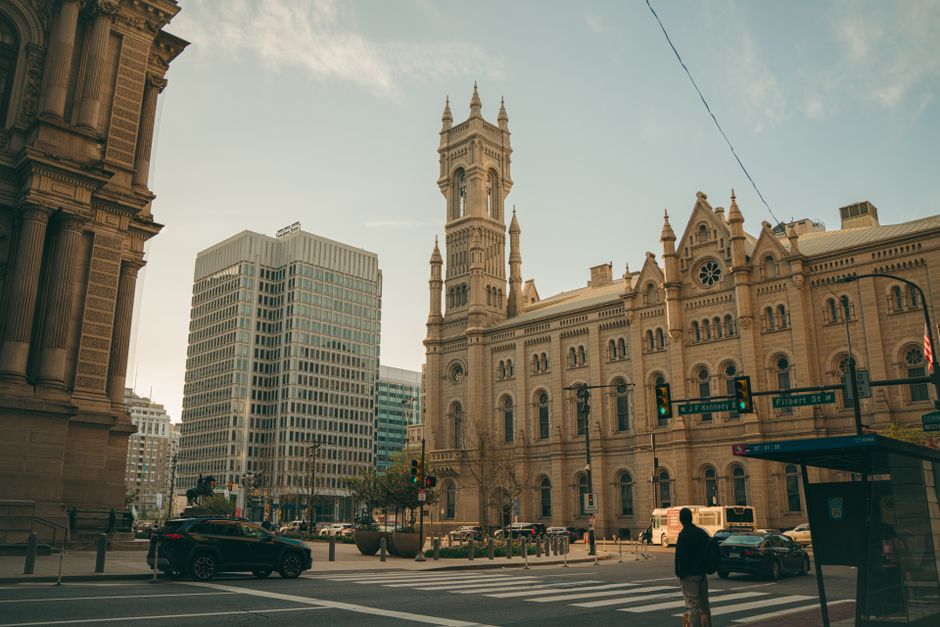
Main Avenue downtown has been rebranded and refreshed so many times that the effort itself becomes visible. Some blocks have decent bars and newer restaurants, but the whole stretch feels like it's waiting for something to happen. Foot traffic is uneven, and you get the sense that the revitalization is happening in fits and starts. Street parking is limited, and the vibe shifts from block to block in ways that don't feel organic.
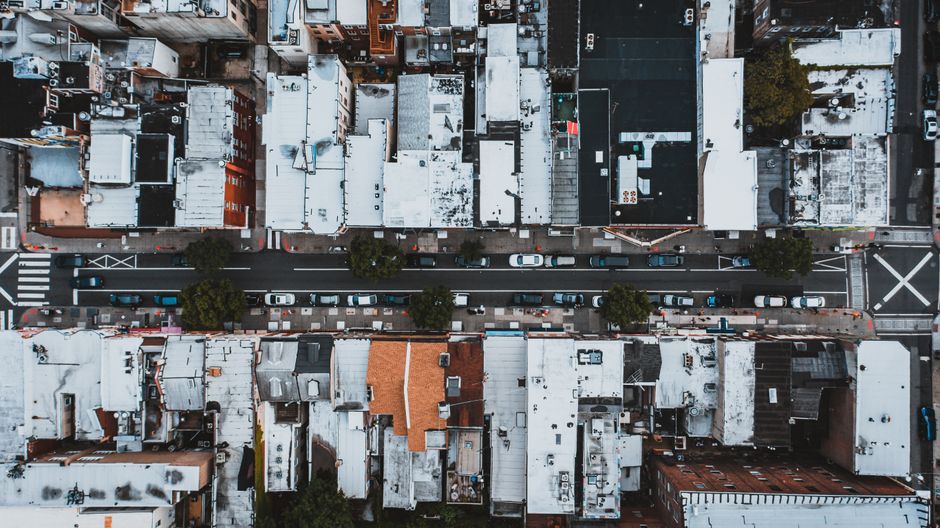
Walking through the Barrio Viejo, south and west of downtown, gives you actual Tucson texture. Adobe buildings from the 1800s, real residences mixed with businesses, narrow streets that weren't designed for cars. There's a small but alive commercial strip on South 4th Avenue—vintage shops, hole-in-the-wall restaurants, galleries that someone actually cares about. It's not polished. But it's where Tucsonans actually spend money and time. The Barrio has history that's lived-in, not curated for visitors.
Mission San Xavier Falls Back on Legacy
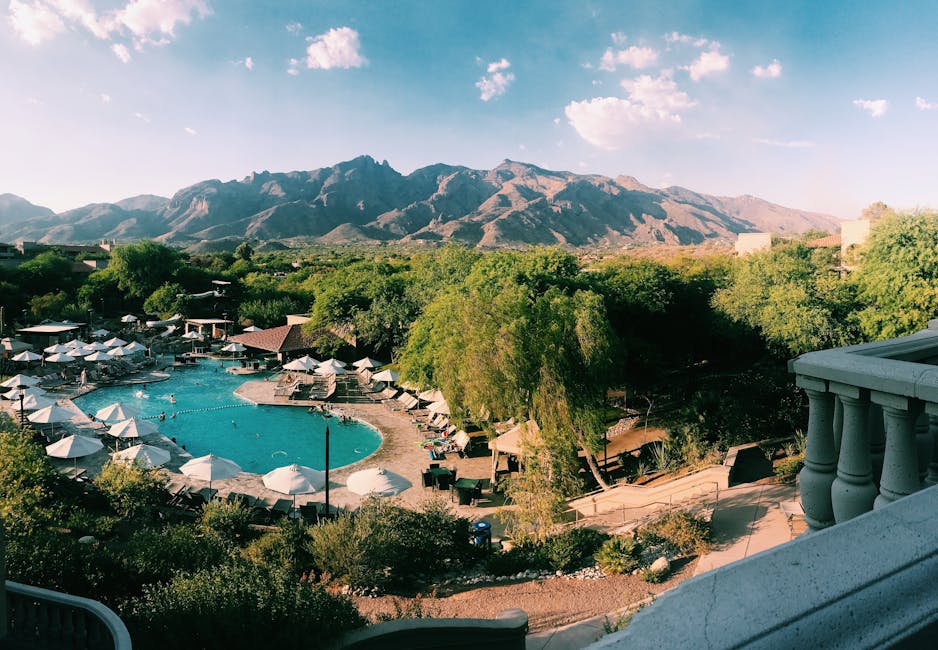
The white mission church is photogenic and historically significant—no argument there. Built in the 1600s, it's legitimately old for the American Southwest. You can walk around it, step inside, buy souvenirs. But as an experience, it's thin. The church itself is small, the grounds are minimal, and peak-season crowds make lingering difficult. You're in and out in 45 minutes. The gift shop has the usual stuff.
Instead, drive 30 minutes south and east to Colossal Cave Mountain Park. It's a 2.4-mile round-trip descent into a limestone cave system, cool (literally—it stays around 70 degrees), and actually feels like exploring. The cave was used by outlaws and Indigenous peoples historically. Guided tours run regularly, and there's enough walking and scrambling that you feel like you've done something. The grounds have old homestead buildings and hiking trails above ground. Admission is cheaper, the parking lot isn't chaos, and you leave having moved your body and learned something specific.
The University Campus Isn't What It Looks Like
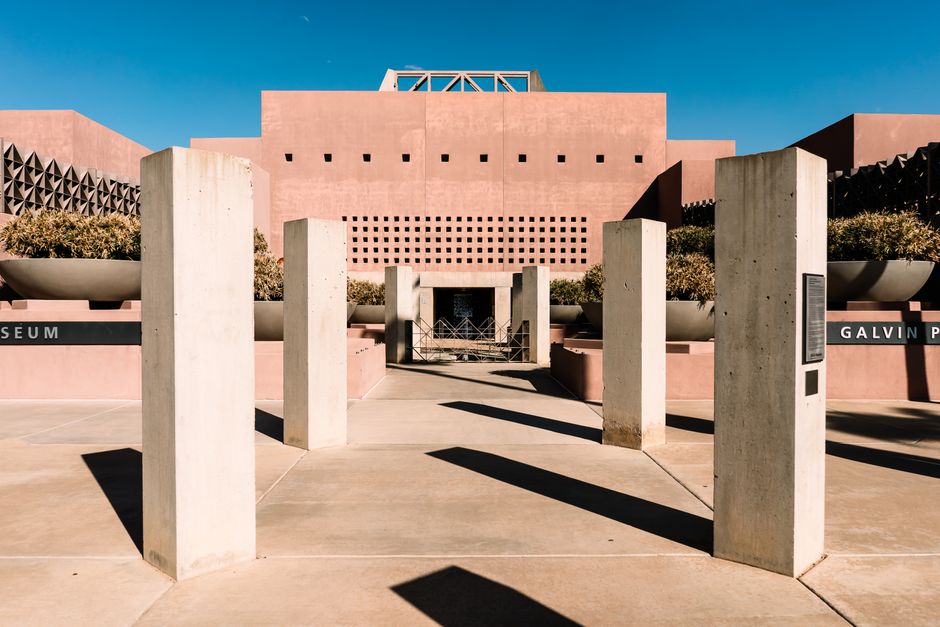
The University of Arizona has a picturesque campus and several museums. The Arizona State Museum and the University of Arizona Museum of Art are both worth a visit if art and anthropology are your thing. But the campus itself has been prettified to the point of feeling more like a film set than a working university. Walking through, I felt like an intruder on a stage. The undergraduate-heavy student body during semester creates a particular energy that doesn't read as welcoming to travelers. The museums can draw crowds, especially on weekends, and parking is its own puzzle.
Saguaro National Park East, 30 minutes out, offers better terrain and a clearer payoff. A scenic loop drive takes you through Rincon Mountain foothills, saguaro forest, and views that open up. Several short hikes branch off the loop—nothing strenuous, but the whole park requires a $25 per-vehicle pass (good for 7 days). The crowd distribution is different than campus-based attractions. You're on a road with other cars, but you're not packed into a museum gallery. The scale of the landscape makes you feel smaller, which is what desert travel should do.

Where Locals Actually Spend Time
Boyce Thompson Arboretum, about 45 minutes north in Superior, Arizona, sits in a canyon with trails that move through desert plants, a riparian area, and a small lake. It's well-maintained but doesn't have the crowding or the tourist-trap feeling of the Desert Museum. Admission is around $15, and the landscape variety is higher. I spent two hours there and felt like I'd actually moved through ecosystems rather than walked past enclosures.
Going deeper: Mount Lemmon, due north of the city at 9,000 feet, offers cooler-weather hiking, forest instead of scrub, and views back down to the valley floor. The drive takes about an hour, and the road itself winds through vegetation transitions. Campgrounds exist if you want to stay overnight. It's not glamorous, but it's where Tucsonans go to escape the heat and actually enjoy themselves.
Food and Drink Aren't on Main Avenue
Main Avenue has some decent spots, but the best meals I found were three miles south or west of downtown. South 4th Avenue has small family-run restaurants that have been operating for decades—Mexican food that doesn't get touristed up, Vietnamese pho places, taco stands that move serious volume. The Barrio Viejo has galleries and small cafes that function more as local gathering spots than visitor destinations. Prices are lower, portions are better, and you're eating alongside people who live there.
Café a la Carte, Reilly Craft Pizza, and smaller neighborhood spots don't carry the weight of being "destination restaurants." They're just good restaurants that happen to be in Tucson. The difference in experience is significant. You sit down in a room where you're not the main event, where the staff isn't calibrated for your first visit, where the food is moving because people want to eat there, not because they came to photograph it.
The Real Takeaway
Tucson rewards travelers who move sideways rather than following the marked route. The overrated stuff isn't bad—it's just crowded, expensive relative to payoff, and designed for someone else's vacation fantasy. The underrated stuff is where the city actually lives. It requires a car, willingness to ask questions, and comfort with navigation that isn't hand-held.
The city isn't hiding. It's just not where you expect it to be if you're coming from the guidebook list.
Frequently Asked Questions
Is the Arizona-Sonora Desert Museum worth the price in Tucson?
The museum has solid conservation work and decent bird aviaries, but most visitors spend 2-3 hours in direct sun on paved paths watching animals that are often resting. Admission runs $16–$18. If you want desert immersion, Sabino Canyon or Saguaro National Park East offer better value and actual shade. The museum works better as a quick stop than a full-day attraction.
What should I do in Tucson instead of downtown Main Avenue?
Walk the Barrio Viejo for historic adobe buildings and lived-in character, or explore South 4th Avenue for vintage shops, galleries, and authentic neighborhood restaurants. Both areas have more genuine Tucson character than downtown's revitalized blocks and draw actual residents, not just tourists.
Is Mission San Xavier del Bac worth visiting in Tucson?
The mission is historically significant and photogenic, but it's small and gets crowded. You'll spend 45 minutes max there. Colossal Cave Mountain Park, 30 minutes south, offers more to actually explore—a 2.4-mile cave descent, historic homestead buildings, and hiking trails, all for cheaper admission.
Where should I hike in Tucson besides the popular parks?
Mount Lemmon offers cooler-weather hiking and forest scenery at 9,000 feet, about an hour north of the city. Sabino Canyon has shaded creek-side trails. Both have less crowding than main tourist draws and give you the desert experience without the tourist-infrastructure feel.
Which one would you visit?