
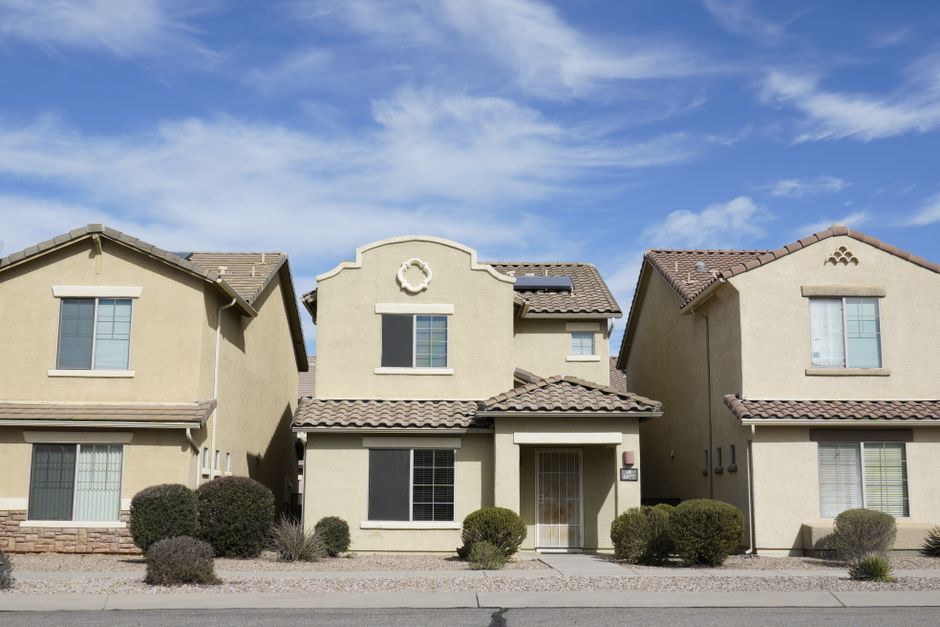
I rolled into Tucson on a late-afternoon drive from Phoenix, and the city surprised me right away. It's not what people usually mean when they talk about Arizona—less polished than Scottsdale, less sprawl-happy than the Valley. Instead you get this scrappy, genuinely lived-in place with real neighborhoods that actually feel distinct from one another. I spent a few weeks bouncing between different areas, and it became clear pretty fast that where you land in Tucson matters. The downtown scene bears almost no resemblance to the vibe in the Catalina Foothills. Even within neighborhoods, one block can feel completely different from the next.
Unlike some cities where "neighborhood character" is marketing speak, Tucson's geography and history actually created real divisions. You've got the university crowd, the historic areas, the mountain communities, the artsy enclaves. Whether you're visiting for a long weekend or contemplating a move, picking the right neighborhood will either make or break your experience here.
Downtown and South Main: The Gritty, Growing Core
Downtown Tucson sits in that interesting liminal space where it's genuinely revitalizing but hasn't lost its rougher edges yet. South Main in particular—the blocks around Bing's Whiskey Loft and the galleries—has the energy of a neighborhood in transition. You'll see new murals next to vacant lots, renovated lofts alongside old warehouses. The restaurant and bar scene here actually punches above its weight. Fourth Avenue, technically a separate historic strip just north of downtown proper, is the quirky bookstore-and-vintage-shop district that every college town has, except Tucson's version has been there long enough to feel authentic rather than curated.
This area works best for younger professionals and travelers who want walkability and don't mind a bit of grittiness. Nightlife is legitimate here—actual venues, not just chains. You'll find the kind of dive bars where locals actually congregate, not the Instagram kind. The catch: parking is a pain, some blocks feel less safe late at night than others, and if you're expecting pristine sidewalks and upscale retail, you're in the wrong part of town. Families with young kids might want to look elsewhere unless they're comfortable with an urban environment.

University District and Surrounding Colleges: Student Energy, Affordable Rents
The University of Arizona anchors a massive neighborhood that sprawls east and south of campus. The area immediately around the university—the Catalina Vista neighborhood and blocks near the Arizona State Museum—has that permanent college-town bustle. Used bookstores, cheap eats, student housing mixed with older homes, the kind of streets where you can actually walk to things. Park Avenue, running north-south on the west side of campus, has the bars and restaurants you'd expect from a college district, but some surprisingly good ones mixed in with the forgettable chains.
If you're in your twenties or early thirties and working remote or studying, this area makes financial sense. Rents are lower than downtown, there's actual foot traffic and life on the streets, and you're close to the university's cultural offerings—exhibits, lectures, events that are often free or cheap. Solo travelers who want to meet people find this neighborhood does the work for you. The downsides are noise (especially on weekends), transience (not everyone stays), and the fact that the whole vibe changes once summer hits and students leave. This isn't where you'd want to be if you prefer quiet or are over the college scene by decades.
The Catalina Foothills: Mountains, Money, Older Retirees
Head north from downtown and the city changes dramatically once you start climbing toward the Santa Catalina Mountains. The Foothills—technically several neighborhoods but generally referred to as one area—is Tucson's version of upscale suburban living. You get actual views of the mountains, larger homes on bigger lots, shopping areas like La Encantada, and restaurants that cost what downtown places would charge you for brunch. Saguaro National Park (east section) is accessible from here, and if you're into hiking, you're suddenly much closer to good trailheads.
Retirees and affluent families dominate this area, and it shows. The community is stable, well-maintained, very quiet. Golf courses, country clubs, medical facilities catering to older populations—it's all here. If you're visiting Tucson to relax, eat well, and have easy access to outdoor recreation, the Foothills makes sense. The tradeoff is that you'll need a car for everything, the neighborhood lacks the walkability or nightlife of downtown, and you're paying for that mountain view in every transaction. For younger people or solo travelers on a budget, it's going to feel isolating and expensive. There's limited public transit, and the restaurant and bar scene, while good, skews formal and pricey.

Barrio Viejo and the Historic South Side: Authentic, Complicated, Changing
Barrio Viejo is Tucson's oldest neighborhood, a dense warren of adobe and territorial-era homes south of downtown near Mission San Xavier del Bac. It's genuinely historic—not a theme park version—with real families who've lived here for generations, newer young professionals attracted to the affordable charm, and an increasing number of restoration projects and gallery spaces. Walking through here, you see low-slung houses with massive wooden doors, narrow streets, and actual neighborhood character that didn't come from a developer's vision board.
The neighborhood is complicated because it's gentrifying in real time. Prices are rising as younger, wealthier residents move in. Some longtime residents resent the changes; others welcome the investment and attention. If you're interested in authentic, non-sanitized urban character and don't mind being part of—or witnessing—demographic change, this is where you find it. The Mission itself is worth the trip alone. This area appeals to history-minded travelers, artists, and people seeking something genuine rather than packaged. It's also much less touristy than you'd expect for such a historically significant area, which is either a bonus or a minus depending on what you want. You'll still need a car or be comfortable with limited transit.
Tucson's Eastside: Working Neighborhoods, The Real City
If you want to see Tucson as it actually is—not as a tourist destination or aspirational suburb—spend time on the east side. Areas like the Broadmoor, Sabino Canyon gateway communities, and the neighborhoods east of Swan Road represent where most Tucsonans actually live. You get a mix of income levels, family homes, small businesses, and a complete absence of the self-consciousness that comes with gentrification or wealth. Sabino Canyon itself, a narrow, dramatic canyon north of the eastside proper, offers hiking and natural beauty that's genuinely stunning and not overrun.
This isn't a neighborhood for short-term visitors unless you're deliberately seeking a non-touristy experience. New residents considering a move should look here if they want affordability, actual space, and less traffic and chaos than central or north Tucson. The tradeoff is distance—you're farther from downtown's action, and you'll absolutely need a car. Restaurants are less adventurous, nightlife is minimal, and the sense of "being somewhere" is lower. But if Tucson is home rather than a destination, the eastside is where you find regular Tucson living.
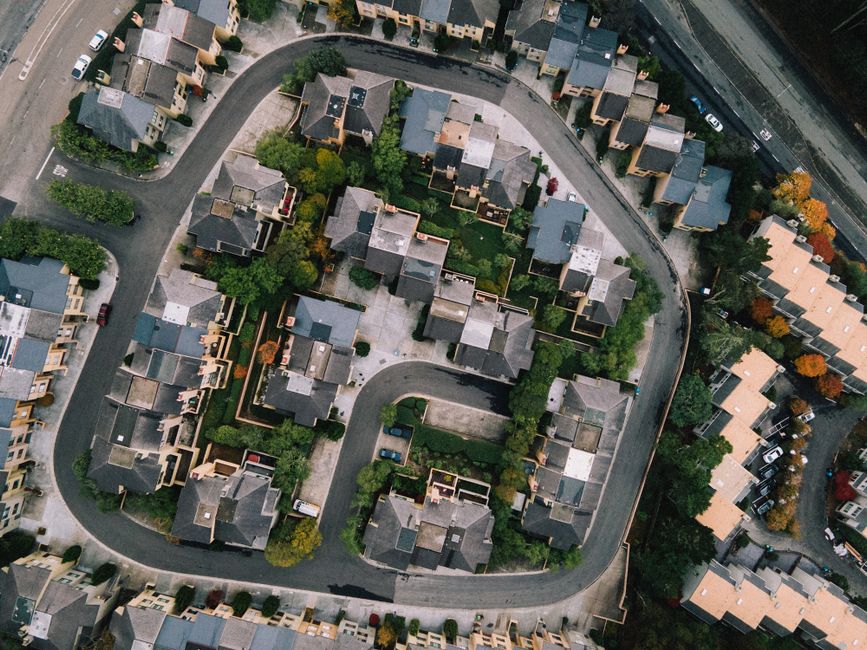
Infill and In-Between: Not Perfect Neighborhoods, But Honest
The areas between these defined neighborhoods—pockets along Oracle Road, stretches of Grant Avenue, the blocks near the Rillito River—are where Tucson gets more real and less sorted. You see mixed-income residential streets, small local restaurants, vintage stores that predate the current vintage-store trend, and places where tourists don't typically land. These aren't destinations in themselves, but if you're looking to actually live here rather than visit, they're worth exploring. The character is less marketable and more honest.
These transitional areas work well for people who want to avoid the extremes—not as intense as downtown, not as removed as the Foothills, not as student-focused as the University District. They're more affordable than the hot neighborhoods, less shiny, but also less likely to feel like you're performing your own life for an audience.
Moving Here, Or Just Staying Put: What Actually Matters
Choosing a neighborhood in Tucson isn't like choosing one in a big coastal city where neighborhoods shift within blocks and the differences are enormous. But it also isn't random. Where you land shapes how you experience the city—whether you find it cultural and walkable or sprawling and car-dependent, whether it feels like home or like you're visiting.
Visitors have the advantage of being able to move around. Pick downtown if you want action and walkability for a few days, shift to the Foothills if you want to relax and eat well. New residents should spend time driving around, walking the streets at different times of day, and sitting in coffee shops listening to how people talk about where they live. That's when you figure out whether Tucson's particular brand of scrappy, genuine urban character is actually for you—or whether you need something more polished. The city doesn't present itself as anything other than what it is, which is refreshing. You get what you see.



