
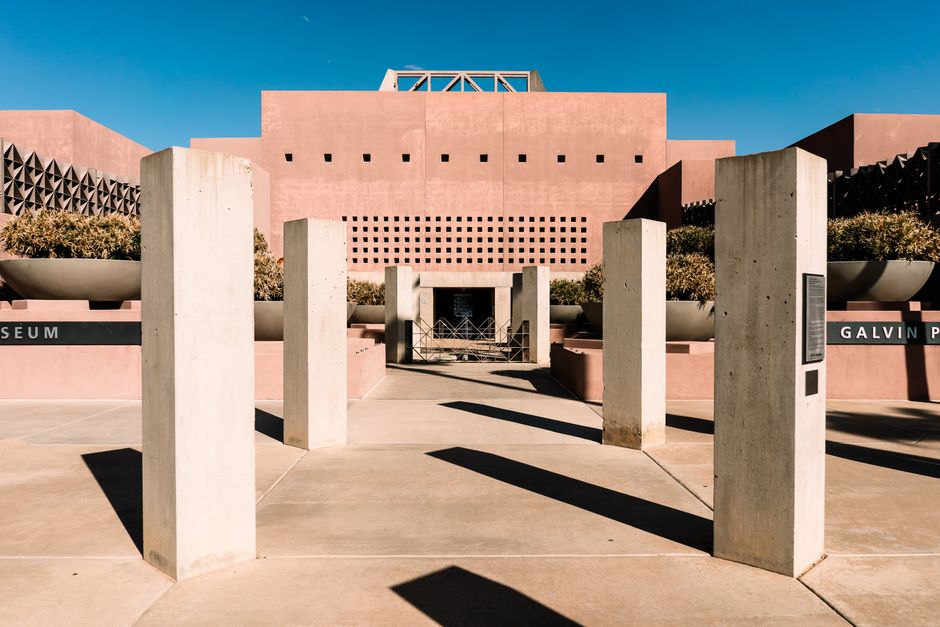
I rolled into Tucson on a Friday afternoon expecting the usual desert-tourism lineup. You know the script: saguaro cacti, Old West theatrics, maybe a university campus to browse. What I found instead was a city that doesn't quite fit the postcards people send home, and that's actually the point. Tucson has a lived-in quality that Phoenix, its flashier neighbor three hours north, traded away a long time ago. The real Tucson isn't trying to sell you on itself—which, perversely, makes it far more interesting once you stop looking for what you think you're supposed to see.
There are definitely tourist traps here. But there are also neighborhoods and museums and watering holes that barely register on the travel-site radar, and they're often doing something more authentic than the marquee attractions. I spent two weeks poking around, talking to locals, getting pleasantly lost in various directions. Here's what I think you should skip—and what you should seek out instead.
The Overrated Tourist Core
Saguaro National Park East gets the lion's share of casual-visitor attention, and I understand the appeal. You drive an eight-mile loop, see massive cacti, maybe snap a photo or two. But unless you're actually willing to get out and hike—and I mean really hike, not loop back in forty minutes—you're paying entrance fees to sit in a car. The payoff feels thin. The park is what you see; there's no secret second act.
Old Town Tucson, the reconstructed frontier village just west of downtown, trades heavily on the region's ranching and mining heritage. The problem is it feels more like a theme park than a place. You get stagecoach rides, gun shows, re-enactments. It's polished and safe, which is precisely why it fails to capture the messier, grittier reality of what Tucson actually was.
The Arizona-Sonora Desert Museum straddles the line between zoo and botanical garden, and it's professionally done. But if you're paying the ticket price for a half-day visit, you're mostly paying to walk through heat in a manicured setting. The desert surrounding the city is far more textured and strange once you leave the paved paths.
Downtown's Fourth Avenue, the rambling antique-and-record-store stretch, has real bones. But it's increasingly catering to the Instagram crowd, with newer vintage-curated spots that feel more designed than discovered. And the University of Arizona campus museums, while genuinely excellent, can feel like an obligation when you're visiting a desert city—the kind of thing you do because you think you should, not because you're burning to see it.

Underrated: The Arizona State Museum
While everyone's queuing up at the university's more famous museums, the Arizona State Museum gets overlooked. It's still on campus—the north end, near the botanical gardens—but it punches well above the crowd-level of other Arizona institutions. The collections focus on Southwest Indigenous peoples, with exceptional pottery, textiles, and archaeological material that actually tells you something about the region's human history.
What sold me was the honesty of the presentation. You're not getting sanitized frontier mythology here; you're getting evidence of complexity. The museum also does a good job explaining the colonial theft and cultural disruption that shaped the region, which most tourist attractions elide entirely. You can spend a real afternoon here without feeling rushed, and admission is reasonable.
Underrated: Mission San Xavier del Bac
Twenty minutes south of downtown, this 18th-century Spanish mission sits on the Tohono O'odham Nation's San Xavier reservation. It's technically on most visitor lists, but it doesn't get the same traffic as the national park, and it absolutely should.
The mission is still a working Catholic church, which gives it a living quality that restored sites lack. You walk into the cool interior on a hot afternoon and it hits different. The architecture is genuine—whitewashed walls, a domed roof, modest and stunning at once. There's a small cemetery, a gift shop run by local artisans, and usually a quiet couple of hours to sit with the space without dodging tour groups.
The real gift is the context. You're visiting indigenous-led land, and the mission represents a complicated intersection of faith, colonialism, and cultural persistence. That's the actual Southwest story, not the saguaro-sunset version. Donations are requested rather than charged; I'd recommend leaving something.

Underrated: Pima Air & Space Museum
East of the city, Pima sprawls across a massive complex with vintage aircraft, space hardware, and—crucially—planes still in active restoration. It's the kind of museum where you can actually see people working, which transforms it from a static display into something approaching a living archive.
Yes, it's a lot of ground to cover. Yes, some sections feel dated in their presentation. But the collection is serious. Seeing a B-17 in the same room as a Stealth fighter, understanding the arc of American aviation across seven decades—it's not Instagram-friendly, but it stays with you. The staff are generally passionate, which you can feel. If you have even passing interest in aircraft, this beats the small air museums most tourist sites recommend.
Underrated: The Neighborhoods Beyond Downtown
Inferno, just south of downtown, is a cluster of older residential streets with genuinely good casual restaurants, coffee shops, and bars that cater to people who actually live there. Ernesto's Cafe de Tacca has been running for decades; the carne asada is straightforward and excellent. There's no chef's table or molecular gastronomy. People order in Spanish and English, kids are welcome, the pace is unhurried. This is what tourist-board messaging misses: the city working for itself.
Arriving Avenue, heading east from downtown, shows you early-20th-century Tucson—craftsman homes, small corner groceries, the bones of a neighborhood that has character because it wasn't designed for visitors. You can stop into Monsoon Chocolate, which roasts its own cacao and makes bars worth seeking out specifically for this part of the city.
The Barrio Viejo district, west of downtown, is a tangle of adobe and brick from the 1800s. It's residential, not commercialized. You can walk these streets and feel like you're seeing something actual, not curated. There are galleries and galleries in the area now, but most are run by people who've chosen to be there, not franchised art-world operations.
These spaces don't have ticket booths or peak hours. The tourist infrastructure is light. And that's the entire point.
Underrated: Tucson's Live Music and Bar Scene
The city's music venues—Congress Theatre, Rialto Theater, The Rogue—host touring acts and local bands that get minimal regional press coverage. I caught a set at Congress on a Tuesday that would've drawn a hundred people more if it had been in Phoenix. The crowds are genuinely interested, not there for the social media moment.
The bars worth your time aren't the craft-cocktail temples; they're places like The Shelter, a basement punk bar that's been running since the '80s. Or the Bum Steers, a dive that looks like it might collapse but serves legitimately good barbecue. These are places where locals actually go—where you overhear real conversation, not performed Tucson identity.
Jiffy Lube Live and the other large venues pull in touring headliners, sure. But the real Tucson music scene happens in smaller rooms where the admission is cheap and the bartender knows regular customers by name.
The Practical Angle
If you're only passing through for two or three days, sure—hit the park, grab a sunset photo, move on. But if you have a week in Tucson, treat it like you might a smaller city elsewhere. Eat breakfast at local spots. Walk around without an itinerary. Talk to people at coffee shops. The overrated attractions aren't bad; they're just doing what they're built to do, which is process visitors efficiently.
The underrated parts require you to slow down and actually look. Tucson rewards that effort in ways that feel earned rather than packaged.



