I rolled into Tucson on a late afternoon in November, when the heat finally breaks and the city's actual personality starts showing through. Everyone tells you to hit Saguaro National Park or Old Town, sure. But after a few days, I realized the neighborhoods are where Tucson actually lives—and where you'll either fit right in or feel like you're visiting someone else's town.
The city sprawls across the Sonoran Desert in a way that makes neighborhood character matter more than it does in tighter metros. You're not just choosing a district; you're choosing a whole lifestyle. Some parts feel transplanted from California. Others are deeply rooted in Tucson's Mexican heritage and creative underworld. A few cater almost entirely to retirees. I spent time in most of them, and here's what I found.
Downtown and Barrio Viejo: For Culture Seekers and Night People
Downtown Tucson has spent the last decade reinventing itself without losing its grit. The area around Congress Street and 5th Avenue has galleries, murals, vintage shops, and bars that stay open when most of the city's already asleep. If you're the type who wants walkable neighborhoods with actual energy after dark, this is your zone.
Barrio Viejo, just south of downtown, is the historic Mexican quarter—adobe houses with painted shutters, narrow streets, the smell of someone's dinner cooking. It's not overly touristy, but it's not undiscovered either. Visitors who want cultural immersion without an artificial vibe tend to land here. New residents in creative fields often do too. Just know that street parking is tight, some blocks are quieter than others, and you should walk during daylight if you're unfamiliar with the area.
The restaurants and bars in this zone are genuine. La Cocina restaurant has been around since the 1950s. The drink programs in places like The Tap Room aren't trying too hard. On weekends, the area gets louder; on weekday afternoons, you might have stretches of sidewalk mostly to yourself. It works if you're young, energetic, and don't need a gym because your neighborhood *is* your gym.

University of Arizona Area: For Students, Young Professionals, and Budget Travelers
The U of A neighborhood, commonly called The U-District or just "near campus," spans roughly from University Boulevard between 5th and Speedway. It's exactly what you'd expect: students, cheap eats, vintage clothing shops, dive bars, coffee places that serve beer alongside espresso.
For travelers on a budget, this neighborhood has the city's best hostel options and affordable motels that aren't sketchy—just older. Young professionals renting their first solo apartment often land here because rent is reasonable and you can walk to restaurants, bookstores, and enough bars to keep a Thursday night from feeling lonely. The University of Arizona's campus itself is pleasant to walk through, and the Arizona State Museum is solid if you need cultural programming.
It's loud on weekends, especially football weekends. If you're someone who values quiet and space, the U-District will exhaust you. But if you're solo, new to the city, and want to find people who are also new to the city, this is the quickest path. The bar scene leans young and casual—you'll strike up conversations without trying.
Oro Valley and the Foothills: For Retirees and Quiet Stability Seekers
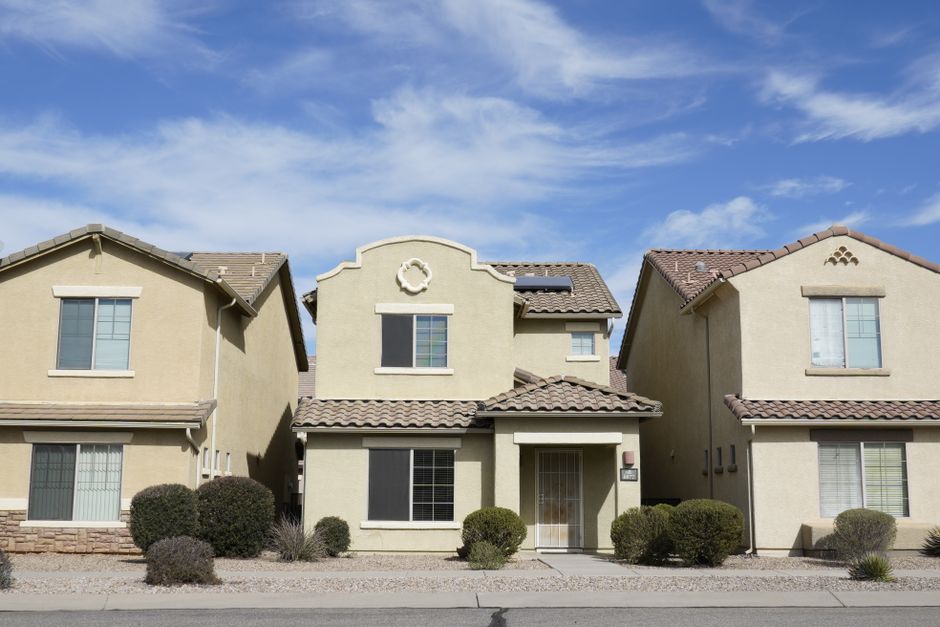
North of the city, Oro Valley represents what Arizona retirement often looks like: low-density housing, golf courses, restaurants with early-bird specials that people actually use, medical facilities, and a general sense that everyone here chose this place intentionally and settled in to stay.
Families with young children who want good schools and safe streets also gravitate here. Crime statistics are lower. The air quality feels cleaner because you're at elevation. Everything is newer construction compared to central Tucson—strip malls, planned communities, the kind of visual predictability that some people find comforting and others find soul-crushing.
If you're visiting Tucson and you're over 60, someone will mention Oro Valley. It's not a bad suggestion. The Foothills themselves (the areas backing up against the Santa Catalina Mountains) offer similar vibes with slightly more character—winding roads, bigger lots, views that justify the higher prices. But you need a car. There's no meaningful transit, and you can't walk to dinner. It's suburban, and that's not a insult if that's what you're looking for.
Historic Neighborhoods: Infill Charm in Sam Hughes, Armory Park, and Grant Districts
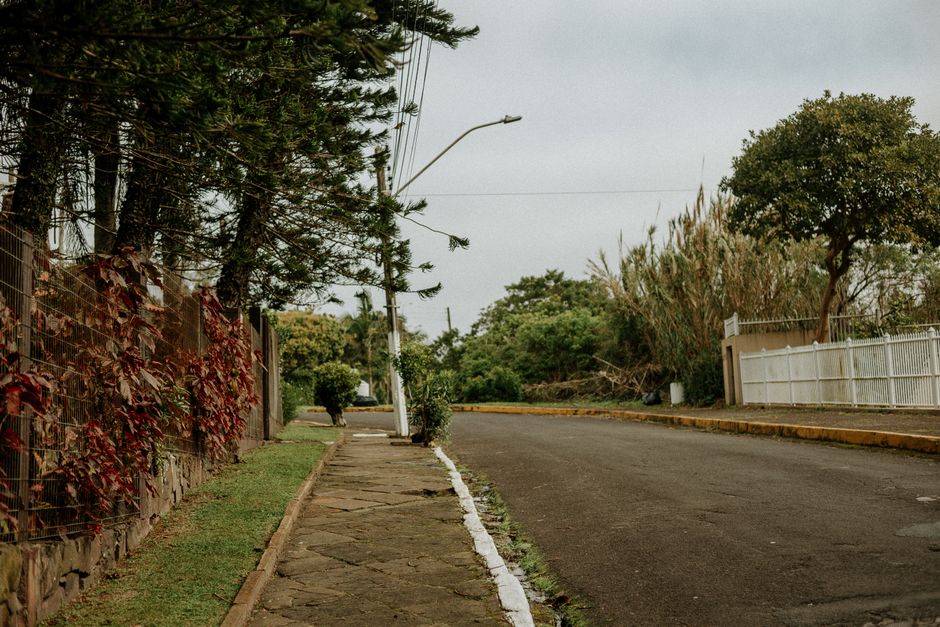
If you want to live in Tucson proper—not the sprawl, not the retirement zones—the older historic neighborhoods between downtown and the foothills are where the renovation-minded, aesthetically picky residents live. Sam Hughes, Armory Park, and the Grant District all have 1920s-1950s architecture, tree-lined streets, and enough character that people actually decorate their houses.
These areas attracted artists and young families priced out of coastal cities about five to ten years ago. You'll see restored bungalows next to work-in-progress fixes and lots of plants. Local coffee shops, vintage furniture stores, and restaurants opened to serve the people who moved here intentionally rather than by accident. Prices are climbing, but they're still a fraction of what you'd pay for similar housing in the West Coast cities many of these residents came from.
They're walkable to parts of downtown and the U-District. You're not isolated, but you're not in the thick of things either. If you're new to Tucson and want a neighborhood that feels like a real neighborhood—not a resort district, not a college zone, not a retiree enclave—these are worth exploring. Fair warning: some blocks are still pretty quiet, and we're talking about stretches where the next coffee shop might be a 15-minute drive away.
Midtown (along 4th Avenue and Stone): For Eclectic Visitors and Creative Types
The stretch along 4th Avenue, especially from downtown up toward the university, is the closest Tucson gets to a "quirky bohemian" neighborhood. Record stores, vintage shops that actually have good inventory, tattoo parlors, used bookstores, craft breweries. It's not precious. It's not trying to be "Instagram-ready." It just is what it is.
Visitors often stumble here and realize it's more interesting than they expected. Stone Avenue, running parallel, has some of the city's better local restaurants and bars. The whole zone has an energy that downtown doesn't quite capture and the U-District doesn't mature enough to hold. People who move here tend to stay. It's affordable enough that you don't need to make six figures, weird enough that you don't feel like you're pretending, and connected enough that isolation isn't a risk.
Parking is street-level and sometimes tight. It gets louder and more crowded than the historic neighborhoods. But if you're visiting and want to drink coffee at a place where the barista is also a musician, buy vintage clothing from someone with actual taste, and eat dinner at a restaurant run by people who live in the neighborhood, 4th Avenue is where that happens.

Practical Notes: Traffic, Transit, and Where to Actually Stay
Tucson is a car city. I hate saying that because it feels defeatist, but it's true. You can survive without one in downtown, the U-District, and along 4th Avenue, but everywhere else, you're carless and frustrated. Public transit exists; it's fine; it's not extensive. Rent a car if you're staying more than three days and want flexibility.
Choosing a neighborhood as a visitor is different from choosing one to move to. If you're visiting, stay downtown or near the U-District if you want walkability and low prices. Stay in the Foothills if you want quiet and views. If you're moving here, spend a few weeks in an Airbnb in different zones before signing a lease. Tucson's neighborhoods change block by block in ways that Google Maps doesn't convey.
The city gets hot (summer temperatures regularly hit 110 degrees), which shapes where people spend time and how they live. That's worth factoring in. But from November through April, Tucson's neighborhoods actually shine. The weather becomes the reason people chose to be here, and that changes everything about how the city feels.