
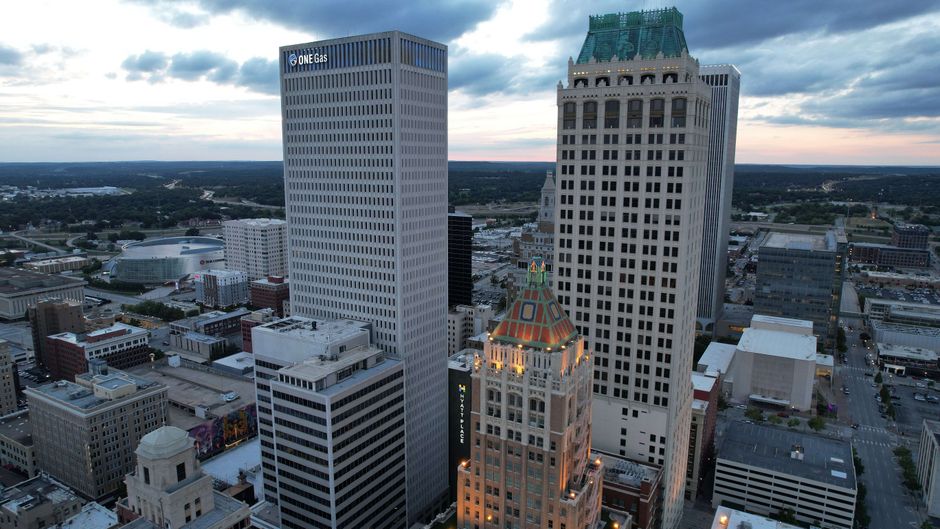
I rolled into Tulsa on a Thursday afternoon expecting either a quick pit stop or nothing at all. The city has this reputation—fine enough if you're passing through, built on oil money, some art museums, maybe a decent barbecue place. But after three days of actually walking around, talking to locals, and dodging the tourist checklist, I realized Tulsa's real character exists almost entirely outside the attractions people are told to visit.
The gap between what travel blogs push and what actually makes the city tick is wider here than most places I've been. Some of the most promoted spots feel like they're trying too hard. Others—the ones you'd never think to photograph or post about—are where the real Tulsa lives. So here's what I learned about where to spend your time and where to save your money.
Philbrook Museum: Gorgeous Grounds, Overstuffed Crowds
Everyone tells you to go to Philbrook. It's beautiful—I'm not going to pretend it isn't. The mansion, the gardens, the whole setup on that wooded estate is legitimately worth seeing. But the experience has calcified into exactly what the travel blogs promised: busloads of people moving through manicured spaces, taking the same angles, standing in line to get in.
The real problem is that Philbrook has become the default answer to "what should I do in Tulsa?" and it shows. Admission runs around $15, and in peak seasons you're shuffling shoulder-to-shoulder through rooms. The gardens are stunning, sure, but you're spending a whole afternoon there to see what amounts to a well-funded postcard. For my money, the visit feels obligatory rather than surprising.
If you do go, get there very early or visit on a weekday morning. But honestly, your time might be better spent elsewhere.
The Gathering Place: Fun, but Overhyped as a Destination
This is the newer darling—a free riverfront park with splash pads, play structures, and that shiny design-forward vibe that makes social media people lose their minds. And look, it's absolutely fine. The kids love it, the parks crew maintains it well, and yeah, it's free, which beats a lot of options.
But it's not the revelation some outlets make it out to be. It's a really good playground attached to some riverside greenspace. That's it. The architecture is pleasant. The fact that it's free is genuinely fantastic. But if you're traveling as an adult without kids, you're basically looking at a nice walk and a few minutes of "oh, that's well-designed." The hype machine around it as a major Tulsa attraction undersells what it actually is: a solid public amenity, not a destination in itself.
The Real Art Is in Small Galleries, Not Downtown Murals
Downtown Tulsa has a mural project. You've probably seen the photos. Every travel post about the city mentions the colorful walls, the instagrammable street art, the "revitalization." The murals themselves are fine. Some are genuinely well-done. But they're presented as Tulsa's art scene, and that's completely backwards.
The actual contemporary art in this city lives in smaller galleries scattered across town—places like the Philbrook's contemporary wing (which is legitimately excellent and much less crowded than the main museum), the Philbrook Downtown space on Brady Street, and independent galleries around the Blue Dome District. These show real work from working artists, not just public decoration. You'll run into far fewer people, you'll see things that are actually challenging or thought-provoking, and you'll get a much clearer picture of what artists in Tulsa are actually doing right now.
The murals are a nice backdrop for a walk. Don't make them your art pilgrimage.

Cain's Ballroom Is Worth It Only If Something Actually Excites You
Here's where I'll probably get some pushback: Cain's Ballroom is a historic venue with real significance to country and western swing music. It's been around since 1930, the building is beautiful, and if you're into that music and there's a good act coming through, absolutely go.
But the ballroom itself—the physical space when there's nothing happening—isn't an attraction. It's a concert venue. I walked past it, peeked in during the day, and it's just an empty room with wooden floors and old character. That's nice, but it's not a reason to visit Tulsa unless you're actually catching a show. Check their calendar before you plan your trip. If something calls to you, buy a ticket. If not, don't waste the stop.
The Woody Guthrie Center: Actually Singular, Actually Excellent
This is the museum that should be on your list instead of Philbrook, and almost nobody mentions it. The Woody Guthrie Center sits on Brady Street, it's modest-sized, and it tells a real story about an actual American artist who mattered.
Guthrie was a folk singer and activist from Oklahoma, famous for songs like "This Land Is Your Land," and the center does something museums rarely manage: it presents his work, his politics, and his contradictions without softening any of it. You get his lyrics, his paintings, letters, recordings, and a genuine sense of who he was and what he was trying to do. The building is intimate, the curation is thoughtful, and unless you go on a weekend afternoon, you'll probably be alone or nearly alone.
Admission is around $10, and you'll spend maybe 90 minutes there if you actually read and listen. It's infinitely more interesting than standing in line at Philbrook.
Skip the River District's Safe Predictability—Find Riverside
The River District (around the Philbrook and Gathering Place area) is where the city's money has gone and where most visitors cluster. It's safe, clean, manicured, and about as exciting as a resort community. You can eat there, you can walk around, and everything is pleasant. But it's also completely sterile if you're looking for any sense of what Tulsa actually is.
Instead, head to Riverside Drive on the south side of the Arkansas River. This is where actual Tulsa neighborhoods live. You've got mid-century Craftsman homes, tree-lined blocks, vintage bungalows, local coffee shops that aren't designed for Instagram, and the feel of a place where people actually live rather than visit. Walk from around 15th Street down to around 31st Street. The architecture is genuinely good, the streets are quiet, and you'll see what Tulsa looked like before everything got branded and tidied up.
There's a reason locals don't talk about this area to tourists—it's not a destination, it's where they live. Which is exactly why it's worth your time.
Elwood House and Deep Dives into Tulsa's Architecture
Most visitors never hear about Elwood House, a 1912 Tudor Revival mansion in a residential neighborhood east of downtown. It's open for tours on a limited schedule, and when I went on a random Saturday morning, I was one of three people there.
The house itself is stunning—original details, period furnishings, real architecture as opposed to museum curation. But more importantly, the experience felt like you actually discovered something rather than consuming what you were supposed to consume. The volunteer docent was genuinely knowledgeable and happy to talk, not rushing you through to the next group.
If historic houses interest you at all, this beats the Philbrook mansion by a mile. You're not paying to look at professionally maintained grounds; you're actually inside a real family home. Hours are limited and it's a smaller operation, but that's precisely why it's worth planning around.
Go Eat Good Food at Places No One's Heard Of
Tulsa's food scene is quietly solid, and almost all of the best of it is completely under the radar. There are barbecue joints scattered throughout the city that are better than any tourist-friendly restaurant downtown. There are Vietnamese pho places, Thai spots, local burger counters, and taco stands that show up in zero travel blogs but deliver real food that real people eat.
The River District has restaurants that are fine and designed for visitors. The neighborhoods—Riverside, Midtown, even some spots near the University of Tulsa campus—have the actual food landscape. Ask locals where they eat. Go there. Ignore the Yelp ratings if they're driving you to somewhere that feels like it was designed for tourists.
This is where your best meal in Tulsa will come from, not from a restaurant someone told you to visit before you arrived.
Frequently Asked Questions
Is Tulsa worth visiting for a weekend
Yes, if you know where to look. Skip the obvious attractions and focus on smaller museums like the Woody Guthrie Center, neighborhood walks on Riverside Drive, and local restaurants. You'll get a real sense of the city in two or three days rather than just hitting the promoted spots.
What is Tulsa Oklahoma known for
Oil history, architectural preservation from the 1920s boom, American folk music (Woody Guthrie), and western swing music. The city also has a growing contemporary art scene and solid regional restaurants, though these aren't what most travel guides emphasize.
Is the Gathering Place free
Yes, the Gathering Place riverfront park is completely free. It's a good public amenity with playgrounds and walking trails, but it's not as major a destination as the hype suggests—it's essentially a well-designed park, not a museum or major attraction.
Where should I stay in Tulsa OK
Downtown Tulsa or near the River District offer convenience, but they're also where most tourists cluster. If you want actual neighborhood character, look for lodging near Riverside Drive or the Blue Dome District, where you'll be closer to real restaurants and local life.
Which one would you visit?



