I rolled into Tulsa on a Thursday afternoon expecting the usual strip-mall sprawl of a mid-sized oil town. Instead, I found myself genuinely surprised—the city has real bones, actual neighborhoods with personality, and a downtown that doesn't feel like it's performing for tourists. Spent my first few days bouncing between districts, talking to locals in coffee shops and parking my car to just walk around. It's the kind of place where you can't judge from a highway drive-through.
The trick with Tulsa is knowing where to plant yourself. Unlike some cities where "downtown" means one or two blocks, Tulsa's neighborhoods genuinely differ in vibe, amenities, and who ends up thriving there. Whether you're thinking about moving or just visiting for a long weekend, the neighborhood you choose will shape your whole experience.
Midtown: Young Professionals and Weekend Visitors
Midtown is what happens when a city block decides to reinvent itself without losing its actual character. Anchored around Elgin Avenue, it's become the unofficial epicenter of Tulsa's young professional crowd—lots of lofts, condos, and that particular energy of people who chose to stay in Oklahoma rather than drift to the coasts.
You'll find yourself walking between coffee shops, craft breweries, and restaurants that actually have chefs who care. The Woody Grill, Picasso Cafe, and several others clustered here mean you can eat legitimately well without leaving a three-block radius. Brewery culture is real here; Toolbox Brewing and others have turned the neighborhood into something resembling a proper night-out destination.
If you're visiting solo or with friends, Midtown is your move. Hotels and shorter-term rentals are abundant. You can walk to most things. The neighborhood draws a younger crowd—mostly late twenties to early forties—and has that not-trying-too-hard vibe that actually works. Parking is straightforward, and the neighborhood feels safe, even late.
Downside: it's gotten popular enough that rent has climbed. If you're moving here specifically to save money, you might reconsider.
Pearl District: Arts, Culture, and Established Families
The Pearl District sits south and slightly east of downtown, and it's where Tulsa's arts scene actually lives. This isn't just gallery walk territory—it's genuine cultural infrastructure. The Philbrook Museum sits on its periphery, and the neighborhood itself hosts regular art walks, smaller galleries, vintage shops, and that particular flavor of eclectic that comes from artists moving into affordable neighborhoods a decade ago and staying put.
Architecturally it's a mix: some genuinely beautiful old homes, some converted warehouses, some newer construction that mostly respects the bones of the place. The neighborhoods feels established, less frenetic than Midtown. You see families here—actual families with kids, not just young couples. Schools nearby draw a certain demographic.
For visitors, the Pearl works if you want to slow down, see some real art, and eat at restaurants that are good because people care, not because they're chasing hype. Pearl District locations include higher-end spots and more casual cafes. The crowd is mixed-age and genuinely diverse in the way neighborhoods become when you're not performing for outsiders.
Residents seem to stay. It has that quality. Parking is easier than Midtown. If you're moving to Tulsa and want to actually integrate rather than exist in a bubble, this neighborhood takes some of the work out of it.
Brady Arts: Students, Artists, and Browsers
Brady Arts is basically Tulsa's arts-district-in-formation. It's rougher around the edges than Pearl, still actively gentrifying, with cheaper rent that appeals to actual artists rather than professionals pretending to be bohemian. You'll see more empty storefronts, more "under renovation" signs, more of that in-between feeling.
What's here works, though. Street art is legitimate. Some galleries and studios open for events rather than regular hours. There's a community element that feels less polished than it might in other neighborhoods—less Instagram, more actual making things. The Brady Theater itself occasionally hosts actual concerts and events.
For visitors: if you're the type who likes exploring neighborhoods that haven't been fully packaged yet, this is interesting. You might find something that genuinely moves you in a smaller gallery. You might eat at a restaurant that's still figuring itself out but is good anyway. It requires more curiosity and tolerance for empty blocks.
For residents, especially younger ones, it's affordable and genuinely creative without the pretense filter. You'll know a lot of your neighbors because you'll keep running into them. The downside is that it's a work-in-progress—not every block is worth exploring, and services are thinner than in established neighborhoods.
Utica Square and Surrounding Areas: Established Families and Retirees
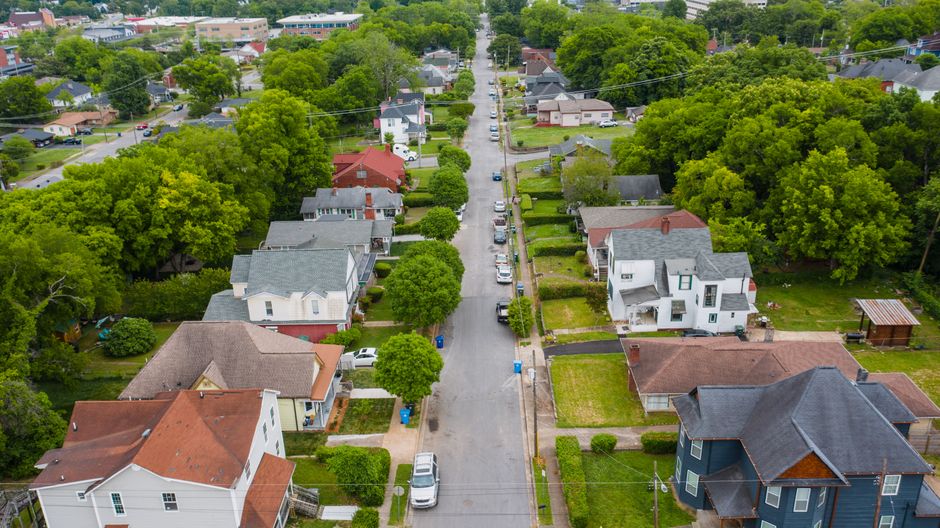
This isn't one neighborhood so much as a cluster of older, established residential areas around Utica Avenue and 21st Street. It's where Tulsa's longer-term residents and retirees tend to settle. Stately old homes, tree-lined streets, a real sense of permanence. It's quieter than downtown-adjacent neighborhoods, more car-dependent, but also genuinely pleasant if you're not trying to walk everywhere.
Utica Square itself is a shopping district that's actually held up over time—not a mall, just a managed collection of local and regional businesses. You can get groceries, see a movie, eat decent food without leaving the area. Schools here are established. Parks are well-maintained. It has the feel of a neighborhood that works because people have spent decades making it work.
For visitors: only if you're renting a car and want to experience how actual Tulsa residents live, or if you're staying with friends. For retirees or established families moving to Tulsa, it's genuinely solid. You know what you're getting—stability, accessibility, a neighborhood that's been holding its own for generations.
Riverside Drive and South: Nature and Quiet
Riverside neighborhoods—technically there are several, but they share character—sit along the Arkansas River and offer something different entirely: actual nature, trails, parks that aren't just patches of grass. The River Parks here are genuine assets, and neighborhoods bordering them benefit from having green space that matters.
These areas are less dense, more car-dependent, but considerably quieter. You get actual yards, actual distance between neighbors, and genuine access to outdoor trails. Some residential neighborhoods here are quite nice, especially if you want room and don't mind the trade-off of being slightly removed from the action.
For families with kids who want space, this is appealing. For retirees who want quiet and access to walking trails, it works. For solo travelers visiting, honestly, you'd need a car to enjoy it—these aren't neighborhoods you're going to walk around and discover.
The reputation: safe, family-oriented, occasionally overlooked because it doesn't have the trendy veneer of downtown neighborhoods. That's not a bad thing if what you want is actual quiet.

Getting Around: The Practical Reality
Here's the thing nobody sugar-coats: Tulsa is a car city. Unlike downtown-adjacent neighborhoods where you can reasonably walk, most of these areas require wheels if you want to move around comfortably. The public transit exists but is limited. Rideshare works fine if you're visiting, but residents should budget for owning a car.
That said, Tulsa isn't hostile to pedestrians the way some sprawling cities are. Downtown and the neighborhoods around it—Midtown, Pearl, Brady Arts—are genuinely walkable if that's what you're after. You just need to choose your location accordingly.
For visitors planning to stay a few days, pick Midtown or Pearl, get a hotel or Airbnb in walking distance of restaurants, and you can manage without a car. For longer stays or relocating, accept that you'll need wheels, then enjoy the fact that parking is actually manageable and gas is relatively cheap.
Why Tulsa Neighborhoods Actually Work
What surprised me most about Tulsa is that these neighborhoods don't feel manufactured. They're not destination-district imitations designed to extract tourism dollars. They're neighborhoods where people actually live, which means they have the advantages and limitations of real places—some things are great, some things don't work yet, some things are still figuring themselves out.
If you're moving here, you'll probably end up somewhere based on your age, job, and what you actually want your daily life to feel like. If you're visiting, the same applies—pick the neighborhood that matches your actual preferences, not the one that sounds good in a guidebook.
The city's real advantage is that you have choices. Spend a day in each neighborhood before committing.