I rolled into Tulsa on a Tuesday morning needing a place to land for the week. The kind of spot where you can order a coffee, crack open a laptop, and not feel like you're overstaying a table meant for lunch traffic. Turns out, Tulsa's gotten serious about its cafe scene in the past few years. You've got everything from the polished downtown spots that cater to the business crowd to smaller neighborhood joints where the barista actually remembers your name by day three.
The city's spread out enough that your choice of cafe matters—you're going to want something near your hotel or in a neighborhood you're already exploring, not a 15-minute drive across town. I spent a solid week bouncing between five different spots, ordered way too much coffee, and came away with a pretty clear sense of where you can actually get work done without feeling awkward or fighting for an outlet.
Armoury Coffee for Serious Espresso and Dependable Seating
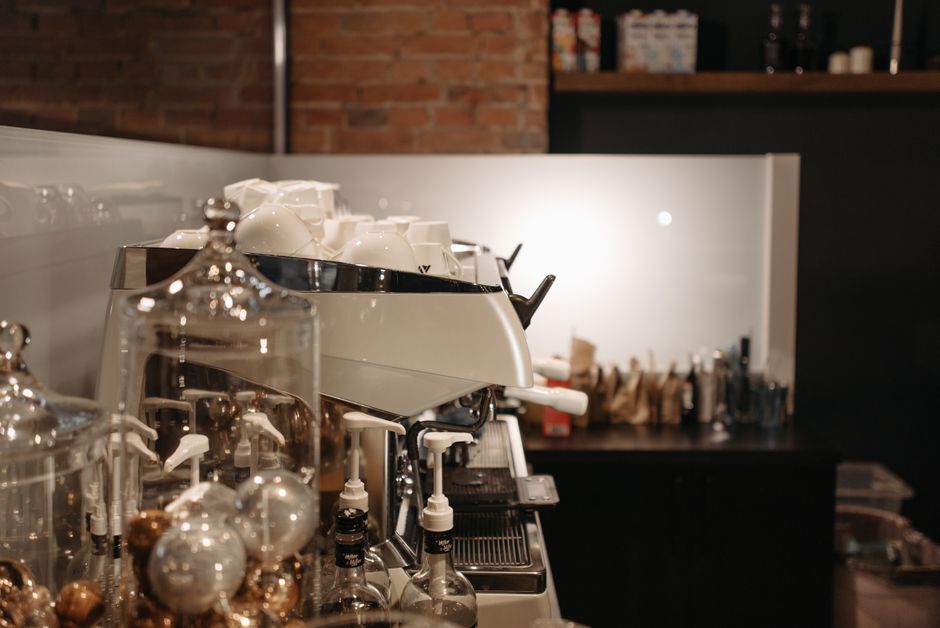
Armoury Coffee sits in a restored brick building downtown with that industrial-chic vibe that's become standard in coffee shops nationwide—but here it doesn't feel forced. The espresso is legitimately good. I ordered a flat white and it was one of those cups where you can tell the barista cares about pull times and milk temperature. The place is packed most mornings, sure, but there's enough seating spread across two levels that you can usually find a spot. Outlets are scattered throughout, though you might need to hunt a bit depending on when you arrive.
The real strength here is consistency. WiFi holds up under load, the music isn't so loud you can't think, and the crowd skews professional—people on laptops, the occasional business meeting. It's a cafe that understands its clientele works there. Pastries come from local bakeries, nothing spectacular but reliable. The downside? It's popular enough that peak hours (9 to 11 a.m., 12 to 1 p.m.) mean you're competing for table space. Go early or go after lunch.
Goro Ramen + Izakaya: Not Just Food, But a Solid Daytime Spot
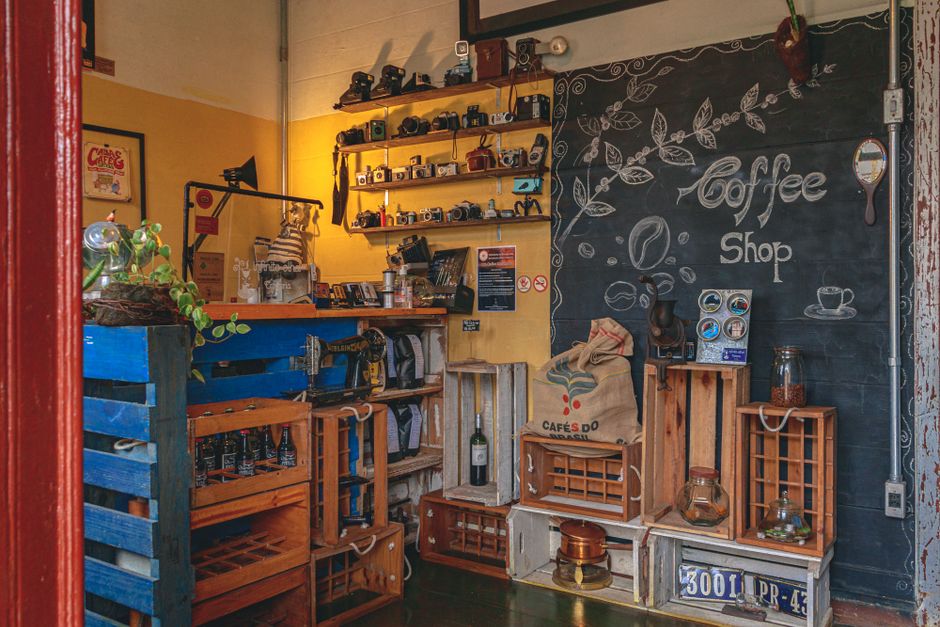
This one caught me off guard. Goro primarily does lunch and dinner—it's a proper ramen and Japanese bar—but they open by mid-morning and the lunch crowd doesn't roll in until 11:30. I spent a few hours there one Wednesday morning and had the place nearly to myself. The barista coffee is decent, not exceptional, but their loose-leaf tea selection is unexpectedly good. I went back a few times for their matcha latte, which was actually whisked properly, not some milk-heavy approximation.
Seating is restaurant-style rather than cafe-style, so the chairs and tables are heavier and more comfortable for extended work sessions than those spindly cafe chairs. WiFi works fine. The real draw is peace—you get hours of uninterrupted quiet before the lunch service ramps up. Staff doesn't hassle you about turnover. Just be courteous and order something every couple hours. If you're hungry, their lunch specials are solid and reasonably priced. Neighborhood-wise, you're in Midtown, which means the surrounding blocks have good lunch options and enough foot traffic that you won't feel isolated.
The Loaded Bowl: Counter Culture That Actually Works for Remote Work
The Loaded Bowl is a health-focused spot that started as an acai bowl place and expanded into a full cafe. I expected it to be more Instagram-aesthetic than functional, but I was wrong. They've clearly thought about the people sitting with laptops. Outlets at most tables, a solid WiFi password that actually gets communicated clearly, and seating configured in small pods rather than one big open room—which means you can find a quiet corner without feeling isolated.
The drinks lean healthy: smoothie bowls, cold brew that's clean and not over-roasted, matcha lattes made with actual matcha. Their avocado toast is a cliche but done well—which is to say, the bread is good and they don't skimp on the avocado. The pastry selection is smaller than a traditional cafe, but everything is made in-house and leans toward higher-protein options. The crowd is mixed: some health-conscious types, some people just looking for good coffee and food. It's less pretentious than Armoury, more functional than Instagram-focused. Elote's Cafe & Marketplace is in the same vein if you want something similar in a different neighborhood, but Loaded Bowl has better wifi and more reliable seating.

Maven Coffee: The Neighborhood Play That Actually Delivers
Maven sits in the Cherry Street area and feels genuinely local in a way that doesn't depend on reclaimed wood or vintage signage. This is the lesser-known spot on this list, which is strange because the coffee is excellent and the setup is purpose-built for people who work there. The owner clearly spends time behind the bar—the drinks are consistent and they actually dial in their equipment regularly, something you notice in the crema and the pour.
Seating is abundant and varied: bar seating along the window, a few small tables, a couch in the back corner. Outlets are plentiful and clearly marked. WiFi is fast and stable. The pastry case features real local bakeries, rotated regularly. The place gets steady traffic but not the wall-to-wall crowds you hit at downtown spots. Most importantly, the vibe is welcoming to people who are working—you're not treated like you're in someone's living room, but you're also not made to feel like you need to order something new every 30 minutes to justify your presence. A regular order is probably one medium-sized drink, maybe a pastry. That'll buy you a solid 4-hour work block.
The Airship Coffee House: Vintage Aesthetic With Functioning Infrastructure
The Airship is a bigger-picture operation—more of a cafe as full experience than a quick coffee stand. It's popular with the creative class in Tulsa, and for good reason. The space is genuinely thoughtful: high ceilings, natural light, a mix of table styles and seating arrangements. They understand that people working remotely have different needs at different hours, so they've built the place to accommodate both. The coffee itself is solid mid-range specialty—nothing that made me rethink espresso, but definitely above the standard cafe baseline.
What sets it apart is the infrastructure investment. Outlets are genuinely plentiful, WiFi is reliable even when it's full, and they have a clear understanding that some customers are working, so the music is set at a volume where you can actually focus. Food is cafe-standard: pastries, sandwiches, toast. Nothing revolutionary but well-executed. The downside is it's become popular enough that during peak hours it can feel crowded, and the tables aren't enormous—you might struggle if you need space for two monitors and a notebook. But arrive off-peak and it's nearly ideal. Located in the midtown area, close enough to shops and restaurants that you can take a break and actually explore.
Working Remote in Tulsa: The Practical Reality
The honest truth is that Tulsa's cafe scene is good enough that your choice doesn't matter as much as your timing and expectations. You're not going to find the infrastructure-and-vibe perfection you might in a bigger city, but what you will find are five or six solid spots where you can reliably work, the coffee is decent, and the staff isn't counting how many times you've refilled your water.
Pick a neighborhood first—downtown if you want the business district vibe, Midtown if you want more traffic and restaurants nearby, Cherry Street if you want to feel like you're in a neighborhood rather than a commercial district. Then pick your cafe based on what you need that day. Some days you want background noise and people-watching. Other days you want quiet. The flexibility is there.
One practical note: Tulsa summers are hot. The cafes with good AC and positioning away from direct afternoon sun are real assets come July. If you're planning to work here in warm months, give preference to indoor seating away from windows during afternoon hours. None of these places are going to be unbearable, but it matters.
Frequently Asked Questions
which cafes in Tulsa have the best wifi for remote work
Maven Coffee, The Loaded Bowl, and Armoury Coffee all have reliable, fast wifi that handles multiple devices without dropping. Maven and Loaded Bowl are specifically built with remote workers in mind, so they've invested in better infrastructure. Armoury is downtown and experiences heavier traffic during peak hours, but the connection itself is solid. Test the connection when you arrive; if it's not working, cafes will usually reset the router quickly.
where can I work for hours at a cafe in Tulsa without ordering repeatedly
Maven Coffee in the Cherry Street area and Goro Ramen in Midtown both have a culture that welcomes people working for extended periods. One coffee or tea order is typically understood as a reasonable footprint for 3-4 hours of work. Armoury and Airship are busier but tolerate long-term seating if you're not in a prime table during peak times. The Loaded Bowl falls somewhere in the middle—good for 2-3 hour blocks without feeling pressured.
do Tulsa cafes have outlets and seating for laptops
Yes, most modern cafes in Tulsa have incorporated outlets—they're usually along walls or under tables. Seating is sometimes tight during peak hours. Maven Coffee and The Loaded Bowl have the most reliable outlet availability. Airship and Armoury have outlets but they fill up during lunch hours. Goro Ramen has restaurant-style seating with better comfort for longer sessions, though outlets are more limited.
what are the quietest cafes in Tulsa for focused work
Maven Coffee in Cherry Street is your best bet for consistent quiet. Goro Ramen during morning hours (before 11:30 a.m.) is nearly silent. Loaded Bowl has quiet corners if you position yourself correctly. Armoury and Airship are noisier, especially midday, due to their popularity and open layouts. If silence is essential, Maven or Goro in the morning are your strongest options.
Which café would you pick?