I rolled into Tulsa on a Tuesday evening with no reservations and a vague idea that the food scene had gotten better since my last pass through. Turns out I was underselling it. The city has quietly built up a clutch of restaurants that actually matter—places where the chef isn't phoning it in, where the servers know what they're talking about, and where you can eat well without dropping a month's rent on a single meal.
I spent three days working through the list, eating at places locals actually go to, not just the tourist-bait spots. Here's what stuck with me.
Han Oak—The Unconventional One
Han Oak sits in midtown Tulsa in a converted house, which immediately tells you something about the vibe. It's intimate, a little tight, and the menu reads like someone threw a dart at a map of Asia and then decided to cook it their way. You get Korean, Vietnamese, Japanese references all tangled up together, but it works because the execution is tight.
Order the clay pot rice. Order it. It's a stone bowl that arrives at your table screaming hot, and you're mixing in whatever protein they've set you up with—usually something like braised short rib or chicken—with rice that gets crispy on the bottom. It costs about $18. The place can get loud when it fills up, which is most nights, so timing matters if you want to actually hear a conversation. Plan on dropping $35–50 per person with a drink.
Goro Ramen—The Lunch Spot That Works
Goro is straightforward. It's ramen. It's in a small storefront that doesn't have a ton of seating, and the lunch crowd knows it exists, so you'll be eating standing-room-only or waiting 15 minutes for a table if you come between noon and 1:00 p.m. The broth is the thing—they spend time on it, and you can taste that. The tonkotsu is the obvious play, but the miso version pulls its weight too.
Sides are minimal. You get what you order, not a menu trying to convince you of ten other things. Expect to pay $12–15 for a bowl. The downside is real: it's cramped, there's no room to linger, and if you're a big eater, one bowl might leave you thinking about lunch at 3 p.m. But for the price and the actual quality, it's hard to argue.
Andolinis Pizzeria—The Neighborhood Play
Andolinis has been around, and there's a reason. It's not fancy. The dining room is casual, a little worn in the best way, and the pizza comes out of a wood-fired oven. They do New York–style thin crust, which means the dough is the star—you actually taste it, not just the sauce and cheese. The Sicilian is their killer, but a basic pepperoni is worth ordering just to see what good dough tastes like.
You're spending $16–22 for a pizza that feeds two people comfortably. Go in the evening after 6 p.m. if you want to sit without a crowd. Earlier than that and you're fighting the dinner rush, which moves fast but still feels crowded. The bar scene is real here too if you want a drink, and the wine list is smarter than you'd expect from a pizza place.
Juniper & Ivy—The Serious Middle Ground
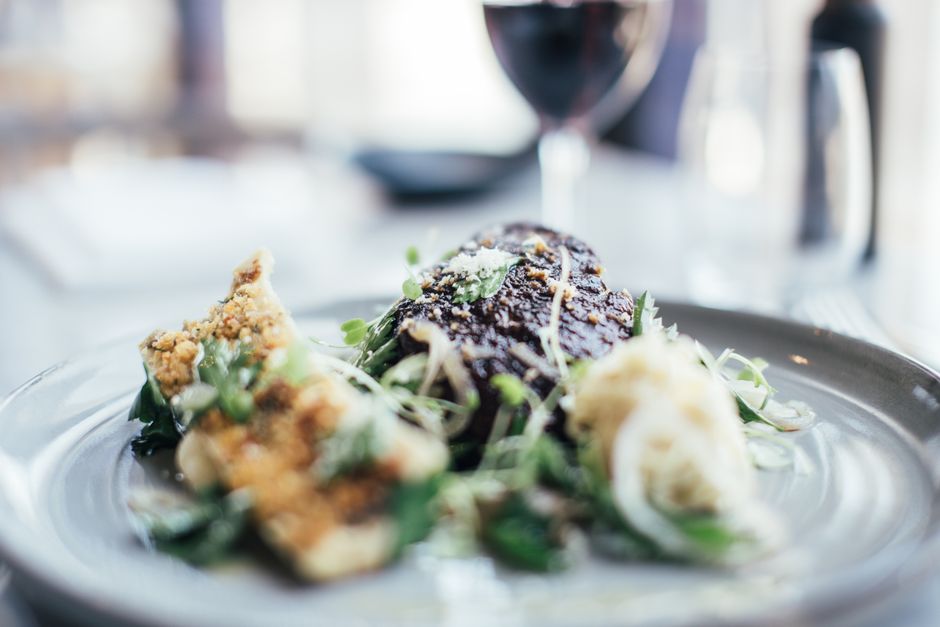
Juniper & Ivy is where Tulsa shows you it actually knows how to run a restaurant. The dining room is done up nice without being stuffy. The menu shifts with the season, and the kitchen is cooking with intention. You'll see things like brined chicken thighs or halibut prepared more carefully than most cities half this size manage.
It's not cheap, but it's not a shock to the bank either. Figure on $50–70 per person with wine. The service is attentive without hovering. This is the place where you take someone on a real dinner, not a quick bite. The noise level stays reasonable because they've actually thought about the room design. No real downside here except that it books up, especially weekends, so you need to plan ahead.
Ike's Chop House—The Splurge Night
Ike's is the steakhouse. It's in the Philbrook building area, which tells you it's got some polish. Dark wood, old-school energy, the kind of place where a tie is optional but you probably won't be the only person wearing one. The ribeye is excellent. The aging program shows. You can taste the difference if you know what you're looking for.
Sides come à la carte, which is the steakhouse move. Expect to drop $65–90 per person before you add anything, and sides and drinks will push it higher. It's the right place for that one special meal or if you're expense-account dining. The crowd skews older and moneyed, which keeps the energy steady and the noise manageable. Parking is in the building, which matters in Tulsa. Make a reservation; they fill up and they don't hold seats for walk-ins.
The Loaded Bowl—The Breakfast and Casual Play
The Loaded Bowl is breakfast and lunch, closed by dinner, and it's the kind of place that gets written off by people who only eat out at night. That's a mistake. The bowls are actually constructed with some thought—açai, grain bowls, egg situations. They do it right. The coffee is good. The pastries come from someone who actually cares.
You're spending $11–16 on breakfast or lunch, and the portions are real. The vibe is casual and bright, designed for people who want to eat and not spend three hours. No alcohol, no fancy plating. Just actual good food made without overthinking it. The downside is purely logistical: it gets packed on weekend mornings, and if you show up at 9 a.m. expecting a quiet meal, you're going to be disappointed. Weekday mornings are a different story entirely.
Where to Find Parking and Timing
Tulsa isn't downtown Los Angeles in terms of parking stress, but it's worth knowing that most of these spots have their own situation. Andolinis and Goro have street parking nearby, though Goro's spot is tighter. Juniper & Ivy has a lot, Ike's is in the building, and Han Oak's house setup means on-street. The Loaded Bowl is in a shopping area with a lot.
Timing matters more than you'd think for a city this size. The lunch crowd at Goro hits 11:45 a.m. and lasts until 1:30 p.m. Dinner at Han Oak and Juniper & Ivy books up by 7 p.m. Weekends are busier across the board. If you're the type who wants a casual experience, aim for off-peak: Tuesday through Thursday, before 6 p.m. or after 8:30 p.m. You'll eat better and spend less time waiting.
Frequently Asked Questions
where to eat in Tulsa Oklahoma
Tulsa has solid options across price ranges. Han Oak offers upscale Asian fusion, Juniper & Ivy serves seasonal American, and Goro Ramen does quality bowls for under $15. Andolinis does wood-fired pizza, while Ike's Chop House is the steakhouse splurge. The Loaded Bowl handles breakfast and lunch well. Pick based on budget and cuisine mood.
best ramen in Tulsa OK
Goro Ramen in downtown Tulsa makes broth-driven bowls for $12–15. The tonkotsu is their standard, but the miso version is solid too. Expect a small space and lunch-hour crowds. Get there before noon or after 1:30 p.m. if you want seating without a wait.
best pizza in Tulsa
Andolinis Pizzeria serves New York–style thin-crust pizza from a wood-fired oven. Their Sicilian and pepperoni are both worth trying. A pie runs $16–22 and feeds two people. Go after 6 p.m. if you want to avoid the dinner rush.
fancy restaurants in Tulsa OK
Juniper & Ivy is upscale without being formal, with seasonal American cooking and a wine program—expect $50–70 per person. Ike's Chop House is the traditional steakhouse experience at $65–90+ per person. Both require reservations on weekends and take care with service and room design.
Which restaurant would you try first?