I landed in Charlotte expecting the usual Southern business-district vibe. Banking towers, maybe a nice downtown square. Instead, I spent three days getting genuinely lost—and that's where things got interesting.
The moment I ignored my phone's default tourist route and took a wrong turn into NoDa, I realized Charlotte isn't interested in performing for visitors. It's a real city with actual neighborhoods, people with opinions, and places that exist because locals want them, not because they check a box on someone's itinerary. This is what I actually found when I stopped rushing.
The View From Pembroke Estate
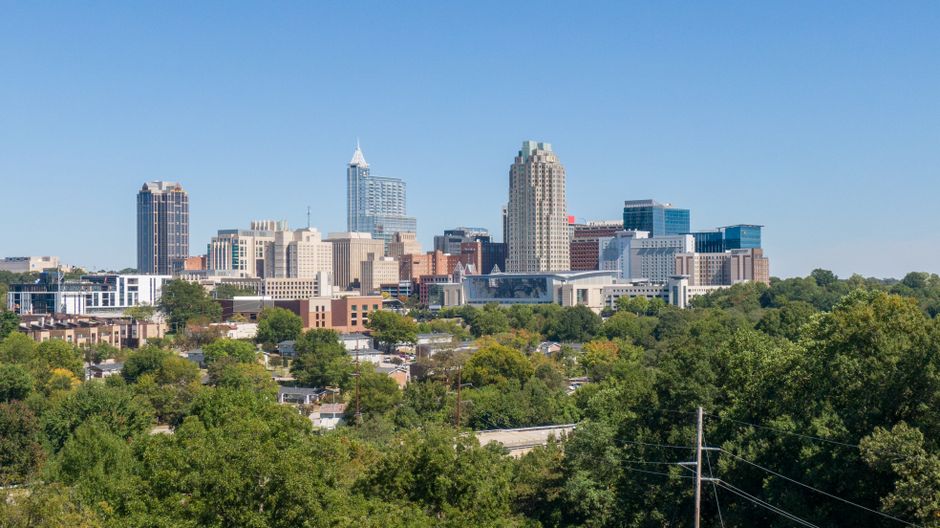
Most people who visit Charlotte never make it to Pembroke. That's partly because it's not advertised anywhere tourists naturally end up, and partly because the neighborhood itself—old money, tree-lined streets, mansions that predate the skyline—isn't set up to perform. But there's a viewpoint tucked into the grounds of the former Pembroke estate that sits you directly above downtown. On a clear day, you're looking at the entire spine of the city, glass towers catching light, Queen City visible in real topography rather than as a postcard.
Getting there requires some navigation. There's no marked trail, no gift shop, no parking lot with a sign. You're walking through a neighborhood where people actually live, which means you go respectfully, early or on a weekday. The view itself isn't dramatic or Instagram-obvious. It's just honest—a real vantage point where a mid-sized American city looks exactly like what it is, neither romanticized nor diminished. I spent longer there than I expected, mostly because I wasn't performing for anyone but myself.

Cowan's Ford Wildlife Refuge and the Catawba River
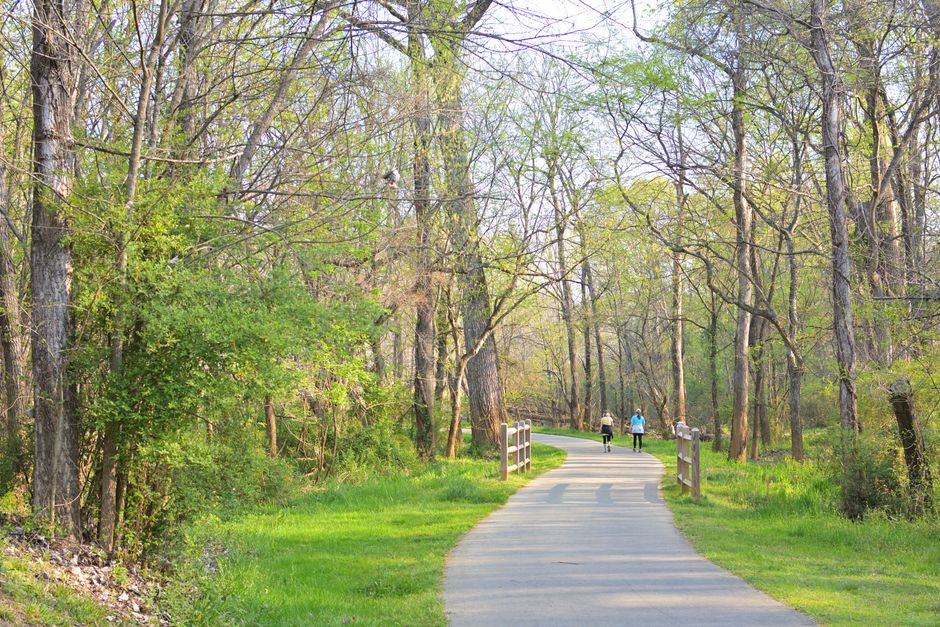
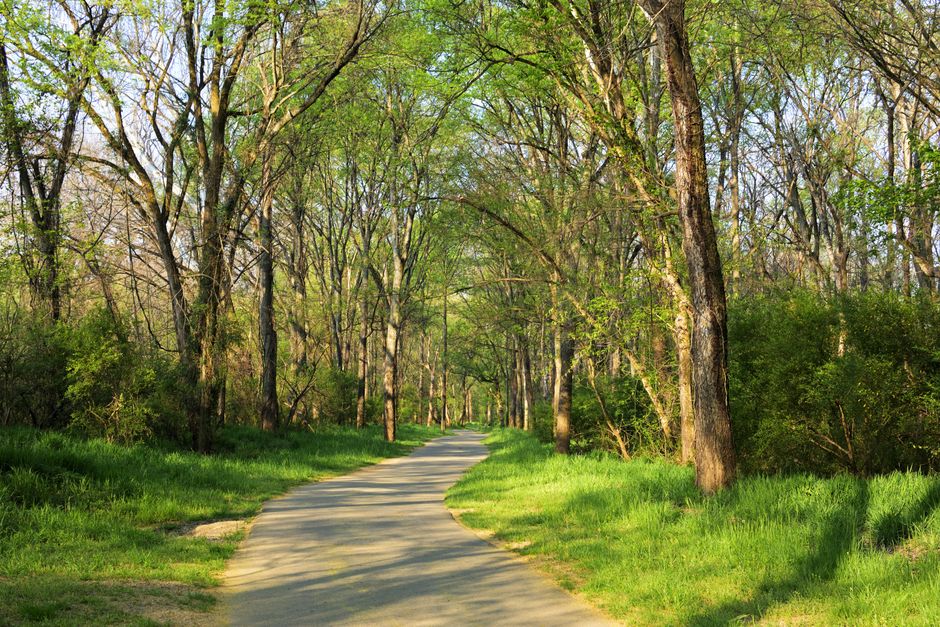
Twenty minutes outside the city, the Catawba River widens into a quiet impoundment, and Cowan's Ford becomes something close to a secret. It's a working nature preserve, not a park designed for foot traffic. You'll see birdwatchers and the occasional family, but the trails stay genuinely empty.
What struck me was how the landscape shifted. You're still in the Charlotte metro area, technically, but the river and the wetlands pull you into a different kind of time. I saw a bald eagle fishing at dusk. Not circling dramatically—just working, businesslike, while the light turned everything gold and bronze. The trails loop around, some heading uphill through piedmont forest, others following the shoreline. It's the kind of place where you realize how close wildness still is to the city edge, and how little effort it takes to reach it if you're willing to drive fifteen minutes and walk without a crowd.
Mint Museum's Craft + Design Wing
The Mint Museum gets people through the door because of its art collection—fine enough, nothing revolutionary. What hooked me was the craft wing, tucked in a way that suggests even locals forget it exists.
Pottery, glass, fiber work, metalsmithing. Objects made by people with actual hands and decades of knowledge. There's a centeredness to it that major art museums often lose in their desire to make statements. One afternoon I sat in front of a series of contemporary ceramic vessels for probably thirty minutes. A woman came in, looked at the same pieces, didn't say anything, but I could feel her recognizing something in the work. That kind of quiet authority—where the objects don't need interpretation or curation to justify themselves—is rare. The museum itself is small enough that you can actually see everything without feeling like you've missed something crucial.
NoDa's Actual Art Scene, Not the Version for Tourists
NoDa has been "discovered" enough that it now exists in two versions: the one people expect, and the one that's actually there. The streetfront murals are real. The galleries are real. But they're not performing being bohemian—they're just working.
I wandered into a studio where someone was teaching printmaking to a group of teenagers. No signage asking for donations, no gift shop selling prints of the same image everyone else is buying. Just people making work, and the implicit understanding that if you're curious, you can look. I talked to a painter about the neighborhood's actual rents and what she was planning next. She didn't pitch herself. Didn't ask me to follow anything. Just talked like someone who'd spent a lot of time thinking about what she was doing.
The coffee shop on 36th that no one can quite remember the name of does good work. The vintage stores are genuinely priced for people who actually need cheap clothes, not rich people looking for "character." You have to be willing to walk slowly and notice small things—a door left open to a shared studio, a handwritten sign for a workshop. But that's exactly the point. NoDa works because it's not selling the experience of being in NoDa. People are just here, making things, living.
Sacred Heart Church and the Quiet of Dilworth
Dilworth is one of Charlotte's oldest neighborhoods, but it doesn't market itself. The streets stay leafy and residential. Sacred Heart sits at the center like something from another era—a brick Catholic church with real architectural intention, visible from blocks away.
I went in on a Tuesday afternoon. The light was coming through in ways that made the space feel vast and simple at once. Not full of people asking for something. Just a building where someone had thought carefully about proportion and sound and the way light moves. There was a woman in a pew somewhere in the back, but otherwise, quiet.
The neighborhood around it deserves attention too—the houses, the tree canopy, the sense that a place can exist for a century and a half without needing to announce itself. It's the opposite of visible Charlotte, which is most of why it matters. If you're looking for where a city actually lives, not where it performs, Dilworth tells you more than any downtown plaza.
Vintage and Used Books at Park Road
There's a used bookstore in the Park Road shopping center that most people driving past have no reason to know exists. It's run by someone who clearly cares about books as objects—not as inventory, not as Instagram backdrops. The stock is genuinely mixed: real finds buried next to reasonable prices for common things.
I spent two hours there and bought three books I didn't plan on. The owner didn't try to upsell anything. Didn't tell me about a rare edition I might not have noticed. Just worked at the counter and let people find what they needed. That kind of restraint—the refusal to make the experience bigger than the actual work of selling good used books—felt almost radical in a world where every local business is expected to be an "experience."
Conclusion: The City That Doesn't Try
What I liked about Charlotte wasn't mystique or undiscovered beauty or the feeling of being cleverly off the beaten path. It was the sense that the city exists for itself, and tourists are just passing through. That changes how you move through a place. You stop looking for permission to be somewhere. You walk slower. You notice actual people doing actual work.
The best parts of Charlotte are the parts that aren't trying to be interesting. The view from Pembroke because it's just there. The wildlife refuge because it's working, not curated. The studios in NoDa because people are making things, not selling an idea of making things. That's what makes them worth the time to find.