I arrived in Charlotte on a Thursday evening expecting the usual sprawl—and got some of that—but what surprised me was how many neighborhoods felt genuinely livable for a week or two. The city's been changing fast, and if you land an Airbnb in the right pocket, you won't feel tethered to a hotel zone or forced to Uber everywhere. I spent time in five different areas over a month, paid actual attention to foot traffic after dark, and talked to people who live here year-round. This isn't about the prettiest Instagram spot. It's about where you can actually walk to coffee, dinner, and a bar without driving.
NoDa: The Arts District That Actually Has Energy
North Davidson—everyone calls it NoDa—is the first place people mention when they talk about Charlotte's creative side, and it lives up to the hype in ways that feel earned rather than manufactured. You'll find breweries, galleries, a solid restaurant corridor, and enough street art that the neighborhood basically functions as an open-air museum. The vibe tilts young and deliberately eclectic, which means the crowd tends to be friendly without feeling precious.
Walkability here is real. Most blocks feel safe at night because they're populated—there's foot traffic, there are people sitting on patios, the lighting is decent. The brewery scene is the anchor; places like Heist or Birdsong bring genuine crowds. Restaurants run the gamut from casual (tacos, burgers, pizza) to more adventurous, and you can actually walk between venues without it feeling dead between stops.
Nightly rates typically run $120–$180 for a one-bedroom or small two-bed, depending on how newly renovated the place is. The further south you go (toward uptown), the pricier it gets. Book something on a side street off North Davidson itself and you avoid the occasional Saturday-night noise without sacrificing walkability. Safety is solid, though like any urban arts neighborhood, use common sense after 2 a.m.

South End: Upmarket, Walkable, and Actually Alive After Dark
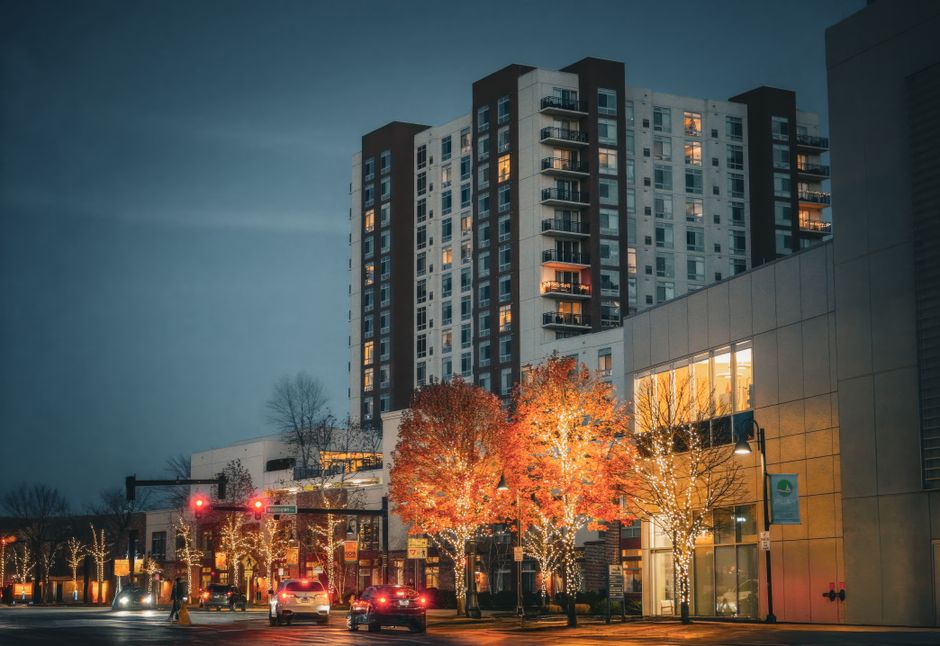
South End sits between uptown and the neighborhoods that feel like actual Charlotte, and it's become the city's most deliberately developed mixed-use area—which sounds corporate until you actually walk it. There are apartments stacked above shops and restaurants, people living and working and eating in the same few blocks. The neighborhood has that planned feeling (because it is), but it doesn't feel dead or sterile the way some intentional developments do.
Restaurants and bars cluster here genuinely—not in a food hall, but distributed across several walkable blocks. You can get everything from fine dining to coffee shops to cocktail spots that don't announce themselves. The Trolley Trail runs through here, offering a shaded walking path that's surprisingly pleasant for a city route. Nights feel safe and reasonably populated without ever feeling raucous. It's a neighborhood where people go out on purpose, not by accident.
Expect to pay $150–$230 per night for a decent one-bedroom, sometimes more if you're picky about location or amenities. It's the priciest on this list, but you're getting consistent walkability and a neighborhood that works at most hours. This is the place to book if you want to avoid driving in the evenings.
Plaza Midwood: Casual Nightlife Without the Drunk Crowds
Plaza Midwood is one of Charlotte's older neighborhoods, and it has the feel of a place that developed organically rather than being built for development's sake. It's bisected by the Central Avenue corridor, which houses vintage shops, thrift stores, casual restaurants, and bars that lean more neighborhood hangout than club scene. It's grittier than South End or NoDa, less manicured, and that's exactly the point.
The neighborhood walks well enough, especially the few blocks clustered around Midwood's central commercial strip. You can hit a coffee shop, grab lunch, browse used records, have a drink—all on foot without feeling like you're in a curated experience. Safety is reasonably good on the main streets, though you'll want to stick to the lit blocks after dark. The crowd skews a bit older and more established than NoDa, which translates to fewer bachelorette parties and more actual residents having drinks with friends.
Nightly rates land around $100–$150, making it one of the better values. The neighborhood isn't as aggressively developed as South End, which means some blocks feel quieter and a few corners look a little rough, but that's also why it feels real and why it doesn't cost what other walkable areas do.

Uptown: The Default Pick (And Why It's Not Wrong)
Uptown Charlotte is the geographic center, the place with the most hotels, and also the place that most visiting guidebooks default to. It's obvious for a reason. You can walk here, everything is proximate, and there's a baseline of activity most evenings. The neighborhood has enough glass towers and corporate energy that it can feel a bit sterile during the day, but evenings bring a younger crowd heading to rooftop bars, restaurants, and breweries.
Walkability is high—you're in the downtown core, so distances are short. Safety depends on specific blocks; the main restaurant and bar corridors (Tryon Street area, around the Spectrum Center) are well-lit and populated. Quieter side streets are emptier after business hours, so choosing your specific location matters. If you want nightlife, book near the action. If you want quieter evenings, pick a block a few streets removed.
Prices here run $130–$200 for a basic one-bedroom, with nicer or larger units easily exceeding that. It's competitive, and you're competing with plenty of other travelers. The tradeoff is maximum convenience and guaranteed activity. There's a reason people book here—it works, even if it feels like the obvious choice.
Dilworth: Old Money and Quiet Nights
Dilworth is south of uptown, an early 20th-century neighborhood of brick Craftsman homes and tree-lined streets that feels like a different era. It's where Charlotte's established families live, which means it's quiet, maintained, and genuinely safe. There's a walkable commercial spine along Dilworth Road with restaurants and coffee shops, but this is residential territory first and foremost.
If you want to be in Charlotte but not in Charlotte's nightlife, this is your spot. You can walk to decent food, a bar or two, coffee—enough to avoid driving for basics. But after 9 p.m., the neighborhood is quiet. Weekends are more active than weeknights. The architecture alone is worth the stay if you care about that sort of thing. It's the neighborhood that looks like Charlotte's past rather than its future, which is precisely why some people prefer it.
Nightly rates run $110–$170, decent value for a neighborhood this established and safe. You're trading nightlife energy for peace, walkability, and genuine quiet. It works if you're actually planning to spend time in your neighborhood rather than treating it as a crash spot.

The Real Calculus
Pick your neighborhood based on what you actually do during a week in a city, not what you think you're supposed to want. If you're here for restaurants and bars, NoDa or South End. If you want to feel like a resident and not a tourist, Dilworth or Plaza Midwood. If you need everything walkable and don't want to think about location, uptown works fine—it's conventional, but it's conventional for good reasons.
Downtown proper (the hotels, the convention center area) is worth avoiding for Airbnbs unless you have a specific reason. It empties out after hours and doesn't have the neighborhood feel that makes short-term stays feel like living somewhere rather than occupying space.
Charlotte moves fast and changes fast, so check current reviews and ratings before booking—local favorites open and close, and what worked six months ago might be different. But the neighborhoods hold. Pick one, walk around, get lost a little. That's how you find the actual city.