
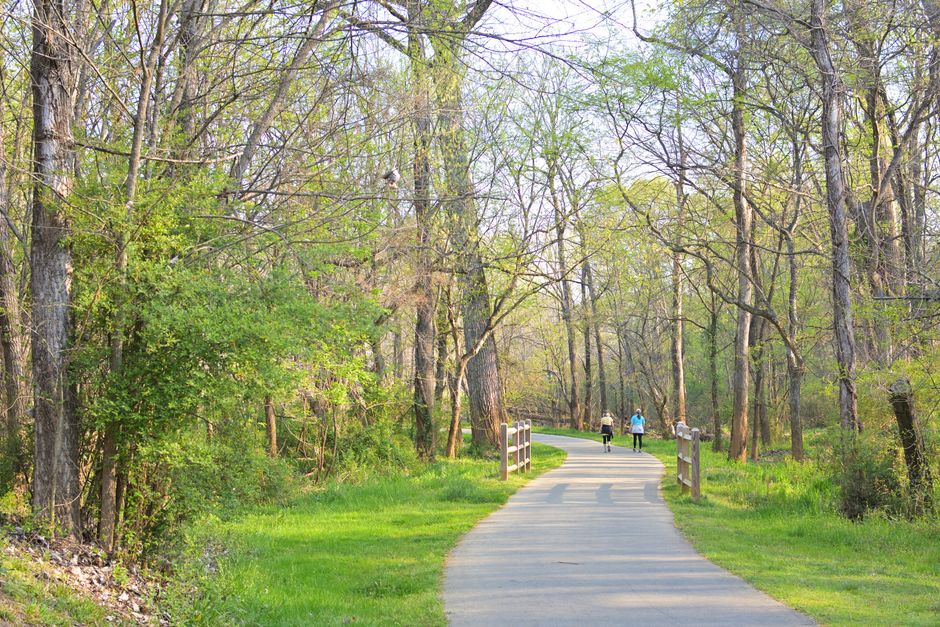
I showed up in Charlotte on a Thursday afternoon with the usual guidebook expectations—maybe the NASCAR museum, definitely the aquarium. But I've learned that the real shape of a city reveals itself when you get bored with the obvious stuff and start asking locals where they actually spend their time. Charlotte surprised me. It's not a place that advertises itself as some carefully curated destination. It's sprawling, genuinely southern, and full of pockets that feel almost accidental in how good they are.
I rented a car and spent four days poking around neighborhoods that don't make the highlight reels. There's something refreshing about a city that doesn't feel like it's performing for tourists. Charlotte's got that quality in spades.
The Mint Museum of Craft + Design
Most people know about the Mint Museum of Art, which sits in Uptown and draws the expected crowds. The craft and design museum is a ten-minute drive away in the Optimist Hall building, and it operates almost like Charlotte's best-kept secret. I wandered through galleries dedicated to ceramics, textiles, and contemporary craft—the kind of work that actually makes you stop and look closely instead of just walking through.
The building itself is worth the trip. Optimist Hall is a converted 1927 warehouse that now houses the museum, artist studios, and a really solid food hall. You can see artists working in live studios upstairs. There's something about watching someone throw pottery or work on a loom that makes the finished pieces hit different. The admission is reasonable, and it never felt crowded, even on a Saturday afternoon. If you're in Charlotte and you care about craft or design at all, this is a better use of your time than another museum gift shop in Uptown.

Cowan's Ford Wildlife Refuge and the Lake Norman Shoreline
Lake Norman sprawls north of Charlotte, and most tourists never see it. I drove out on a recommendation from a barista and found myself at Cowan's Ford, a sprawling nature preserve where the shoreline feels genuinely remote despite being maybe 20 minutes from downtown. The refuge has trails that actually vary—some are easy waterfront walks, others climb a bit and give you views of the lake that look like they belong in a different state entirely.
I spent a morning there on a weekday and saw maybe five other people. The parking is free, and trails are well-marked without feeling over-engineered. In spring and fall the birdwatching is apparently excellent, though I went in early summer and still saw enough wildlife to make it feel worthwhile. The lake itself has a strange beauty—it's man-made, a reservoir created decades ago, but it doesn't feel fake the way some of those do. There's something about the tree coverage and the way the shoreline winds that makes you forget you're just outside a major city.
South End (Beyond the Instagram Murals)
South End gets tourist traffic because of the colorful murals and the Brooklyn-transplant vibe, but most people spend 45 minutes taking photos and leave. I stayed longer and found that the neighborhood actually has meat on the bones. Yeah, there are boutiques and trendy restaurants, but there are also genuine neighborhood joints—coffee shops where locals camp out, a used bookstore that could hold you for hours, vintage shops run by people who actually care about their inventory.
I had lunch at a Vietnamese place that wasn't trying to be cute or "elevated." The banh mi was excellent and cost $8. Later I walked through a couple of galleries that were showing actual artists from the region, not just installations designed for social media. South End works better if you think of it as a neighborhood to move through rather than a backdrop. Grab a coffee, wander into whatever catches your eye, sit in one of the parks. You'll see families and regular people doing regular things alongside the photoshoot crowds. It's messier and more interesting that way.
Reedy Creek Nature Preserve and Mountain Island Lake
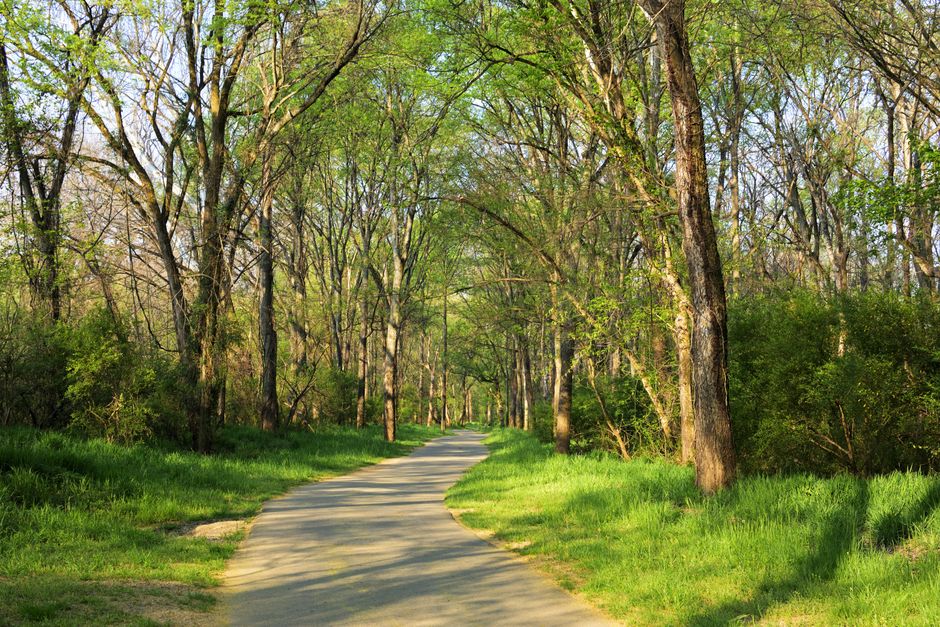
This one came up when I was asking a local about good walking trails that weren't swamped with tourists. Reedy Creek sits along Mountain Island Lake on Charlotte's northwest side, and it's the kind of place that makes you wonder why it isn't more famous. The main loop is maybe three miles, mostly easy, with the lake constantly visible through the trees. The water is genuinely clean and pretty—you see herons, cormorants, the occasional fish jump.
What got me was how quiet it stayed, even on a weekend. There's a parking area, a boardwalk section that's wheelchair-accessible, and trails that fork off into different terrain depending on your mood. I brought a lunch and sat by the water for an hour reading a book. A family with kids showed up, they played by the shore, everyone was relaxed. This is what I travel for—not the famous spots but the places where local life actually unfolds. The preserve is free and the facilities are clean. Go on a weekday if you can, but even on weekends it never feels crowded.
Friendship Coffee Roasters and the Local Coffee Scene
I'm not usually one of those travelers who writes about coffee shops, but Charlotte's coffee culture caught me off-guard. I stumbled into Friendship Coffee Roasters in the NoDa neighborhood—which is the artist district, north of downtown—and immediately understood why the place had regulars camped at tables at 9 a.m. on a weekday.
The roasting operation is right there in the cafe. They source beans seriously, the baristas actually know what they're talking about, and the space doesn't feel designed for Instagram. It's honestly just a place where people sit and work or meet friends. NoDa itself is worth an hour or two of wandering—galleries, small restaurants, a genuinely artsy vibe that feels organic rather than imposed. There's a street festival the last Saturday of most months. Walk around, find a spot to sit, watch Charlotte's actual creative class do their thing. Friendship and places like it remind you that the best parts of cities aren't usually the attractions, they're the everyday spaces where people choose to be.
The Catawba Riverfront
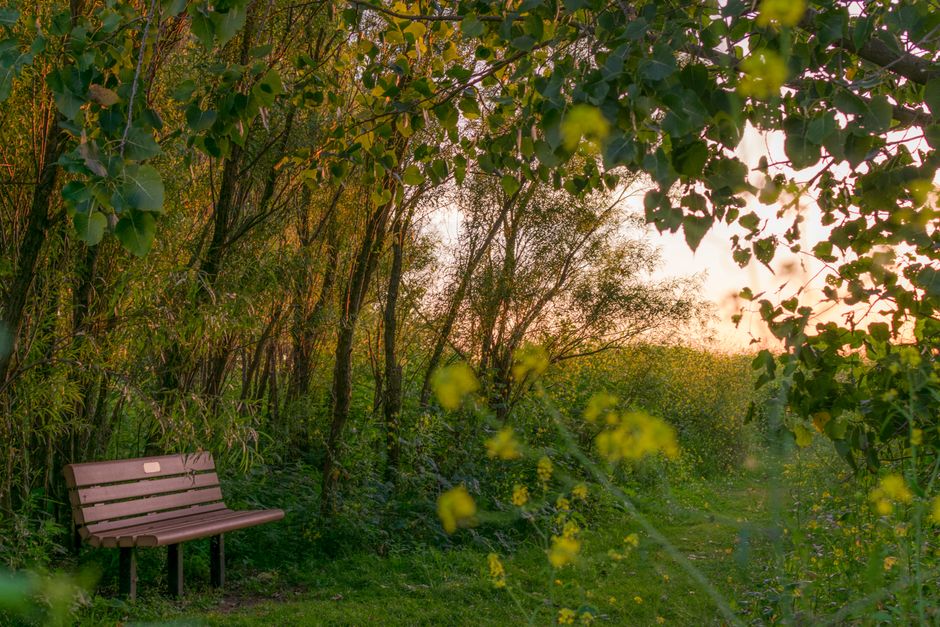
Charlotte's relationship with the Catawba River is weird and worth understanding. The river runs through downtown, but there's a section west of the city that most tourists never touch—wilder, less developed, with trails that actually feel like you're in nature rather than in an urban corridor.
I drove out to the Reedy Creek area—there are several access points—and walked along the river itself, not a lake. The current moves through, the banks are variable, there's wildlife and actual wilderness feeling despite being minutes from the city. It's good for kayaking if you have access to a boat, but the walking trails are enough. Spring runoff means higher water and faster current; summer is quieter. The light hits the water differently here than it does at the more-managed lake areas. This is Charlotte's real waterfront, the one that exists independent of the city's plans for it.
Why the Off-Path Works in Charlotte
Charlotte doesn't try hard to trap tourists. That's actually its greatest asset. The city's too busy being a real place—banking center, growing neighborhoods, genuine local culture—to perform for visitors. Which means if you skip the obvious stuff and ask a few questions, you get to see a city that most tourists miss entirely.
I left Charlotte thinking it was more interesting than its reputation suggests. It's not a destination designed to be easy or photogenic. It's a functional, growing southern city with good food, real outdoor access, and a local culture that hasn't completely sold out to tourism. Spend your time in the neighborhoods, on the trails, at the community-focused museums and coffee shops. That's where Charlotte actually is.



